Is Solar Battery Storage Worth It in 2026?
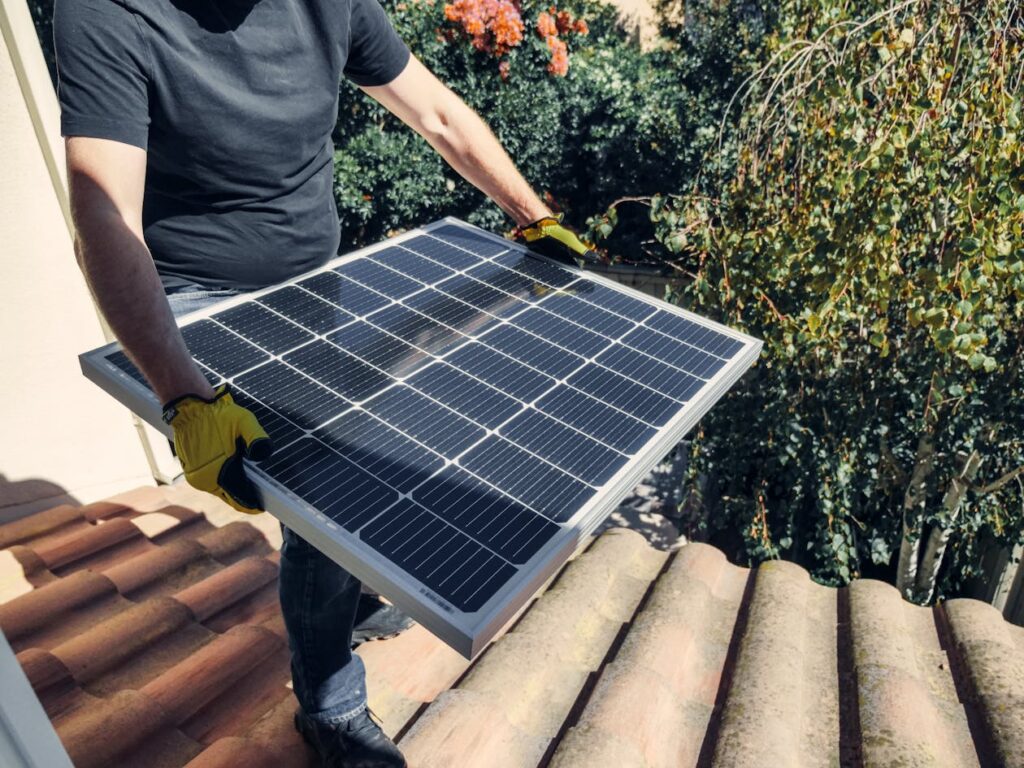
Solar panels are now a common sight on UK rooftops, but the real game-changer in 2026 is battery storage. A home battery lets you store the electricity your panels generate during the day and use it in the evening when energy is most expensive. But is the investment actually worth it?
We have crunched the numbers on costs, savings, payback periods, and the best systems available in 2026 to help you decide whether adding battery storage makes financial sense for your home.
How Solar Battery Storage Works
Without a battery, any solar electricity you do not use immediately is exported to the grid. You receive the Smart Export Guarantee (SEG) tariff for this exported energy, which typically pays between 4p and 15p per kWh depending on your supplier.
With a battery, that surplus energy is stored in your home instead. You then use it in the evening, overnight, or during cloudy periods, avoiding the need to buy electricity from the grid at the full retail rate of around 24p per kWh. The difference between what you would have been paid for exporting and what you save by not importing is where the financial benefit lies.

What Does a Home Battery Cost in 2026?
Home battery prices have come down significantly over the past two years. In 2026, you can expect to pay:
- 5 kWh system: £3,500 to £5,500 fully installed
- 9-10 kWh system: £6,500 to £9,500 fully installed
- 13-15 kWh system: £8,000 to £11,500 fully installed
The dominant battery chemistry in 2026 is Lithium Iron Phosphate (LiFePO4 or LFP). These batteries are safer, longer-lasting, and more thermally stable than older lithium-ion chemistries. A typical LFP battery is rated for 6,000 to 10,000 charge cycles, meaning it should last 15 to 25 years in normal household use.
All battery installations are currently zero-rated for VAT until March 2027, saving you between £400 and £1,500 on a typical install.
How Much Can You Save?
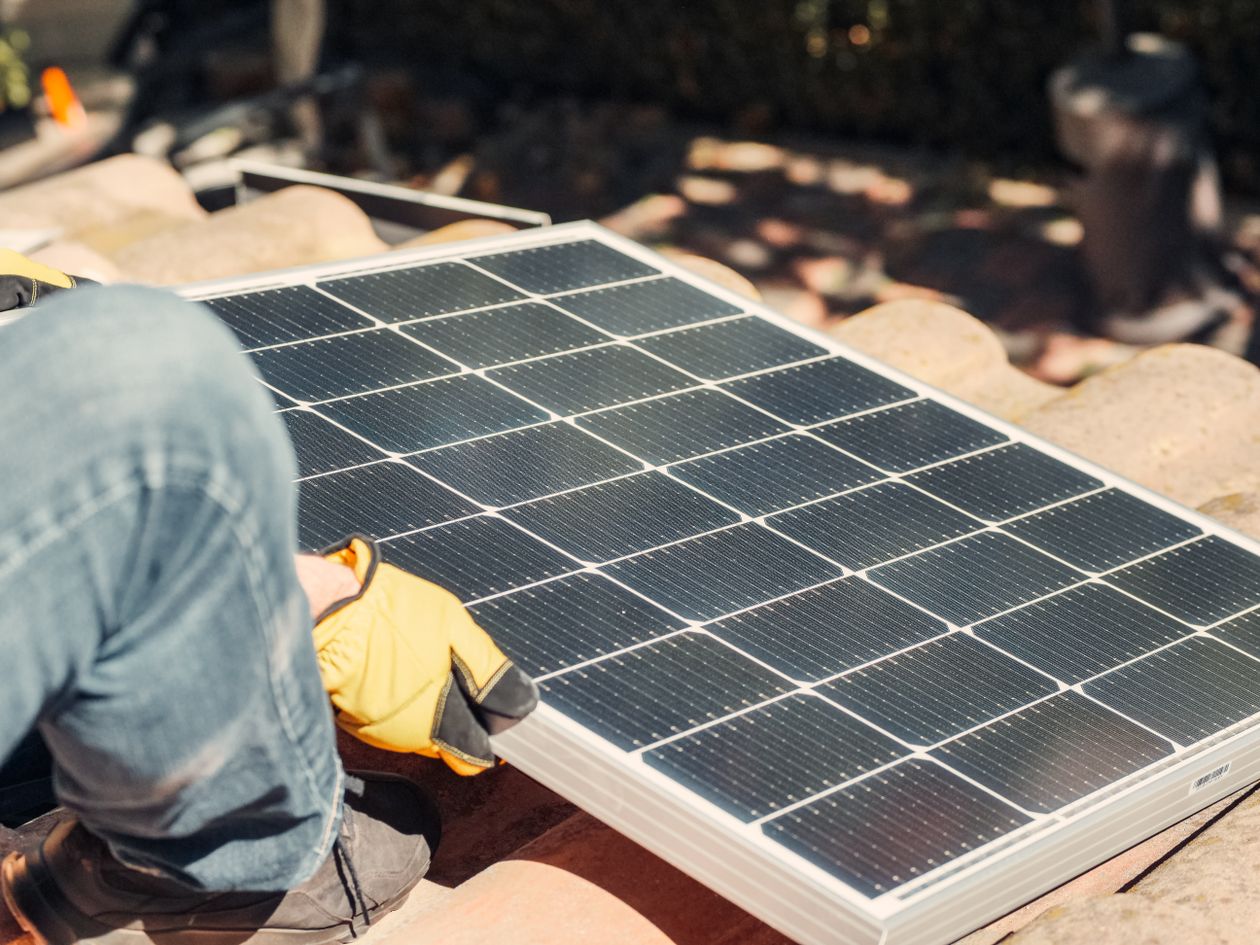
A battery typically adds £500 to £800 per year in savings compared to running solar panels alone. The exact figure depends on your energy consumption patterns, the size of your solar array, and your electricity tariff.
Homes that use a lot of electricity in the evening — families with children, people who work from home, or households running an electric vehicle charger overnight — tend to see the highest savings because they are displacing the most expensive grid electricity.
Payback Period: The Honest Numbers
Payback periods for home batteries in 2026 typically fall into two ranges:
- Best case (5-8 years): High self-consumption households with time-of-use tariffs such as Octopus Agile, where the battery can charge from the grid at cheap overnight rates and discharge during expensive peak periods
- Standard case (8-12 years): Average households on flat-rate tariffs who primarily use the battery to maximise solar self-consumption
Given that most batteries carry a 10-year warranty and should last 15+ years, even the standard payback scenario delivers several years of pure profit after the initial investment is recovered.
Sizing Your Battery
Choosing the right battery size depends on two factors: how much surplus solar you generate and how much electricity you use in the evening.
- Small homes (1-2 bed): 5 kWh is usually sufficient
- Medium homes (3 bed): 8-10 kWh covers most evening usage
- Large homes (4+ bed) or EV owners: 13-20 kWh for full overnight coverage

Grants and Financial Support
Battery storage qualifies for the 0% VAT rate when installed alongside solar panels or as a retrofit to an existing system. In Scotland, the Home Energy Scotland scheme offers up to £6,000 in interest-free loans plus a £1,500 grant that can cover battery storage when installed with solar.
The Warm Homes: Local Grant may also cover battery storage as part of a wider energy upgrade package for eligible homeowners with household incomes below £36,000.
The Verdict
In 2026, solar battery storage is a genuinely worthwhile investment for most homeowners who already have solar panels or are planning to install them. The combination of falling battery prices, zero-rate VAT, time-of-use tariffs, and improved battery longevity means the financial case is stronger than ever.
If you are considering adding battery storage to your home, getting quotes from multiple installers is the best way to ensure you get the right system at a competitive price.
Getting paid enough for your exported power?
Export rates vary twenty-fold between suppliers. We rank every SEG and export tariff monthly, with the conditions attached to each.
See what these numbers mean for your home
Free instant estimate — costs, savings, payback and grants for your region.

Related Articles

Intelligent Octopus Flux explained: what changes when Octopus runs your battery
Intelligent Octopus Flux pays the same rate for export as you pay for import and hands battery scheduling to Octopus's algorithm. How it differs from standard Flux, and who actually…
21 August 2026
Solar panel warranties explained: what the small print actually promises
A '25-year solar warranty' is really four separate warranties with different lengths and escape hatches. What product, performance, inverter and workmanship cover each promise, and what a claim looks like.
19 August 2026
Solar Export Limits Explained: G98, G99 and DNO Caps in Plain English
The 3.68 kW figure that shapes so many UK solar quotes is a grid rule, not a technology limit. Here is how G98 and G99 actually work, what an export…
19 August 2026