Home Insulation Costs and Grants: Your Complete 2026 Guide
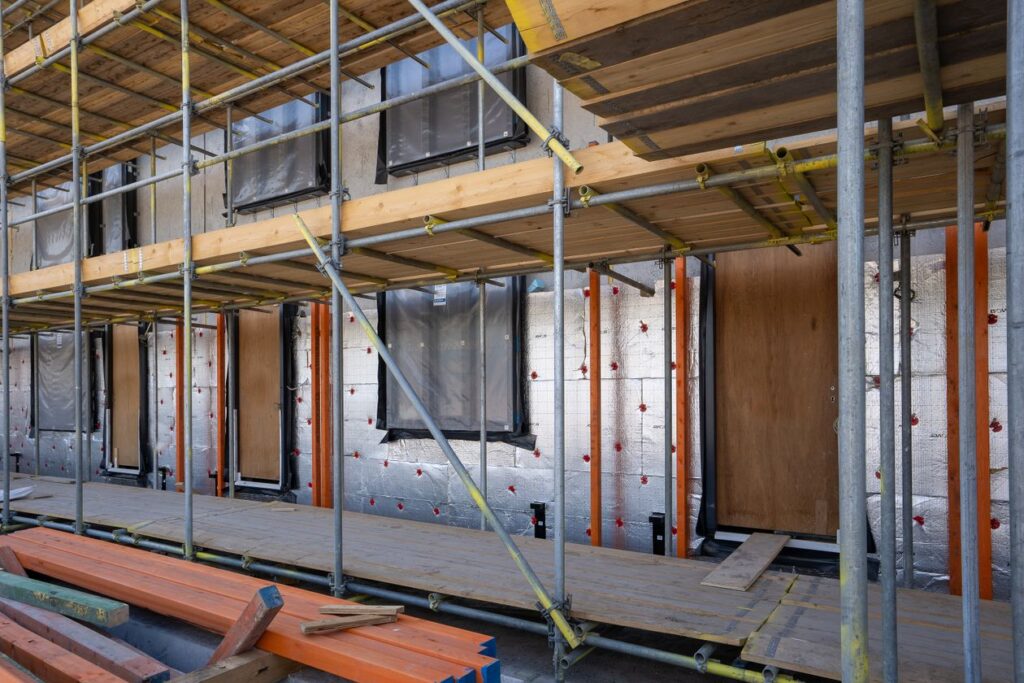
Update (June 2026): ECO4 closed to new applications in March 2026. Approved installations continue to December 2026. The Warm Homes: Local Grant is now the main funding route for insulation.
Insulation is the foundation of an energy-efficient home. Before you invest in solar panels, heat pumps, or smart controls, getting your insulation right ensures that the heat you generate stays inside your home rather than leaking through walls, roofs, and floors. Here is what insulation costs in 2026, what grants are available, and which improvements deliver the best return.
Why Insulation Comes First
A poorly insulated home loses heat through every surface. In a typical uninsulated three-bedroom semi, around 25% of heat escapes through the roof, 35% through walls, 15% through the floor, and 25% through windows and draughts.
Insulating these areas reduces the amount of energy needed to keep your home warm, which means lower bills regardless of whether you heat with gas, electricity, or a heat pump. It also makes renewable heating systems like heat pumps more effective, because they work best in well-insulated properties.
Insulation Costs by Type
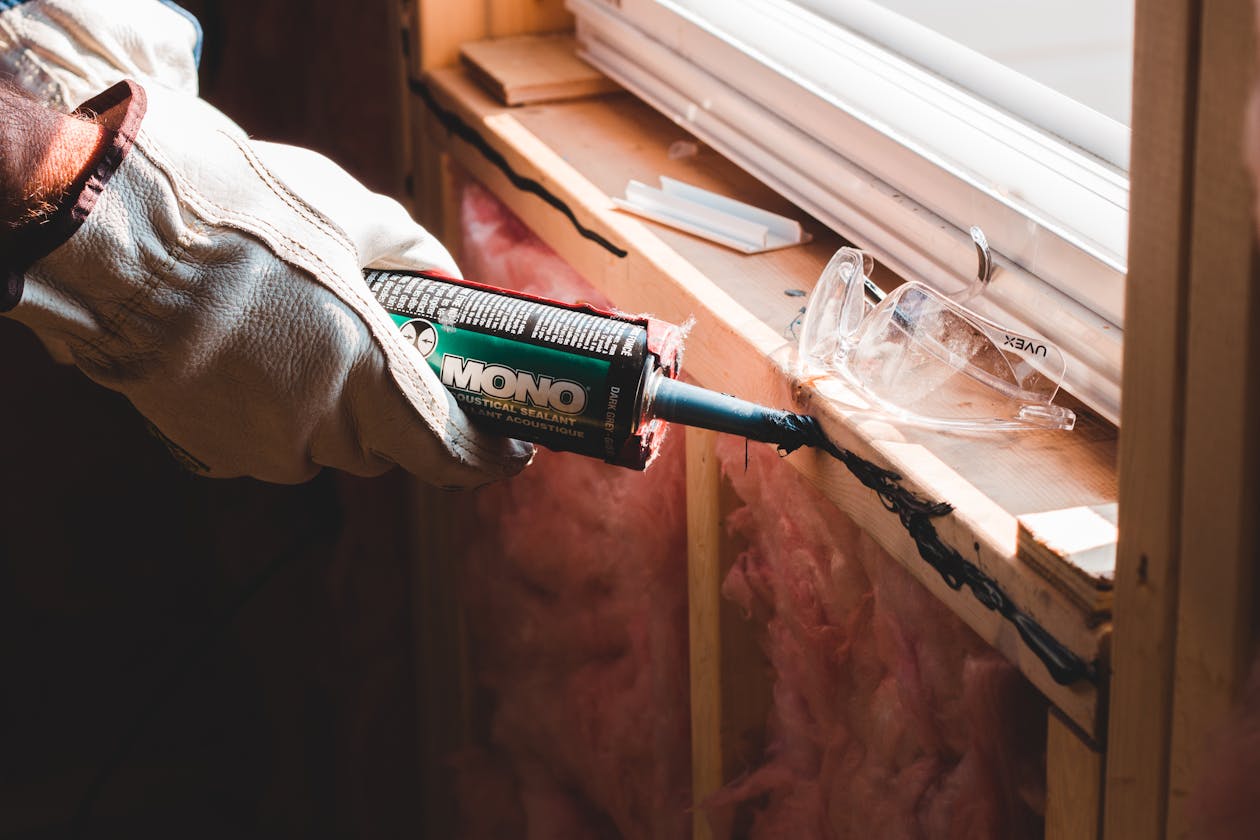
Here is what each type of insulation costs for a standard three-bedroom semi-detached house in 2026:
Loft Insulation
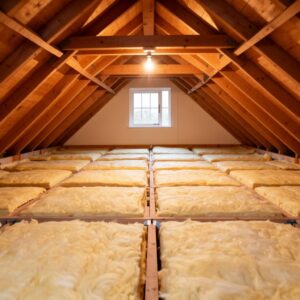
Loft insulation is the cheapest and most effective improvement available. Topping up existing insulation or laying new rolls of mineral wool between and over the joists costs between £500 and £1,200 for a professional installation.
If your loft is accessible and you are comfortable working at height, this is also a viable DIY project. A roll of 100mm mineral wool costs around £8 to £12 from most builders’ merchants, and a typical loft needs six to ten rolls.
Annual saving: £200 to £300 per year, giving a payback period of two to four years.
Cavity Wall Insulation
Most homes built between 1930 and 1990 have cavity walls — two layers of brick with a gap between them. Filling this gap with insulation material costs around £2,700 for a typical semi-detached house.
The process involves drilling small holes in the external wall, injecting insulation material (usually polystyrene beads or mineral wool), and sealing the holes. A professional team can complete the job in half a day with minimal disruption.
Annual saving: £200 to £400 per year, with a payback period of five to eight years.
Solid Wall Insulation
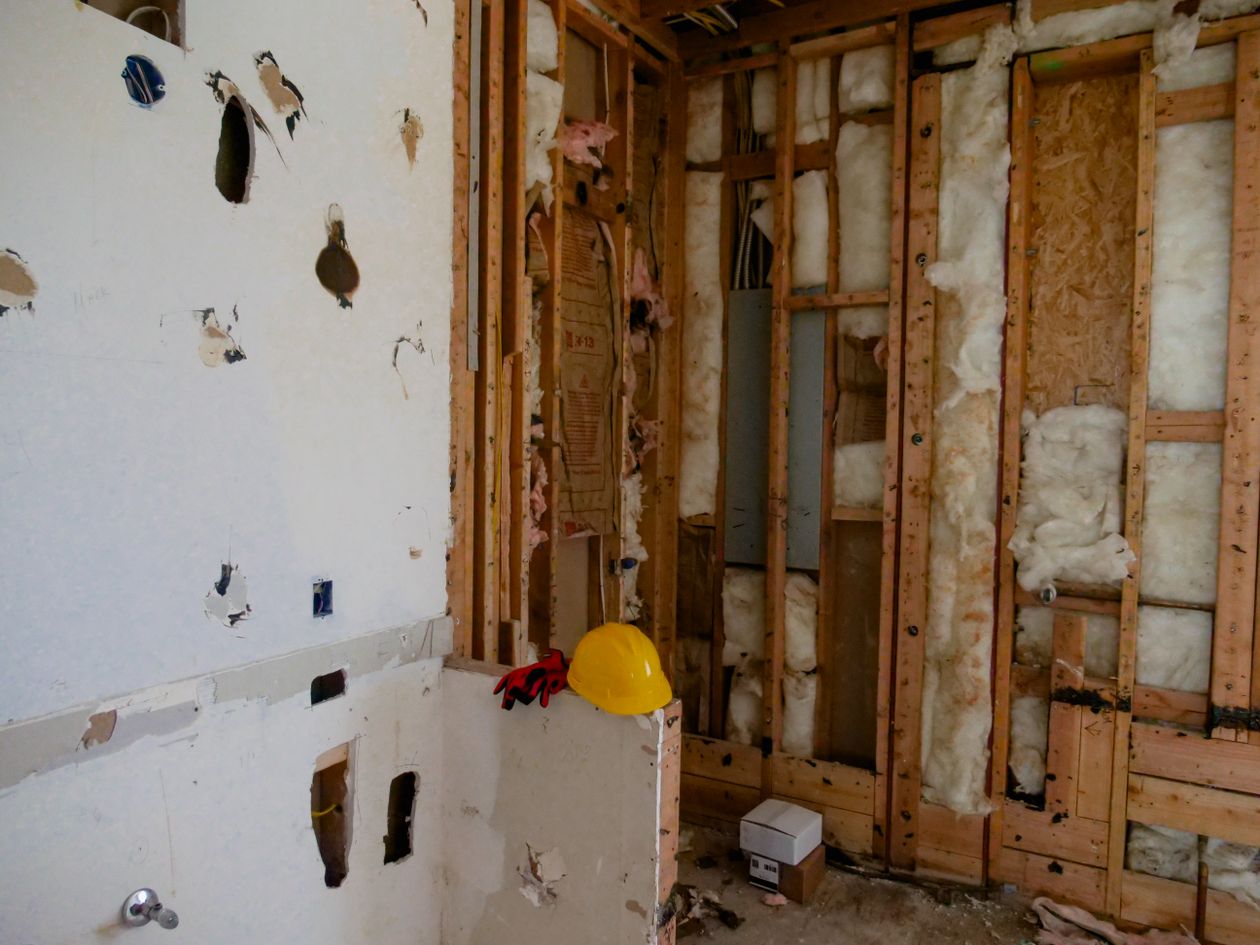
Homes built before 1930 typically have solid walls with no cavity to fill. Insulating solid walls requires either internal wall insulation (IWI) or external wall insulation (EWI), both of which are more expensive and disruptive.
- Internal wall insulation: £7,500 to £10,000. Involves fitting insulation boards to interior walls, which slightly reduces room sizes
- External wall insulation: £10,000 to £12,000. Involves cladding the exterior with insulation panels and a new render finish
Annual saving: £300 to £500 per year. The payback period is longer — typically 15 to 25 years at current energy prices — but solid wall insulation also improves comfort, reduces condensation, and can transform the appearance of a property.
Floor Insulation
Suspended timber floors can be insulated from below if there is access to a crawl space, or from above by lifting floorboards. The cost ranges from £1,000 to £2,500 depending on accessibility and floor area.
Solid concrete floors are more expensive to insulate and are usually only worth addressing during a major renovation.
Grants Available in 2026
Several government schemes can cover part or all of your insulation costs:
- Warm Homes: Local Grant: Free insulation for homeowners with EPC ratings of D or below and household income under £36,000, or those receiving qualifying benefits
- ECO4: Funded insulation for eligible low-income households through energy suppliers. Runs until 31 December 2026
- 0% VAT: All insulation materials and installation labour are zero-rated for VAT until March 2027
Even without grant support, the 0% VAT alone represents a saving of around £500 on a typical cavity wall insulation job and over £2,000 on external wall insulation.
Where to Start
The most cost-effective approach is to start with the cheapest measures that deliver the biggest savings. For most homes, that means loft insulation first, then cavity wall insulation if applicable, then draught proofing around doors and windows.
Getting an EPC assessment will identify exactly where your home is losing heat and which improvements will have the greatest impact. Many local authorities also offer free home energy assessments as part of the Warm Homes Plan.
With grants covering much of the cost for eligible homeowners and zero VAT for everyone, 2026 is an excellent year to get your home properly insulated.
See what these numbers mean for your home
Free instant estimate — costs, savings, payback and grants for your region.

Related Articles
How to Reduce Condensation and Damp While Keeping Your Home Warm
Learn why condensation forms in UK homes, the difference between condensation and rising damp, and proven ventilation strategies to fix damp without losing heat.
8 May 2026
Conservatory Roof Replacement: How a Solid Roof Cuts Energy Bills and Adds Value
Replacing an old polycarbonate or glass conservatory roof with a solid insulated roof can slash heat loss, cut energy bills and turn a seasonal room into a year-round living space.
6 May 2026 Loft Conversion Energy Efficiency: Insulation Rules and Running Costs
Learn the UK loft conversion insulation regulations including the 0.15 W/m2K roof U-value requirement, rafter insulation options, window rules and impact on heating bills.
3 May 2026