Conservatory Roof Replacement: How a Solid Roof Cuts Energy Bills and Adds Value

If your conservatory is too hot in summer and too cold in winter, the roof is almost certainly the problem. Older polycarbonate and single-glazed glass roofs offer minimal insulation, turning the space into an oven on sunny days and a freezer from October to March. Replacing the roof with a modern solid insulated alternative can transform your conservatory into a room you use all year round while cutting your energy bills in the process.
How much can a conservatory roof replacement save on energy bills?
Replacing an old polycarbonate or single-glazed glass conservatory roof with a solid, insulated tiled roof can reduce heat loss through the conservatory by up to 90%. Homeowners typically save between £200 and £500 per year on heating costs, depending on the size of the conservatory and how often it is used as a living space. A solid roof also makes the room usable year-round instead of only during summer months.
Most conservatory roof replacements cost between £4,000 and £9,000, meaning the energy savings alone can deliver payback within 10 to 15 years. However, the real value comes from the added living space and improved comfort. A well-insulated replacement roof with a U-value of 0.15–0.18 W/m²K brings the conservatory in line with modern building regulations and can increase your property value by £5,000–£10,000.
Why Conservatory Roofs Are the Weak Point
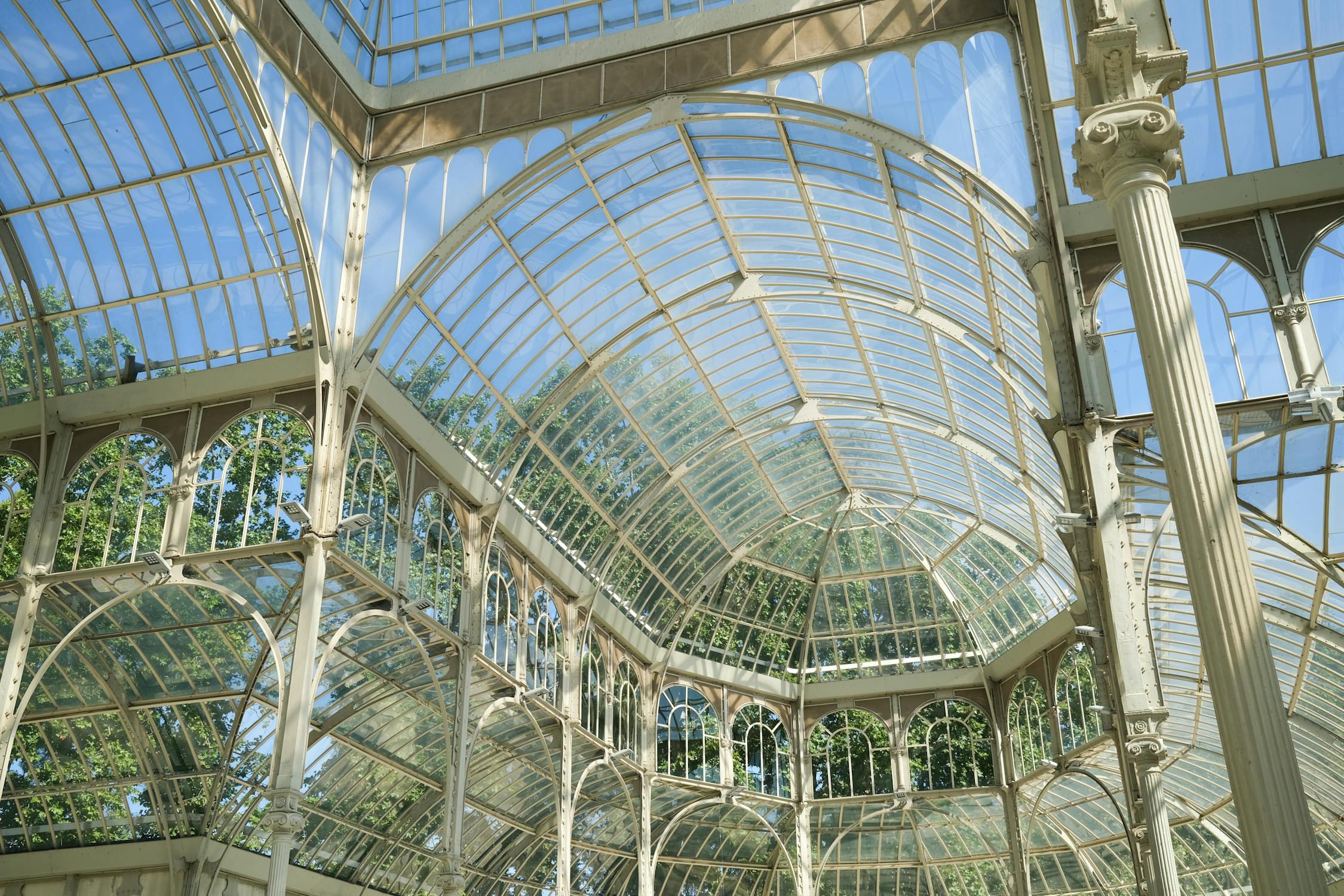
Most conservatories built in the 1990s and 2000s have polycarbonate or basic glass roofs. These materials have very poor thermal performance. A typical polycarbonate roof has a U-value of around 3.0 to 4.0 W/m²K, meaning heat passes through it rapidly. For comparison, a modern insulated solid roof achieves a U-value of 0.15 to 0.18 W/m²K, which is 20 times more effective at retaining heat.
This poor insulation creates a cycle of problems. In winter, your central heating works overtime to warm the conservatory, only for the heat to escape through the roof. The radiators in adjoining rooms also work harder because the cold conservatory pulls heat from the rest of the house. In summer, the greenhouse effect makes the room unusable on warm days.

What Is a Solid Conservatory Roof?
A solid conservatory roof replacement involves removing the existing polycarbonate or glass roof and fitting a lightweight, insulated tiled roof in its place. The new roof typically consists of:
- Structural aluminium framework: engineered to fit your existing conservatory walls without needing to rebuild the base structure.
- Insulation layer: high-performance rigid insulation boards, usually 100mm to 150mm thick, providing excellent thermal resistance.
- Lightweight tiles: composite or lightweight concrete tiles that look like a traditional tiled roof but weigh significantly less than standard roof tiles.
- Internal ceiling finish: a plastered ceiling with downlighters, giving the room a proper finished appearance rather than a conservatory feel.
- Optional skylights: Velux-style windows can be incorporated to maintain natural light if desired.
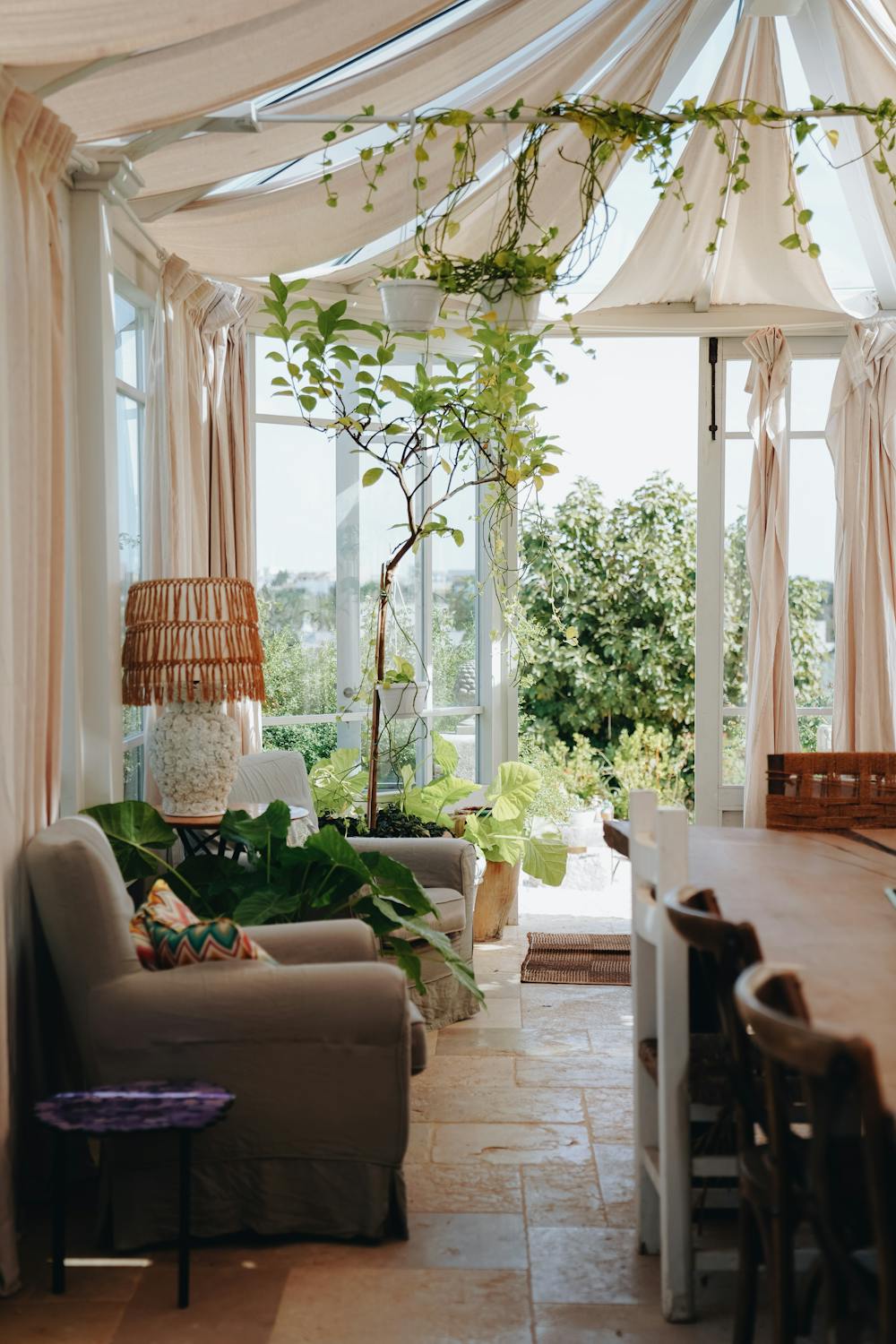
The finished roof looks like a natural extension of your home rather than a bolted-on conservatory. Many homeowners find this visual improvement is as valuable as the thermal benefit.
How Much Does a Replacement Roof Cost?
The cost of a solid conservatory roof depends on the size and shape of your conservatory:
- Small lean-to (2m × 3m): £4,000 to £6,000
- Medium Victorian or Edwardian (3m × 3.5m): £6,000 to £9,000
- Large P-shape or double-width (4m × 5m+): £9,000 to £14,000
These prices include removal of the old roof, supply and fit of the new insulated roof, internal plastered ceiling, electrical work for downlighters, and all building control compliance. VAT at 5% applies to conservatory roof replacements as they qualify as energy-saving improvements to an existing dwelling.
Energy Savings and Payback
Replacing a polycarbonate roof with a solid insulated roof can reduce heat loss through the conservatory by up to 90%. In practical terms, this means:
- The conservatory stays warm enough to use comfortably without dedicated heating for most of the year.
- Your central heating boiler runs less because the conservatory is no longer draining heat from adjoining rooms.
- Summer overheating is eliminated, reducing any reliance on fans or portable air conditioning.
- Typical energy savings are £200 to £500 per year, depending on the size of the conservatory and how much you currently heat it.
The energy savings alone give a payback period of 15 to 25 years, but the real value is in the additional usable living space. Estate agents estimate that a well-finished solid-roof conservatory adds £5,000 to £15,000 to a property’s value, often exceeding the cost of the roof replacement itself.
Do You Need Planning Permission?
In most cases, replacing a conservatory roof does not require planning permission. The work falls under permitted development rights provided the new roof does not exceed the height of the original. However, you will need building regulations approval to ensure the new roof meets current thermal and structural standards. A reputable installer will handle the building control application as part of the project.
If your property is listed or in a conservation area, you should check with your local planning authority before proceeding. Listed building consent may be required even for like-for-like roof replacements.
What to Look for in an Installer
Choose an installer who specialises in conservatory roof replacements rather than a general builder. Key things to check include:
- Membership of a competent person scheme such as FENSA or CERTASS for self-certification of building regulations.
- A structural survey of your existing conservatory base to confirm it can support the new roof weight.
- A written guarantee of at least ten years on the roof structure and a separate manufacturer warranty on the tiles.
- Examples of completed local projects you can visit or at least see photographs of.
A solid roof replacement typically takes three to five working days from start to finish, with minimal disruption to the rest of your home. The existing conservatory walls, windows and doors remain in place throughout.
See what these numbers mean for your home
Free instant estimate — costs, savings, payback and grants for your region.

Related Articles

Home Insulation Costs and Grants: Your Complete 2026 Guide
Update (June 2026): ECO4 closed to new applications in March 2026. Approved installations continue to December 2026. The Warm Homes: Local Grant is now the main funding route for insulation.…
18 May 2026
How to Reduce Condensation and Damp While Keeping Your Home Warm
Learn why condensation forms in UK homes, the difference between condensation and rising damp, and proven ventilation strategies to fix damp without losing heat.
8 May 2026 Loft Conversion Energy Efficiency: Insulation Rules and Running Costs
Learn the UK loft conversion insulation regulations including the 0.15 W/m2K roof U-value requirement, rafter insulation options, window rules and impact on heating bills.
3 May 2026