How to Reduce Condensation and Damp While Keeping Your Home Warm
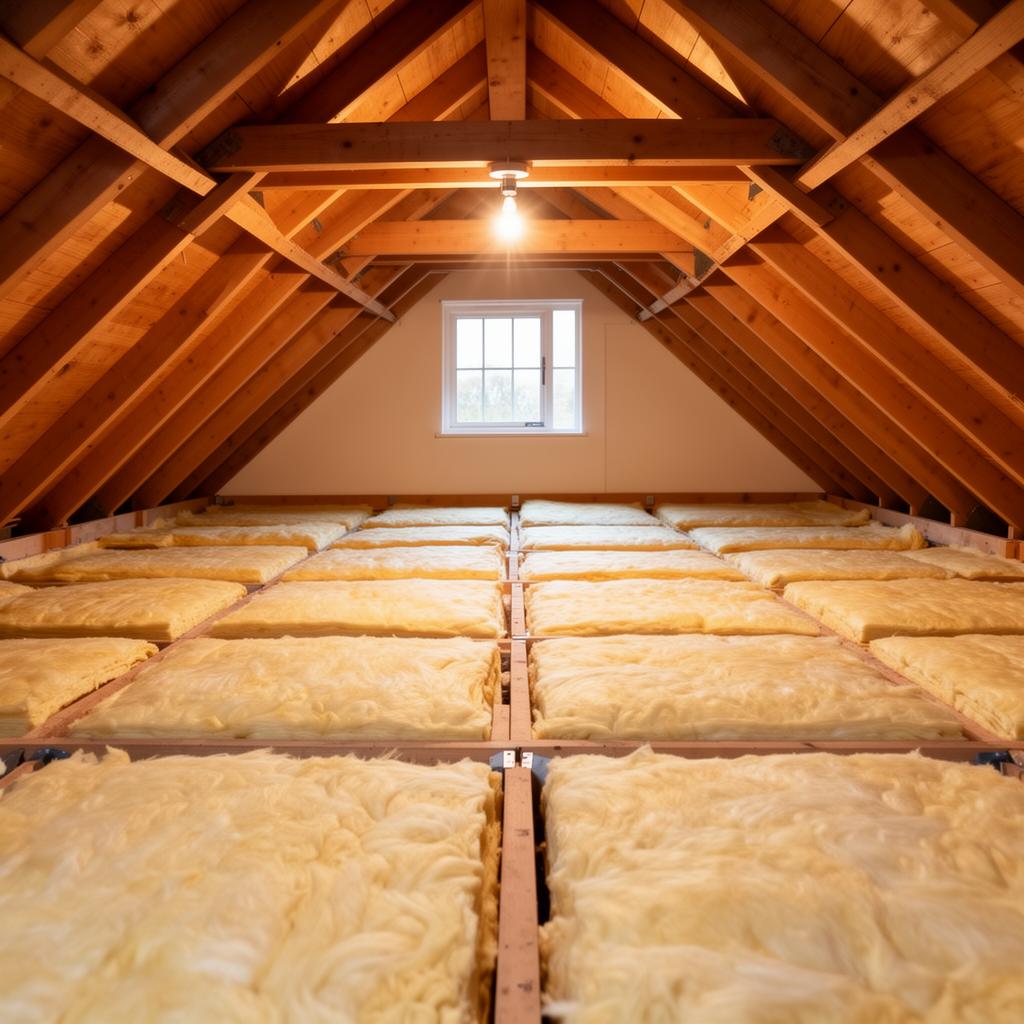
Condensation and damp affect millions of UK homes, and the problem has become more common as we insulate and draught-proof our properties to save energy. The irony is real: the same upgrades that cut heating bills can create the perfect conditions for condensation, mould growth and damp — if ventilation is not addressed at the same time.
How to reduce condensation and damp while keeping your home warm
- Improve ventilation by opening trickle vents on windows and using extractor fans in kitchens and bathrooms.
- Maintain a consistent low background temperature of around 15–16°C rather than letting rooms go completely cold.
- Use a dehumidifier in problem rooms to bring relative humidity below 60%.
- Insulate cold walls and ceilings so interior surfaces stay above dew point.
- Dry clothes outdoors or in a vented tumble dryer instead of on radiators.
- Seal gaps around windows and doors to reduce draughts while keeping controlled ventilation routes open.
- Check for rising damp or penetrating damp, which require structural repairs rather than ventilation changes.
Condensation forms when warm, moisture-laden air hits a cold surface. The key is balancing insulation with adequate airflow. A properly ventilated and insulated home can reduce condensation without increasing heating bills — in fact, insulating cold walls alone can cut heat loss through that wall by up to 65%, keeping surfaces warmer and drier.
This guide explains why condensation happens in UK homes, how to tell the difference between condensation damp and more serious structural damp, and the ventilation strategies that solve the problem without sacrificing warmth or running up your energy bill.
Why Condensation Forms in UK Homes
Condensation occurs when warm, moisture-laden air meets a cold surface. The air cannot hold as much moisture at the lower temperature, so the excess water vapour condenses into liquid droplets on the surface — exactly the same process that forms dew on grass overnight.
In a typical UK home, condensation appears on:
- Windows (especially single-glazed or older double-glazed units)
- Cold external walls (particularly in corners and behind furniture)
- Bathroom ceilings and tiles after bathing or showering
- Kitchen surfaces during cooking
- Bedroom walls and windows overnight (body moisture and reduced ventilation)
An average UK household produces 10 to 15 litres of moisture per day through normal activities. Here is where it comes from:
| Activity | Moisture Produced |
|---|---|
| Breathing and perspiration (4 people) | 4 – 6 litres per day |
| Cooking (gas hob) | 2 – 3 litres per day |
| Bathing and showering | 1 – 2 litres per day |
| Drying clothes indoors | 2 – 5 litres per load |
| Washing up | 0.5 – 1 litre per day |
If this moisture cannot escape — because the house is well-sealed and ventilation is inadequate — it has nowhere to go except onto cold surfaces.
Condensation Damp vs Rising Damp vs Penetrating Damp
Not all damp is condensation, and getting the diagnosis right is essential because the solutions are completely different.
Condensation damp
The most common type by far. Condensation damp tends to appear on or near cold surfaces, especially windows, external wall corners, and behind wardrobes pushed against outside walls. It is often accompanied by black mould (Aspergillus or Stachybotrys). Key identifiers: it gets worse in winter, it is worst in bedrooms and bathrooms, and it tends to affect upper parts of walls and window reveals.
Rising damp
Genuine rising damp is actually quite rare. It occurs when ground moisture is drawn up through masonry walls by capillary action, typically due to a missing, bridged or failed damp-proof course (DPC). Key identifiers: a visible tide mark on internal walls usually no higher than 1 metre from the floor, salt deposits (white crystalline marks) on the plaster surface, and damage that is consistent year-round rather than seasonal.
Penetrating damp
Caused by water entering the building through the external fabric — a leaking roof, cracked render, defective pointing, blocked gutters or faulty flashing. Key identifiers: damp patches that correspond to specific points on the external wall, dampness that worsens during or after heavy rain, and staining that can appear anywhere on the wall regardless of height.
If you suspect rising or penetrating damp rather than condensation, seek an independent surveyor’s opinion rather than relying on a damp-proofing company that has a financial interest in diagnosing a problem. Many cases diagnosed as rising damp turn out to be condensation or penetrating damp that can be resolved more simply and cheaply.
Why Better Insulation Can Make Condensation Worse
This seems counterintuitive, but there is a sound physical reason. Older, draughtier homes had high rates of uncontrolled air exchange. Cold air leaked in through gaps around windows, doors, floorboards and loft hatches. This air was dry (cold air holds less moisture) and it diluted the indoor moisture levels. The house was cold and uncomfortable, but condensation was less likely because the air was constantly changing.
When you add insulation, draught-proof windows and block air gaps, you rightly reduce heat loss and improve comfort. But you also reduce the rate at which moist indoor air is replaced by drier outdoor air. The result is higher indoor humidity, and if any surfaces remain cold (such as thermal bridges at wall junctions), condensation concentrates at those points.
The solution is not to undo the insulation — it is to replace the uncontrolled air leakage with controlled, efficient ventilation that removes moisture without wasting heat.
Ventilation Strategies That Reduce Condensation Without Losing Heat
Effective ventilation for condensation control falls into three categories, ranging from simple and cheap to comprehensive and more expensive.
1. Trickle vents in windows
Trickle vents are small, adjustable slots built into the window frame that allow a continuous flow of fresh air even when windows are closed. They are required by Building Regulations in all new and replacement windows.
- Cost: included in new window installations, or GBP 10 to GBP 30 per vent to retrofit
- Heat loss: minimal — the airflow is small and slow
- Effectiveness: sufficient for mild condensation problems, especially in bedrooms
- Maintenance: keep the vents open and clean. Many homeowners close them thinking they waste heat, but this defeats their purpose
2. Extractor fans in wet rooms
Kitchens and bathrooms produce the most moisture. Extractor fans are the most effective and affordable way to remove this moisture at source before it spreads through the house.
- Bathroom: a fan rated at 15 litres per second minimum, ideally with a humidity sensor that triggers automatically and an overrun timer (continues running for 15 to 20 minutes after you leave)
- Kitchen: a cooker hood that extracts to outside (not a recirculating type), rated at 30 litres per second minimum for a gas hob or 13 litres per second for electric
- Cost: bathroom extractor fan supply and installation GBP 80 to GBP 200. Kitchen extractor hood GBP 150 to GBP 400 installed
- Running cost: a 15W extractor fan running 4 hours per day costs roughly GBP 5 per year in electricity
The key is that extractor fans must vent to outside, not into the loft space. Venting into the loft simply moves the moisture problem to the roof structure, where it can cause timber rot and insulation damage.
3. Mechanical ventilation with heat recovery (MVHR)
MVHR is the gold standard for ventilation in airtight, well-insulated homes. A central unit extracts stale, moist air from wet rooms (kitchen, bathroom, utility) and supplies fresh, filtered air to dry rooms (bedrooms, living room). The clever part is a heat exchanger inside the unit that recovers up to 90% of the heat from the outgoing air and uses it to warm the incoming fresh air.
- Cost: GBP 3,000 to GBP 7,000 installed for a whole-house system (ducted)
- Running cost: GBP 40 to GBP 80 per year in electricity
- Heat saved: reduces ventilation heat loss by up to 90%, potentially saving GBP 200 to GBP 400 per year on heating bills in a well-insulated home
- Effectiveness: eliminates condensation in all rooms, provides continuous fresh air, filters pollen and particulates
MVHR is most cost-effective when installed during a major renovation or new build, as the ductwork needs to be routed through the house. Retrofitting MVHR is more disruptive but still worthwhile for homes with persistent condensation problems that trickle vents and extract fans have not resolved.
Practical Steps to Reduce Condensation Immediately
While planning longer-term ventilation improvements, these immediate measures can make a noticeable difference.
- Open trickle vents: if your windows have them, make sure they are open, especially in bedrooms and bathrooms
- Use extractor fans: run the bathroom fan during and for 20 minutes after every shower or bath. Use the cooker hood every time you cook
- Close kitchen and bathroom doors: when cooking or bathing, close the door to prevent moisture spreading to the rest of the house
- Avoid drying clothes indoors: each load of washing releases 2 to 5 litres of moisture. Use a vented tumble dryer, dry outdoors, or dry in a closed room with the window open or extractor fan running
- Move furniture away from external walls: leave a 50 to 100mm gap between wardrobes or bookcases and outside walls to allow air circulation and prevent cold spots
- Maintain consistent heating: rather than heating the house intensely for short periods, maintain a moderate background temperature (15 to 17 degrees Celsius) to keep wall surfaces above the dew point
- Wipe down windows: in the short term, wiping condensation off windows and sills each morning prevents it from soaking into woodwork and encouraging mould
When to Seek Professional Help for Damp
Some damp problems are beyond DIY fixes and require professional assessment:
- Persistent black mould covering areas larger than 1 square metre, especially in bedrooms or living areas where it poses a health risk
- Damp patches on walls that do not correspond to condensation patterns (not near windows or in corners) — this suggests penetrating damp
- Damp below 1 metre on ground-floor walls with salt deposits — possible rising damp requiring a damp-proof course repair
- Musty smells in rooms that are well ventilated — could indicate hidden damp within the wall structure or beneath the floor
- Damp that appeared after building work — possible defect in waterproofing, flashing or pointing that needs rectifying
For any damp issue that persists despite good ventilation practices, an independent (non-selling) surveyor can identify the true cause and recommend appropriate treatment. Avoid companies that offer free damp surveys — they have a financial incentive to recommend their own products whether they are needed or not.
If your home needs insulation or ventilation upgrades to tackle condensation properly, get a free energy assessment to understand the best approach for your specific property.
Frequently Asked Questions About Condensation and Damp in UK Homes
Will new double glazing stop condensation on my windows?
New double glazing significantly reduces window condensation because the inner pane stays warmer (the trapped air or argon gas acts as insulation). However, if your home has high humidity levels and poor ventilation, the condensation may simply move to the next coldest surface — typically external wall corners or behind furniture. New windows solve the symptom on the glass but the underlying humidity issue still needs addressing through adequate ventilation.
Is condensation between double-glazed panes a different problem?
Yes, completely. Condensation between the panes of a sealed double-glazed unit means the seal has failed and moist air has entered the cavity. This is a manufacturing or age-related defect in the window unit itself, not a ventilation problem. The only fix is to replace the sealed glass unit (not necessarily the entire frame). This typically costs GBP 50 to GBP 150 per unit depending on size.
Can dehumidifiers solve a condensation problem?
A dehumidifier removes moisture from the air and can provide temporary relief from condensation. However, it treats the symptom (excess humidity) rather than the cause (insufficient ventilation). A dehumidifier running continuously uses 200 to 500 watts, costing roughly GBP 100 to GBP 300 per year in electricity. Proper ventilation (extractor fans, trickle vents or MVHR) addresses the root cause and costs far less to run.
Does insulation cause damp?
Insulation does not cause damp directly. What it does is reduce air leakage, which can increase indoor humidity if ventilation is not adjusted accordingly. Properly installed insulation with adequate ventilation reduces condensation risk by keeping wall surfaces warmer (above the dew point). Badly installed insulation — particularly without a vapour barrier where needed — can create cold spots and interstitial condensation within the wall structure. Always use a qualified installer.
How much does it cost to fix a condensation problem properly?
For most homes, the cost is modest. Humidity-controlled bathroom extractor fans cost GBP 80 to GBP 200 installed. Trickle vents in existing windows cost GBP 10 to GBP 30 each. A whole-house MVHR system costs GBP 3,000 to GBP 7,000 but is only necessary for very airtight homes or severe cases. The combination of proper extract ventilation, trickle vents and the practical behavioural changes described above resolves the vast majority of condensation problems for under GBP 500.
See what these numbers mean for your home
Free instant estimate — costs, savings, payback and grants for your region.

Related Articles
Home Insulation Costs and Grants: Your Complete 2026 Guide
Update (June 2026): ECO4 closed to new applications in March 2026. Approved installations continue to December 2026. The Warm Homes: Local Grant is now the main funding route for insulation.…
18 May 2026
Conservatory Roof Replacement: How a Solid Roof Cuts Energy Bills and Adds Value
Replacing an old polycarbonate or glass conservatory roof with a solid insulated roof can slash heat loss, cut energy bills and turn a seasonal room into a year-round living space.
6 May 2026
Loft Conversion Energy Efficiency: Insulation Rules and Running Costs
Learn the UK loft conversion insulation regulations including the 0.15 W/m2K roof U-value requirement, rafter insulation options, window rules and impact on heating bills.
3 May 2026