Great British Insulation Scheme and ECO4: Which Grants Can You Get in 2026?
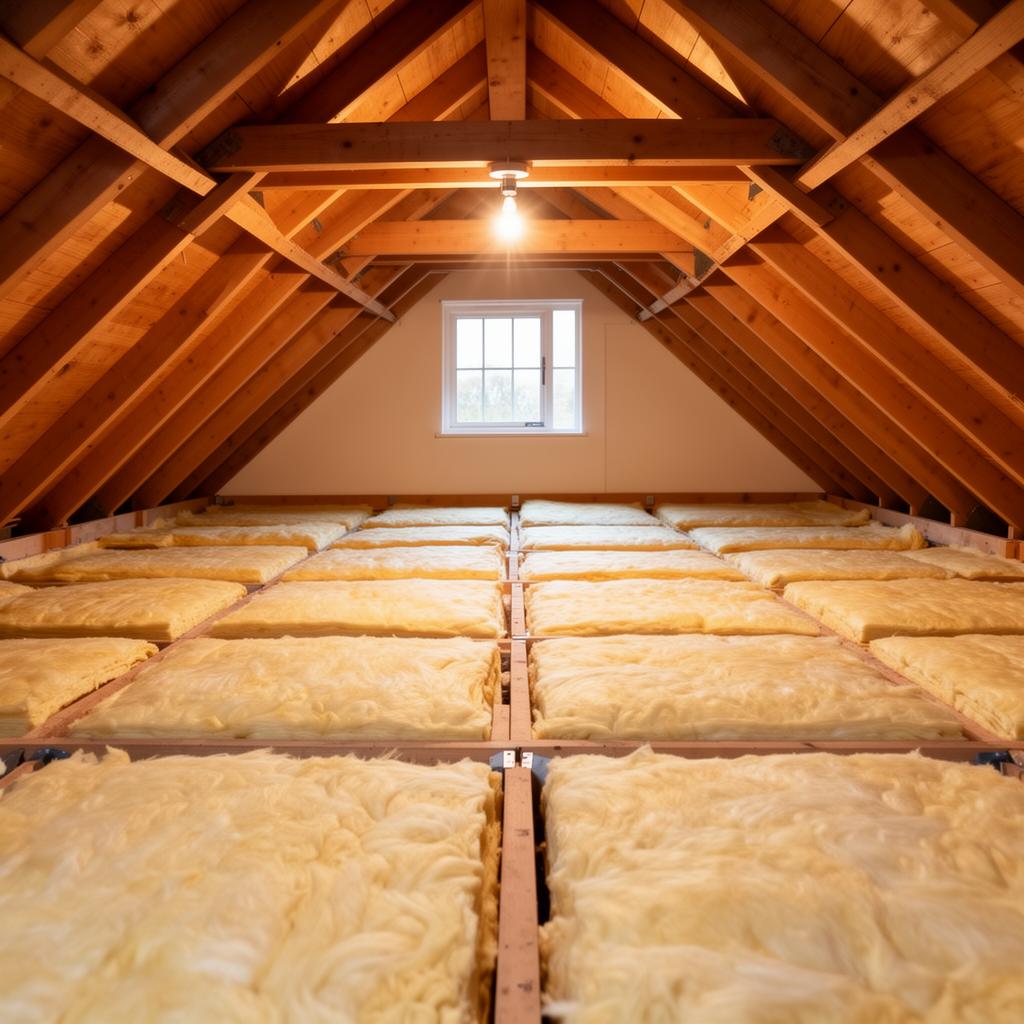
Update (June 2026): ECO4 closed to new applications in March 2026. GBIS closed on 31 March 2026. The Warm Homes: Local Grant is now the primary funding route for insulation — see our guide.
With energy bills remaining high, insulation grants 2026 UK programmes continue to be a lifeline for eligible homeowners. However, the landscape has changed. The Great British Insulation Scheme (GBIS) closed in March 2026, but the ECO4 scheme runs until December 2026, and the government’s Warm Homes Plan is beginning to take shape as the successor programme. This guide explains exactly which grants are available now, who qualifies, what measures are funded, and how to apply.
GBIS vs ECO4: Which Insulation Grant Can You Get?
| Great British Insulation Scheme (GBIS) | ECO4 | |
|---|---|---|
| Funding covers | Single insulation measures | Multiple measures per home |
| Eligibility | EPC D–G or on certain benefits | Low-income households on benefits or ECO Flex |
| Typical measures | Cavity wall, loft, underfloor | Insulation, heating, ventilation |
| Cost to homeowner | Usually free or heavily subsidised | Fully funded |
| EPC improvement target | None specified | Must raise EPC by 2+ bands |
| Deadline | March 2026 (extended to March 2028) | December 2026 |
Both schemes provide free or subsidised insulation, but they target different households. GBIS is broader and available to any home rated EPC D to G, even without means-tested benefits, making it the easier route for most homeowners. ECO4 offers more comprehensive upgrades including heating replacements but requires the household to receive qualifying benefits or be referred through the council’s ECO Flex pathway.
GBIS Has Closed: What Happened and What Replaces It
The Great British Insulation Scheme (GBIS), previously known as ECO+, launched in 2023 to provide insulation upgrades to homes in the least energy-efficient council tax bands (A to D in England and Scotland). It closed to new applications in March 2026 after energy suppliers met their obligations under the scheme.
GBIS was notable for being available to a wider group of homeowners than ECO4. You did not need to be on benefits to qualify; the scheme was targeted at properties based on their EPC rating and council tax band rather than the occupant’s income. However, with the scheme now closed, homeowners who missed it must look to ECO4 or the emerging Warm Homes Plan for support.
The government has announced the Warm Homes Plan as the overarching strategy for improving home energy efficiency from 2026 onwards. This plan incorporates multiple strands, including grants for insulation, heat pump support through the Boiler Upgrade Scheme, and local authority-led programmes. Full details of the Warm Homes Plan are expected to be confirmed in 2026, with delivery beginning from late 2026 into 2027.
ECO4: Still Running Until December 2026
The Energy Company Obligation 4 (ECO4) is the main insulation grant scheme currently accepting applications. It requires large energy suppliers to fund energy efficiency improvements in eligible households. ECO4 launched in April 2022 and runs until 31 December 2026.
ECO4 is a whole-house approach, meaning it aims to bring the property’s EPC rating up by at least two bands (or to band C, whichever comes first) through a package of measures rather than a single improvement.
Who qualifies for ECO4?
To qualify for ECO4 through the standard route, you must meet all three criteria:
- Your home must have an EPC rating of D, E, F, or G
- You must receive a qualifying benefit (see list below)
- You must be the homeowner or have landlord consent
The qualifying benefits for ECO4 include:
- Universal Credit
- Pension Credit (Guarantee Credit)
- Income-based Jobseeker’s Allowance
- Income-related Employment and Support Allowance
- Income Support
- Child Tax Credit (income below GBP 16,190)
- Working Tax Credit (income below GBP 16,190)
- Housing Benefit
- Warm Home Discount (Core Group)
ECO4 Local Authority Flex (LA Flex)
Even if you do not receive one of the qualifying benefits, you may still be eligible through the LA Flex pathway. Local authorities can refer households that they identify as living in fuel poverty or on a low income, even if they do not receive the specific benefits listed above.
LA Flex criteria vary by council but typically include:
- Household income below a certain threshold (often around GBP 31,000)
- Living in a property with EPC D or below
- Receiving council tax reduction
- Living in an area identified as having high levels of fuel poverty
- Having a health condition made worse by cold housing
Contact your local council’s energy efficiency team to find out whether you qualify under their LA Flex criteria.
What Insulation Measures Are Funded Under ECO4?
ECO4 funds a range of insulation measures as part of a whole-house upgrade plan. The specific measures offered depend on your property’s current EPC assessment and which improvements would deliver the biggest rating uplift.
| Insulation Measure | Funded Under ECO4 | Typical Value of Grant |
|---|---|---|
| Loft insulation (new or top-up) | Yes | GBP 300 to GBP 600 |
| Cavity wall insulation | Yes | GBP 500 to GBP 1,500 |
| Solid wall insulation (external) | Yes | GBP 8,000 to GBP 22,000 |
| Solid wall insulation (internal) | Yes | GBP 4,000 to GBP 14,000 |
| Room-in-roof insulation | Yes | GBP 2,000 to GBP 5,000 |
| Flat roof insulation | Yes | GBP 1,000 to GBP 3,000 |
| Under-floor insulation | Yes | GBP 500 to GBP 2,000 |
| Park home insulation | Yes | GBP 3,000 to GBP 8,000 |
In addition to insulation, ECO4 can fund heating system upgrades including boilers, heat pumps, and heating controls as part of the whole-house package. However, insulation must typically be installed first or alongside heating upgrades, reflecting the fabric-first approach.
How to Apply for ECO4 Insulation Grants
The application process for ECO4 works differently from most grant schemes because it is delivered by energy suppliers through their appointed installers, not directly by the government.
- Step 1: Check your eligibility using the criteria above or contact your local council’s energy team for LA Flex.
- Step 2: Find an ECO4-accredited installer. These are companies authorised by energy suppliers to carry out ECO4 work. You can search via the TrustMark register or contact your energy supplier directly.
- Step 3: The installer will arrange a home assessment, including an EPC if you do not already have one, to determine which measures qualify.
- Step 4: The installer submits the application to the energy supplier on your behalf. If approved, the work is scheduled.
- Step 5: Installation is carried out at no cost to you (in most cases). Some complex measures may involve a small co-payment depending on the energy supplier’s terms.
The entire process from initial enquiry to completed installation typically takes four to twelve weeks, though this varies by area and demand.
The Warm Homes Plan: What Is Coming Next?
The government’s Warm Homes Plan is intended to succeed both ECO4 and GBIS as the main framework for home energy efficiency improvements from 2026 onwards. While full programme details are still being finalised, the key elements announced so far include:
- Warm Homes Local Grant: Delivered through local authorities, targeting fuel-poor households with insulation and heating upgrades funded at up to GBP 15,000 per household.
- Warm Homes Social Housing Fund: Continuing the Social Housing Decarbonisation Fund to upgrade social housing to EPC C.
- Boiler Upgrade Scheme (BUS) extension: Grants of GBP 7,500 for heat pumps continue alongside the insulation programmes.
- Potential new ECO successor: A new energy company obligation is expected to replace ECO4 when it ends in December 2026, though the design and scope are subject to consultation.
Homeowners who do not qualify for ECO4 but have EPC D-rated properties should keep an eye on the Warm Homes Local Grant, which may have broader eligibility criteria than ECO4.
Other Insulation Funding Sources in 2026
Beyond ECO4 and the Warm Homes Plan, several other funding sources may help with insulation costs.
- Local authority grants: Many councils run their own energy efficiency grant programmes, often funded through the Home Upgrade Grant (HUG) scheme. Check your council’s website or phone their housing team.
- Wales: Nest scheme: Welsh Government’s Nest programme provides free energy efficiency improvements to eligible households in Wales.
- Scotland: Warmer Homes Scotland: Provides free insulation and heating improvements to homeowners and private tenants who receive qualifying benefits.
- Northern Ireland: Affordable Warmth Scheme: Provides grants for insulation and heating to low-income households.
- Energy supplier offers: Some energy suppliers offer discounted or free insulation outside of ECO4, particularly loft and cavity wall insulation, as part of their customer retention or corporate social responsibility programmes.
What If You Do Not Qualify for Any Grant?
If your income is above the ECO4 thresholds and your property does not qualify for other schemes, self-funding insulation improvements still delivers excellent returns. The payback periods for common insulation measures are among the shortest of any home improvement:
- Loft insulation: GBP 300 to GBP 600 with payback in 1 to 2 years
- Cavity wall insulation: GBP 500 to GBP 1,500 with payback in 2 to 4 years
- Draught-proofing: GBP 100 to GBP 300 with payback in under 1 year
Some local authorities and Green Finance providers offer interest-free or low-interest loans for energy efficiency improvements, which can spread the upfront cost while you benefit from reduced energy bills from day one.
To check your eligibility for available grants or get a quote for self-funded insulation, request a free assessment from our team.
Frequently Asked Questions About Insulation Grants 2026
Is the Great British Insulation Scheme still running?
No. GBIS closed to new applications in March 2026. If you applied before the deadline and were accepted, your installation may still proceed. For new applications, ECO4 is the main remaining scheme, running until December 2026.
Can private landlords get ECO4 grants for rental properties?
Yes, provided the tenant qualifies based on their benefits or the property qualifies through LA Flex. The landlord must give consent for the work and cannot charge the tenant. Landlords should be aware that ECO4 measures are designed to benefit the occupant, so the tenant must be in receipt of qualifying benefits or be referred through LA Flex.
Do I need an EPC to apply for ECO4?
Yes, an EPC assessment is required to verify that your property is rated D, E, F, or G. If you do not have a current EPC, the ECO4 installer will typically arrange one as part of the application process at no cost to you. The EPC is valid for 10 years.
Can I get free loft insulation in 2026?
Yes, if you qualify for ECO4 through benefits or LA Flex, loft insulation can be installed at no cost. If you do not qualify, DIY loft insulation costs as little as GBP 200 to GBP 400 for materials, making it one of the most affordable and highest-return home improvements available.
What happens after ECO4 ends in December 2026?
The government is expected to announce a successor scheme, likely as part of the Warm Homes Plan. Details are not yet confirmed, but it is anticipated that energy suppliers will continue to have obligations to fund energy efficiency improvements in qualifying homes. If you are eligible for ECO4, applying before December 2026 ensures you benefit from the current scheme rather than waiting for an uncertain successor.
See what these numbers mean for your home
Free instant estimate — costs, savings, payback and grants for your region.

Related Articles
Heat Pump Grant Rises to £9,000 for Oil and LPG Homes From 21 July 2026
The standard Boiler Upgrade Scheme grant stays at £7,500. From 21 July 2026 to 31 March 2027, homes currently heated by oil or LPG get an increased £9,000 grant. Corrected…
10 June 2026
The Warm Homes Plan 2026: What Every UK Homeowner Needs to Know
The UK government’s Warm Homes Plan is the biggest energy efficiency programme in British history. Launched in January 2026 with up to £15 billion in funding, it aims to upgrade…
5 June 2026
ECO4 Scheme 2026: Who Qualifies, What’s Covered and How to Apply
The ECO4 scheme runs until December 2026, offering fully funded insulation and heating upgrades for eligible UK households. Find out if you qualify through benefits or the ECO4 Flex route,…
11 May 2026