The Warm Homes Plan 2026: What Every UK Homeowner Needs to Know
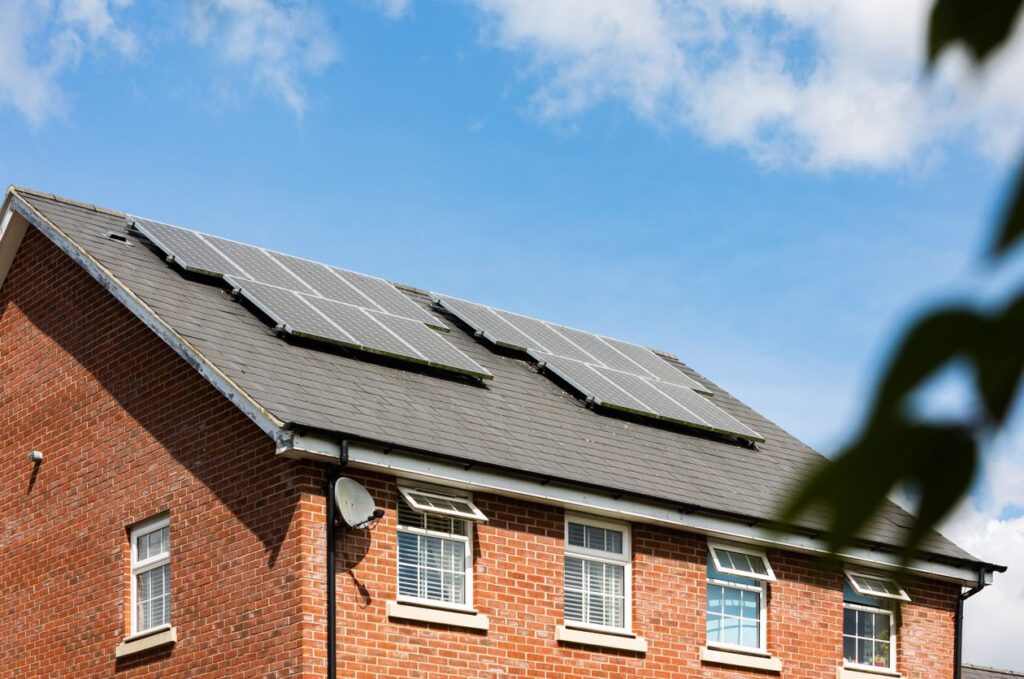
The UK government’s Warm Homes Plan is the biggest energy efficiency programme in British history. Launched in January 2026 with up to £15 billion in funding, it aims to upgrade five million homes by 2030. But what does this actually mean for you as a homeowner, and how do you take advantage of it?
We have broken down every element of the Warm Homes Plan, from eligibility criteria to the specific grants available, so you can work out exactly what support you qualify for and how to claim it.
What Is the Warm Homes Plan?
The Warm Homes Plan is an umbrella programme that brings together several existing and new schemes under one roof. Its core goal is simple: make UK homes warmer, cheaper to run, and greener. The plan covers insulation, heat pumps, solar panels, smart heating controls, and more.
The headline number is £15 billion over the programme’s lifetime. That funding flows through multiple channels, each targeting different types of homeowners and different types of improvements.

Warm Homes: Local Grant
The biggest new element is the Warm Homes: Local Grant. This scheme could benefit more than 15 million eligible properties across England, providing free energy upgrades including wall and loft insulation, air source heat pumps, solar panels, and smart heating controls.
To qualify, your property needs an EPC rating of D, E, F, or G, and your total household income must be £36,000 or below. Alternatively, if you receive qualifying benefits such as Universal Credit, Pension Credit, or Child Tax Credits, you are automatically eligible regardless of income.
The upgrades may be fully or partly funded for eligible households (means-, EPC- and postcode-tested; most homeowners will not qualify). The government funds the work directly through local authority delivery partners.
Boiler Upgrade Scheme: £7,500 for Heat Pumps
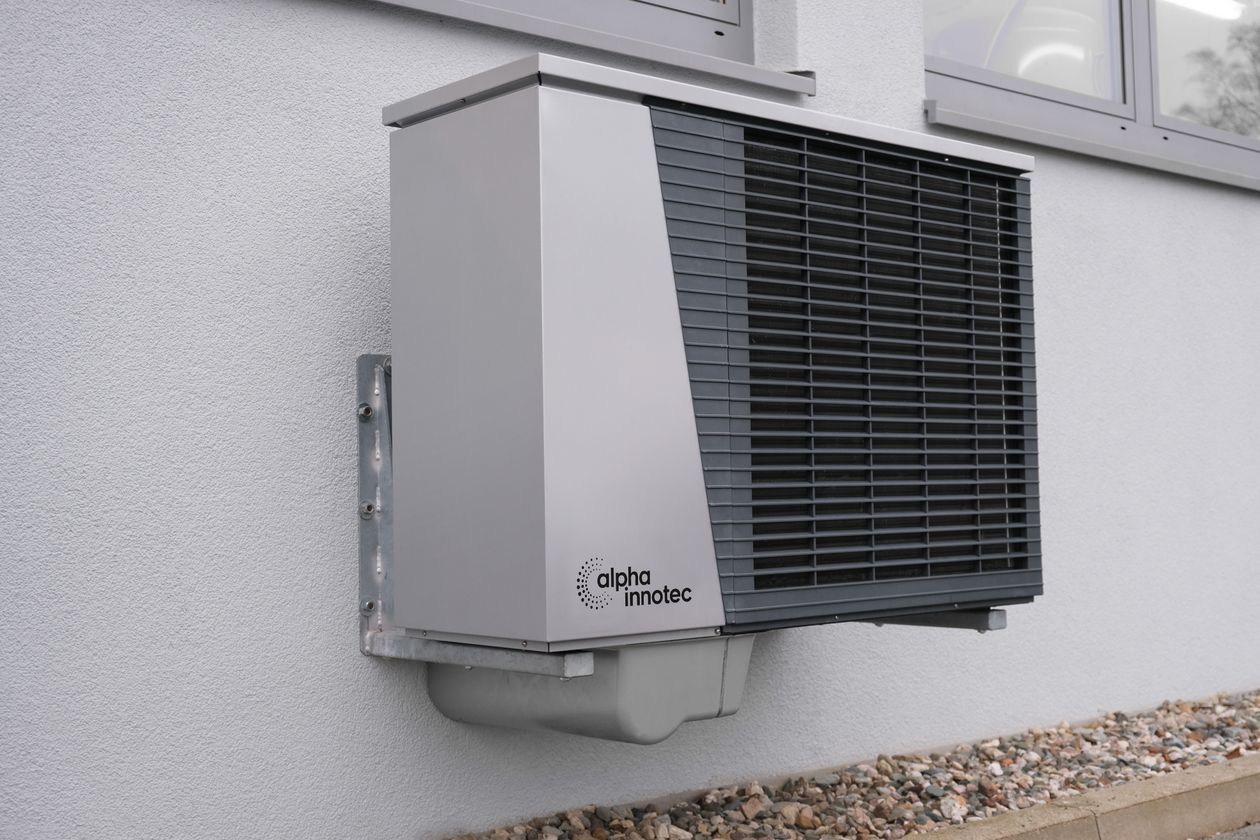
The Boiler Upgrade Scheme (BUS) remains one of the most generous grants available. It offers £7,500 (rising to £9,000 from July 2026) towards the cost of an air source or ground source heat pump, and it is open to any homeowner in England or Wales with no income test or benefits requirement.
New for 2026/27, the scheme also includes £2,500 grants for heat batteries, which store excess energy from heat pumps for use during peak demand periods. The BUS is confirmed to run until March 2030.
Given that a typical air source heat pump installation costs between £10,000 and £13,000 before grants, the £7,500 BUS grant can cover more than half the total cost for many homeowners.
Zero-Rate VAT on Renewables
Until March 2027, all energy efficiency improvements carry 0% VAT. This applies to solar panels, battery storage systems, heat pumps, and insulation. On a typical solar installation costing £8,000, that represents a saving of around £1,600 compared to the standard 20% rate.

ECO4: Support for Low-Income Households
The Energy Company Obligation (ECO4) scheme requires large energy suppliers to fund insulation and heating improvements for eligible low-income households. ECO4 closed to new applications in March 2026. Approved installations continue through December 2026.
ECO4 typically covers cavity wall insulation, loft insulation, solid wall insulation, and in some cases, first-time central heating systems. Your energy supplier or a local installer approved under the scheme can check your eligibility.
Warm Homes Fund: Interest-Free Loans
For homeowners who do not qualify for grants, the Warm Homes Fund is expected to offer low-interest and zero-interest loans for energy improvements (this scheme is not yet launched). Unlike the Local Grant, these loans are intended to be available regardless of income level.
The government has not yet announced the launch date for these loans, with more details expected later in 2026. We will update this article as soon as the scheme opens.
How to Apply
The first step for any grant application is getting an up-to-date Energy Performance Certificate (EPC) for your property. If your current EPC is more than ten years old or your home has changed significantly, you should arrange a new assessment.
For the Warm Homes: Local Grant, applications are managed through your local authority. Check your council’s website for the application process in your area.
For the Boiler Upgrade Scheme, you need to get a quote from an MCS-certified installer, who will apply for the grant on your behalf. The £7,500 is deducted directly from your invoice.
The Bottom Line
The Warm Homes Plan represents a genuine step change in government support for home energy improvements. Whether you qualify for free upgrades through the Local Grant, a £7,500 heat pump subsidy through the BUS, or zero-rate VAT on a solar installation, there has never been a better time to invest in making your home more energy efficient.
With ECO4 closing at the end of 2026 and the VAT relief due to expire in March 2027, acting sooner rather than later will ensure you benefit from the maximum available support.
See what these numbers mean for your home
Free instant estimate — costs, savings, payback and grants for your region.

Related Articles
Heat Pump Grant Rises to £9,000 From 1 July 2026: What It Means For You
From 1 July 2026 the Boiler Upgrade Scheme rises from £7,500 to £9,000 for air and ground source heat pumps. Timing your installation could be worth £1,500.
10 June 2026
ECO4 Scheme 2026: Who Qualifies, What’s Covered and How to Apply
The ECO4 scheme runs until December 2026, offering fully funded insulation and heating upgrades for eligible UK households. Find out if you qualify through benefits or the ECO4 Flex route,…
11 May 2026
Boiler Upgrade Scheme 2026: What Changed in April and How to Claim
The Boiler Upgrade Scheme 2026 has undergone its biggest overhaul yet. With the EPC requirement scrapped, air-to-air heat pumps now eligible, and a boosted £400M budget, here is everything you…
5 May 2026