Do Solar Panels Work During a Power Cut and How to Get Backup Power
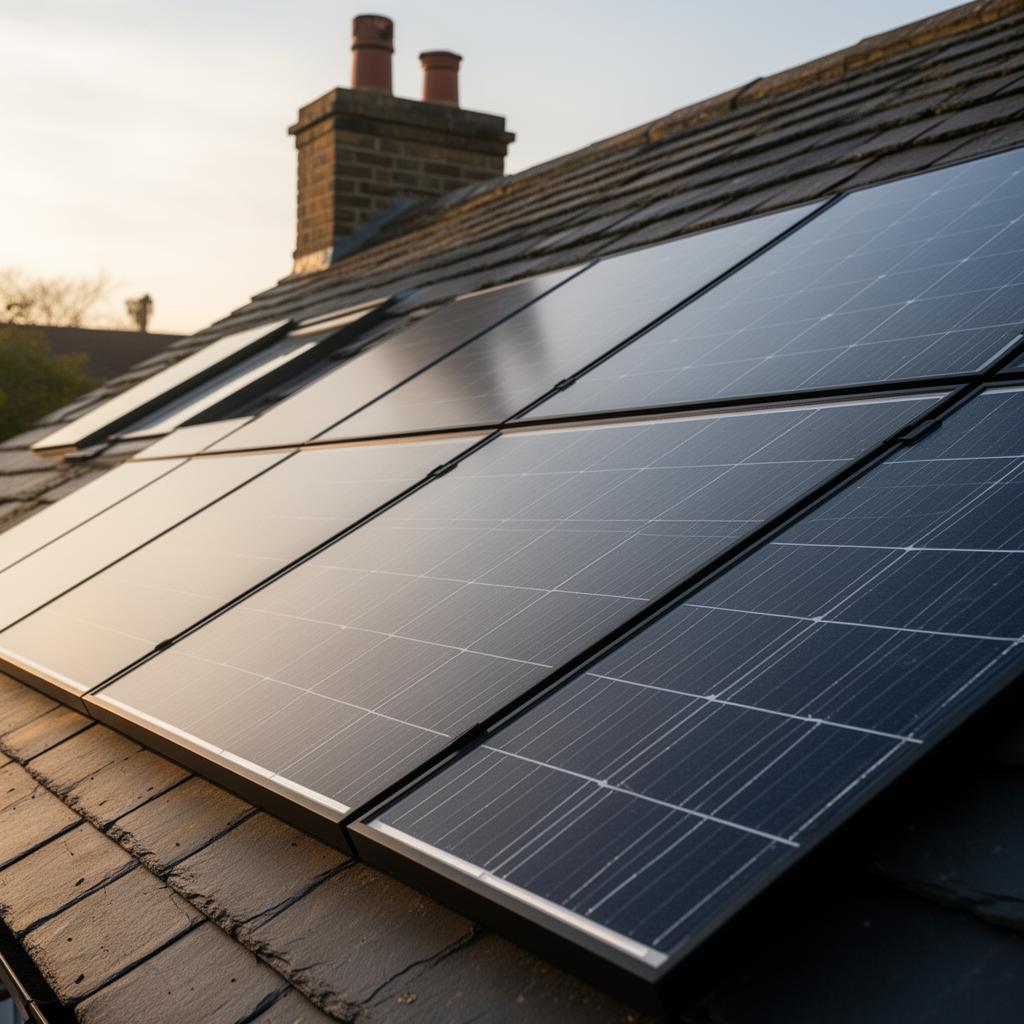
The question of whether solar panels power cut protection is possible catches many UK homeowners by surprise. You have invested thousands of pounds in solar panels, the sun is shining and yet when the grid goes down, your lights go out just like everyone else’s. It seems counterintuitive, but there is a very good reason why standard solar systems shut down during power cuts, and a straightforward solution if you want backup power.
Do Solar Panels Work During a Power Cut?
No, standard grid-tied solar panels shut down automatically during a power cut. This is a safety requirement to prevent your system from feeding electricity back into the grid while engineers are working on the lines. To keep power running during an outage, you need either a hybrid inverter with an Emergency Power Supply (EPS) function or a battery system with off-grid backup capability.
Systems with backup capability — such as the GivEnergy All-in-One, Tesla Powerwall or SolarEdge with backup interface — can isolate your home from the grid and continue supplying power from your battery and solar panels. An EPS socket provides limited power (typically 3 to 5 kW) for essentials like lighting, the fridge and your broadband router. Full whole-home backup requires a larger battery and a more complex installation, adding £1,000 to £3,000 to the system cost.
This guide explains why solar panels stop working during outages, how battery backup solves the problem and what it costs to add emergency power capability to your UK solar installation.
Why Solar Panels Stop Working During a Power Cut
When the national grid goes down, your solar inverter is designed to shut off automatically within milliseconds. This is not a fault or a limitation of your system. It is a safety requirement called anti-islanding protection, mandated by the Engineering Recommendation G98 that governs all grid-connected generation in the UK.
The reason is simple: when engineers are working to repair a fallen power line or faulty transformer, they need to know that the wires are dead. If your solar panels were still feeding electricity into the local grid, they could electrocute a linesman who believes the circuit is safely isolated.
Anti-islanding protection monitors the grid connection and detects when the grid voltage or frequency falls outside normal parameters. When a grid outage is detected, the inverter disconnects from the grid and stops converting DC power from your panels to AC. Your panels continue generating DC electricity in sunlight, but with nowhere for it to go, the system sits idle until the grid returns.
This is a universal requirement for all grid-connected solar panel systems in the UK, regardless of brand, size or installer.
How a Battery Provides Backup Power During Outages
A home battery with an Emergency Power Supply (EPS) relay solves the power cut problem by creating a self-contained electrical island within your home, completely disconnected from the grid.
When the EPS system detects a grid outage, it takes the following steps in rapid sequence:
- Step 1: the inverter disconnects from the grid (anti-islanding compliance)
- Step 2: the EPS relay physically isolates your home’s electrical circuits from the grid connection
- Step 3: the battery inverter creates its own AC supply for your home circuits
- Step 4: if the sun is shining, the solar panels resume generating and can charge the battery while also powering your home
This switchover typically takes 10 to 20 seconds, during which your home is briefly without power. Some sensitive electronics like computers may need to be restarted, but the interruption is short enough that refrigerators and freezers are unaffected.
Whole-Home Backup vs Essential Circuits: What Is the Difference?
Not all battery backup systems protect your entire home. The level of backup depends on your battery’s power output and how the EPS relay is wired.
Essential Circuits Backup
Most mid-range batteries like the GivEnergy 9.5 or SolaX T58 support essential circuits backup only. This means the EPS relay is connected to a sub-panel containing only your most important circuits, typically:
- Lighting circuits
- Refrigerator and freezer sockets
- Internet router and phone charger sockets
- Central heating controls (if gas or oil boiler)
High-power circuits like electric showers, ovens, hobs and immersion heaters are excluded because they would drain the battery too quickly or exceed the inverter’s continuous output rating.
Essential circuits backup is suitable for typical UK power cuts lasting a few hours. A 10 kWh battery powering essential circuits can last 20 to 30 hours, easily covering most outages.
Whole-Home Backup
The Tesla Powerwall 3 and a few other high-output batteries support whole-home backup. With an 11.04 kW continuous output, the Powerwall 3 can power virtually every circuit in a typical UK home simultaneously, including heavy loads like electric showers and induction hobs.
Whole-home backup requires a different wiring approach: the EPS relay sits between the meter and the consumer unit, isolating the entire home from the grid rather than just a sub-panel. This is more expensive to install but means you do not need to decide in advance which circuits to protect.
With whole-home backup, a fully charged 13.5 kWh Powerwall 3 can keep a typical three-bed home running for 10 to 15 hours including normal appliance use, or over 24 hours if you limit usage to essentials.
Battery Backup Costs for UK Solar Systems
If you already have a solar panel system and want to add backup capability, here is what it typically costs.
| Backup Option | Hardware Cost | Installation Cost | Total |
|---|---|---|---|
| EPS relay only (existing battery) | 200 – 400 pounds | 300 – 500 pounds | 500 – 900 pounds |
| New battery + EPS (essential circuits) | 4,000 – 5,500 pounds | 1,000 – 1,500 pounds | 5,000 – 7,000 pounds |
| Tesla Powerwall 3 (whole-home) | 5,500 – 6,500 pounds | 1,500 – 2,500 pounds | 7,000 – 9,000 pounds |
If your existing battery already has EPS capability but it was not wired in during the original installation, adding the relay and sub-panel costs 500 to 900 pounds. This is a common retrofit for homeowners who initially opted out of backup wiring to save costs.
How Long Will a Battery Last During a Power Cut?
Battery runtime during an outage depends on the battery capacity, the load you are running and whether your solar panels can contribute during daylight hours.
| Battery Capacity | Essential Circuits Only | Whole-Home (moderate use) |
|---|---|---|
| 5 kWh | 10 – 15 hours | 3 – 5 hours |
| 10 kWh | 20 – 30 hours | 7 – 10 hours |
| 13.5 kWh (Powerwall 3) | 30+ hours | 10 – 15 hours |
These estimates assume the battery is fully charged when the outage begins. During daylight hours, your solar panels will continue generating and feeding the battery, potentially extending runtime indefinitely on a sunny day. Storm Watch features on Tesla Powerwall and similar systems automatically charge the battery to 100% when severe weather is forecast, maximising your backup reserve.
Which Batteries Offer Backup Power in the UK?
| Battery | Backup Type | Switchover Time | Max Backup Output |
|---|---|---|---|
| Tesla Powerwall 3 | Whole-home | Less than 20 ms | 11.04 kW |
| GivEnergy (with EPS) | Essential circuits | 10-20 seconds | 3.6 kW |
| Alpha Smile G3 | Essential circuits | 10-20 seconds | 6 kW |
| SolaX (with EPS) | Essential circuits | 10-20 seconds | 3 kW |
| FoxESS (with EPS) | Essential circuits | 10-20 seconds | 5.2 kW |
| Sunsynk | Essential circuits | 10-20 seconds | 5 kW |
The Tesla Powerwall 3 stands alone in offering true whole-home backup with a near-instantaneous switchover. All other mainstream batteries support essential circuits only and have a noticeable 10-20 second switchover gap.
Is Battery Backup Worth It for UK Homes?
UK power cuts are relatively infrequent and usually short, averaging 40 to 50 minutes per year according to Ofgem data. For most urban and suburban homes, the practical impact of power cuts is minimal, making battery backup more of a convenience than a necessity.
However, backup becomes more valuable in specific circumstances:
- Rural properties: areas with overhead power lines experience more frequent and longer outages, sometimes lasting several hours during storms
- Medical equipment: if anyone in your household depends on powered medical equipment, battery backup provides critical resilience
- Home working: if a power cut means losing internet connectivity and work income, the backup cost is easily justified
- Electric heating: homes with heat pumps or electric-only heating lose all warmth during a power cut. A battery keeps the heating running
- Climate change: severe weather events are becoming more frequent, and UK power infrastructure is ageing. Outage frequency may increase in coming decades
If you are installing a battery primarily for tariff arbitrage and solar self-consumption savings, adding EPS backup costs a relatively modest 500 to 900 pounds extra. For that price, it is worth considering as a useful secondary benefit rather than a primary justification for the battery.
To explore battery and backup options, get a free quote from local MCS-certified installers.
Frequently Asked Questions
Can solar panels alone power my home during a power cut?
No. Standard grid-connected solar panels must shut down during a grid outage for safety reasons. You need a battery with an EPS relay to use solar-generated electricity during a power cut. The battery creates an isolated electrical island that allows the panels to resume generating safely.
How long does the switchover take during a power cut?
Most battery EPS systems switch over in 10 to 20 seconds. The Tesla Powerwall 3 is significantly faster at under 20 milliseconds, which is quick enough that most electronics do not notice the interruption. Standard EPS systems will cause a brief blackout during the switchover, which resets clocks and may require restarting computers.
Can I add backup power to my existing solar system?
Yes. If you already have a hybrid inverter and battery, adding an EPS relay costs approximately 500 to 900 pounds. If you have solar panels but no battery, you will need to install a battery with EPS capability, typically costing 5,000 to 7,000 pounds for essential circuits backup.
Will my battery drain during a long power cut at night?
Yes, the battery will gradually drain overnight if there is no solar generation. A 10 kWh battery running essential circuits typically lasts 20 to 30 hours, so a single overnight outage is well within capacity. During a multi-day outage, your solar panels will recharge the battery each day, providing a sustainable cycle of overnight power followed by daytime recharging.
Does battery backup work if my solar panels are covered in snow?
The battery itself works regardless of solar generation. If your panels are covered in snow, the battery provides backup power from whatever charge it held before the outage. Storm Watch features on some batteries pre-charge to 100% when severe weather is forecast, ensuring maximum backup reserve even if snow prevents further solar charging.
See what these numbers mean for your home
Free instant estimate — costs, savings, payback and grants for your region.

Related Articles
Is Solar Battery Storage Worth It in 2026?
Solar panels are now a common sight on UK rooftops, but the real game-changer in 2026 is battery storage. A home battery lets you store the electricity your panels generate…
2 June 2026
Why Spring Is the Perfect Time to Install Solar Panels
If you have been thinking about solar panels for a while but never quite pulled the trigger, spring is the moment to act. The combination of lengthening days, mild installation…
23 April 2026
How the Energy Price Cap Affects Heat Pump and Solar Panel Payback
See how the energy price cap affects heat pump and solar panel payback periods. Real calculations using current UK unit rates show why investing now locks in stronger returns.
15 April 2026