How Much Does a New Boiler Cost in 2026? Full UK Price Guide
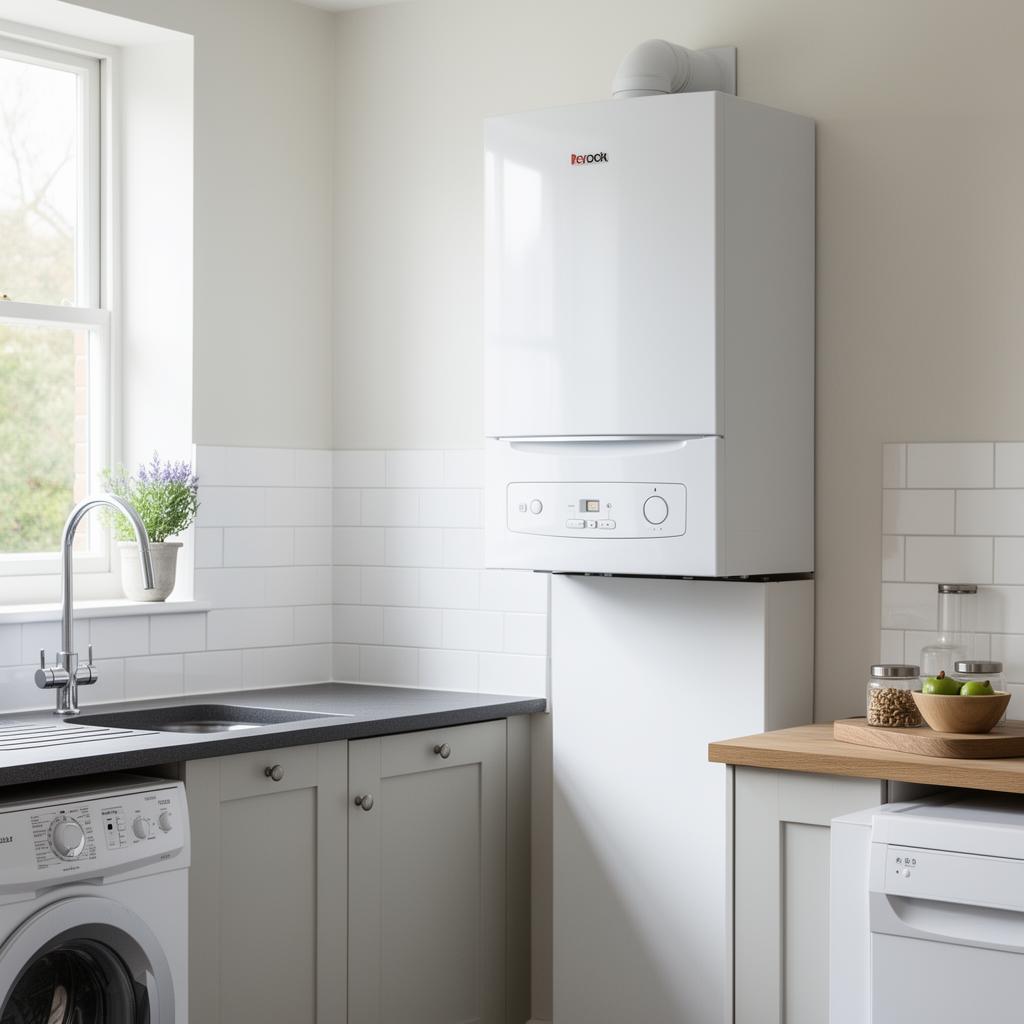
The new boiler cost UK 2026 ranges from £1,800 to £5,500 including installation, depending on the boiler type, brand, complexity of the job and where you live. A boiler is one of the most expensive items you will buy for your home, so understanding what drives the price helps you budget accurately, avoid overpaying and choose the right system. This guide breaks down every cost element from the unit itself to the labour, regional price variations and the factors that can push your bill higher or lower.
How Much Does a New Boiler Cost in the UK in 2026?
A new boiler costs between £1,800 and £5,500 fully installed in the UK in 2026. The price depends on the boiler type, brand, installation complexity and your location. A standard combi boiler replacement costs £1,800 to £4,500, while system and regular boilers range from £2,000 to £5,500 including fitting.
| Boiler Type | Budget | Mid-Range | Premium |
|---|---|---|---|
| Combi | £1,800 | £2,800 | £4,500 |
| System | £2,500 | £3,500 | £5,500 |
| Regular | £2,000 | £3,000 | £5,000 |
New Boiler Cost Summary: Combi, System and Regular
Here is what you can expect to pay for a fully installed boiler in 2026, including the unit, installation labour, parts and VAT:
| Boiler Type | Budget Range | Mid-Range | Premium Range |
|---|---|---|---|
| Combi boiler | £1,800 – £2,500 | £2,500 – £3,500 | £3,500 – £4,500 |
| System boiler | £2,500 – £3,500 | £3,500 – £4,500 | £4,500 – £5,500 |
| Regular (heat-only) boiler | £2,000 – £3,000 | £3,000 – £4,000 | £4,000 – £5,000 |
These prices assume a straightforward like-for-like replacement where the new boiler goes in the same location as the old one. Moving the boiler to a different room, converting from a regular to a combi, or dealing with complex pipework will add to the cost.
Boiler Unit Prices by Brand
The boiler unit itself typically accounts for 40% to 60% of the total installed price. Here are the approximate supply-only costs for the most popular UK brands in 2026:
| Brand | Combi (Supply Only) | System (Supply Only) | Warranty | Market Position |
|---|---|---|---|---|
| Worcester Bosch | £900 – £1,800 | £1,000 – £2,000 | Up to 12 years | Premium |
| Vaillant | £850 – £1,700 | £950 – £1,900 | Up to 10 years | Premium |
| Viessmann | £900 – £1,600 | £1,000 – £1,800 | Up to 12 years | Premium |
| Ideal | £650 – £1,200 | £750 – £1,400 | Up to 12 years | Mid-range |
| Baxi | £600 – £1,100 | £700 – £1,300 | Up to 10 years | Mid-range |
| Glow-worm | £550 – £900 | £650 – £1,100 | Up to 7 years | Budget-friendly |
| Vokera | £500 – £850 | £600 – £1,000 | Up to 7 years | Budget-friendly |
The warranty length is an important consideration. A boiler with a 10 or 12-year warranty from a reputable brand provides peace of mind that offsets the higher upfront cost. Over a decade, the difference between a £600 budget boiler and a £1,200 premium model is just £60 per year, less than the cost of a single repair callout.
Installation Labour Costs
Labour typically accounts for 40% to 50% of the total installed price. A Gas Safe registered engineer charges between £250 and £500 per day depending on location and experience. The time required depends on the complexity of the job:
| Job Type | Typical Duration | Labour Cost |
|---|---|---|
| Like-for-like combi replacement | 1 day | £300 – £500 |
| Like-for-like system boiler replacement | 1 – 1.5 days | £400 – £650 |
| Like-for-like regular boiler replacement | 1 day | £300 – £500 |
| Regular to combi conversion | 1.5 – 2 days | £500 – £900 |
| Boiler relocation to different room | 2 – 3 days | £700 – £1,200 |
| Back boiler removal and combi installation | 2 – 3 days | £800 – £1,500 |
These labour costs include the engineer’s time for installation, testing, commissioning, completing Gas Safe notification and clearing up. They do not include additional materials such as new pipework, a magnetic filter or a flue extension.
Additional Costs That Push the Price Up
Several factors can increase the total cost beyond the base price:
Flue changes: If the new boiler requires a different flue route (for example, through a wall instead of vertically through the roof), a new flue costs £80 to £250. Extended flue runs or flues through thicker walls cost more.
Gas pipe upgrade: Older homes may have undersized gas pipes that need upgrading to supply a modern boiler. A new gas pipe run from the meter to the boiler typically costs £200 to £500.
System flush: A chemical or power flush to clean the existing radiator system of sludge and debris is strongly recommended when fitting a new boiler. Most manufacturers require it to validate the warranty. A power flush costs £300 to £600 depending on the number of radiators.
Magnetic filter: A magnetic filter (such as a MagnaClean) traps iron oxide sludge before it can damage the new boiler. Most installers include one as standard, but if not, expect to pay £80 to £150.
New controls: A new programmer, room thermostat and thermostatic radiator valves (TRVs) may be needed or recommended. A basic wired thermostat costs £80 to £150 installed. A smart thermostat (Nest, Hive, tado) costs £150 to £300 installed.
Condensate pipe: Modern condensing boilers produce acidic condensate that must be drained. If the boiler is located far from an internal drain, a new condensate pipe run costs £50 to £200. External condensate pipes must be insulated to prevent freezing.
Asbestos removal: Older boiler cupboards may contain asbestos in the flue pipe or surrounding materials. Licensed asbestos removal costs £200 to £500 and is legally required before work can proceed.
Scaffolding: If the flue exits at height and scaffolding is needed for safe access, expect to pay £300 to £600 for scaffold hire.
Regional Price Differences Across the UK
Boiler installation costs vary by region, primarily driven by differences in labour rates:
| Region | Typical Installed Cost (Mid-Range Combi) | Compared to National Average |
|---|---|---|
| London and South East | £3,200 – £4,200 | +15% to +25% |
| South West | £2,800 – £3,600 | +5% to +10% |
| Midlands | £2,500 – £3,300 | Average |
| North West | £2,400 – £3,200 | -5% to average |
| North East | £2,300 – £3,000 | -5% to -10% |
| Yorkshire | £2,400 – £3,200 | -5% to average |
| Scotland | £2,500 – £3,400 | Average to +5% |
| Wales | £2,400 – £3,200 | -5% to average |
| Northern Ireland | £2,300 – £3,100 | -5% to -10% |
London is consistently the most expensive area due to higher labour rates, parking and congestion charges for engineers, and higher operating costs for installation businesses. Rural areas can also be more expensive if engineers need to travel significant distances.
How to Save Money on a New Boiler
Several strategies can reduce the cost of a new boiler:
- Get three quotes: Prices vary significantly between installers. Getting at least three written quotes ensures you are not overpaying. Our free quote service makes this easy
- Choose mid-range, not premium: A mid-range boiler from a reputable brand like Ideal or Baxi delivers excellent performance at a lower price than premium brands, with similar warranty lengths
- Keep the same location: Moving the boiler to a different room adds £500 to £1,200 in extra labour and materials
- Check grant eligibility: If you are on qualifying benefits, ECO4 or the Warm Homes Plan may fund a full boiler replacement at no cost
- Consider a heat pump: With the £7,500 BUS grant and 0% VAT, a heat pump can cost less than a gas boiler after the grant while providing lower running costs
- Time your purchase: Spring and summer are quieter periods for heating engineers. You may find lower prices and faster availability compared to the autumn rush
- Finance options: Many installers offer 0% finance over 12 to 24 months, spreading the cost without interest charges
Should You Repair or Replace Your Boiler?
If your boiler has broken down, the repair-or-replace decision depends on the boiler’s age, the cost of repair and its efficiency rating:
- Under 8 years old: Repair is usually worthwhile unless the cost exceeds £500 or the repair is to a major component like the heat exchanger
- 8 to 12 years old: Assess on a case-by-case basis. If the boiler has been reliable and the repair is under £400, repair may be sensible. For a major repair, replacement is likely better value
- Over 12 years old: Replace. The boiler is nearing end of life, efficiency has likely degraded, and parts may become difficult to source. A modern replacement will be significantly more efficient
- Non-condensing boiler (any age): Replace. Non-condensing boilers run at around 75% efficiency compared to 92% or more for a modern condensing model. The fuel savings alone can justify replacement
Replacing an old G-rated boiler with a modern A-rated condensing boiler saves approximately £200 to £350 per year in gas costs for a typical three-bedroom home. Over 10 years, that is £2,000 to £3,500 in savings, often enough to cover the cost of the replacement.
New Boiler Cost vs Heat Pump Cost in 2026
With the BUS grant and 0% VAT, it is worth comparing boiler and heat pump costs before making a decision:
| Option | Typical Cost | Grant | Your Cost | Annual Running Cost |
|---|---|---|---|---|
| Mid-range combi boiler | £2,800 | None | £2,800 | £850 – £1,100 |
| Air source heat pump | £10,000 – £14,000 | £7,500 BUS | £2,500 – £6,500 | £500 – £900 |
After the BUS grant, the cost difference between a new boiler and a heat pump has narrowed dramatically. For a well-insulated home, the heat pump’s lower running costs close the gap within a few years. The heat pump also adds more to your property value and future-proofs your home against potential gas boiler restrictions.
Frequently Asked Questions About New Boiler Costs
How long does it take to install a new boiler?
A straightforward like-for-like combi replacement takes one day, typically 6 to 8 hours. Converting from a regular to a combi takes 1.5 to 2 days. Moving a boiler to a new location takes 2 to 3 days. Your installer should confirm the expected duration in the quote. Most installations are completed without requiring you to vacate the property, though you will be without heating and hot water during the work.
Is it cheaper to buy the boiler myself and pay an engineer for labour only?
In theory, buying the boiler directly from a wholesaler can be cheaper than the markup applied by an installer. However, most boiler manufacturers only validate extended warranties when the boiler is supplied and installed by an approved installer. If you buy the boiler separately, you may only receive a basic 2-year manufacturer warranty instead of the 10 to 12-year warranty available through an approved installer. The warranty value almost always outweighs the modest saving on the supply price.
Do I need to inform my energy supplier when I replace my boiler?
No. Your gas supply is not affected by a boiler replacement. Your Gas Safe engineer will register the installation with the local building control body (typically through the Gas Safe notification scheme), which is a legal requirement. You do not need to contact your gas supplier, though you may want to update your home insurance to reflect the new boiler.
Can I get a grant towards a new gas boiler?
Yes, if you are on qualifying benefits. ECO4 and the Warm Homes Plan can fund boiler replacements for low-income households. The Boiler Upgrade Scheme only covers heat pumps, not gas boilers. For most homeowners not on benefits, a new gas boiler is self-funded, though 0% finance deals are widely available from installers. Request a free quote to check what funding may be available for your replacement.
Will gas boilers be banned in the UK?
New gas boilers will not be banned from existing homes in the near future. The government’s current position is that from 2035, no new gas boilers will be installed in new-build homes (this date has been pushed back from 2025). For existing homes, there is no confirmed ban date, though the direction of policy is clearly towards electrification of heating. If you install a gas boiler today, it will serve you for its 10 to 15 year lifespan without any regulatory issues. However, a heat pump offers greater long-term certainty if you want to future-proof your home.
See what these numbers mean for your home
Free instant estimate — costs, savings, payback and grants for your region.

Related Articles
7 Quick Wins to Cut Your Energy Bills This Summer
Summer might seem like the wrong time to think about energy bills, but it is actually when the smartest homeowners make changes. Lower heating demand means more of your spending…
22 May 2026
The Best Time of Year to Replace Your Boiler (and How to Get the Best Price)
Find out why summer is the best time to replace your boiler in the UK, how to negotiate better prices and what to check before committing to an installation.
9 May 2026
Electric Heating Options Explained: Panel Heaters, Storage Heaters and Infrared
Compare electric heating options for UK homes including modern storage heaters, ceramic panel heaters and infrared panels with running cost breakdowns.
7 May 2026