7 Quick Wins to Cut Your Energy Bills This Summer
Summer might seem like the wrong time to think about energy bills, but it is actually when the smartest homeowners make changes. Lower heating demand means more of your spending is on electricity, hot water, and habits you can control. Here are seven quick wins that can cut your energy bills starting this week.
1. Switch to a Time-of-Use Tariff
If you have a smart meter, you can switch to a time-of-use tariff like Octopus Agile or Intelligent Octopus. These tariffs charge less for electricity during off-peak hours, typically overnight, and more during peak periods in the early evening.
By shifting energy-intensive tasks — running the dishwasher, washing machine, or charging an EV — to off-peak hours, you can save 20-30% on your electricity costs without reducing your actual energy use. Summer is the ideal time to build these habits before the winter heating season arrives.

2. Turn Down Your Hot Water Temperature
Many boilers and immersion heaters are set to heat water to 60°C or higher. For most households, 55°C is perfectly adequate for showers and washing up, and reducing the temperature by just 5°C can save £50 to £80 per year.
If you have a combi boiler, the flow temperature is the setting to look at. Reducing it from 70°C to 55°C can improve the boiler’s efficiency by up to 10%, which translates directly into lower gas bills.
3. Install a Smart Thermostat

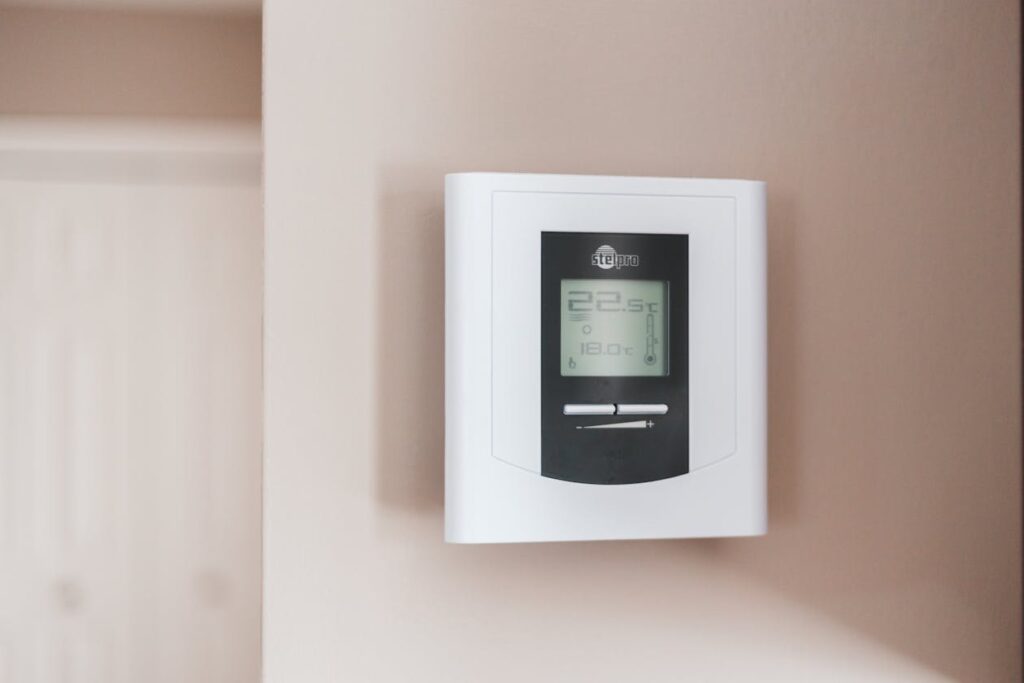
A smart thermostat like Hive, Nest, or Tado learns your schedule and adjusts heating automatically. Many models also offer room-by-room control, so you only heat the spaces you are actually using.
The Energy Saving Trust estimates that smart heating controls can save a typical household £75 to £120 per year. Installation costs range from £150 to £250 if you fit it yourself, or £200 to £350 with professional installation.
4. Draught-Proof Doors and Windows
Draught proofing is one of the cheapest and most effective energy improvements you can make. Self-adhesive foam strips cost under £10 from any DIY store and can be fitted in an afternoon.
Focus on external doors, sash windows, letterboxes, and keyholes. A chimney draught excluder is also worth considering if you have an open fireplace that you rarely use. Together, these small fixes can save £60 to £100 per year on heating bills.
5. Swap to LED Bulbs Throughout
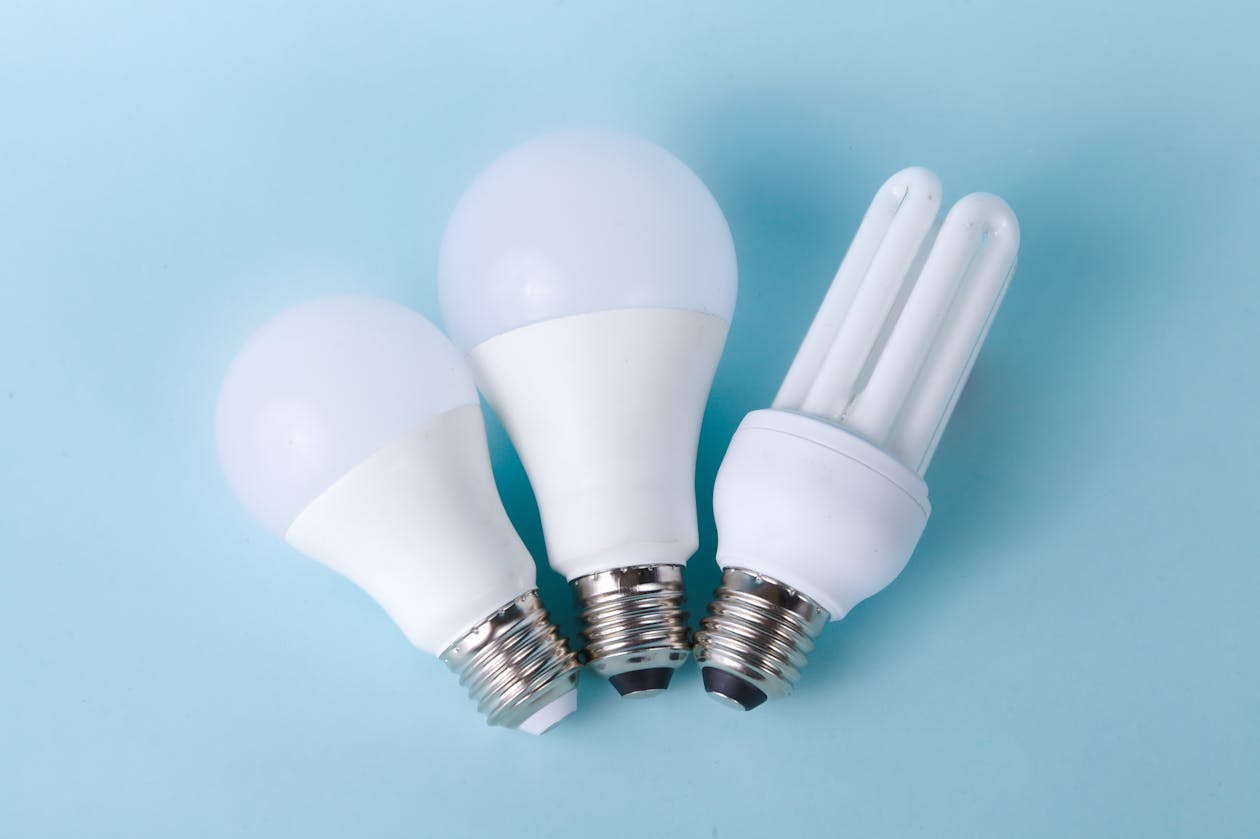
If you still have halogen or CFL bulbs anywhere in your home, replacing them with LEDs is an immediate saving. An LED bulb uses around 80% less energy than a halogen equivalent and lasts up to 25 times longer.
For a household with 20 light fittings, switching entirely to LED can save £40 to £65 per year on electricity. The bulbs themselves cost as little as £1 to £3 each, so the payback is measured in months, not years.
6. Use Summer to Plan Bigger Upgrades
Installer diaries are busiest from October to February when everyone suddenly wants their boiler fixed or their loft insulated. By getting quotes in summer, you benefit from shorter waiting times, potentially better prices, and the ability to have work completed before the cold weather arrives.
Solar panels, heat pumps, and insulation are all best installed when the weather is dry and mild. Summer installation also means your solar panels start generating immediately, giving you several months of high output before winter.
7. Check Your Standby Power Drain
The average UK household spends £65 to £90 per year powering devices on standby. Televisions, game consoles, set-top boxes, and phone chargers all draw power even when not in active use.
Smart plugs costing £10 to £15 each let you schedule devices to switch off completely overnight or when you leave the house. For entertainment centres with multiple devices, a single smart power strip can eliminate all standby drain with one switch.
Start Small, Save Big
None of these changes requires a major investment. Together, they can realistically save £300 to £500 per year on energy bills. And if they inspire you to explore bigger improvements like solar panels or a heat pump, the government grants available in 2026 make this year an exceptionally good time to act.
See what these numbers mean for your home
Free instant estimate — costs, savings, payback and grants for your region.

Related Articles
The Best Time of Year to Replace Your Boiler (and How to Get the Best Price)
Find out why summer is the best time to replace your boiler in the UK, how to negotiate better prices and what to check before committing to an installation.
9 May 2026
Electric Heating Options Explained: Panel Heaters, Storage Heaters and Infrared
Compare electric heating options for UK homes including modern storage heaters, ceramic panel heaters and infrared panels with running cost breakdowns.
7 May 2026
Double Glazing vs Secondary Glazing: Cost, Performance and Which Is Best for Your Home
Double glazing and secondary glazing both improve insulation and reduce noise, but they differ in cost, performance and suitability. We compare the two to help you choose.
7 May 2026