The Best Time of Year to Replace Your Boiler (and How to Get the Best Price)
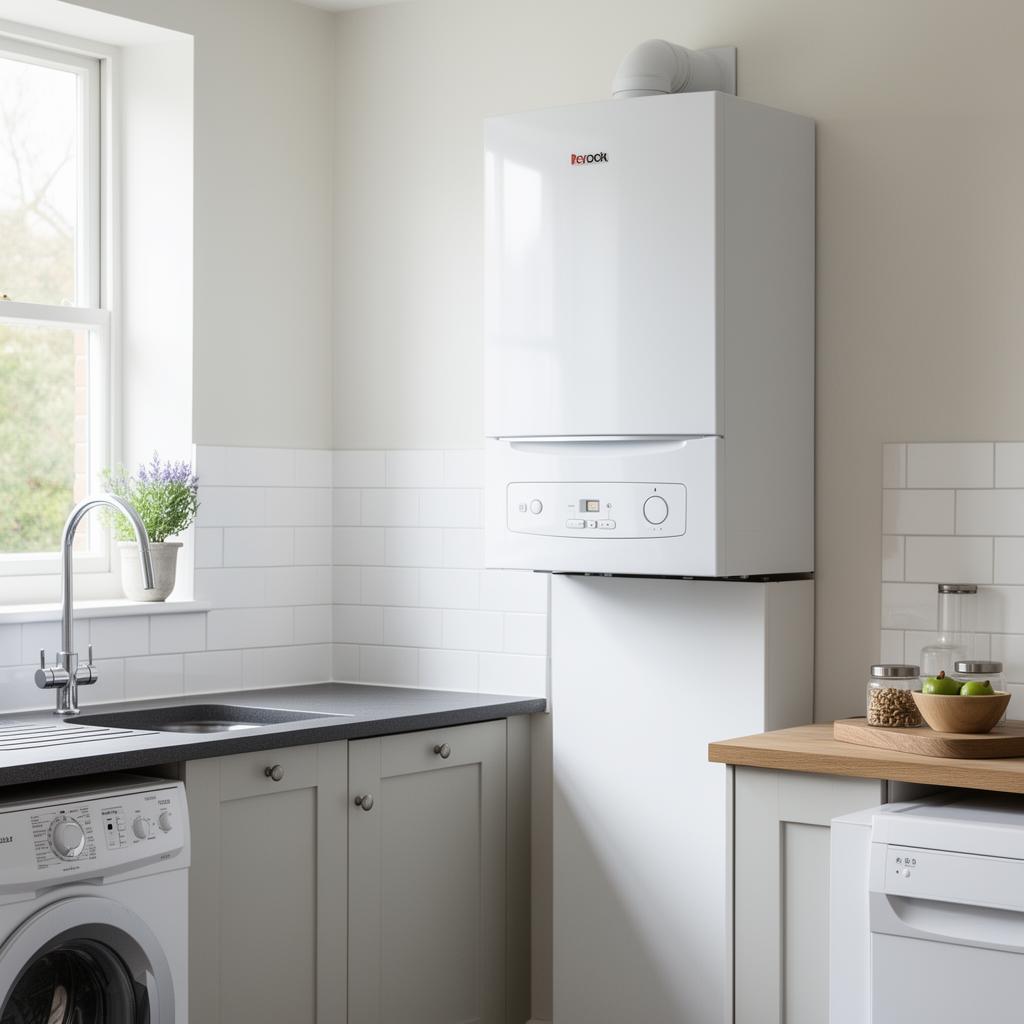
Timing matters when replacing your boiler. The best time to replace a boiler in the UK is during the warmer months — typically between April and September — when heating engineers are less busy, installation lead times are shorter, and you have more leverage to negotiate on price. Yet most homeowners only think about their boiler when it breaks down in the middle of winter, which is the most expensive and inconvenient time to replace it.
When is the best time of year to replace your boiler?
The best time to replace your boiler in the UK is between late spring and early autumn, typically May to September. Demand for heating engineers drops during warmer months, so you can often save between £300 and £500 compared to emergency winter replacements. Lead times are shorter and you have more choice of installer, making it easier to compare quotes and negotiate on price.
Booking a boiler replacement outside of the peak heating season also means less disruption to your household. Most installations take one to two days, and if anything unexpected arises your engineer is less likely to be stretched across multiple emergency call-outs. If your current boiler is over 10 years old or its efficiency has dropped below 85%, planning a summer swap could cut your annual gas bill by up to £200.
This guide explains exactly why summer installations are cheaper and faster, how to use the quieter months to your advantage, what to check before committing to a new boiler, and a seasonal pricing comparison to help you plan ahead.
Why Summer Is the Best Time to Replace Your Boiler
The heating industry has a pronounced seasonal pattern. From October to March, engineers are overwhelmed with emergency call-outs, breakdowns and urgent replacements. From April to September, demand drops significantly. This has a direct impact on price, availability and the quality of service you receive.
Lower prices
During the quieter summer months, many installation companies offer discounts to keep their teams busy. You can typically save GBP 200 to GBP 500 on the same installation compared to winter pricing. Some manufacturers also run summer promotions with extended warranties or cashback offers to stimulate demand during the off-season.
Shorter waiting times
In winter, you may wait 2 to 4 weeks for a non-emergency boiler installation. In summer, most companies can install within 3 to 7 days of your order. If you are flexible on dates, same-week installation is often possible.
No heating disruption
A boiler replacement takes 1 to 2 days for a straightforward swap, or 2 to 3 days if the boiler is being relocated or the system reconfigured. During this time, you have no heating or hot water. In summer, this is a minor inconvenience. In January, it is miserable.
More time to research and compare
When your boiler fails in winter, you are under pressure to get it replaced immediately, which limits your ability to compare quotes and research options. Planning a summer replacement gives you weeks or months to get multiple quotes, read reviews, and choose the right installer without the urgency of a cold house.
Seasonal Boiler Replacement Pricing Comparison
Here is how pricing typically varies through the year for a standard combi boiler replacement in a 3-bedroom house.
| Season | Months | Typical Price Range | Wait Time | Negotiation Power |
|---|---|---|---|---|
| Peak winter | December – February | GBP 3,000 – GBP 4,000 | 2 – 4 weeks | Low |
| Shoulder (autumn) | October – November | GBP 2,800 – GBP 3,500 | 1 – 3 weeks | Moderate |
| Shoulder (spring) | March – April | GBP 2,600 – GBP 3,200 | 1 – 2 weeks | Moderate |
| Off-peak summer | May – September | GBP 2,300 – GBP 3,000 | 3 – 7 days | High |
The GBP 200 to GBP 500 saving from a summer installation effectively pays for several years of annual boiler servicing. Combined with the ability to shop around and negotiate, summer is clearly the best time to replace a boiler in the UK.
How to Negotiate the Best Price on a Boiler Replacement
Replacing a boiler is one of the most significant home expenditures, so it pays to negotiate. Here are proven strategies that work.
Get at least three quotes
Always obtain a minimum of three written quotes from different Gas Safe registered installers. This gives you a clear picture of the market rate and provides leverage in negotiations. Be wary of any quote that is dramatically lower than the others — it may indicate corners being cut on the installation.
Ask about package deals
Many installers offer better pricing if you combine the boiler replacement with additional work. Common add-ons that attract discounts include:
- Magnetic boiler filter (often included free or at cost)
- System power flush (GBP 100 to GBP 200 cheaper when done alongside a boiler swap)
- Smart thermostat installation
- Radiator upgrades or additions
- Annual service plan (prepaid plans often come with discounted rates)
Be flexible on installation date
If you can accommodate the installer’s preferred dates (filling gaps in their schedule), many will offer a further discount of GBP 50 to GBP 150. Midweek installations are typically easier to fit in than weekends.
Mention competing quotes
Politely letting an installer know you have a lower quote from a competitor often prompts them to sharpen their pricing. Most would rather match a competitor’s price than lose the job entirely, especially during quiet summer months.
Check for manufacturer promotions
Boiler manufacturers regularly run promotions offering extended warranties (up to 12 years), cashback, or free smart thermostats. These promotions are most common between May and August. Ask your installer which brands are running offers at the time of your quote.
Signs Your Boiler Needs Replacing (Do Not Wait for It to Fail)
Planning a replacement before your boiler fails completely gives you the luxury of timing and choice. Here are the warning signs that a replacement is due.
- Age: if your boiler is over 10 to 12 years old, it is approaching the end of its reliable life. Boilers over 15 years old are significantly less efficient than modern equivalents
- Frequent repairs: if you have had more than two repairs in the past 12 months, the cost of ongoing fixes is likely to exceed the cost of replacement within a year or two
- Rising energy bills: an old boiler operating at 70 to 80% efficiency costs significantly more to run than a modern unit at 92 to 94% efficiency. For a home using 12,000 kWh of gas per year, the difference is roughly GBP 150 to GBP 250 per year
- Unusual noises: banging, kettling (a rumbling or boiling sound) or persistent gurgling indicates internal problems that will worsen over time
- Inconsistent heating or hot water: rooms that do not heat evenly, hot water that fluctuates in temperature, or the boiler regularly locking out
- Yellow or orange flame: a healthy gas flame is blue. A yellow or orange flame indicates incomplete combustion, which can produce carbon monoxide. This requires immediate attention from a Gas Safe engineer
- Parts availability: if your boiler model has been discontinued and replacement parts are becoming difficult to source, a breakdown could leave you without heating for an extended period
What to Check Before Committing to a New Boiler
Before signing a quote, ensure these essential points are covered.
Gas Safe registration
Every engineer who works on gas appliances must be on the Gas Safe Register. Check their registration number at GasSafeRegister.co.uk. Do not accept excuses or promises to register later.
Correct boiler size
The boiler should be sized based on a proper heat loss calculation for your property, not a like-for-like swap. An oversized boiler wastes energy and costs more. An undersized boiler struggles to heat the house. A good installer will assess your home’s size, insulation level, number of radiators and hot water demand before recommending a specific model and output.
Warranty terms
Modern boilers come with warranties ranging from 2 to 12 years. Longer warranties are generally better, but check the conditions. Most require an annual service by a Gas Safe engineer to maintain the warranty. Some manufacturers also require a magnetic filter to be fitted and inhibitor added to the system.
Full written quote
The quote should itemise everything: the boiler model, flue, controls, magnetic filter, chemical flush or power flush, any pipework modifications, labour, VAT and disposal of the old boiler. Avoid verbal quotes or vague estimates.
Consider the alternatives
Before committing to another gas boiler, consider whether this is the right time to switch to a heat pump. With the GBP 7,500 Boiler Upgrade Scheme grant, the cost gap has narrowed significantly, and a heat pump will save you money over its 20 to 25 year lifespan while future-proofing your home against rising gas prices and potential future restrictions on gas boiler installations.
Boiler Replacement vs Heat Pump: Is Now the Time to Switch?
If your boiler needs replacing, you have a once-in-a-decade opportunity to choose a different path. Here is a quick comparison to help you decide.
| Factor | New Gas Boiler | Air Source Heat Pump |
|---|---|---|
| Net cost after grants | GBP 2,500 – GBP 3,500 | GBP 4,500 – GBP 10,500 |
| Annual running cost (3-bed semi) | GBP 845 | GBP 840 – GBP 980 |
| Lifespan | 12 – 15 years | 20 – 25 years |
| Carbon emissions | 2.4 tCO2e/year | 0.8 tCO2e/year |
| Future-proofing | Gas boilers may face restrictions by 2035 | Aligned with government net zero policy |
If your home has reasonable insulation and space for an outdoor unit, a heat pump is increasingly the smarter long-term investment. If your budget is tight and you need the lowest upfront cost, a modern gas boiler remains a solid choice — but you may face the same replacement decision again in 12 to 15 years, by which time gas boiler options may be more limited.
Get a free quote to compare gas boiler and heat pump options for your specific property.
Frequently Asked Questions About Boiler Replacement Timing
How long does a boiler replacement take?
A straightforward like-for-like combi boiler swap typically takes 1 day (6 to 8 hours). If the boiler is being relocated, the system converted from a conventional to a combi system, or additional radiators added, it may take 2 to 3 days. A heat pump installation typically takes 2 to 4 days including the outdoor unit, hot water cylinder and any radiator upgrades.
Should I replace my boiler before winter even if it is still working?
If your boiler is over 12 years old, has needed repairs recently, or is a non-condensing model, replacing it during the summer before the next winter makes strong financial sense. You avoid the risk of a mid-winter breakdown, benefit from lower summer pricing, and start saving on fuel bills immediately with a more efficient unit. The peace of mind alone is worth the proactive approach.
Can I get a boiler on finance?
Yes. Many installers offer finance options including 0% interest deals over 12 to 24 months, or longer-term plans over 5 to 10 years with interest. Compare the total cost of finance (including interest) against the price of paying upfront. If you can comfortably pay upfront, this is always cheaper. If not, 0% interest deals are worth seeking out, as they effectively spread the cost at no additional charge.
Is it worth repairing an old boiler or should I replace it?
As a general rule, if a repair costs more than GBP 500 on a boiler over 10 years old, replacement is usually more cost-effective. Also consider the cumulative repair costs — if you have spent more than GBP 300 to GBP 400 on repairs in the past two years, that money would have been better put towards a new system. A new boiler or heat pump also comes with a full warranty, whereas a repaired old boiler can fail again at any time.
What is the cheapest month to buy a boiler?
July and August are typically the cheapest months for boiler installations, as demand is at its lowest and installers are most willing to negotiate. June and September are also good months with competitive pricing. The key is to avoid the October to February peak period when prices are highest and availability is most limited. Start getting quotes in May or June for the best combination of price and availability.
See what these numbers mean for your home
Free instant estimate — costs, savings, payback and grants for your region.

Related Articles
7 Quick Wins to Cut Your Energy Bills This Summer
Summer might seem like the wrong time to think about energy bills, but it is actually when the smartest homeowners make changes. Lower heating demand means more of your spending…
22 May 2026
Electric Heating Options Explained: Panel Heaters, Storage Heaters and Infrared
Compare electric heating options for UK homes including modern storage heaters, ceramic panel heaters and infrared panels with running cost breakdowns.
7 May 2026
Double Glazing vs Secondary Glazing: Cost, Performance and Which Is Best for Your Home
Double glazing and secondary glazing both improve insulation and reduce noise, but they differ in cost, performance and suitability. We compare the two to help you choose.
7 May 2026