Why Spring Is the Perfect Time to Install Solar Panels
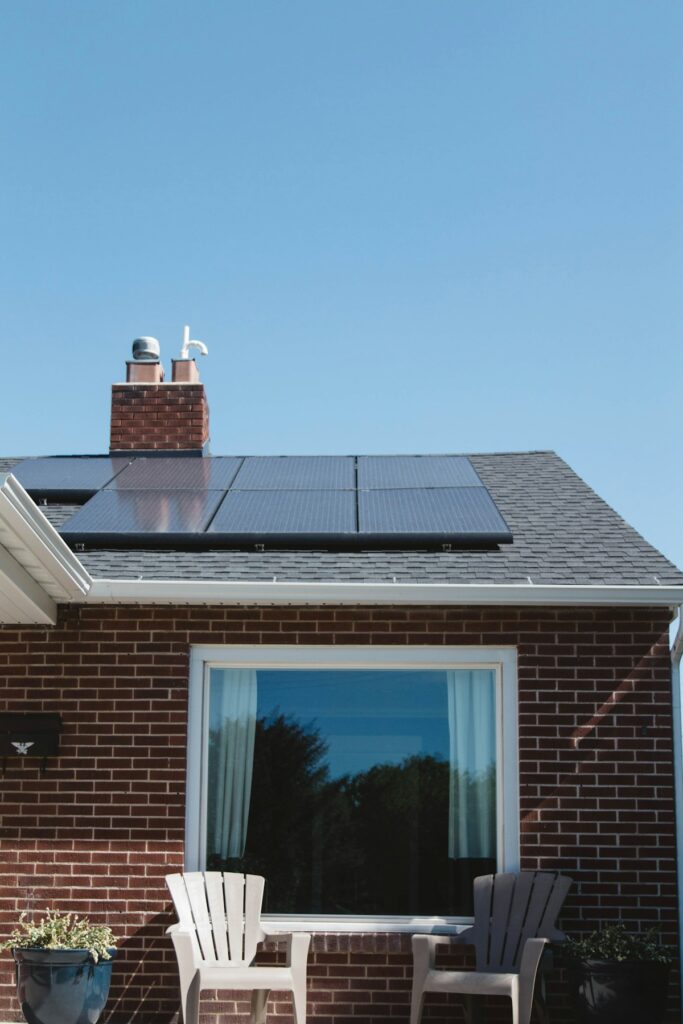
If you have been thinking about solar panels for a while but never quite pulled the trigger, spring is the moment to act. The combination of lengthening days, mild installation weather, and installer availability before the summer rush makes April through June the sweet spot for getting panels on your roof. Here is why timing matters and what it means for your wallet.
Why is spring the best time to install solar panels?
- Longer daylight hours – from March onwards the UK gets 12+ hours of daylight, so your panels start generating meaningful output from day one.
- Capture the full summer – installing in spring means you benefit from the highest generation months of May through August.
- Shorter installer wait times – demand peaks in summer, so booking in March or April typically gets you a quicker installation date.
- Better roof access – milder weather and drier conditions make installation safer and faster for the crew.
- Maximise first-year savings – a spring install means you export surplus electricity via the Smart Export Guarantee during peak generation months.
A typical 4kWp solar panel system in the UK generates around 3,400–4,000 kWh per year and saves approximately £800–£1,000 annually through self-consumption and export payments. Installing in spring rather than autumn means you capture an extra six months of strong generation in your first year, making the payback period start from day one. With panel prices around £5,000–£7,000 for a standard domestic system in 2026, most households see full payback within six to eight years.
Longer Days Mean Immediate Returns
A solar system installed in April starts generating meaningful electricity straight away. By mid-April, the UK gets around 13 to 14 hours of daylight, rising to over 16 hours by June. A typical 4kW system installed in spring will generate roughly 1,800 to 2,200 kWh between April and September alone, which is more than half its annual output. That means you start seeing savings on your energy bills from the very first month, rather than waiting through a dark winter wondering whether the investment was worthwhile.
Compare that with an autumn installation: panels fitted in October face five months of short days and low sun angles before they hit their stride. You still get the same lifetime output either way, but the psychological and financial boost of immediate returns makes spring installations far more satisfying.
Installers Are Less Booked and More Flexible
The solar industry in the UK follows a predictable cycle. Enquiries spike in May and June when the sun reminds homeowners that solar exists, but the best installers are already booked weeks ahead by then. April is the window where most reputable companies still have availability within two to three weeks, and some will offer early-season incentives to fill their schedules.
This matters because installer quality varies enormously. When demand peaks in midsummer, it is tempting to accept whoever can come soonest. In spring, you have the luxury of comparing three or more quotes, checking references, and choosing the installer you are most confident in without the pressure of a six-week wait.
Mild Weather Is Ideal for Installation
Solar panel installation takes one to two days for a standard residential system. The work involves scaffolding, roof access, and electrical connections, all of which are easier and safer in dry, mild conditions. Spring in the UK is not guaranteed dry, but it avoids the extremes: frozen mornings that delay winter installations, summer heatwaves that make roof work uncomfortable, and autumn storms that force rescheduling.
Mild temperatures also mean your installer can work efficiently without weather-related delays, reducing the chance of your installation running over schedule.
0% VAT Is Still Available in 2026
The UK government’s 0% VAT rate on residential solar panel installations remains in effect through 2026. This saves you around £1,000 to £1,400 on a typical 4kW system compared to the standard 20% rate. While there is no confirmed end date, VAT reliefs are reviewed periodically and there is no guarantee the rate will continue indefinitely. Installing now locks in the saving.
Combined with the Smart Export Guarantee, which pays you for surplus electricity exported to the grid, and rising energy prices, the financial case for solar in 2026 is stronger than it has been in years. A well-sized system in the north of England can pay for itself in 8 to 12 years, with 15 to 20 years of essentially free electricity after that.
What to Do Right Now
If spring installation appeals to you, here is a practical timeline:
- This week: Check your roof orientation and shading. South-facing roofs are ideal, but east-west roofs still perform well. Heavy shading from trees or neighbouring buildings is the main deal-breaker.
- Within the next fortnight: Request at least three quotes from MCS-certified installers. Compare not just price but also panel brands, inverter types, warranties, and projected annual generation.
- Before mid-May: Confirm your preferred installer and agree a fitting date. Most spring installations can be completed within three to four weeks of signing.
The best time to install solar panels was five years ago when electricity was cheaper and payback periods were longer. The second best time is this spring, when everything lines up in your favour: long days ahead, 0% VAT, available installers, and energy prices that make the maths work faster than ever.
See what these numbers mean for your home
Free instant estimate — costs, savings, payback and grants for your region.

Related Articles
Is Solar Battery Storage Worth It in 2026?
Solar panels are now a common sight on UK rooftops, but the real game-changer in 2026 is battery storage. A home battery lets you store the electricity your panels generate…
2 June 2026
How the Energy Price Cap Affects Heat Pump and Solar Panel Payback
See how the energy price cap affects heat pump and solar panel payback periods. Real calculations using current UK unit rates show why investing now locks in stronger returns.
15 April 2026
Solar Battery Storage in 2026: Costs, Benefits and Whether It Is Worth Adding
Solar battery storage lets you use your own solar electricity after dark. We break down 2026 costs, expected savings, popular brands and whether adding a battery is worth the investment…
11 April 2026