Replacing a Polycarbonate Conservatory Roof: Solid, Glass and Hybrid Options
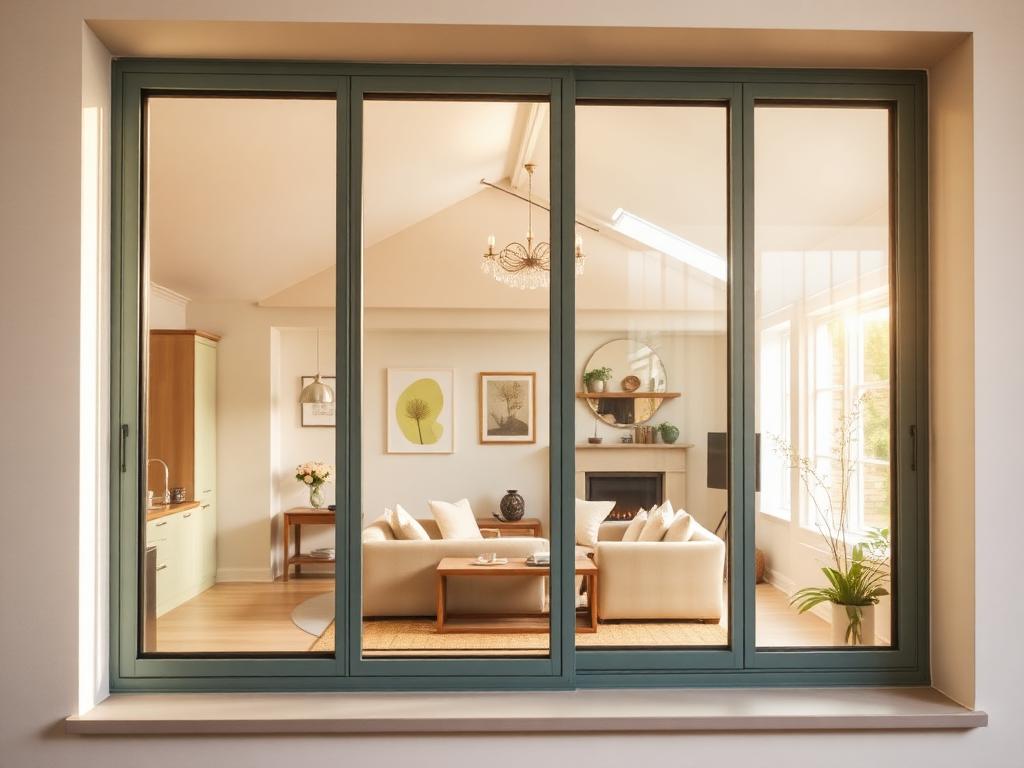
An ageing polycarbonate conservatory roof turns your conservatory into a room you can only comfortably use for a few months of the year. Freezing in winter, baking in summer, and deafening when it rains, polycarbonate conservatory roof replacement is one of the most transformative home improvements you can make. The three main upgrade paths are solid insulated panels, glass roof units, and hybrid combinations, each with distinct advantages in cost, thermal performance, and light levels.
Solid vs Glass vs Hybrid Conservatory Roof: Which Is Best?
| Solid (Tiled) Roof | Glass Roof | Hybrid Roof | |
|---|---|---|---|
| Typical cost | £4,000–£8,000 | £3,500–£7,000 | £5,000–£9,000 |
| Thermal performance | Best (U-value 0.15–0.18) | Good (U-value 1.0–1.2) | Very good (mixed U-values) |
| Natural light | Reduced (relies on windows) | Maximum | Good (glass panels in solid roof) |
| Planning permission | Usually required | Usually not required | Depends on solid proportion |
| Year-round usability | Excellent | Good with solar control glass | Very good |
| Noise in rain | Quiet | Moderate | Moderate to quiet |
Replacing a polycarbonate conservatory roof is one of the most effective ways to make a conservatory usable all year round. Polycarbonate roofs offer poor insulation, overheat in summer and feel freezing in winter. A solid tiled roof provides the best thermal performance and turns the space into a true extension, but requires building regulations approval and sometimes planning permission depending on the design and proportions.
Why Polycarbonate Conservatory Roofs Fail
Polycarbonate was the default conservatory roof material through the 1990s and 2000s because it was cheap, lightweight, and easy to install. However, it has fundamental limitations that become worse with age.
- Poor thermal performance: A standard 25mm polycarbonate panel has a U-value of around 2.0 to 3.0 W/m2K, allowing enormous heat loss in winter and solar gain in summer.
- UV degradation: Polycarbonate yellows, becomes brittle, and loses clarity over 15 to 20 years. Old panels may crack or develop leaks.
- Rain noise: The drumming sound of rain on polycarbonate is a common complaint. It makes conversation difficult and renders the room unusable during heavy rainfall.
- Condensation: Poor thermal performance leads to condensation forming on the underside of the panels, dripping onto furniture below.
- Glare: Clear or opal polycarbonate lets in large amounts of unfiltered sunlight, causing glare and fading of furniture and flooring.
If your conservatory is more than 15 years old with the original polycarbonate roof, replacement will deliver a dramatic improvement in comfort and usability.
Option 1: Solid Insulated Roof Panels
Solid conservatory roof replacements use lightweight insulated panels, typically consisting of a plywood or OSB deck, a layer of rigid insulation, and an external covering of tiles, slate, or a composite material. The internal finish is usually plastered and painted to match the rest of your home.
Thermal performance
Solid roofs deliver the best thermal performance of any option. A well-specified solid conservatory roof achieves a U-value of 0.16 to 0.18 W/m2K, meeting current Building Regulations standards for new roof elements. This transforms the conservatory from one of the coldest rooms in the house to one of the warmest.
Advantages
- Best thermal performance, making the room comfortable year-round
- Eliminates rain noise completely
- Allows downlights to be installed in the ceiling
- Finished interior looks like a permanent extension, not a conservatory
- Dramatically reduces summer overheating
- Can include roof windows or Velux-style skylights for natural light
Disadvantages
- Reduces natural light significantly (mitigated with skylights)
- The room may feel darker, especially if north-facing
- More expensive than glass-only replacement
- Planning permission may be required (see below)
- Additional weight requires structural assessment of existing frames and foundations
Cost range
A solid conservatory roof replacement typically costs between GBP 4,000 and GBP 12,000 depending on the size of the conservatory, choice of external finish (lightweight tiles, slate effect, or composite), and whether internal plastering and electrics are included.
Option 2: Glass Roof Replacement
Modern glass roof panels are a world apart from old polycarbonate. Self-cleaning, solar-control glass with low-emissivity coatings delivers dramatically better thermal performance while retaining the light and airy feel that attracted you to a conservatory in the first place.
Thermal performance
A modern high-performance glass conservatory roof using argon-filled double-glazed units with low-e coatings and solar control achieves a U-value of around 1.0 to 1.2 W/m2K. This is significantly better than polycarbonate but not as good as a solid panel.
Advantages
- Retains maximum natural light and the open, airy conservatory feel
- Self-cleaning coatings reduce maintenance
- Solar control glass reduces summer overheating by reflecting infrared radiation
- Significant improvement over polycarbonate for rain noise (glass is denser and dampens sound)
- Usually lighter than a solid roof, so less structural concern
- Unlikely to require planning permission
Disadvantages
- Poorer thermal performance than a solid roof
- Still some solar gain in summer, though much less than polycarbonate
- Cannot install downlights or ceiling features
- Higher cost per square metre than polycarbonate
Cost range
Glass roof replacement costs between GBP 2,500 and GBP 7,000 depending on the conservatory size and glass specification. Premium self-cleaning solar control glass sits at the upper end of this range.
Option 3: Hybrid Roof (Part Solid, Part Glass)
A hybrid conservatory roof combines solid insulated panels around the perimeter with a central glass panel or skylight. This approach offers a middle ground between maximum insulation and maximum light.
Thermal performance
The overall U-value of a hybrid roof depends on the proportion of solid to glass. A roof that is 70% solid and 30% glass might achieve an overall U-value of around 0.5 to 0.7 W/m2K, significantly better than an all-glass roof while still admitting plenty of natural light.
Advantages
- Good balance of insulation and natural light
- The solid perimeter section can house downlights
- Central glass panel maintains the conservatory feel
- Better thermal performance than an all-glass roof
- Reduces overheating by limiting the glazed area
Cost range
Hybrid roofs typically cost between GBP 5,000 and GBP 15,000, sitting between glass-only and fully solid options depending on the design complexity and proportion of each material.
Polycarbonate Conservatory Roof Replacement: Comparison Table
| Feature | Solid Roof | Glass Roof | Hybrid Roof |
|---|---|---|---|
| U-value | 0.16 to 0.18 | 1.0 to 1.2 | 0.5 to 0.7 |
| Natural light | Low (unless skylights added) | High | Medium |
| Rain noise | None | Minimal | Minimal |
| Summer overheating | Eliminated | Reduced | Significantly reduced |
| Winter warmth | Excellent | Good | Very good |
| Downlights possible | Yes | No | Yes (in solid sections) |
| Planning permission | Often required | Usually not required | May be required |
| Typical cost | GBP 4,000 to GBP 12,000 | GBP 2,500 to GBP 7,000 | GBP 5,000 to GBP 15,000 |
Building Control and Planning Permission Requirements
The planning and Building Regulations requirements differ depending on which option you choose.
Glass to glass replacement
Replacing polycarbonate with glass panels on the existing frame is generally treated as a repair and does not require Building Regulations approval or planning permission, provided the conservatory retains its existing structure and footprint.
Solid roof replacement
Converting a conservatory from a glazed roof to a solid roof can change the building’s classification from a conservatory to an extension. This typically triggers:
- Building Regulations approval: The solid roof must meet Part L thermal standards, and the structure must support the additional weight. The electrical installation must comply with Part P.
- Planning permission: If the solid roof changes the external appearance significantly, planning permission may be required. Some local authorities take the view that a solid roof always requires permission; others allow it under permitted development. Check with your local planning department before committing.
Many specialist conservatory roof companies handle the Building Control application as part of their service, which simplifies the process considerably.
Impact on Room Usability and Energy Bills
The primary benefit of any conservatory roof replacement is transforming a seasonally usable space into a year-round living room. A conservatory with a polycarbonate roof is typically comfortable for only four to five months of the year. After a solid or hybrid roof replacement, most homeowners report using the room twelve months of the year.
The energy bill impact is also significant. A poorly insulated conservatory acts as a drain on your heating system, pulling warmth from adjacent rooms. After a solid roof replacement, homeowners typically report heating bill reductions of GBP 200 to GBP 500 per year for the whole house, because the conservatory no longer leaks heat and the adjacent rooms maintain temperature more easily.
If you are combining a conservatory roof upgrade with other insulation improvements, the cumulative savings increase. A well-insulated conservatory can even become a candidate for infrared heating panels, providing comfortable warmth at low running costs without extending the central heating circuit.
To find out which conservatory roof replacement option is right for your property, request a free quote from our team.
Frequently Asked Questions About Conservatory Roof Replacement
How long does a conservatory roof replacement take?
A glass-to-glass replacement typically takes one to two days. A solid roof replacement takes five to eight days depending on size and complexity, including internal plastering, electrics, and making good. Hybrid roofs fall somewhere in between. The room is usually watertight within the first day or two, with finishing work taking the remaining time.
Will a solid roof make my conservatory too dark?
A fully solid roof without any skylights will reduce light levels noticeably, particularly in north-facing conservatories. However, most solid roof installations include one or more skylights or roof windows that restore excellent natural light. A single Velux-style window in a solid roof often provides more usable, comfortable light than a full polycarbonate roof because it eliminates glare.
Can my existing conservatory frame support a solid roof?
Most aluminium and PVCu conservatory frames can support a lightweight solid roof system, but this must be confirmed by a structural assessment. The additional weight of a solid roof (typically 30 to 50 kg per square metre versus 3 to 5 kg for polycarbonate) may require reinforcement of the existing frame, additional support columns, or in some cases foundation strengthening. A reputable installer will carry out or commission a structural survey before quoting.
Does replacing the conservatory roof add value to my home?
Estate agents generally agree that a conservatory with a solid or high-performance glass roof adds more value than one with a polycarbonate roof. The improvement is typically valued at GBP 5,000 to GBP 15,000 depending on location and property value, often exceeding the cost of the work. Converting a seasonal space into a year-round living room effectively adds usable floor area to the property.
See what these numbers mean for your home
Free instant estimate — costs, savings, payback and grants for your region.

Related Articles
Home Insulation Costs and Grants: Your Complete 2026 Guide
Update (June 2026): ECO4 closed to new applications in March 2026. Approved installations continue to December 2026. The Warm Homes: Local Grant is now the main funding route for insulation.…
18 May 2026
How to Reduce Condensation and Damp While Keeping Your Home Warm
Learn why condensation forms in UK homes, the difference between condensation and rising damp, and proven ventilation strategies to fix damp without losing heat.
8 May 2026
Conservatory Roof Replacement: How a Solid Roof Cuts Energy Bills and Adds Value
Replacing an old polycarbonate or glass conservatory roof with a solid insulated roof can slash heat loss, cut energy bills and turn a seasonal room into a year-round living space.
6 May 2026