Low-E Glass Coatings Explained: How They Cut Heat Loss Through Windows
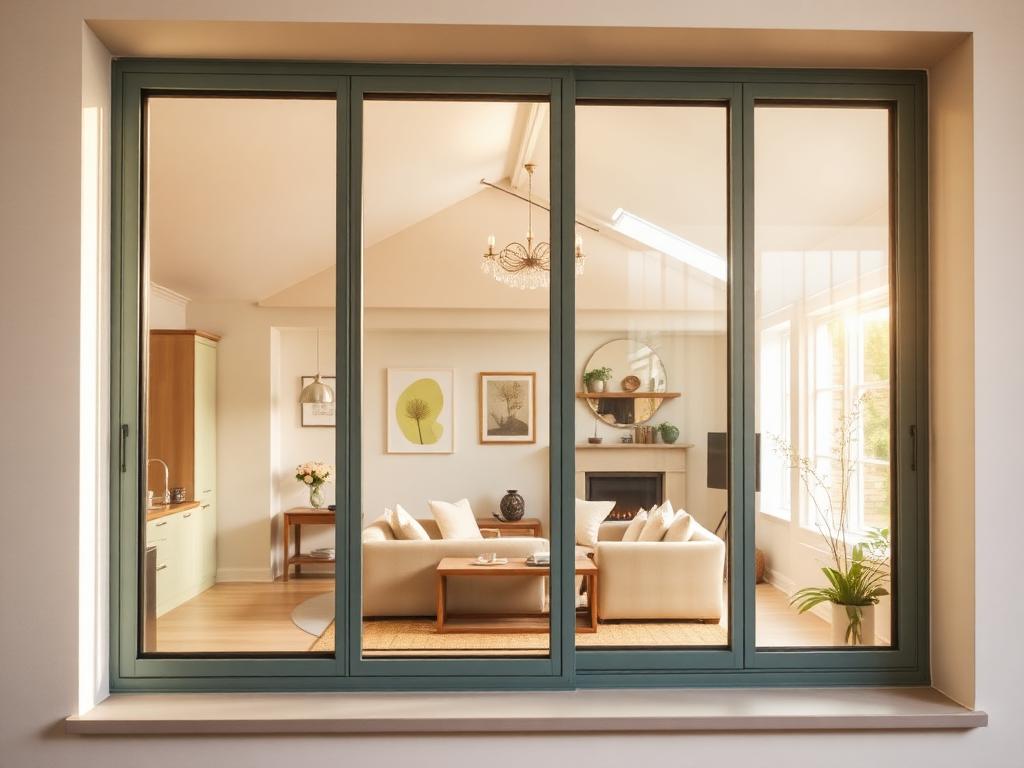
Low-e glass windows UK homes now rely on as standard represent one of the most significant advances in domestic glazing technology over the past 30 years. A microscopically thin metallic coating on the glass surface reflects radiant heat back into the room while allowing daylight to pass through virtually unchanged. Understanding how low-e coatings work, the difference between soft-coat and hard-coat options, and how they interact with gas fills and cavity widths helps you make informed decisions when specifying new windows for your home.
What Is Low-E Glass?
Low-E (low-emissivity) glass has an ultra-thin metallic oxide coating on one surface that reflects radiant heat back into the room while still allowing natural light to pass through. This invisible coating reduces heat loss through windows by up to 65% compared to standard uncoated glass, giving a typical U-value of 1.2 to 1.4 W/m²K in a double-glazed unit.
There are two types of Low-E coating: hard coat (pyrolytic), applied during manufacture and extremely durable, and soft coat (sputtered), applied afterwards and offering slightly better thermal performance. Most modern double-glazed replacement windows in the UK come with soft-coat Low-E glass as standard. The coating adds only £5 to £15 per window to the manufacturing cost but delivers measurable energy savings throughout the life of the glazing unit.
What Does Low-E Mean and How Does It Work?
Low-E stands for low emissivity. Emissivity measures how effectively a surface radiates heat energy. Standard float glass has an emissivity of approximately 0.89, meaning it radiates 89% of the heat that reaches it. A low-e coating reduces this to as low as 0.03-0.05, meaning only 3-5% of radiant heat passes through the coated surface.
In a double-glazed window, the low-e coating is applied to one of the internal surfaces of the sealed unit (typically surface 3, the room-facing side of the inner pane). When your heating system warms the room, radiant heat travels towards the window. Without low-e coating, most of this heat passes through the glass and is lost to the outside. With a low-e coating, the metallic layer reflects the majority of the radiant heat back into the room.
The coating is so thin (typically 50-100 nanometres) that it is invisible to the naked eye. Daylight passes through with minimal reduction in visible light transmission, typically losing only 5-10% compared to uncoated glass. The room appears just as bright, but significantly less heat escapes through the window.
Soft-Coat vs Hard-Coat Low-E Glass
There are two manufacturing processes for applying low-e coatings, each producing a product with different characteristics and performance levels.
Soft-Coat Low-E (Sputtered Coating)
Soft-coat low-e is produced by depositing ultra-thin layers of metallic oxides (typically silver) onto the glass surface in a vacuum chamber. This process, called magnetron sputtering, allows precise control over the coating thickness and composition.
Advantages of soft-coat low-e:
- Emissivity as low as 0.03 (97% of radiant heat reflected)
- Best thermal performance of any low-e technology
- Multiple coating layers can be applied for enhanced solar control
- Higher visible light transmission than hard-coat alternatives
Disadvantages:
- The coating is delicate and cannot be exposed to the atmosphere or physical contact
- It must be sealed within a double-glazed unit immediately after manufacture
- Cannot be used in single-glazing applications or on exposed surfaces
Soft-coat low-e is the dominant technology in modern UK double glazing, used by the majority of sealed unit manufacturers. Products like Pilkington K Glass S, Saint-Gobain Planitherm and Guardian ClimaGuard are all soft-coat low-e glasses.
Hard-Coat Low-E (Pyrolytic Coating)
Hard-coat low-e is applied during the glass manufacturing process by spraying metallic compounds onto the hot glass surface as it exits the float line. The coating bonds chemically with the glass, creating a surface that is much more durable than soft-coat.
Advantages of hard-coat low-e:
- Extremely durable, can be handled, cut and stored like standard glass
- Can be used in single-glazing secondary glazing applications
- Less expensive to produce than soft-coat
Disadvantages:
- Higher emissivity (typically 0.15-0.20) compared to soft-coat (0.03-0.05)
- Slightly lower thermal performance
- A faint tint may be visible in certain lighting conditions
Pilkington K Glass (the original hard-coat version) is the best-known hard-coat product in the UK. While still effective, it has been largely superseded by soft-coat alternatives in new double-glazed sealed units.
U-Value Improvements: Low-E Glass vs Standard Glass
The impact of low-e coatings on window U-values is dramatic. Here is how different glass and gas configurations compare in a standard double-glazed unit.
| Glass Configuration | Centre-Pane U-Value | Improvement vs Standard |
|---|---|---|
| Standard glass, air-filled, 16mm cavity | 2.8 W/m2K | Baseline |
| Hard-coat low-e, air-filled, 16mm cavity | 1.8 W/m2K | 36% |
| Soft-coat low-e, air-filled, 16mm cavity | 1.5 W/m2K | 46% |
| Soft-coat low-e, argon-filled, 16mm cavity | 1.1 W/m2K | 61% |
| Soft-coat low-e, krypton-filled, 12mm cavity | 0.9 W/m2K | 68% |
The combination of soft-coat low-e glass with argon gas fill is the standard specification for modern UK double glazing, delivering a centre-pane U-value of approximately 1.1 W/m2K. This represents a 61% improvement over basic uncoated, air-filled double glazing and an even greater improvement over single glazing (U-value approximately 5.0 W/m2K).
UV Protection: How Low-E Glass Protects Furnishings
An often-overlooked benefit of low-e glass is its ability to block ultraviolet (UV) radiation. UV light causes fading and degradation of fabrics, carpets, wooden furniture, artwork and other interior furnishings over time.
Standard float glass blocks some UV naturally, but low-e coated glass is significantly more effective:
- Standard glass: Blocks approximately 40-50% of UV radiation
- Hard-coat low-e: Blocks approximately 60-70% of UV radiation
- Soft-coat low-e: Blocks approximately 75-85% of UV radiation
- Enhanced solar control low-e: Blocks up to 95% of UV radiation
For rooms with valuable furnishings, artwork or wooden flooring exposed to direct sunlight, the UV protection provided by modern soft-coat low-e glass is a genuine practical benefit that helps preserve your interior investment.
Low-E Glass and UK Building Regulations
Low-e glass is now effectively mandatory in the UK for replacement windows and new construction. Building Regulations Approved Document L (conservation of fuel and power) sets maximum U-values for windows that are virtually impossible to achieve without a low-e coating.
The current requirements are:
- Replacement windows: Maximum whole-window U-value of 1.4 W/m2K, or a minimum BFRC rating of B
- New build windows: Maximum whole-window U-value of 1.4 W/m2K
Achieving a U-value of 1.4 W/m2K or better is straightforward with soft-coat low-e glass and argon gas fill in a 16mm cavity. Without a low-e coating, even argon-filled double glazing cannot reach this target, with a typical U-value of 1.8-2.0 W/m2K.
This means that any window installer fitting replacement windows under FENSA or CERTASS must use low-e glass as a minimum. If a quote does not specify low-e glass, ask for clarification before proceeding.
Solar Control Low-E Glass: Preventing Overheating
Standard low-e coatings are designed to reflect heat back into the room while allowing solar energy (warmth from the sun) to pass through. This is ideal for most UK homes where winter heat retention is the priority. However, in south-facing rooms, conservatories or rooms with large glazed areas, solar gain can cause overheating in summer.
Solar control low-e glass addresses this by incorporating additional layers that selectively reduce the amount of solar energy that passes through. Products like Pilkington Suncool and Saint-Gobain Cool-Lite combine low-e thermal insulation with solar control, achieving:
- Low U-values (1.0-1.1 W/m2K) for winter heat retention
- Reduced solar heat gain coefficient (g-value of 0.25-0.40 compared to 0.60+ for standard low-e)
- Good daylight transmission despite reduced solar gain
Solar control low-e glass is particularly relevant for conservatory roof replacements where overheating is a common problem with standard glazing.
How to Specify Low-E Glass When Ordering Windows
When getting quotes for new windows, use the following checklist to ensure you are getting the best low-e glass specification for your needs:
- Ask for the glass specification: The quote should state the glass make and type (e.g. Pilkington Energi-Save, Saint-Gobain Planitherm One)
- Check the centre-pane U-value: This should be 1.1 W/m2K or lower for soft-coat low-e with argon
- Confirm the coating type: Soft-coat (sputtered) is preferred over hard-coat (pyrolytic) for best performance
- Check the gas fill: Argon is the standard; krypton for slim-profile heritage windows
- Ask about the spacer bar: Warm-edge spacers (e.g. Super Spacer, Swisspacer) reduce heat loss at the glass edge and prevent condensation
- Request the BFRC rating: The whole-window energy rating should be B or above to meet Building Regulations
A reputable window installer will be happy to provide all of these details. If the quote does not include glass specifications, consider requesting them before making a commitment. For help comparing window quotes, request a free assessment from our network of approved installers.
Combining high-performance windows with comprehensive insulation and an efficient heating system like a heat pump creates a whole-house approach that delivers the greatest energy and cost savings.
Frequently Asked Questions
Can you see low-e coating on glass?
Low-e coatings are designed to be invisible under normal viewing conditions. However, soft-coat low-e glass may show a faint bluish or greenish tint when viewed at an angle, particularly from the outside. This is barely noticeable on most installations. Hard-coat low-e glass can have a slightly more visible haze in certain lighting conditions. Neither type significantly affects the view through the window or the amount of daylight entering the room.
Do all modern double-glazed windows have low-e glass?
Virtually all double-glazed sealed units manufactured in the UK since the early 2010s use low-e glass as standard. It is effectively mandatory to meet current Building Regulations, and the cost difference between low-e and standard glass is negligible for sealed unit manufacturers. If your windows were installed before approximately 2006, they may have hard-coat low-e or no low-e coating at all. Post-2006 installations almost certainly have at least hard-coat low-e, and post-2012 installations are likely to have soft-coat low-e.
Does low-e glass affect houseplants?
Standard low-e glass allows the full spectrum of visible light (including the wavelengths needed for photosynthesis) to pass through, so houseplants grow normally. However, enhanced solar control low-e glass with a very low g-value may reduce the total light energy reaching plants in south-facing windows. For avid gardeners, standard low-e glass (without solar control) is preferable for windows where plants will be placed.
Is low-e glass worth upgrading from existing double glazing?
If your existing double glazing is in good condition with no misting or seal failure, replacing it solely for a low-e upgrade is rarely cost-effective. The energy savings from moving from hard-coat to soft-coat low-e are modest (approximately GBP 20-40 per year for a typical house). However, if your sealed units have failed, your windows are over 15-20 years old, or you are replacing frames for other reasons, specifying the best available low-e glass at the time of replacement is well worth the negligible extra cost.
Can low-e glass be used with secondary glazing?
Yes. Hard-coat low-e glass can be used in single-glazed secondary glazing panels because the coating is durable enough to be exposed. This is an effective option for improving the thermal performance of listed buildings where the original single-glazed windows must be retained. Adding a hard-coat low-e secondary glazing panel with a 20mm+ air gap can reduce the combined U-value to approximately 1.8-2.0 W/m2K, a significant improvement over single glazing at 5.0 W/m2K.
See what these numbers mean for your home
Free instant estimate — costs, savings, payback and grants for your region.

Related Articles
Home Insulation Costs and Grants: Your Complete 2026 Guide
Update (June 2026): ECO4 closed to new applications in March 2026. Approved installations continue to December 2026. The Warm Homes: Local Grant is now the main funding route for insulation.…
18 May 2026
How to Reduce Condensation and Damp While Keeping Your Home Warm
Learn why condensation forms in UK homes, the difference between condensation and rising damp, and proven ventilation strategies to fix damp without losing heat.
8 May 2026
Conservatory Roof Replacement: How a Solid Roof Cuts Energy Bills and Adds Value
Replacing an old polycarbonate or glass conservatory roof with a solid insulated roof can slash heat loss, cut energy bills and turn a seasonal room into a year-round living space.
6 May 2026