Composite Doors: Energy Efficiency, Costs and What to Look For
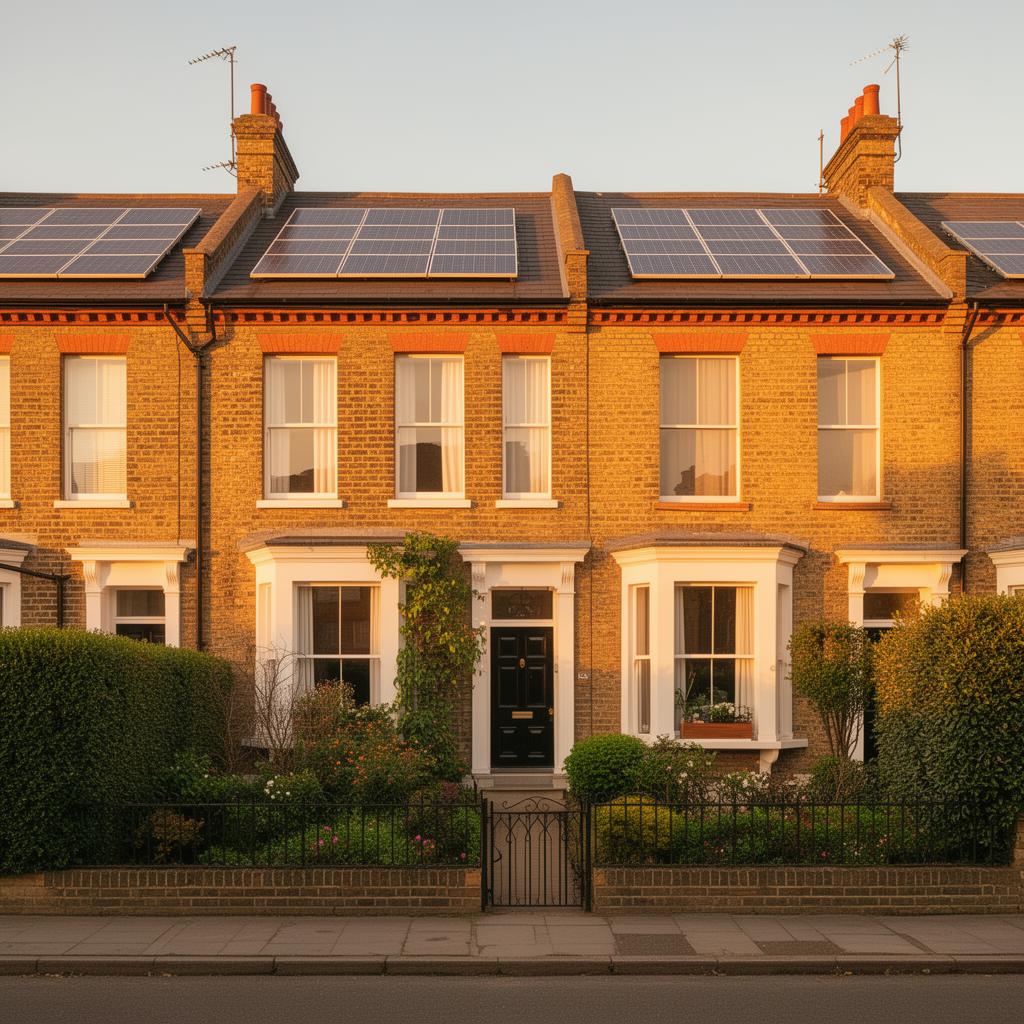
Composite door energy efficiency has improved dramatically in recent years, making these doors one of the most popular upgrades for UK homeowners looking to reduce heat loss through their front or back door. A well-specified composite door can achieve U-values as low as 0.7 W/m2K, significantly outperforming traditional timber, uPVC and aluminium alternatives. This guide covers everything you need to know about composite doors in 2026, from construction and thermal performance to realistic costs and the potential for 0% VAT on energy-efficient installations.
How Much Does a Composite Door Cost in the UK?
A composite front door costs between £800 and £2,500 fully fitted in the UK in 2026, depending on style, hardware and glazing options. A standard solid-core composite door without glass starts at around £800 installed, while premium designs with decorative glass panels, smart locks and higher security ratings range from £1,500 to £2,500.
Composite doors are significantly more energy-efficient than uPVC or timber alternatives, with U-values as low as 0.8 W/m²K compared to 1.8 to 3.0 W/m²K for older wooden doors. The insulated foam core and multi-layer construction also provide superior sound insulation and security. Most composite doors are Secured by Design rated and come with a 10 to 15 year guarantee against warping, fading and cracking.
What Is a Composite Door and How Is It Constructed?
A composite door combines multiple materials into a single door leaf to achieve strength, durability, thermal performance and weather resistance that no single material can deliver alone. The typical construction of a modern composite door includes:
- Outer skin: A GRP (glass reinforced plastic) moulded face that replicates the appearance of timber grain. GRP is extremely weather-resistant, does not warp, rot or fade and maintains its appearance for decades with minimal maintenance.
- Core: A rigid polyurethane foam core provides the bulk of the thermal insulation. Higher-specification doors may use a solid timber sub-frame within the foam core for additional structural rigidity.
- Inner skin: Either a second GRP skin or a composite wood board, depending on the manufacturer.
- Edge banding: Hardwood or composite edging strips around the perimeter provide strength at the hinge and lock points.
- Glazing: Decorative glass panels (if fitted) are typically double or triple glazed with low-e coatings and argon gas fill.
This multi-layer construction is what gives composite doors their distinctive combination of timber-like appearance, excellent thermal performance and virtually zero maintenance requirements.
Composite Door Energy Efficiency: U-Values Explained
The U-value of a door measures how much heat passes through it per square metre per degree of temperature difference. A lower U-value means less heat loss and better energy efficiency.
Composite doors achieve some of the best U-values available in domestic door products:
| Door Type | Typical U-Value | Performance Rating |
|---|---|---|
| Old timber panel door | 3.0+ W/m2K | Very poor |
| Basic uPVC door | 1.6-2.0 W/m2K | Below standard |
| Standard composite door (solid) | 0.9-1.2 W/m2K | Good |
| Premium composite door (solid) | 0.7-0.9 W/m2K | Excellent |
| Composite door with glazed panels | 1.0-1.4 W/m2K | Good to very good |
| Aluminium insulated door | 1.2-1.6 W/m2K | Acceptable to good |
The solid (unglazed) composite door achieves the best U-values because the entire door leaf is filled with insulating foam. Adding glazed panels introduces a weaker point thermally, though modern double-glazed units with low-e glass and argon fill minimise this impact.
Building Regulations (Approved Document L) require replacement doors to achieve a maximum U-value of 1.4 W/m2K for doors with more than 50% glazing, or 1.4 W/m2K for solid doors when fitted as part of a dwelling replacement. Most composite doors comfortably exceed this requirement.
Composite Door Costs in 2026: What to Expect
Composite door prices vary significantly depending on the manufacturer, design, hardware specification and glazing options. Here are realistic 2026 price ranges for supply and professional installation in the UK.
| Door Specification | Supply and Install Cost |
|---|---|
| Budget composite door (solid, standard design) | GBP 1,200-1,600 |
| Mid-range composite door (glazed, quality hardware) | GBP 1,600-2,200 |
| Premium composite door (triple glazed, high security) | GBP 2,200-3,000 |
| Designer or bespoke composite door | GBP 3,000-3,500 |
These prices include the door, frame, threshold, hardware (hinges, handles, letterbox), locking mechanism, installation labour and FENSA or CERTASS certification. Multi-point locking systems, security chains and spyholes are typically included as standard on mid-range and premium products.
For comparison, a basic uPVC front door costs GBP 600-1,000 installed, while a solid timber front door costs GBP 1,500-3,000 depending on the timber species and design. Composite doors sit in the mid-to-upper price range but offer superior thermal performance and longevity compared to both alternatives.
Part L Compliance and Building Regulations
Replacing an external door is a controlled building work under the Building Regulations. This means the new door must comply with Part L (energy efficiency) and the installation must be certified through FENSA, CERTASS or local authority building control.
The key compliance requirements for replacement doors are:
- U-value: Maximum 1.4 W/m2K for doors with more than 50% glazing; 1.4 W/m2K for solid doors (this is the whole-door U-value including frame and threshold)
- Draught-proofing: Effective weather seals around the full perimeter of the door
- Trickle ventilation: If the existing door had a trickle vent, the replacement should include equivalent background ventilation (though many doors are exempt from trickle vent requirements)
- Safety glazing: Any glass panels below 800mm from floor level must be safety glass to comply with Part K
- Fire escape: If the door forms part of a fire escape route, it must be openable without a key from the inside
All composite doors from reputable manufacturers are designed to meet or exceed these requirements. Your FENSA-registered installer will confirm compliance as part of the certification process.
Security Ratings for Composite Doors
Beyond energy efficiency, security is one of the primary reasons homeowners choose composite doors. The solid construction and multi-point locking systems provide significantly better resistance to forced entry than standard uPVC or timber panel doors.
Look for these security credentials when choosing a composite door:
- PAS 24:2022: The British Standard for enhanced security performance of doorsets. PAS 24 certified doors have been tested against attempted break-in using common burglar tools and methods. Most insurance companies recognise PAS 24 as meeting their door security requirements.
- Secured by Design: A police-backed initiative that awards the SBD mark to doors meeting specific security standards. SBD-approved composite doors include PAS 24 compliance plus additional requirements for hardware, glazing and frame security.
- Multi-point locking: A system with 3-5 locking points around the door frame (typically hooks and deadbolts) rather than a single lock at handle height. Standard on most mid-range and premium composite doors.
- Anti-snap cylinders: The euro cylinder lock should be anti-snap, anti-pick, anti-drill and anti-bump. The most common method of forced entry on composite doors is cylinder snapping, so this is a critical specification.
0% VAT on Energy-Saving Door Installations
Since April 2022, the UK Government has applied a temporary 0% VAT rate to the installation of certain energy-saving materials in residential properties. This was initially set to run until March 2027.
Whether composite doors qualify for 0% VAT depends on the specific circumstances:
- Qualifying installations: The door must be installed as an energy-saving measure, replacing a less efficient door. The supply and installation must be provided together by the same contractor (supply-only does not qualify).
- Insulation products: The VAT relief covers “insulation for walls, floors, ceilings and loft spaces” and certain other energy-saving materials. Doors are not explicitly listed as insulation products, but HMRC guidance has indicated that energy-efficient doors installed as part of a wider energy improvement package may qualify.
- Practical application: In practice, many installers are applying the 0% VAT rate to composite door installations where the door demonstrably improves the energy efficiency of the dwelling. Check with your installer whether they are applying the reduced rate and on what basis.
The VAT situation is nuanced and subject to HMRC interpretation. If VAT is a significant factor in your decision, ask your installer for written confirmation of the VAT rate being applied and the basis for it.
Choosing the Right Composite Door for Your Home
With hundreds of composite door designs available in the UK market, narrowing down your choice involves several decisions:
- Solid vs glazed: Solid composite doors offer the best U-values and maximum security. Glazed designs let light into the hallway but at slightly reduced thermal and security performance.
- Colour and finish: GRP skins are available in a wide range of colours, from traditional black, white and green to contemporary grey, anthracite and duck egg blue. Woodgrain textures provide a realistic timber appearance.
- Glass options: Decorative glass panels are available in obscure, etched, stained-glass-effect and clear designs. Triple-glazed options provide the best thermal and acoustic performance for glazed panels.
- Threshold type: Low-threshold options improve accessibility for wheelchair users and pushchairs. Standard raised thresholds provide better weather sealing in exposed locations.
- Smart locks: Keyless entry systems, smart locks compatible with home automation, and fingerprint readers are increasingly available for composite doors.
Leading UK composite door manufacturers include Solidor, Endurance, Rockdoor, Hurst and Truedor. Each brand has its own construction method, core type and hardware specification. Ask your installer which brands they supply and why, and request to see samples or visit a showroom before committing.
A new composite door works best as part of a broader energy efficiency upgrade. Combining it with new windows, insulation and an efficient boiler or heat pump creates a comprehensive improvement. Get a free quote to explore the full range of options for your home.
Frequently Asked Questions
How long do composite doors last?
A well-made composite door has an expected lifespan of 25-35 years or more. The GRP skin does not rot, warp or require painting, and the foam core maintains its insulating properties indefinitely. The hardware (locks, hinges, handles) may need replacement or servicing sooner, typically after 10-15 years. Most reputable manufacturers offer guarantees of 10-15 years on the door leaf and 2-5 years on hardware.
Do composite doors warp in hot weather?
Dark-coloured composite doors can absorb significant heat from direct sunlight, causing temporary expansion that may make the door stiff to open and close. This is a known characteristic, particularly for south-facing black or dark grey doors. The door returns to its normal shape as it cools. Some manufacturers offer adjustable hinges that accommodate this thermal movement. Lighter colours are less prone to the issue.
Are composite doors better than uPVC doors?
In most respects, yes. Composite doors offer better thermal performance (U-values of 0.7-1.2 versus 1.6-2.0 for uPVC), better security (thicker, more rigid construction), more realistic timber appearance and greater durability. The main advantage of uPVC doors is cost, at GBP 600-1,000 installed versus GBP 1,200-3,000 for composite. For homeowners who prioritise performance and appearance, composite is the better investment.
Do I need FENSA certification for a new composite door?
Yes. Replacing an external door is controlled building work under the Building Regulations. The installation must be certified through FENSA, CERTASS or local authority building control. Without certification, you will face the same problems as with uncertified window replacements when you come to sell the property. Always use a registered installer.
Can I fit a composite door myself?
While it is physically possible to fit a composite door as a DIY project, you cannot self-certify Building Regulations compliance. You would need to apply to your local authority building control before starting, pay their inspection fee (typically GBP 200-400) and have the work inspected. Given that professional installation typically adds only GBP 200-300 to the supply cost and includes FENSA certification, professional fitting is almost always the better option.
See what these numbers mean for your home
Free instant estimate — costs, savings, payback and grants for your region.

Related Articles

Home Insulation Costs and Grants: Your Complete 2026 Guide
Update (June 2026): ECO4 closed to new applications in March 2026. Approved installations continue to December 2026. The Warm Homes: Local Grant is now the main funding route for insulation.…
18 May 2026
How to Reduce Condensation and Damp While Keeping Your Home Warm
Learn why condensation forms in UK homes, the difference between condensation and rising damp, and proven ventilation strategies to fix damp without losing heat.
8 May 2026
Conservatory Roof Replacement: How a Solid Roof Cuts Energy Bills and Adds Value
Replacing an old polycarbonate or glass conservatory roof with a solid insulated roof can slash heat loss, cut energy bills and turn a seasonal room into a year-round living space.
6 May 2026