Cavity Wall Insulation: Costs, Savings and Whether It’s Worth It in 2026
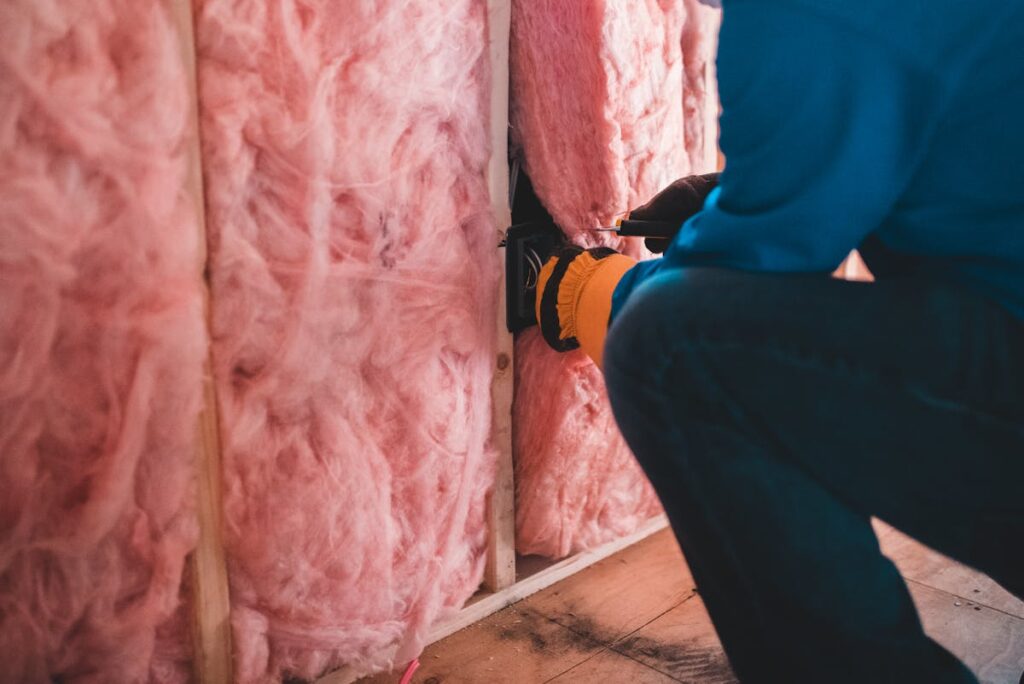
Cavity wall insulation is one of the cheapest and most effective energy efficiency upgrades available to UK homeowners. It can be installed in a matter of hours, typically costs a few hundred pounds, and pays for itself within a couple of years. But it is not suitable for every home. This guide covers the costs, savings, and the situations where cavity wall insulation is and is not a good idea.
How Much Does Cavity Wall Insulation Cost in the UK?
Cavity wall insulation costs between £400 and £1,500 in the UK in 2026, depending on property size. A mid-terrace house typically costs £400 to £600, a semi-detached home £600 to £900 and a detached property £900 to £1,500. Many homeowners pay nothing at all through the ECO4 scheme or the Warm Homes Local Grant.
Is Cavity Wall Insulation Worth It?
Yes, cavity wall insulation is worth it for most UK homes built between the 1920s and 1990s. It typically costs £400 to £1,500, saves £120 to £400 per year on heating bills and pays for itself within two to four years. Eligible homeowners can get it installed free through the ECO4 scheme or the Warm Homes Local Grant.
What Is Cavity Wall Insulation?
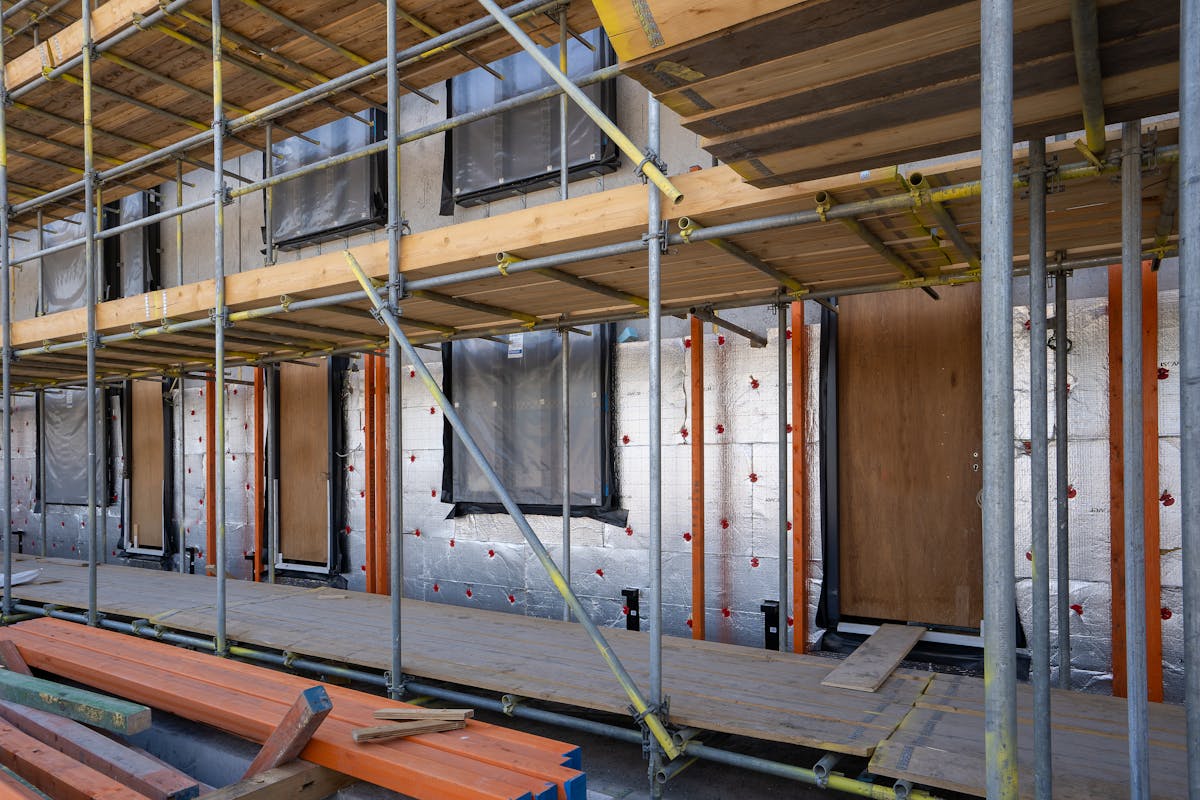
Most homes built in the UK from the 1920s onwards have cavity walls. These are two layers of brick or block with a gap (the cavity) between them. That gap is typically 50mm to 100mm wide. Cavity wall insulation fills that gap with an insulating material, usually mineral wool, polystyrene beads, or polyurethane foam, to reduce heat loss.
An uninsulated cavity wall lets a significant amount of heat escape. The Energy Saving Trust estimates that cavity wall insulation can reduce heat loss through your walls by approximately 40% to 60%, depending on the property type and cavity width.
Is Your Home Suitable?
Cavity wall insulation works best for homes that meet the following criteria:
- Built between the 1920s and 1990s: these properties almost always have unfilled cavity walls. Homes built after the mid-1990s were typically insulated during construction under updated Building Regulations.
- Cavity width of at least 50mm: narrower cavities can be difficult to fill effectively and may not provide sufficient insulation.
- Walls in reasonable condition: the brickwork should be sound with intact mortar joints and no significant cracking.
- No existing damp problems: the cavity acts as a barrier against moisture penetration. Filling it in a property that already has damp issues can make the problem worse.
If you are unsure whether your home has cavity walls, there is a simple check. If your external brickwork shows a regular pattern where all bricks are laid lengthways (a stretcher bond pattern), your home almost certainly has cavity walls. If you see a mix of long and short bricks, it is likely a solid wall.
Typical Costs
Cavity wall insulation is one of the most affordable energy upgrades. Typical costs in 2026 are:
- Mid-terrace house: approximately £400 to £600.
- Semi-detached house (3 bedrooms): approximately £600 to £900.
- Detached house: approximately £900 to £1,500.
- Bungalow: approximately £500 to £800.
The price depends on the size of the property, the number of storeys, accessibility, and the type of fill material used. Foam-based fills tend to be more expensive than mineral wool or bead insulation.
How Much Can You Save?
Savings depend on your property type, how well-insulated the rest of your home is, and how much you spend on heating. Based on Energy Saving Trust estimates and the Q2 2026 energy price cap (gas at approximately 5.7p per kWh), typical annual savings are:
- Mid-terrace house: estimated £120 to £175 per year.
- Semi-detached house: estimated £180 to £260 per year.
- Detached house: estimated £275 to £400 per year.
- Bungalow: estimated £150 to £220 per year.
For a typical 3-bed semi-detached house, that means a payback period of approximately 2 to 4 years. After that, the savings are pure money back in your pocket every year for the estimated 25-year-plus lifespan of the insulation.
What Does the Installation Involve?
The installation process is straightforward and causes minimal disruption. A registered installer will:
- Drill small holes in the external brickwork: these are typically 22mm in diameter, drilled into the mortar joints at regular intervals across the wall.
- Inject the insulation material: the fill is pumped through the holes into the cavity until it is full.
- Seal the holes: the drill holes are filled with colour-matched mortar so they are barely visible once complete.
The whole process typically takes 2 to 3 hours for an average semi-detached house. There is no need to move furniture, redecorate, or vacate the property. All work is done from the outside.
When Cavity Wall Insulation Is NOT Suitable
Cavity wall insulation is not appropriate for every home. There are specific situations where it can cause problems or simply will not work:
- Narrow cavities (under 50mm): very narrow gaps are difficult to fill completely and may not provide meaningful insulation. Some older properties from the 1920s and 1930s have cavities as narrow as 25mm.
- Exposed or severely weather-beaten locations: homes in coastal areas, at high elevation, or facing prevailing wind and driving rain are at higher risk of moisture being driven through the insulation and into the inner wall. A pre-installation exposure assessment should identify this risk.
- Existing damp or moisture problems: if your walls already show signs of damp, penetrating moisture, or rising damp, filling the cavity can trap moisture and make the problem significantly worse. The damp must be resolved first.
- Damaged or deteriorating brickwork: cracked mortar, spalling bricks, or failed render can allow water into the cavity. The wall needs to be repaired before insulation is considered.
- Cavity already partially filled with rubble or debris: in some older properties, the cavity may contain mortar droppings or building debris from the original construction, which prevents even filling.
If your home falls into any of these categories, it does not necessarily mean you cannot improve your wall insulation. Internal or external wall insulation may be alternatives, though both are more expensive and more disruptive than cavity fill.
Free Insulation Through the ECO4 Scheme
You may not need to pay anything at all. Under the ECO4 scheme (extended to December 2026), eligible households can get cavity wall insulation installed completely free of charge. To qualify, you typically need to:
- Receive a qualifying benefit: such as Universal Credit, Pension Credit, Income-based JSA, ESA, or Child Tax Credit.
- Have a home rated EPC band D, E, F, or G: this confirms the property would benefit from energy efficiency improvements.
- Own your home or have landlord consent: private tenants can qualify if their landlord agrees in writing.
Even if you do not receive benefits, you may still qualify under your local authority’s LA Flex criteria, which sets income thresholds (typically £31,000 to £38,000 depending on household size and council area). It is worth checking even if you think you might not be eligible.
Is It Worth It?
For most homes built between the 1920s and 1990s with unfilled cavities, the answer is almost certainly yes. The combination of low cost, fast installation, short payback period, and long lifespan makes cavity wall insulation one of the best-value energy improvements available. If your home is suitable and you are paying for heating, it is one of the first things you should do. You can check your eligibility for free installation or compare quotes from approved installers through Green Reach Energy.
See what these numbers mean for your home
Free instant estimate — costs, savings, payback and grants for your region.

Related Articles
Home Insulation Costs and Grants: Your Complete 2026 Guide
Update (June 2026): ECO4 closed to new applications in March 2026. Approved installations continue to December 2026. The Warm Homes: Local Grant is now the main funding route for insulation.…
18 May 2026
How to Reduce Condensation and Damp While Keeping Your Home Warm
Learn why condensation forms in UK homes, the difference between condensation and rising damp, and proven ventilation strategies to fix damp without losing heat.
8 May 2026
Conservatory Roof Replacement: How a Solid Roof Cuts Energy Bills and Adds Value
Replacing an old polycarbonate or glass conservatory roof with a solid insulated roof can slash heat loss, cut energy bills and turn a seasonal room into a year-round living space.
6 May 2026