What Is a Thermal Bridge and How Do You Fix Cold Spots in Your Home?
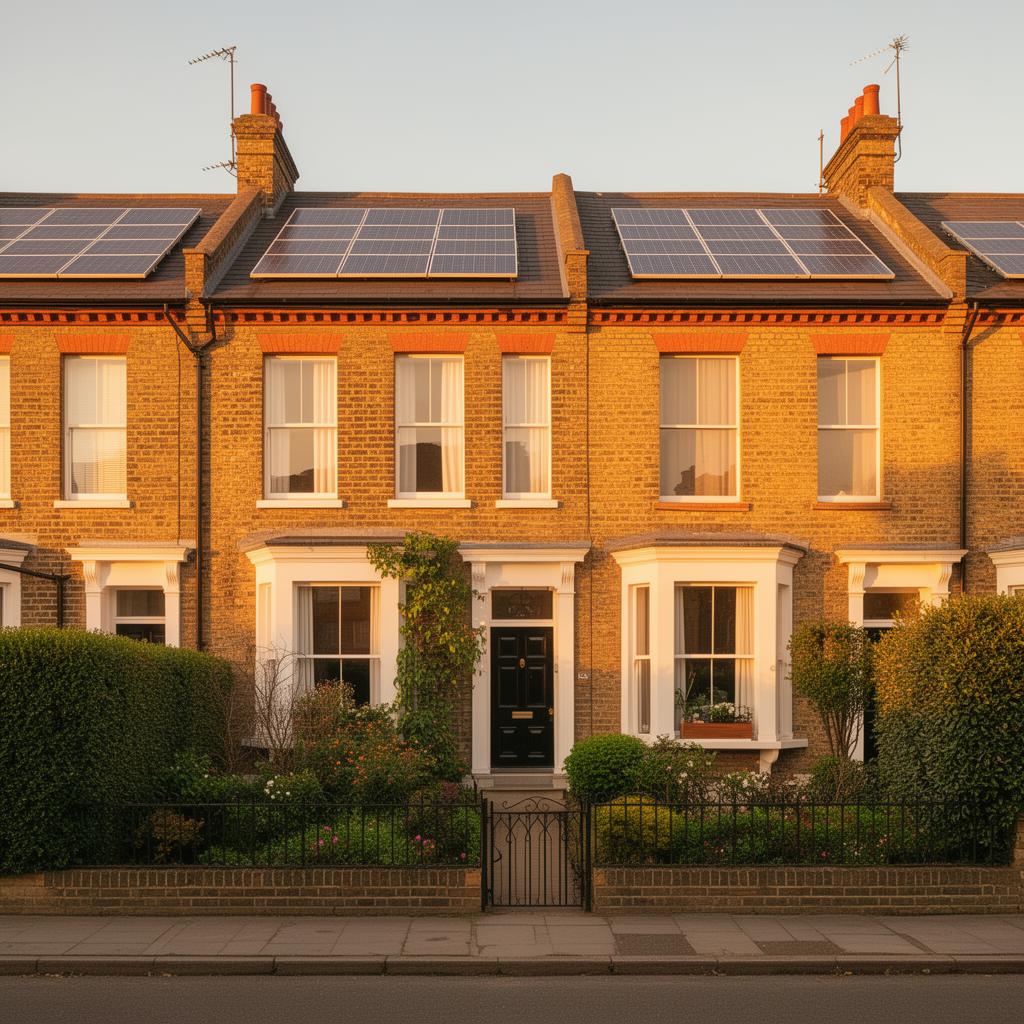
If you have ever noticed cold patches on your walls, condensation forming in specific spots, or mould growing in corners despite decent insulation elsewhere, you are likely dealing with thermal bridging. Cold spots caused by thermal bridging are one of the most misunderstood problems in home energy efficiency, yet they can account for 20 to 30% of total heat loss in a well-insulated building. Understanding what causes them and how to fix them can transform both the comfort and efficiency of your home.
What Is a Thermal Bridge?
A thermal bridge is an area in your home’s structure where heat escapes more easily than through the surrounding materials, creating a cold spot on the internal surface. Common examples include steel lintels above windows, wall-to-floor junctions and uninsulated window reveals. Thermal bridges are responsible for up to 30 percent of heat loss in well-insulated homes and often cause condensation and mould.
How to Fix Cold Spots Caused by Thermal Bridging
- Identify the cold spots — use a thermal imaging camera or look for condensation and mould patterns on walls and ceilings
- Insulate window and door reveals — fit 20 to 30mm insulated plasterboard to the sides of window openings
- Add internal wall insulation at junctions — apply insulated plasterboard or aerogel strips where walls meet floors and ceilings
- Insulate steel lintels — wrap exposed lintels with thermal break material or fit insulated cavity closers
- Improve ventilation — use trickle vents or a mechanical extract fan to reduce moisture buildup on cold surfaces
Fixing thermal bridges is one of the most overlooked energy efficiency upgrades. Even homes with good loft and wall insulation can lose significant heat through untreated junctions and reveals. Addressing the worst thermal bridges typically costs £500 to £2,000 and can reduce heating demand by 5 to 15 percent.
What Is Thermal Bridging in Plain English?
A thermal bridge is simply a part of the building structure where heat passes through more easily than through the surrounding insulated areas. Think of it as a shortcut for heat to escape, bypassing the insulation you have installed.
Imagine you are wearing a warm jacket but left the zip undone. The jacket (insulation) works well across most of your body, but heat pours out through the open zip (the thermal bridge). In a house, thermal bridges occur at points where the insulation is interrupted by structural elements, junctions, or design details that conduct heat better than the surrounding insulation.
The most common locations for thermal bridging in UK homes include:
- Lintels above windows and doors: Steel or concrete lintels span the opening and conduct heat directly through the wall, creating a cold strip above every window.
- Window and door reveals: The sides and top of window openings are often thin masonry with no insulation, forming cold frames around the glazing.
- Wall-to-floor junctions: Where the ground floor meets the external wall, the concrete floor slab often extends to the outer leaf, creating a cold line at skirting board level.
- Wall-to-roof junctions: At the point where the wall meets the ceiling, the insulation transition between wall and loft insulation is often incomplete.
- Corners of rooms: External corners have more external surface area than internal volume, making them naturally colder than flat wall sections.
- Balcony connections: Where a concrete balcony or slab penetrates through the external wall, creating a direct thermal path from inside to outside.
- Steel beams: Structural steel beams that pass through the insulation layer conduct heat rapidly.
Why Thermal Bridging Cold Spots Cause Condensation and Mould
The reason thermal bridges are more than just an energy efficiency issue is that they create the perfect conditions for condensation and mould growth.
Warm indoor air contains moisture. When this air meets a cold surface, it drops below its dew point temperature and moisture condenses out of the air onto the surface. The colder the surface, the more condensation forms. A thermal bridge creates a localised cold spot on an otherwise warm wall, and condensation forms precisely at that spot.
For mould to grow, it needs moisture, warmth, and a food source (organic material such as paint, wallpaper paste, or dust). A thermal bridge provides the moisture through condensation, while the surrounding heated room provides the warmth. The result is mould growth that appears in highly specific locations, typically as black spots in corners, along the top of window reveals, or in a line above windows where the lintel sits.
A surface temperature below approximately 12.6 degrees Celsius when the room is heated to 20 degrees creates a relative humidity at the wall surface above 80%, which is the threshold for mould growth. Many thermal bridges reduce the surface temperature well below this threshold.
How to Identify Thermal Bridges in Your Home
Visual clues
Before investing in specialist equipment, look for these common signs of thermal bridging:
- Mould growth in specific, repeating locations (same corner of every bedroom, above every window)
- Condensation on walls rather than just on windows
- Cold patches you can feel when running your hand along the wall
- Pattern staining on walls, where dust adheres to damp areas creating visible outlines of the structure behind (sometimes called ghosting)
- Wallpaper peeling or blistering in specific areas
Thermal imaging
A thermal imaging camera (also called an infrared camera) is the definitive tool for identifying thermal bridges. It creates a colour-coded image showing surface temperatures across the wall, making cold spots immediately visible as blue or purple areas against the warmer yellow and orange background.
Thermal imaging surveys cost between GBP 150 and GBP 400 for a professional assessment of the whole house. Alternatively, smartphone thermal imaging attachments (such as the FLIR One) cost around GBP 200 to GBP 350 and allow you to survey your own property, though the resolution is lower than professional equipment.
For the most useful results, thermal imaging should be carried out when the temperature difference between inside and outside is at least 10 degrees Celsius, which typically means a cold winter morning or evening with the heating on.
How to Fix Thermal Bridges: Cost-Effective Solutions
The approach to fixing a thermal bridge depends on its location and the level of disruption you are willing to accept.
Window and door reveal insulation
Window reveals are one of the easiest thermal bridges to fix. Thin insulation returns (10 to 25mm) fitted to the reveal surfaces eliminate the cold frame around the window. Materials include:
- Aerogel blanket (10mm): The thinnest option, achieving excellent thermal performance in minimal thickness. Ideal where the reveal depth is limited. Cost: GBP 40 to GBP 80 per square metre.
- Thin PIR board (20-25mm): Good thermal performance at lower cost than aerogel. May reduce the visible window opening slightly. Cost: GBP 10 to GBP 20 per square metre.
- Insulated plasterboard (25mm composite): Combines insulation and a finished plaster surface. Cost: GBP 15 to GBP 25 per square metre.
For a typical window with three reveals (two sides and a top), the material cost is GBP 20 to GBP 80 depending on the insulation chosen. Professional installation adds GBP 50 to GBP 100 per window for plastering and making good.
Lintel insulation
Cold lintels above windows are harder to fix because the lintel is a structural element embedded in the wall. Options include:
- Internal insulation strip: A strip of insulated plasterboard or aerogel blanket fixed to the wall above the window, covering the area where the lintel conducts cold. This is the most practical solution for existing homes.
- External insulation: If the property has or is receiving external wall insulation, the continuous external layer covers the lintel and eliminates the thermal bridge completely.
- Cavity insulation: If the lintel sits within a cavity wall, injecting insulation around and above the lintel can reduce the bridge, though access is often limited.
Corner and junction treatment
Cold corners can be improved by fitting thin insulation strips or insulated plasterboard to the internal corner surfaces. A 25mm insulated plasterboard strip extending 300mm either side of the corner typically raises the surface temperature sufficiently to prevent condensation. The cost per corner is around GBP 30 to GBP 60 for materials.
Floor-to-wall junction treatment
The cold line at floor level where the slab meets the external wall can be addressed by fitting an insulated skirting board or a strip of insulation behind the existing skirting. Perimeter insulation strips (available from specialist suppliers) fit behind skirting boards and add 15 to 25mm of insulation to the critical junction area.
Aerogel: The High-Performance Solution for Thin Applications
Aerogel insulation deserves special mention because it solves the thickness problem that often prevents thermal bridge treatment. With a thermal conductivity of just 0.015 W/mK, aerogel is the most thermally efficient insulation material commercially available, outperforming PIR by approximately 30%.
A 10mm sheet of aerogel provides the same thermal resistance as approximately 20mm of PIR or 25mm of mineral wool. This makes it ideal for applications where space is extremely limited, such as window reveals, behind radiators, and around structural steel beams.
The downside is cost. Aerogel blanket costs GBP 40 to GBP 80 per square metre, several times more than conventional insulation. However, for targeted thermal bridge treatment where the area being insulated is small, the total cost is manageable and the performance benefit is significant.
Thermal Bridge Fixes: Costs and Impact
| Thermal Bridge Location | Typical Fix | Cost per Location | Impact |
|---|---|---|---|
| Window reveals (per window) | 20mm PIR or 10mm aerogel | GBP 30 to GBP 100 | Eliminates mould around windows |
| Cold lintel (per window) | Internal insulated strip | GBP 40 to GBP 80 | Removes cold band above windows |
| Room corners (per corner) | Insulated plasterboard strips | GBP 30 to GBP 60 | Stops corner mould |
| Floor-wall junction (per room) | Perimeter insulation strip | GBP 40 to GBP 80 | Warms cold skirting area |
| Behind radiator on external wall | Reflective foil + thin insulation | GBP 10 to GBP 25 | Reflects heat into room |
For a typical three-bedroom semi-detached house, addressing the most common thermal bridges (window reveals, lintels, and corners) in the worst-affected rooms costs approximately GBP 400 to GBP 1,000. This relatively modest investment can eliminate persistent mould problems and improve the effective thermal performance of the whole building envelope.
If you suspect thermal bridging is causing cold spots or mould in your home, request a free assessment and we can help identify the problem areas and recommend the most effective fixes.
Frequently Asked Questions About Thermal Bridging
Can thermal bridging be fixed without major building work?
Yes. Most thermal bridge fixes involve adding thin insulation layers to specific areas, not rebuilding walls. Window reveal insulation, corner treatment, and lintel strips can all be installed with minimal disruption, often as a weekend project. The main work involved is plastering and painting the finished surface, which any decorator can handle.
Will external wall insulation fix all thermal bridges?
External wall insulation (EWI) is the most comprehensive solution because it creates a continuous insulated layer over the entire wall surface, including lintels, reveals, and corners. It eliminates virtually all wall-related thermal bridges in one go. However, it is the most expensive approach and may not be feasible for all properties, particularly in conservation areas. For a more targeted and affordable approach, treating individual thermal bridges internally is very effective.
Is thermal bridging the same as damp?
No, but thermal bridging causes localised condensation, which in turn causes damp and mould. The underlying problem is heat loss, not moisture ingress. Unlike penetrating damp (water entering from outside), thermal bridge condensation is moisture from indoor air condensing on cold surfaces. Fixing the thermal bridge (raising the surface temperature) eliminates the condensation without needing to treat the damp itself.
How much heat is lost through thermal bridges?
In a poorly detailed building with good overall insulation, thermal bridges can account for 20 to 30% of total heat loss. In older properties with little insulation, the thermal bridges are less significant proportionally because the entire wall is losing heat. It is only when you insulate the main wall areas that the thermal bridges become the dominant heat loss path, which is why they often appear as problems after insulation upgrades.
Do new-build homes have thermal bridging?
New-build homes should have minimal thermal bridging because Part L of the Building Regulations requires thermal bridge calculations (psi-values) as part of the SAP assessment. However, the quality of construction varies, and even well-designed details can be compromised by poor workmanship on site. If you suspect thermal bridging in a new-build property, a thermal imaging survey can identify any issues while the builder’s warranty still applies.
See what these numbers mean for your home
Free instant estimate — costs, savings, payback and grants for your region.

Related Articles
Home Insulation Costs and Grants: Your Complete 2026 Guide
Update (June 2026): ECO4 closed to new applications in March 2026. Approved installations continue to December 2026. The Warm Homes: Local Grant is now the main funding route for insulation.…
18 May 2026
How to Reduce Condensation and Damp While Keeping Your Home Warm
Learn why condensation forms in UK homes, the difference between condensation and rising damp, and proven ventilation strategies to fix damp without losing heat.
8 May 2026
Conservatory Roof Replacement: How a Solid Roof Cuts Energy Bills and Adds Value
Replacing an old polycarbonate or glass conservatory roof with a solid insulated roof can slash heat loss, cut energy bills and turn a seasonal room into a year-round living space.
6 May 2026