Glazing for Noise Reduction: Which Windows Block the Most Sound?
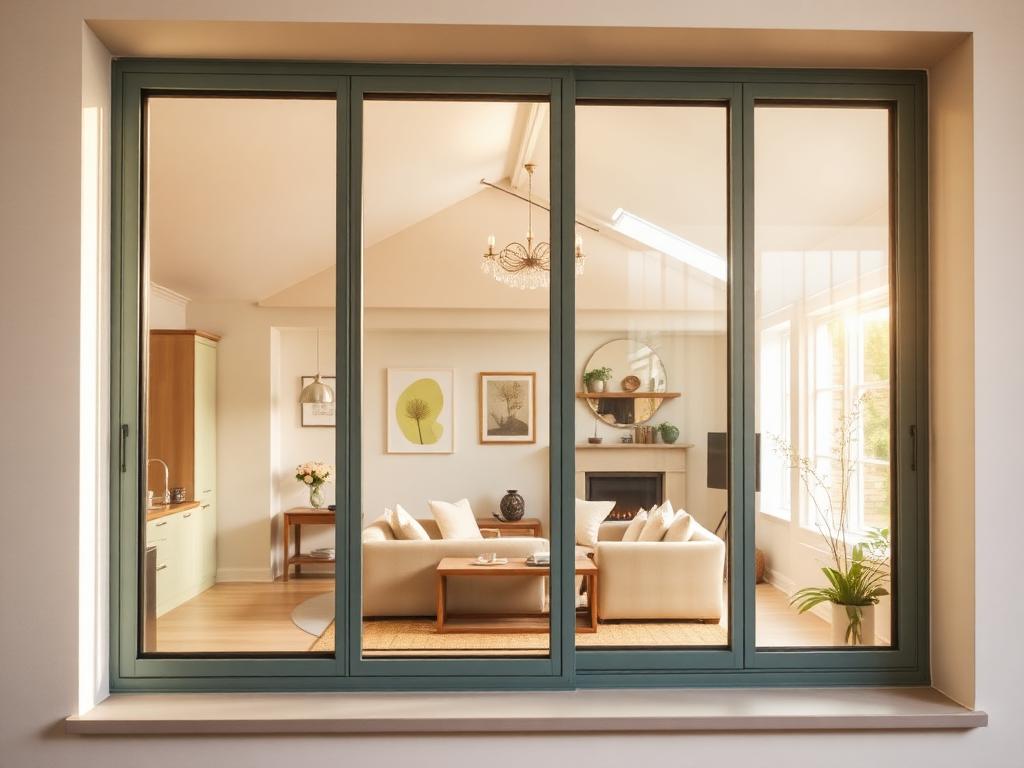
Living near a busy road, railway, or flight path means noise intrusion is a daily frustration. The right noise reduction windows UK homeowners can install make an enormous difference to quality of life, reducing traffic roar to a background murmur and making sleep and concentration far easier. However, not all glazing performs equally for sound reduction, and the best choice for noise may not be the same as the best choice for thermal performance.
Which Windows Block the Most Sound?
| Glazing Type | Sound Reduction (dB) | Best For |
|---|---|---|
| Single glazing (4mm) | 20–25 dB | Not effective for noise |
| Standard double glazing (4/16/4) | 28–32 dB | General domestic use |
| Acoustic double glazing (6/16/4) | 33–37 dB | Busy roads, urban areas |
| Triple glazing | 35–40 dB | Extreme noise and thermal insulation |
| Secondary glazing (wide cavity) | 40–45 dB | Maximum noise reduction, listed buildings |
| Acoustic laminated glass | 38–43 dB | Aircraft noise, nightclubs, railways |
Secondary glazing with a 100 to 200mm air gap between the existing window and the secondary pane provides the highest noise reduction of any domestic glazing option. For new installations, acoustic double glazing with asymmetric glass thicknesses (such as 6mm outer and 4mm inner) offers the best balance of noise reduction and thermal performance without the bulk of triple glazing.
How Sound Passes Through Windows
Sound is a pressure wave that travels through air and vibrates solid objects in its path. When noise hits a window, it causes the glass to vibrate, and that vibration transfers to the air on the other side, recreating the sound inside your room.
Three factors determine how effectively a window blocks sound:
- Mass: Heavier glass vibrates less and transmits less sound. Thicker glass is heavier and performs better acoustically.
- Air gap: The cavity between two panes of glass acts as a buffer. Wider gaps perform better for low-frequency sounds like traffic rumble.
- Damping: Laminated glass, which includes a plastic interlayer between two sheets of glass, absorbs vibration energy and converts it to heat. This damping effect significantly reduces sound transmission.
Understanding these three principles explains why different glazing configurations deliver very different acoustic results.
Decibel Reduction by Window Type
The acoustic performance of glazing is measured in decibels (dB) using the Rw rating (weighted sound reduction index). A higher Rw means more noise is blocked. As a rule of thumb, every 10 dB reduction sounds roughly half as loud to the human ear.
| Window Type | Typical Rw Rating | Noise Reduction |
|---|---|---|
| Single glazing (4mm) | 25 dB | Baseline |
| Standard double glazing (4-16-4mm) | 29 dB | Moderate |
| Asymmetric double glazing (6-16-4mm) | 33 dB | Good |
| Laminated double glazing (6.4-16-4mm) | 36 dB | Very good |
| Triple glazing (4-12-4-12-4mm) | 33 dB | Good |
| Acoustic double glazing (6.8lam-20-6mm) | 39 to 42 dB | Excellent |
| Secondary glazing (100mm gap) | 40 to 45 dB | Excellent |
| Secondary glazing with laminated glass | 45 to 50 dB | Outstanding |
Why Asymmetric Glass Thickness Improves Sound Insulation
Standard double glazing uses two panes of the same thickness (typically 4mm + 4mm). The problem is that identical panes resonate at the same frequency. When one pane vibrates, it efficiently transfers that vibration across the air gap to the second pane, which vibrates in sympathy. This resonance effect, known as the coincidence dip, means that at certain frequencies, standard double glazing performs no better than single glazing.
Asymmetric glazing uses panes of different thicknesses, for example 6mm + 4mm or 10mm + 6mm. Because the panes have different resonant frequencies, the coincidence effect is reduced. Each pane blocks the frequencies that the other lets through, creating better overall performance across the sound spectrum.
Simply switching from standard 4-16-4mm double glazing to asymmetric 6-16-4mm can improve acoustic performance by 3 to 4 dB, which is a noticeable difference. Further improvements come from using laminated glass for the outer pane, combining the benefits of asymmetry and damping.
Laminated Glass: The Key to Acoustic Performance
Laminated glass consists of two sheets of glass bonded together with a PVB (polyvinyl butyral) or EVA (ethylene-vinyl acetate) interlayer. This interlayer is the acoustic magic ingredient. It absorbs vibration energy, preventing the glass from resonating freely and dramatically reducing sound transmission.
Acoustic-grade laminated glass uses a thicker or specially formulated interlayer designed specifically for sound reduction. Standard laminated glass (such as that used for security) has a 0.38mm PVB interlayer, while acoustic laminated glass uses a 0.76mm to 1.52mm acoustic PVB interlayer.
The performance difference is significant:
- Standard 4mm glass: Rw 25 dB
- Standard 6.4mm laminated glass (3+0.38+3mm): Rw 31 dB
- Acoustic 6.8mm laminated glass (3+0.76+3mm): Rw 34 dB
- Acoustic 8.8mm laminated glass (4+0.76+4mm): Rw 36 dB
When specified as the outer pane in a double-glazed unit with an asymmetric air gap, acoustic laminated glass delivers the best noise reduction available from a standard-depth sealed unit.
Noise Reduction Windows UK: Secondary Glazing for Noise Hotspots
For the most demanding noise environments, including homes directly beside motorways, underneath flight paths, or adjacent to railway lines, secondary glazing outperforms even the best replacement double glazing units.
The reason is the air gap. A sealed double-glazed unit has a cavity of 16 to 20mm. Secondary glazing creates a gap of 50 to 200mm between the original window and the secondary panel. This much wider gap provides substantially better acoustic separation, particularly at low frequencies where traffic noise is most problematic.
With acoustic laminated glass in the secondary panel and a 100mm gap, secondary glazing achieves noise reductions of 45 to 50 dB. This turns what might be a 70 dB traffic roar into a barely perceptible 20 to 25 dB murmur, quieter than a whisper.
Secondary glazing has additional advantages for noise reduction:
- It can be added without removing the existing windows
- It is significantly cheaper than full window replacement
- It is the only approved option for listed buildings and conservation areas
- It provides thermal improvement alongside acoustic benefits
Triple Glazing: Better for Noise Than Double?
Surprisingly, standard triple glazing is not necessarily better than good double glazing for noise reduction. A standard triple-glazed unit (4-12-4-12-4mm) achieves an Rw of around 33 dB, which is comparable to asymmetric double glazing and actually worse than acoustic laminated double glazing.
The issue is that triple glazing has three panes and two relatively narrow air gaps. At certain frequencies, the three panes resonate together, reducing acoustic performance. Triple glazing excels at thermal insulation (U-values as low as 0.7 W/m2K) but is not the acoustic champion many assume.
If your primary concern is noise and you are choosing replacement windows, specify acoustic laminated double glazing rather than standard triple glazing. If you need both thermal and acoustic performance, triple glazing with one acoustic laminated pane and asymmetric air gaps delivers the best of both worlds, though at a premium price.
Choosing the Right Glazing for Your Noise Environment
The right choice depends on the type and severity of noise you are experiencing.
| Noise Environment | Typical External Noise Level | Recommended Glazing |
|---|---|---|
| Quiet residential street | 40 to 50 dB | Standard double glazing |
| Moderate traffic road | 55 to 65 dB | Asymmetric double glazing |
| Busy urban road | 65 to 75 dB | Acoustic laminated double glazing |
| Major road or railway | 70 to 80 dB | Secondary glazing or acoustic double + secondary |
| Under flight path | 75 to 85 dB | Secondary glazing with laminated glass |
Remember that a window is only as good as its weakest point. Even the best acoustic glass will underperform if the window frame has gaps, the seals are worn, or there are trickle vents open during noisy periods. Ensure frames are well sealed and consider closeable trickle vents that allow ventilation when noise levels permit.
Costs of Noise Reduction Glazing in the UK
| Glazing Option | Cost per Window (installed) | Whole House (10 windows) |
|---|---|---|
| Standard double glazing | GBP 350 to GBP 700 | GBP 3,500 to GBP 7,000 |
| Acoustic laminated double glazing | GBP 500 to GBP 1,000 | GBP 5,000 to GBP 10,000 |
| Triple glazing | GBP 600 to GBP 1,200 | GBP 6,000 to GBP 12,000 |
| Secondary glazing (professional) | GBP 250 to GBP 600 | GBP 2,500 to GBP 6,000 |
Secondary glazing offers the best acoustic performance per pound spent. Adding secondary glazing to existing windows costs less than replacing them with acoustic double glazing and delivers better noise reduction. However, if your existing windows are at end of life anyway, acoustic laminated replacement units avoid the need for two layers of glazing.
To find the best noise reduction solution for your home, request a free assessment from our team. We can advise on the most effective and cost-efficient approach for your specific noise environment.
Frequently Asked Questions About Noise Reduction Windows
Do noise reduction windows also improve energy efficiency?
Yes. All double and triple glazing improves thermal performance compared to single glazing. Acoustic laminated double glazing typically achieves a U-value of 1.2 to 1.4 W/m2K, comparable to standard double glazing. Secondary glazing also improves thermal performance, reducing the window’s U-value by 40 to 60% depending on the air gap.
Is secondary glazing better than double glazing for noise?
For noise reduction specifically, yes. Secondary glazing with a 100mm air gap achieves 40 to 50 dB reduction, compared to 29 to 42 dB for double glazing. The wider air gap is the key advantage. For thermal performance, modern double glazing is typically better because the sealed, gas-filled unit is more effective at reducing heat transfer than a secondary glazing air gap.
Can I get a grant for noise reduction windows?
Some UK airports offer noise insulation grant schemes for properties under flight paths. Heathrow, Gatwick, and other major airports have schemes that contribute towards secondary glazing or acoustic window replacement. Local authorities near major roads may also have grants available. The ECO4 scheme can fund double glazing replacement for eligible properties, though acoustic specification is not guaranteed.
What is the cheapest way to reduce window noise?
The cheapest option is improving the seals on existing windows. Replacing worn rubber seals and adding draught-proofing strips can reduce noise by 2 to 5 dB for under GBP 50 per window. Heavy curtains with a thermal interlining add a further 3 to 5 dB reduction. For a more substantial improvement without replacing windows, DIY magnetic secondary glazing panels cost GBP 50 to GBP 120 per window and deliver meaningful noise reduction.
See what these numbers mean for your home
Free instant estimate — costs, savings, payback and grants for your region.

Related Articles
Home Insulation Costs and Grants: Your Complete 2026 Guide
Update (June 2026): ECO4 closed to new applications in March 2026. Approved installations continue to December 2026. The Warm Homes: Local Grant is now the main funding route for insulation.…
18 May 2026
How to Reduce Condensation and Damp While Keeping Your Home Warm
Learn why condensation forms in UK homes, the difference between condensation and rising damp, and proven ventilation strategies to fix damp without losing heat.
8 May 2026
Conservatory Roof Replacement: How a Solid Roof Cuts Energy Bills and Adds Value
Replacing an old polycarbonate or glass conservatory roof with a solid insulated roof can slash heat loss, cut energy bills and turn a seasonal room into a year-round living space.
6 May 2026