How Much Does It Cost to Soundproof a Wall or Floor in the UK?
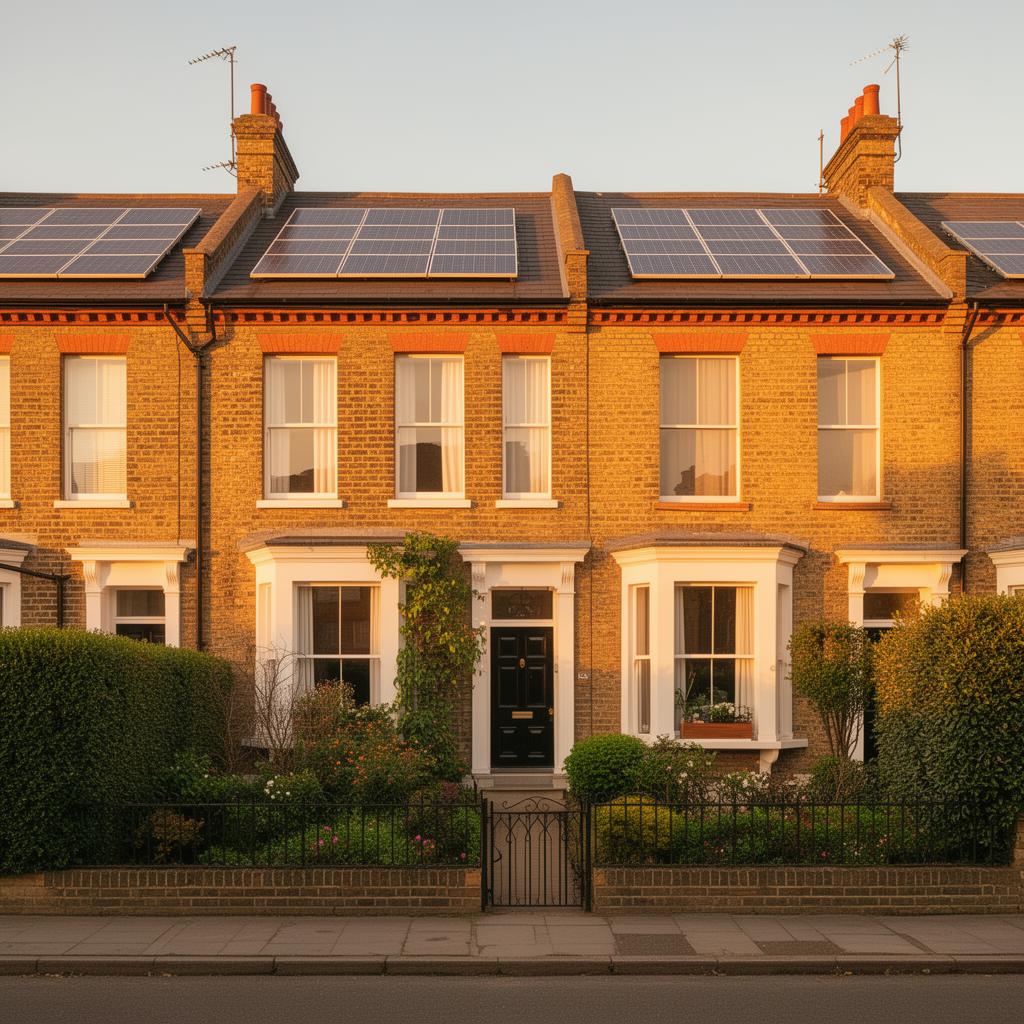
Whether it is your neighbour’s television, footsteps from the flat above, or traffic noise penetrating a party wall, unwanted sound is one of the most common complaints among UK homeowners and flat owners. Understanding the soundproofing cost UK homeowners face helps you budget effectively and choose the right solution. The good news is that many acoustic insulation materials also improve thermal performance, giving you a dual benefit from a single upgrade.
How Much Does Soundproofing Cost in the UK?
Soundproofing a wall costs between £40 and £100 per square metre in the UK in 2026, while soundproofing a floor costs £50 to £120 per square metre. For a typical bedroom party wall of 10 to 12 square metres, expect to pay £500 to £1,200 including materials and labour. A full room including walls, floor and ceiling can cost £2,000 to £5,000 depending on the level of sound reduction required.
The cheapest approach is adding a layer of acoustic plasterboard with resilient bars to an existing wall, which costs around £40 to £60 per square metre and reduces noise by 10 to 15 dB. For higher performance, an independent stud wall with a 50mm air gap and mineral wool infill achieves 45 to 55 dB reduction but costs £80 to £100 per square metre and reduces room size by 75 to 100mm on each treated wall.
Understanding Sound Transmission: Airborne vs Impact Noise
Before choosing a soundproofing solution, you need to understand the two types of sound transmission.
Airborne sound travels through the air and passes through walls, floors, and ceilings. Examples include speech, music, television, and traffic noise. Airborne sound is measured in decibels (dB) and the wall or floor’s resistance to it is rated as Rw (weighted sound reduction index). A higher Rw means better soundproofing.
Impact sound is generated by physical contact with a surface, such as footsteps, dropping objects, or moving furniture. It transfers directly through the structure. Impact sound performance is measured as Lnw (weighted normalised impact sound pressure level). A lower Lnw means less sound passes through.
Most soundproofing projects need to address both types, particularly for floors and ceilings where footstep noise (impact) and television noise (airborne) are equally problematic.
Soundproofing Cost UK: Wall Solutions
Party walls between terraced and semi-detached houses, and walls between flats, are the most common targets for soundproofing. The cost depends on the existing wall construction and the level of improvement needed.
| Wall Soundproofing Method | Cost per m2 (materials) | Cost per m2 (installed) | Sound Reduction Improvement |
|---|---|---|---|
| Acoustic mineral wool between new studs + acoustic plasterboard | GBP 20 to GBP 35 | GBP 50 to GBP 80 | 10 to 15 dB |
| Resilient bars + acoustic plasterboard (over existing wall) | GBP 15 to GBP 25 | GBP 40 to GBP 60 | 8 to 12 dB |
| Independent stud wall with air gap | GBP 30 to GBP 50 | GBP 70 to GBP 100 | 15 to 20 dB |
| Acoustic panels bonded to wall (thin systems) | GBP 25 to GBP 40 | GBP 45 to GBP 70 | 5 to 10 dB |
| Mass loaded vinyl (MLV) + plasterboard | GBP 20 to GBP 30 | GBP 45 to GBP 65 | 6 to 10 dB |
For a typical party wall in a semi-detached house measuring around 12 to 15 square metres, a mid-range soundproofing solution costs approximately GBP 600 to GBP 1,200 installed. The most effective method, an independent stud wall with a clear air gap, costs more but delivers the best results because the new wall is completely decoupled from the existing structure, preventing sound vibrations from transferring through.
What each method involves
Acoustic mineral wool between studs: A new timber or metal stud frame is built against the existing wall, leaving a small air gap. Acoustic-grade mineral wool (denser than standard insulation mineral wool, typically 45 to 60 kg/m3) is fitted between the studs, and one or two layers of acoustic plasterboard are screwed to the frame. This method adds roughly 75 to 100mm to the wall thickness.
Resilient bars: Metal channels (resilient bars) are screwed horizontally across the existing wall at 600mm centres. Acoustic plasterboard is then screwed to the resilient bars rather than directly to the wall. The bars flex slightly, decoupling the plasterboard from the structure and reducing sound transmission. This method adds only 35 to 50mm and is the least disruptive approach.
Independent stud wall: A completely separate stud wall is built with no physical connection to the existing party wall. The cavity between the two walls is filled with acoustic mineral wool. This is the gold standard for soundproofing but reduces room width by 100 to 150mm from each side.
Soundproofing Cost UK: Floor Solutions
Floor soundproofing is particularly important in flats and converted houses where footsteps, dropped items, and general living noise from above can be highly intrusive.
| Floor Soundproofing Method | Cost per m2 (materials) | Cost per m2 (installed) | Best For |
|---|---|---|---|
| Acoustic underlay beneath carpet or laminate | GBP 5 to GBP 15 | GBP 10 to GBP 25 | Impact noise reduction |
| Floating floor on acoustic cradles | GBP 30 to GBP 50 | GBP 60 to GBP 90 | Both airborne and impact |
| Acoustic mineral wool between joists + heavy board | GBP 20 to GBP 35 | GBP 45 to GBP 70 | Airborne noise |
| Sand pugging between joists (traditional) | GBP 15 to GBP 25 | GBP 40 to GBP 60 | Airborne noise (adds mass) |
| Floating screed on resilient layer | GBP 25 to GBP 45 | GBP 55 to GBP 85 | Both (concrete floors) |
For a typical room of 15 square metres, floor soundproofing costs range from GBP 150 for basic acoustic underlay to GBP 1,350 for a full floating floor system. The most effective approach for timber floors combines acoustic mineral wool between the joists with a floating floor deck on top, addressing both airborne and impact noise.
Soundproofing Cost UK: Ceiling Solutions
If the noise source is above you and you cannot treat the floor above (because it belongs to a neighbour in a flat), ceiling treatment is the alternative. Ceiling soundproofing is effective but typically delivers less improvement than treating the floor from above because impact noise transmits through the structure.
- Resilient bars + acoustic plasterboard below existing ceiling: GBP 40 to GBP 65 per m2 installed. Adds 40mm to ceiling depth. Effective for airborne noise, moderate for impact.
- Independent ceiling on new joists: GBP 70 to GBP 110 per m2 installed. Adds 100 to 150mm to ceiling depth. The most effective ceiling treatment available.
- Acoustic plasterboard over existing ceiling: GBP 30 to GBP 50 per m2 installed. Adds mass without structural changes. Modest improvement only.
Building Regulations Part E: What the Law Requires
Building Regulations Approved Document Part E sets minimum sound insulation standards for new-build properties and conversions. These standards do not apply to existing homes that are not being converted, but they provide a useful benchmark for what constitutes adequate soundproofing.
The key Part E requirements are:
- Airborne sound through party walls: Minimum DnTw of 45 dB (new build) or 43 dB (conversion)
- Airborne sound through party floors: Minimum DnTw of 45 dB (new build) or 43 dB (conversion)
- Impact sound through party floors: Maximum LnTw of 62 dB (new build) or 64 dB (conversion)
If you are converting a house into flats, converting a loft into a habitable room above another dwelling, or carrying out any work that creates new dwellings, Part E compliance is mandatory. Pre-completion testing by an accredited sound testing company costs around GBP 200 to GBP 400 per test.
Materials That Provide Both Thermal and Acoustic Benefits
Several insulation materials deliver both thermal insulation and sound reduction, making them ideal for projects where you want to improve energy efficiency and acoustic comfort simultaneously.
| Material | Thermal Conductivity (W/mK) | Acoustic Performance | Typical Use |
|---|---|---|---|
| Rock wool (e.g., Rockwool) | 0.035 to 0.038 | Excellent | Walls, floors, ceilings |
| Glass mineral wool (acoustic grade) | 0.035 to 0.040 | Very good | Walls, lofts, floors |
| Wood fibre boards | 0.038 to 0.042 | Very good | Walls, roofs |
| Cellulose (blown) | 0.038 to 0.040 | Good | Walls, lofts, floors |
| Sheep wool | 0.038 to 0.040 | Good | Walls, lofts |
Rock wool (stone wool) stands out as the best dual-purpose material. Its high density (typically 45 to 140 kg/m3 depending on the product) makes it an excellent sound absorber, while its thermal conductivity rivals glass wool. It is also non-combustible (Euroclass A1), which is an advantage for fire safety compliance.
If you are already planning thermal insulation improvements, specifying acoustic-grade mineral wool instead of standard insulation wool adds minimal extra cost, typically GBP 2 to GBP 5 per square metre more, while delivering significant acoustic benefits.
How to Prioritise Your Soundproofing Budget
Sound travels through the weakest link in a room’s construction. Spending heavily on wall soundproofing while leaving the floor or ceiling untreated will yield disappointing results because sound will flank around the treated element.
Before investing in soundproofing, identify the primary noise transmission path:
- Through the party wall: Common in terraced and semi-detached houses. Treat the wall first.
- Through the floor/ceiling: Common in flats. Treat the floor from above if possible, or the ceiling from below.
- Through windows: Traffic and aircraft noise often enters through glazing. Double glazing or secondary glazing may be more effective than wall treatment.
- Through the structure (flanking): Sound travelling through connected floor joists, shared chimney breasts, or continuous plaster. This requires specialist assessment to identify the flanking path.
If you are unsure where the noise is entering, a pre-installation acoustic survey costs around GBP 200 to GBP 400 and can save you from spending money on the wrong treatment. Request an assessment to get expert advice on the most effective approach for your situation.
Frequently Asked Questions About Soundproofing Costs
Can I soundproof a wall without losing much room space?
Yes. Resilient bar systems add only 35 to 50mm to the wall thickness. Thin acoustic panel systems bonded directly to the wall add as little as 25 to 30mm. While these thinner systems are less effective than full independent stud walls, they provide meaningful improvement with minimal loss of floor area.
Is soundproofing a DIY job?
Basic acoustic underlay beneath carpet or laminate is straightforward DIY. Wall soundproofing with resilient bars and acoustic plasterboard is achievable for a competent DIYer with plastering skills. Independent stud walls and floating floors are more complex and benefit from professional installation to avoid flanking paths that would undermine the acoustic performance.
What is the most cost-effective way to reduce noise from neighbours?
For party walls, resilient bars with two layers of acoustic plasterboard offer the best balance of cost and performance, typically costing GBP 600 to GBP 900 for a standard party wall and reducing noise by 8 to 12 dB. For floors, a combination of acoustic mineral wool between joists and heavy boarding on resilient battens delivers significant improvement for around GBP 700 to GBP 1,050 per room.
Do I need Building Regulations approval for soundproofing?
Adding soundproofing to an existing home does not require Building Regulations approval. Part E only applies to new-build dwellings, conversions creating new dwellings, and material changes of use. If you are converting a house into flats or adding a loft room that creates a new dwelling, Part E compliance and pre-completion sound testing are mandatory.
Will soundproofing also keep my home warmer?
In most cases, yes. Acoustic mineral wool, additional plasterboard layers, and sealed air gaps all contribute to thermal insulation. A wall soundproofed with 50mm of acoustic mineral wool and two layers of acoustic plasterboard will have a noticeably lower U-value than the original party wall alone. You gain both quieter rooms and reduced heating costs from the same investment.
See what these numbers mean for your home
Free instant estimate — costs, savings, payback and grants for your region.

Related Articles
Home Insulation Costs and Grants: Your Complete 2026 Guide
Update (June 2026): ECO4 closed to new applications in March 2026. Approved installations continue to December 2026. The Warm Homes: Local Grant is now the main funding route for insulation.…
18 May 2026
How to Reduce Condensation and Damp While Keeping Your Home Warm
Learn why condensation forms in UK homes, the difference between condensation and rising damp, and proven ventilation strategies to fix damp without losing heat.
8 May 2026
Conservatory Roof Replacement: How a Solid Roof Cuts Energy Bills and Adds Value
Replacing an old polycarbonate or glass conservatory roof with a solid insulated roof can slash heat loss, cut energy bills and turn a seasonal room into a year-round living space.
6 May 2026