Secondary Glazing for Listed Buildings and Conservation Areas
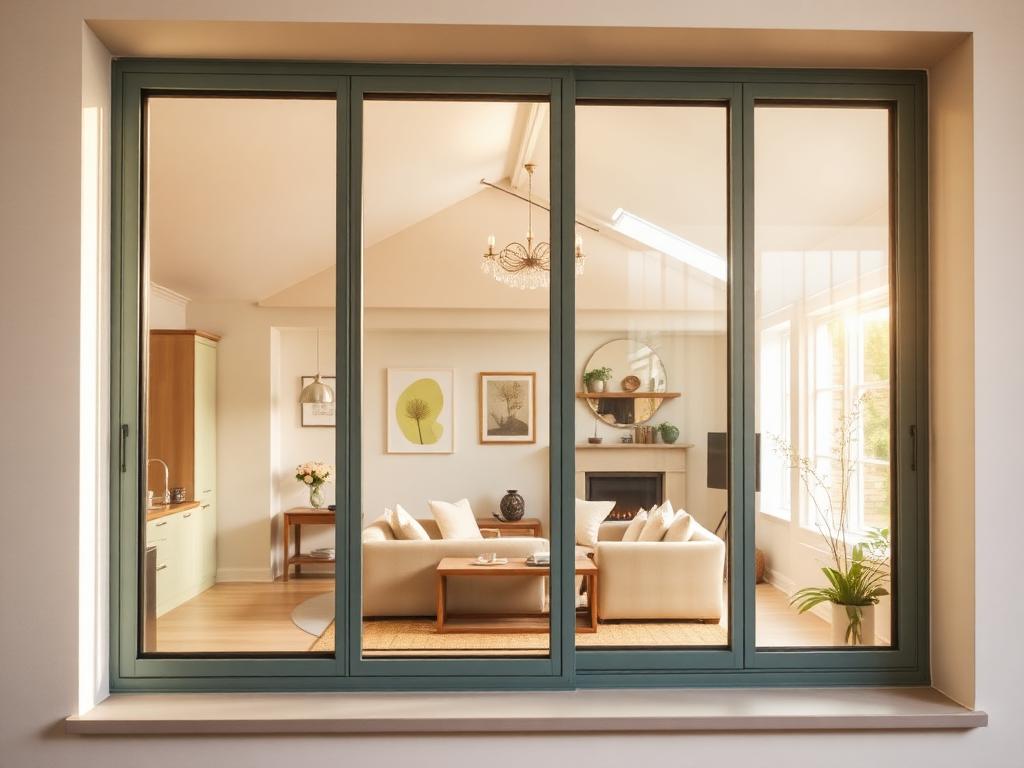
If you own a listed building or a property in a conservation area, replacing your original windows with modern double glazing is almost certainly not an option. Planning restrictions exist to protect the character and heritage of historic buildings. However, secondary glazing for listed buildings offers a fully approved alternative that dramatically improves thermal performance and acoustic insulation while leaving the original windows completely untouched.
Can You Install Secondary Glazing in a Listed Building?
Yes, secondary glazing can usually be installed in listed buildings and conservation areas without listed building consent, provided the original windows are not altered. Secondary glazing fits a discreet internal pane behind the existing window, preserving the external appearance that planning authorities protect. It reduces heat loss by up to 65 percent and cuts noise by 40 to 45 dB, making it the most effective glazing upgrade for heritage properties.
Secondary glazing systems cost £200 to £500 per window and are available in slim aluminium or timber frames that can be colour-matched to the existing joinery. For Grade I and Grade II* listed buildings, it is advisable to notify your local conservation officer before installation, even though formal consent is typically not required. Magnetic or lift-out secondary panels offer the least intrusive option and can be removed seasonally if needed.
Why Standard Double Glazing Is Not Permitted in Listed Buildings
Listed building consent is required for any alteration that affects the character or appearance of a listed property, whether internal or external. Original windows, including their frames, glazing bars, glass, and ironmongery, are considered integral to the building’s historic significance.
Replacing original single-glazed timber sash windows with modern double glazing units changes the visual appearance of the building. Even like-for-like timber replacements with slim double-glazed units often fail to gain listed building consent because:
- Modern glass has different reflective properties compared to historic glass
- Double-glazed units require thicker frames that alter the proportions of glazing bars
- The character of the original glass, including imperfections, waviness, and age, is part of the building’s heritage
- Sealed units have a visible spacer bar between the panes that is absent in original glazing
In conservation areas, the rules are slightly different. Permitted development rights may be restricted by an Article 4 Direction, which removes the automatic right to alter windows facing a highway. Even where Article 4 does not apply, replacing windows that face the street in a conservation area usually requires planning permission.
How Secondary Glazing Works for Listed Buildings
Secondary glazing involves fitting an additional pane of glass or clear acrylic on the room side of the existing window. The original window remains completely unaltered. The secondary pane is mounted in a discreet frame fixed to the window reveal or the timber surround, creating an insulating air gap between the two layers.
The key advantage for heritage properties is that secondary glazing is fully reversible. If the secondary glazing is ever removed, the original window is exactly as it was before. This reversibility is fundamental to why conservation officers and Historic England approve secondary glazing where they would refuse replacement glazing.
Secondary glazing systems come in several formats:
- Sliding panels: Horizontal or vertical sliding panels that mirror the operation of sash windows. These allow easy access to the original window for cleaning and ventilation.
- Hinged panels: Single or double casement panels that open inward. Suitable for casement or fixed windows.
- Fixed panels: Non-opening panels for windows that do not need regular access. The cheapest option.
- Lift-out panels: Panels that slot into position and can be removed entirely in summer. Simple and unobtrusive.
- Magnetic panels: Acrylic or thin glass panels held in place by magnetic strips fixed to the window frame. The least obtrusive option and fully removable.
Thermal Performance of Secondary Glazing
Adding secondary glazing to a single-glazed window transforms its thermal performance. The improvement depends on the gap between the original window and the secondary panel.
| Configuration | Typical U-Value | Heat Loss Reduction |
|---|---|---|
| Single glazing alone | 4.8 W/m2K | Baseline |
| Single + secondary (20mm gap) | 2.8 W/m2K | 42% |
| Single + secondary (50mm gap) | 2.4 W/m2K | 50% |
| Single + secondary (100mm gap) | 1.9 W/m2K | 60% |
| Single + secondary with low-e glass | 1.6 W/m2K | 67% |
| Modern double glazing (for comparison) | 1.4 W/m2K | 71% |
With a 100mm air gap and low-emissivity glass in the secondary panel, you can achieve performance close to modern double glazing. Most listed building installations achieve a gap of 50 to 100mm, which is typically the depth of the window reveal.
Secondary glazing also significantly reduces draughts. Original sash windows, even well-maintained ones, allow considerable air infiltration around the sash edges and through the gap between the meeting rails. A properly sealed secondary glazing panel eliminates this draught, which often delivers comfort improvements that feel more significant than the U-value numbers suggest.
Acoustic Performance: Noise Reduction with Secondary Glazing
Secondary glazing is actually superior to standard double glazing for noise reduction. This is because the wider air gap between the original window and the secondary panel provides better acoustic separation than the narrow 16mm to 20mm gap inside a sealed double-glazed unit.
Typical noise reduction performance:
- Single glazing alone: approximately 20 dB reduction
- Standard double glazing: approximately 29 dB reduction
- Secondary glazing (100mm gap): approximately 40 to 45 dB reduction
- Secondary glazing with laminated glass: approximately 45 to 50 dB reduction
For listed properties on busy roads, near railways, or under flight paths, secondary glazing offers the best achievable noise reduction of any glazing option. Using laminated glass in the secondary panel further improves acoustic performance.
Planning Rules and Article 4 Directions
The planning rules for secondary glazing vary depending on your property’s status.
Listed buildings (Grade I, II*, and II)
Listed building consent is technically required for any alteration to a listed building, including fitting secondary glazing on the interior. In practice, most local authorities and conservation officers approve well-designed secondary glazing installations without difficulty, provided the system is discreet, reversible, and does not damage original fabric. It is always advisable to contact your local authority’s conservation officer before proceeding.
Conservation areas without Article 4
In a standard conservation area, secondary glazing is an internal alteration that does not require planning permission. You can proceed without notification, though informing the conservation officer as a courtesy is good practice.
Conservation areas with Article 4 Direction
An Article 4 Direction removes certain permitted development rights, typically including alterations to windows visible from a highway. Since secondary glazing is internal, it is generally not affected by Article 4 Directions that restrict external alterations. However, if the secondary glazing changes the appearance of the window when viewed from outside, you should check with the local authority.
Matching Glazing Bar Patterns and Period Details
For the best visual result in a listed building, the secondary glazing should complement the style of the original windows. Quality secondary glazing manufacturers offer options that respect period architecture:
- Slim aluminium frames: Powder-coated in white, cream, brown, or black to match the original window colour. Frame widths as narrow as 20mm are available.
- Glazing bar overlays: Decorative bars that match the pattern of the original window’s glazing bars. These sit on or within the secondary panel and visually align with the bars behind.
- Sash-style sliding panels: For properties with sash windows, horizontal sliding secondary panels replicate the vertical proportions of the original sashes.
- Georgian and Victorian profiles: Some manufacturers produce secondary glazing frames with moulding profiles that complement specific architectural periods.
A well-designed secondary glazing installation is barely noticeable from inside the room and invisible from outside the building.
Secondary Glazing Costs vs Replacement Window Costs
Even for non-listed properties where replacement windows are permitted, secondary glazing can be a more cost-effective solution.
| Option | Cost per Window (typical sash) | Whole House (10 windows) |
|---|---|---|
| DIY magnetic acrylic panels | GBP 50 to GBP 120 | GBP 500 to GBP 1,200 |
| Professional secondary glazing (fixed) | GBP 200 to GBP 350 | GBP 2,000 to GBP 3,500 |
| Professional secondary glazing (sliding) | GBP 350 to GBP 600 | GBP 3,500 to GBP 6,000 |
| Replacement timber sash double glazing | GBP 1,200 to GBP 2,500 | GBP 12,000 to GBP 25,000 |
| Replacement uPVC double glazing | GBP 400 to GBP 800 | GBP 4,000 to GBP 8,000 |
For listed building owners, the comparison is clear. Professional secondary glazing at GBP 3,500 to GBP 6,000 for a typical house achieves similar thermal performance and superior acoustic performance to replacement double glazing at two to four times the price, while preserving the original windows and complying with planning requirements.
If you are looking to improve the energy efficiency of a listed or conservation area property, request a free quote to explore the best options for your home.
Frequently Asked Questions About Secondary Glazing for Listed Buildings
Will secondary glazing cause condensation on my original windows?
It can if the secondary panel is well sealed but the original window is draughty. Warm, moist indoor air passes through the original window, cools in the gap, and condenses on the cold original glass. Solutions include ensuring the secondary panel has small trickle vents or is slightly less airtight than the original window, so that the air gap stays closer to room temperature. Some installers recommend a small weep hole in the secondary frame to allow the gap to breathe.
Can I fit secondary glazing myself?
DIY magnetic acrylic panels are designed for self-installation and work well as a budget solution. Magnetic tape is fixed to the window frame, and the acrylic panel clips into place magnetically. For a more permanent and higher-performing solution, professional aluminium-framed systems are recommended, as they require precise measurement and fitting for optimal sealing.
Does secondary glazing improve EPC ratings?
Yes. Secondary glazing can add 3 to 8 EPC points depending on how many windows are treated and the existing glazing type. For a single-glazed property, treating all windows with secondary glazing can make a meaningful difference to the EPC rating, which is increasingly important for rental properties that must meet minimum efficiency standards.
How do I clean between the original window and the secondary glazing?
Sliding, hinged, and lift-out secondary panels allow access to the gap between the two layers for cleaning. Fixed panels can be unscrewed if necessary, though this is less convenient. Most homeowners clean the gap once or twice a year. Keeping the air gap well sealed reduces dust ingress and minimises the need for cleaning.
Is secondary glazing eligible for any grants?
Secondary glazing may be eligible for funding under the ECO4 scheme in certain circumstances, particularly for properties with EPC ratings of D or below. Local authority grant programmes sometimes include secondary glazing for homes in conservation areas. The Heritage Lottery Fund and Historic England occasionally offer grants for energy efficiency improvements to listed buildings. Check with your local authority for current availability.
See what these numbers mean for your home
Free instant estimate — costs, savings, payback and grants for your region.

Related Articles
Home Insulation Costs and Grants: Your Complete 2026 Guide
Update (June 2026): ECO4 closed to new applications in March 2026. Approved installations continue to December 2026. The Warm Homes: Local Grant is now the main funding route for insulation.…
18 May 2026
How to Reduce Condensation and Damp While Keeping Your Home Warm
Learn why condensation forms in UK homes, the difference between condensation and rising damp, and proven ventilation strategies to fix damp without losing heat.
8 May 2026
Conservatory Roof Replacement: How a Solid Roof Cuts Energy Bills and Adds Value
Replacing an old polycarbonate or glass conservatory roof with a solid insulated roof can slash heat loss, cut energy bills and turn a seasonal room into a year-round living space.
6 May 2026