PIV Units: Positive Input Ventilation to Stop Condensation After Insulation
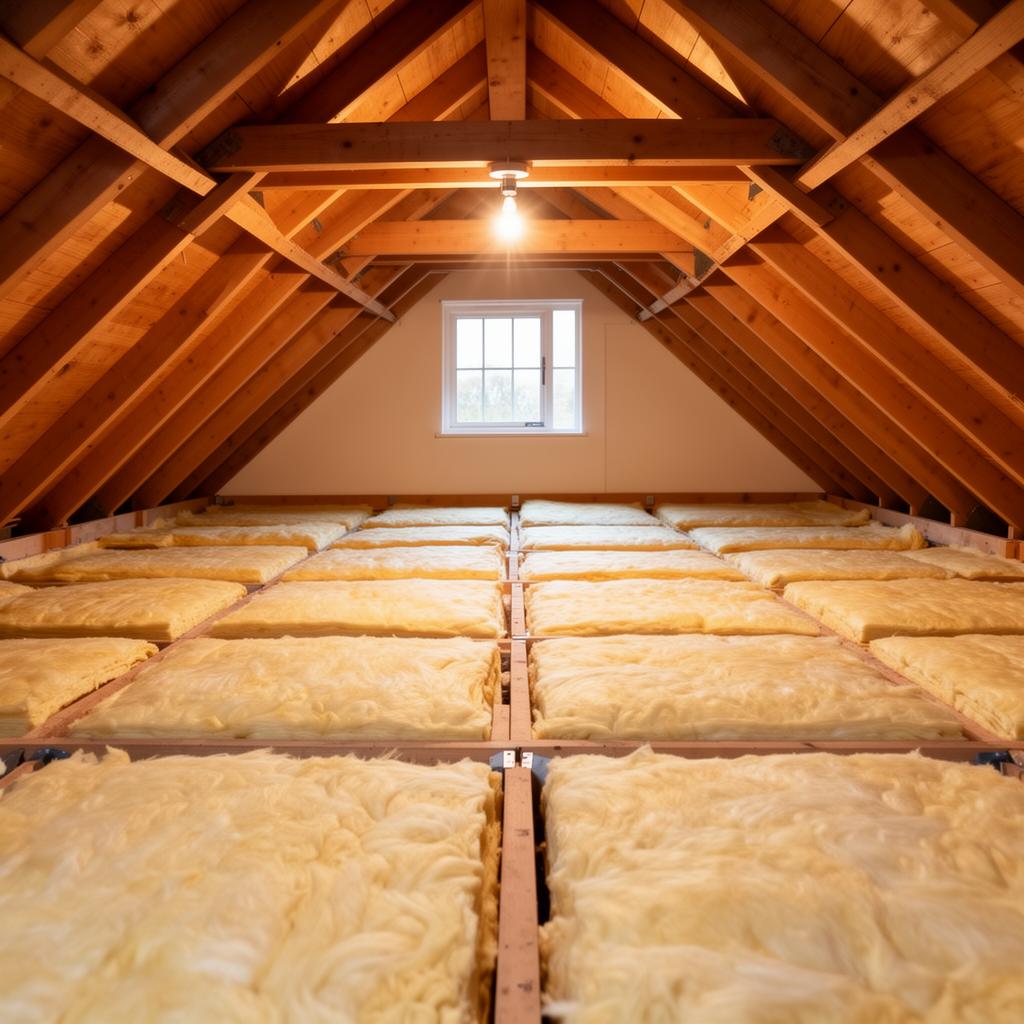
If you have recently insulated your home only to find condensation streaming down the windows and mould forming in the corners, you are not alone. Positive input ventilation UK systems, commonly known as PIV units, are one of the most effective and affordable solutions to this frustrating problem. By gently pushing filtered fresh air into your home, a PIV unit dilutes moisture-laden air and prevents the conditions that lead to condensation and mould growth.
What Is a PIV Unit?
A PIV (Positive Input Ventilation) unit is a whole-house ventilation system that sits in the loft and gently pushes filtered, dry air into the property through a ceiling-mounted diffuser. By creating slight positive pressure inside the home, it displaces damp, stale air through natural leakage points, effectively eliminating condensation and mould.
PIV is one of the most cost-effective solutions for condensation problems after insulation work. A loft-mounted unit costs £400 to £900 installed and uses just 7 to 20 watts of electricity — around £10 to £20 per year to run. Unlike MVHR, PIV works well in older, less airtight properties and does not require complex ductwork throughout the house.
What Is Positive Input Ventilation and How Does It Work?
A positive input ventilation unit is a whole-house ventilation system that sits in your loft space or on a wall. It works by drawing in fresh air from outside, filtering it to remove pollutants and allergens, then gently introducing it into your home through a ceiling-mounted diffuser, typically on the upstairs landing. This creates a slight positive pressure inside the property, which pushes stale, moisture-laden air out through natural gaps, trickle vents, and extractor fans.
The principle is straightforward. Moist air from cooking, bathing, and breathing builds up inside a well-insulated home. Without adequate ventilation, this moisture condenses on cold surfaces such as windows, external walls, and corners. A PIV unit constantly introduces dry, filtered air that dilutes the internal humidity level, typically keeping it below the 60% relative humidity threshold where condensation forms.
Most loft-mounted PIV units also benefit from the warmer loft air, which is pre-tempered by residual heat in the roof space. This means the air entering your living space is not uncomfortably cold, even in winter. Wall-mounted units designed for flats without loft access include a small ceramic heater element to temper incoming air.
Why Condensation Gets Worse After Insulation
Before you insulated your home, draughty gaps around windows, doors, and the loft hatch allowed moisture to escape naturally. Your house was essentially ventilated by accident. When you upgrade your insulation, seal gaps, and install draught-proofing, you make the building envelope much tighter. This is excellent for retaining heat but terrible for moisture management if you do not introduce controlled ventilation.
The result is a sharp rise in relative humidity indoors. Water vapour from everyday activities has nowhere to go. A family of four produces roughly 10 to 15 litres of moisture per day through breathing, cooking, showering, and drying clothes. In a well-insulated, poorly ventilated home, that moisture builds up rapidly.
The most common areas affected include:
- Window reveals and sills, especially on north-facing walls
- Corners of bedrooms at ceiling level
- Behind wardrobes and furniture pushed against external walls
- Bathroom ceilings and walls
- Cold lintels above windows and doors
Positive Input Ventilation UK: Costs and Running Expenses
One of the biggest advantages of PIV is the cost. Compared to more complex mechanical ventilation systems, a PIV unit is remarkably affordable to buy, install, and run.
| Cost Element | Typical Range |
|---|---|
| PIV unit (loft-mounted) | GBP 200 to GBP 500 |
| PIV unit (wall-mounted, for flats) | GBP 300 to GBP 600 |
| Professional installation | GBP 300 to GBP 500 |
| Total installed cost | GBP 500 to GBP 895 |
| Annual running cost | GBP 7 to GBP 20 |
The running costs are extraordinarily low because PIV units use very little electricity. A typical unit draws between 7 and 25 watts, comparable to leaving a low-energy light bulb on. At current electricity rates of around 24.5p per kWh, running a PIV unit 24 hours a day costs roughly GBP 15 per year at the mid-range.
Installation usually takes between two and four hours. An installer will position the unit in your loft space, cut a hole in the upstairs landing ceiling for the diffuser, and connect the unit to a fused spur. Wall-mounted units for flats require a core drill through an external wall.
PIV vs MVHR: Which Ventilation System Should You Choose?
Mechanical Ventilation with Heat Recovery (MVHR) is the other major whole-house ventilation option. While both systems manage indoor air quality, they work in fundamentally different ways and suit different situations.
| Feature | PIV | MVHR |
|---|---|---|
| How it works | Pushes filtered air in; stale air exits naturally | Balanced supply and extract with heat exchanger |
| Installed cost | GBP 500 to GBP 895 | GBP 4,000 to GBP 8,000 |
| Annual running cost | GBP 7 to GBP 20 | GBP 40 to GBP 100 |
| Heat recovery | None (uses loft warmth only) | Up to 95% heat recovery |
| Ductwork required | Minimal (single diffuser) | Extensive (every room) |
| Best for | Existing homes, retrofits | New builds, deep retrofits |
| Installation disruption | Minimal (half a day) | Significant (ductwork throughout) |
| Maintenance | Annual filter change | Quarterly filter changes, annual commissioning |
For most existing UK homes that have recently been insulated, PIV is the practical choice. The installation is minimally disruptive, the costs are a fraction of MVHR, and the system effectively controls condensation. MVHR makes more sense in new-build properties or deep whole-house retrofits where ductwork can be integrated into the building design from the outset.
If you are considering a heat pump installation alongside your ventilation upgrade, MVHR can complement the heat pump by recovering warmth from extracted air. However, for homes simply needing to tackle post-insulation condensation, a PIV unit delivers outstanding value.
Benefits of PIV Beyond Condensation Control
While stopping condensation is the primary reason most homeowners fit a PIV unit, the benefits extend considerably further.
- Mould prevention: By keeping humidity below 60%, PIV removes the conditions mould needs to grow, protecting both your health and your decoration.
- Improved air quality: The filters in a PIV unit remove dust, pollen, and outdoor pollutants. This is particularly beneficial for asthma and allergy sufferers.
- Radon reduction: In areas with high radon levels, the positive pressure created by a PIV unit helps prevent radon gas from entering the home through the floor.
- Reduced odours: The constant gentle airflow helps disperse cooking smells, pet odours, and VOCs from new furniture or paint.
- Protects building fabric: Persistent dampness rots timber, corrodes metalwork, and damages plaster. Controlling moisture extends the life of your home.
Choosing the Right PIV Unit for Your Home
There are several factors to consider when selecting a positive input ventilation unit.
Property type
Loft-mounted units are the standard choice for houses with accessible loft space. They are quieter because the fan unit sits in the loft rather than the living space, and they benefit from the pre-tempered loft air. Wall-mounted units are designed for flats, apartments, and properties without loft access, and include an integral heater to warm the incoming air.
Property size
Most PIV units are rated for properties up to a certain size. A standard unit covers homes up to around 120 square metres. Larger properties may need a higher-capacity unit or multiple units. Check the manufacturer’s airflow rate, typically measured in litres per second, and match it to your home’s volume.
Features to look for
- Humidity sensor: Automatically increases airflow when humidity rises, for example during showering.
- Temperature sensor: Adjusts output based on loft and room temperature to avoid introducing uncomfortably cold air.
- Summer bypass: Allows the unit to draw cooler night air during hot spells.
- Low noise rating: Look for units rated below 20 dBA at the diffuser for near-silent operation.
- Easily accessible filters: You will need to change or clean the filter annually, so accessibility matters.
Popular brands in the UK market include Nuaire Drimaster, EnviroVent ATMOS, and Vent-Axia Lo-Carbon PoziDry. All have proven track records and readily available replacement filters.
Installation: What to Expect
A professional PIV installation is straightforward and typically completed within half a day. Here is what the process involves.
- The installer surveys your loft space to find the best position for the unit, usually centrally located near the landing.
- A circular hole is cut in the landing ceiling to accommodate the diffuser grille.
- The PIV unit is mounted on a platform or hung from the rafters in the loft.
- A short length of insulated flexible duct connects the unit to the diffuser.
- The unit is wired into a fused spur, either from an existing upstairs circuit or a new dedicated circuit.
- The installer commissions the unit, setting the airflow rate and humidity response to suit your home.
There is no need to redecorate afterwards, and the diffuser grille on your ceiling is the only visible element. Most are white and unobtrusive, measuring around 300mm in diameter.
When PIV Alone May Not Be Enough
While PIV is effective for most condensation problems, there are situations where additional measures may be needed.
If your home has penetrating damp from structural issues such as failed pointing, cracked render, or defective guttering, a PIV unit will not solve the problem. Penetrating damp requires building repairs, not ventilation. Similarly, rising damp caused by a failed damp-proof course needs specialist treatment.
In properties with severe thermal bridging, where cold spots exist at lintels, wall junctions, or around window frames, PIV will reduce condensation but may not eliminate it entirely at those specific cold points. In these cases, combining PIV with targeted insulation improvements at the thermal bridges provides the best outcome.
For bathrooms and kitchens with high moisture output, you should still use extractor fans during and after bathing or cooking. PIV manages background humidity across the whole house but is not a replacement for point-source extraction in wet rooms.
If you are unsure whether PIV is the right solution for your condensation issues, request a free assessment and we can help identify the best approach for your specific situation.
Frequently Asked Questions About Positive Input Ventilation
Will a PIV unit make my house cold?
No. Loft-mounted PIV units draw air that has already been warmed by residual heat in the loft, so the air entering your home is tempered rather than cold. Studies by the Building Research Establishment (BRE) found that PIV units typically reduce indoor temperatures by less than 0.5 degrees Celsius, which is imperceptible. Any marginal heat loss is far outweighed by eliminating damp, which itself degrades your insulation’s thermal performance.
How noisy is a PIV unit?
Modern PIV units are near silent. At the diffuser, noise levels are typically 12 to 20 dBA, which is quieter than a whisper. The fan unit in the loft produces slightly more noise, around 30 to 35 dBA, but this is above the ceiling and inaudible from the rooms below. You are unlikely to notice the unit running at all.
Does a PIV unit need planning permission or Building Regulations approval?
No. PIV installation is classed as a minor alteration and does not require planning permission or Building Regulations approval. The only requirement is that the electrical connection is carried out by a qualified electrician or certified under Part P of the Building Regulations, which any competent installer will handle.
How often do the filters need replacing?
Most manufacturers recommend replacing or cleaning the filter once per year. Replacement filters cost between GBP 10 and GBP 25 depending on the model. If you live in a particularly dusty or polluted area, checking the filter every six months is sensible.
Can I install a PIV unit myself?
The mechanical installation is within the capability of a competent DIYer. However, the electrical connection to a fused spur must be carried out by a qualified electrician. Given that professional installation costs around GBP 300 to GBP 500 and includes electrical work, commissioning, and a warranty, it is generally worth having the entire job done professionally. Get a quote to find out the installed cost for your property.
See what these numbers mean for your home
Free instant estimate — costs, savings, payback and grants for your region.

Related Articles
Home Insulation Costs and Grants: Your Complete 2026 Guide
Update (June 2026): ECO4 closed to new applications in March 2026. Approved installations continue to December 2026. The Warm Homes: Local Grant is now the main funding route for insulation.…
18 May 2026
How to Reduce Condensation and Damp While Keeping Your Home Warm
Learn why condensation forms in UK homes, the difference between condensation and rising damp, and proven ventilation strategies to fix damp without losing heat.
8 May 2026
Conservatory Roof Replacement: How a Solid Roof Cuts Energy Bills and Adds Value
Replacing an old polycarbonate or glass conservatory roof with a solid insulated roof can slash heat loss, cut energy bills and turn a seasonal room into a year-round living space.
6 May 2026