Suspended Timber Floor Insulation: Costs, Methods and DIY Guide
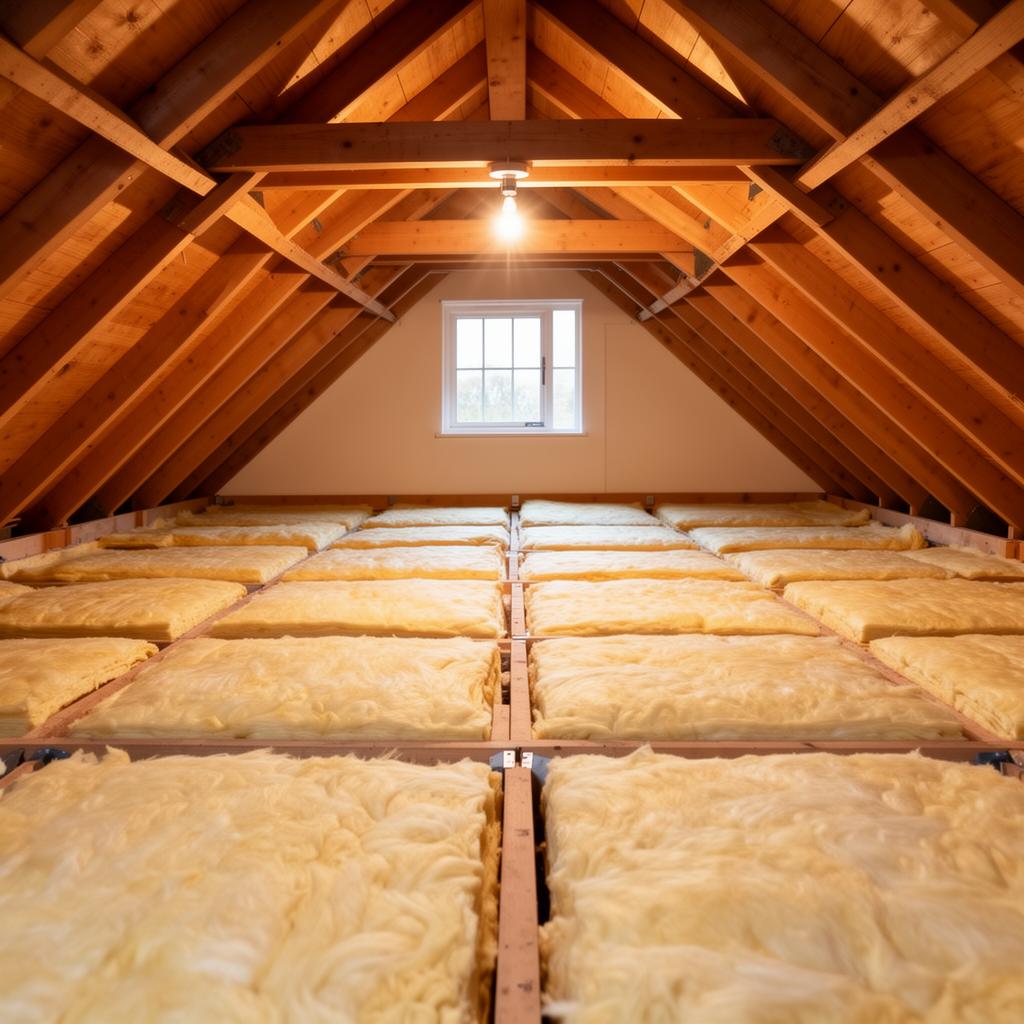
Suspended timber floor insulation is one of the most effective ways to improve comfort and reduce energy bills in older UK homes, yet it remains one of the least commonly installed measures. An uninsulated suspended timber floor loses approximately 10-15% of a home’s total heat, and the cold draughts rising through gaps in the floorboards make ground-floor rooms feel uncomfortable even when the heating is running. This guide covers every aspect of insulating a suspended timber floor, from choosing the right materials and method to realistic costs and the critical importance of maintaining underfloor ventilation.
How Much Does Suspended Timber Floor Insulation Cost?
Suspended timber floor insulation costs £800 to £2,500 for a typical UK home in 2026, depending on property size and access. Professional installation using mineral wool or rigid foam boards between joists averages £20 to £35 per square metre. DIY installation using roll-out insulation supported by netting costs £5 to £12 per square metre in materials alone.
Uninsulated suspended timber floors account for around 15% of a home’s heat loss. Adding 100mm of insulation between the joists can save £40 to £100 per year on heating bills, with the additional benefit of eliminating cold draughts through the floorboards. The work is eligible for ECO4 funding in qualifying properties, and some local authorities include it in Warm Homes Local Grant packages.
How Suspended Timber Floors Are Constructed
Suspended timber floors are found in the vast majority of UK homes built before the 1950s. They consist of timber joists (typically 150mm x 50mm or 175mm x 50mm) spanning between load-bearing walls. The joists are supported at intervals by sleeper walls (low brick walls built off the oversite concrete or compacted earth below).
Floorboards (typically 22mm tongue-and-groove or plain-edged boards) are nailed to the top of the joists to form the floor surface. Below the joists is a void, usually 150-300mm deep, that is ventilated to the outside through airbricks set into the external walls at ground level.
This ventilated void is a deliberate design feature. Air flowing through the subfloor space keeps the timber joists and the underside of the floorboards dry, preventing the moisture from the ground below from causing rot and decay. This ventilation is absolutely essential and must be maintained during and after any insulation work.
Insulating from Above: Lifting Floorboards
The most common method for insulating a suspended timber floor in a typical UK home involves lifting the existing floorboards, installing insulation between the joists, and then re-laying the boards. This is a feasible DIY project for confident homeowners, though it involves significant physical effort and disruption.
Step-by-Step Process
- Clear the room: Remove all furniture, rugs and anything fixed to the floor. Disconnect any radiators if they interfere with board lifting.
- Lift the floorboards: Start at one end and carefully prise up the boards using a bolster chisel and claw hammer. Number each board so they can be re-laid in the same order. For tongue-and-groove boards, you may need to cut the tongue of the first board with a circular saw to free it.
- Install support for the insulation: The insulation needs to be supported between the joists without resting on the ground below. The most common method is to staple breathable membrane netting to the underside of the joists, creating a hammock that holds the insulation in place. Alternatively, timber battens can be nailed to the sides of the joists near the bottom to create a ledge for rigid board to rest on.
- Fit the insulation: Place the insulation material between the joists on top of the membrane or battens. Ensure no gaps around the edges; friction-fit is ideal for mineral wool and sheep wool. Rigid board should be cut slightly oversize and pressed into place.
- Re-lay the floorboards: Replace the boards in order, screwing rather than nailing them back to make future access easier. Fill any gaps between boards with flexible filler to reduce draughts.
Insulating from Below: Using Cellar or Crawl Space Access
If your home has a cellar, basement or accessible crawl space beneath the ground floor, insulating from below is significantly less disruptive than lifting floorboards. The rooms above remain untouched during the work.
- Rigid board method: PIR or mineral wool rigid slabs are cut to fit between the joists and held in place by friction, timber battens screwed to the joist sides, or mechanical fixings. The boards should be pushed tight against the underside of the floorboards to minimise air gaps.
- Mineral wool netting method: Breathable membrane is stapled to the underside of the joists, and mineral wool batts are placed on top of the membrane between the joists. This is faster than rigid board and adapts more easily to irregular joist spacings.
- Spray foam method: Closed-cell spray foam can be applied directly to the underside of the floorboards from below, filling all gaps and providing an airtight seal. Cost: GBP 25-40 per m2. This is the most expensive option but provides the best air-sealing performance.
Working in a cellar or crawl space is often cramped and uncomfortable. Professional installation is recommended where access is particularly restricted, as maintaining consistent insulation coverage in awkward spaces requires experience.
Suspended Timber Floor Insulation Materials Compared
Several insulation materials are suitable for suspended timber floors. The best choice depends on your budget, access method and any specific requirements such as breathability for older properties.
| Material | Lambda (W/mK) | Thickness for U=0.25 | Cost per m2 | Best For |
|---|---|---|---|---|
| Mineral wool batts | 0.035-0.040 | 150mm | GBP 5-8 | Budget installations, DIY |
| PIR rigid board | 0.022 | 100mm | GBP 10-16 | Limited joist depth, below access |
| Sheep wool | 0.038-0.040 | 150mm | GBP 12-20 | Older breathable buildings |
| Wood fibre batts | 0.038-0.042 | 160mm | GBP 14-22 | Breathable heritage properties |
| Closed-cell spray foam | 0.022-0.028 | 80-100mm | GBP 25-40 | Maximum airtightness |
For most UK homes, mineral wool batts supported by breathable membrane netting offer the best combination of cost, performance and ease of installation. For period properties where breathability is essential (Victorian, Edwardian and Georgian houses), sheep wool or wood fibre batts are the preferred options as they allow moisture vapour to pass through without trapping it within the floor structure.
PIR rigid board is ideal where joist depth is limited or where insulating from below using a rigid material that holds its shape without additional support.
Suspended Timber Floor Insulation Costs
The total cost depends on the insulation method, material choice, floor area and whether you are doing the work yourself or hiring a professional.
| Method | DIY Material Cost (50m2 floor) | Professional Installed Cost |
|---|---|---|
| Mineral wool from above | GBP 250-400 | GBP 850-1,500 |
| PIR board from above | GBP 500-800 | GBP 1,200-2,000 |
| Mineral wool from below | GBP 300-450 | GBP 800-1,400 |
| Spray foam from below | N/A (professional only) | GBP 1,250-2,000 |
The professional installed costs include labour, materials, membrane netting (where applicable) and disposal of any waste. The work typically takes 1-2 days for a standard three-bedroom house ground floor.
Annual energy savings from floor insulation are approximately GBP 70-120 per year for a gas-heated home at current prices. The payback period for a DIY installation using mineral wool is approximately 3-5 years, while professional installation pays back in 8-15 years. The comfort improvement, however, is immediate and significant.
The Critical Importance of Maintaining Underfloor Ventilation
This point cannot be emphasised strongly enough: never block the airbricks or ventilation paths beneath a suspended timber floor.
The ventilated void beneath the floor exists to keep the timber dry. Ground moisture evaporates into this void, and the cross-ventilation provided by airbricks carries it away. If this ventilation is blocked, moisture levels in the void rise, the timber joists and floorboards absorb moisture, and rot begins. Wet rot and dry rot can cause serious structural damage that costs thousands of pounds to repair.
When insulating a suspended timber floor:
- Ensure all existing airbricks are clear and unblocked
- Do not fill the void with loose-fill insulation or anything that impedes airflow
- Place insulation between or below the joists, above the ventilated void
- Use breathable membrane beneath the insulation to allow any moisture that reaches the insulation to dry downward into the ventilated void
- Check airbricks after the work is complete to confirm they have not been accidentally blocked by debris
If the existing ventilation is inadequate (fewer than one airbrick per 1.5 metres of external wall), consider adding additional airbricks or mechanical ventilation to improve airflow before insulating.
Combining Floor Insulation with Other Improvements
Floor insulation delivers the best results when combined with other energy efficiency measures. Sealing gaps between floorboards and at the skirting board junction eliminates draughts that bypass the insulation layer. Upgrading to modern double glazing and adding wall insulation addresses the other major heat loss pathways.
For homes with suspended timber floors, the insulation work is also an opportunity to inspect the subfloor space for any signs of damp, rot or pest infestation. Catching these issues early can prevent far more expensive repairs later.
To explore the full range of energy efficiency improvements available for your home, get a free quote and receive a tailored recommendation based on your property type and current energy performance.
Frequently Asked Questions
Can I insulate a suspended timber floor myself?
Yes, floor insulation from above (lifting floorboards) is a feasible DIY project for confident homeowners. You will need basic tools (bolster chisel, claw hammer, staple gun, saw), and the work is physically demanding but not technically complex. Allow a full weekend for a typical three-bedroom house ground floor. Insulating from below in a cellar is also possible as DIY but working overhead in confined spaces is more challenging. Spray foam must be done professionally.
Do I need a vapour barrier with floor insulation?
For most suspended timber floor installations, a breathable membrane (not a vapour barrier) is used beneath the insulation to support it while allowing moisture to pass through. A vapour-impermeable barrier should not be used on the underside of the insulation in a ventilated floor, as it can trap moisture against the timber. On the room side, the floorboards and any floor covering provide adequate vapour resistance for a heated room above a ventilated void.
Is floor insulation eligible for government grants?
Under-floor insulation is an eligible measure under the ECO4 scheme for households on qualifying benefits with properties rated EPC D or below. The Great British Insulation Scheme may also cover floor insulation in qualifying properties. Eligibility depends on your household circumstances and current EPC rating. Request a free quote to check whether you qualify for funded floor insulation.
Will floor insulation stop draughts?
Insulation alone reduces heat loss through the floor but may not eliminate all draughts. Cold air can still enter through gaps between floorboards, at skirting board junctions and around pipe penetrations. For complete draught elimination, seal the floorboard gaps with flexible filler and the skirting board junction with decorators’ caulk after insulating. The combination of insulation and draught-proofing transforms the comfort of ground-floor rooms.
How long does floor insulation last?
Mineral wool floor insulation has an expected lifespan of 40+ years when properly installed and kept dry. PIR rigid board lasts even longer, with no degradation over time. Sheep wool and wood fibre insulation are similarly durable when the subfloor ventilation is maintained. The weakest element is typically the support membrane or netting, which should be checked every 10-15 years for any signs of sagging or deterioration.
See what these numbers mean for your home
Free instant estimate — costs, savings, payback and grants for your region.

Related Articles
Home Insulation Costs and Grants: Your Complete 2026 Guide
Update (June 2026): ECO4 closed to new applications in March 2026. Approved installations continue to December 2026. The Warm Homes: Local Grant is now the main funding route for insulation.…
18 May 2026
How to Reduce Condensation and Damp While Keeping Your Home Warm
Learn why condensation forms in UK homes, the difference between condensation and rising damp, and proven ventilation strategies to fix damp without losing heat.
8 May 2026
Conservatory Roof Replacement: How a Solid Roof Cuts Energy Bills and Adds Value
Replacing an old polycarbonate or glass conservatory roof with a solid insulated roof can slash heat loss, cut energy bills and turn a seasonal room into a year-round living space.
6 May 2026