Argon vs Krypton vs Xenon Gas in Double Glazing: What UK Homeowners Should Know
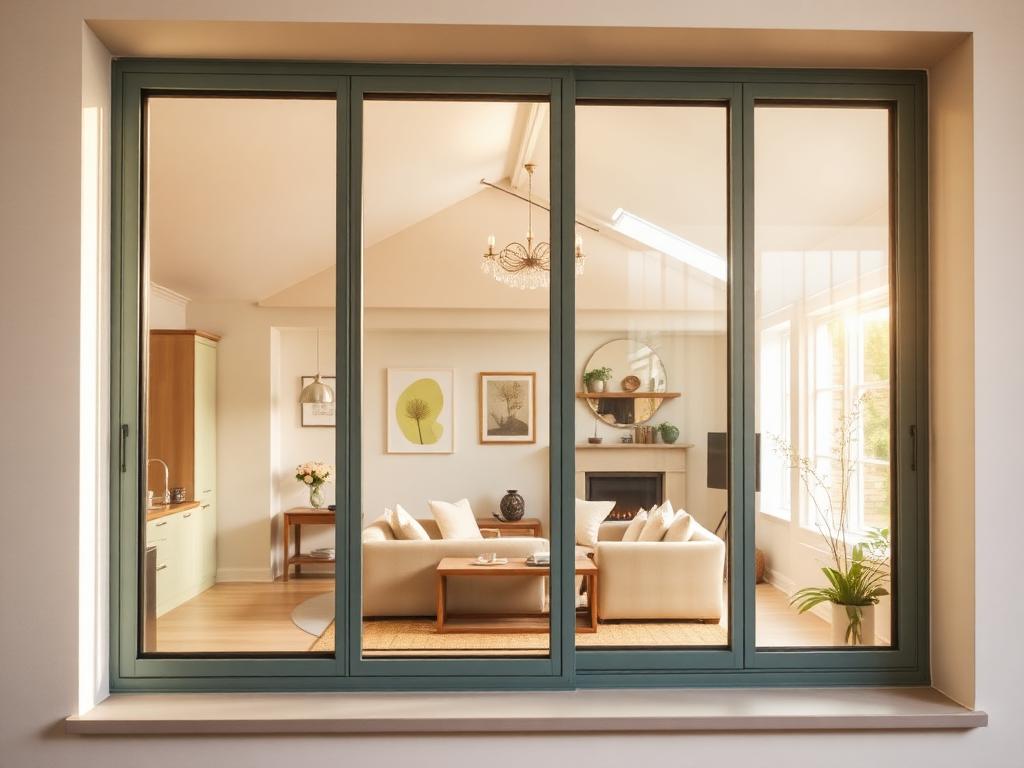
When comparing argon vs krypton double glazing, many UK homeowners assume the gas fill in their windows is a minor detail. In reality, the type of gas between the glass panes has a measurable impact on thermal performance, and choosing the right one for your situation can save energy and reduce condensation. This guide compares all three inert gases used in modern sealed glazing units, explains the real-world performance differences, and helps you decide whether paying more for krypton or xenon gas fill is justified.
Argon vs Krypton vs Xenon Gas in Double Glazing
| Argon | Krypton | Xenon | |
|---|---|---|---|
| Thermal conductivity | 67% less than air | 60% less than argon | Best of all three |
| Typical U-value improvement | 0.2–0.3 W/m²K better than air | 0.3–0.5 W/m²K better than air | 0.5+ W/m²K better than air |
| Cost premium per window | £0–£15 | £40–£80 | £150–£300 |
| Availability | Standard in most double glazing | Specialist order | Very rare, bespoke only |
| Best used in | Standard double glazing (16mm gap) | Slim double or triple glazing (10–12mm gap) | Ultra-slim heritage glazing |
For the vast majority of UK homeowners, argon-filled double glazing offers the best balance of performance and value. It is included as standard by most manufacturers at no extra cost. Krypton is only worth considering for heritage or conservation properties where slim sightlines are essential and the gap between panes must be kept narrow. Xenon is rarely used in domestic settings due to its extreme cost.
Why Gas Fills Matter in Double Glazing
The space between the two panes of glass in a double-glazed window is not empty. It is filled with a gas that reduces heat transfer across the gap. Heat moves through this space primarily by convection (gas circulation) and conduction (direct heat transfer through the gas molecules). A gas that conducts heat poorly and resists convective circulation provides better insulation.
Ordinary air has a thermal conductivity of approximately 0.025 W/mK. By replacing it with a heavier, denser inert gas, the thermal conductivity of the cavity is reduced, directly improving the window’s U-value. The three gases used commercially are argon, krypton and xenon, listed in order of increasing density and decreasing thermal conductivity.
All three gases are inert (chemically non-reactive), non-toxic, odourless and colourless. They are extracted from the atmosphere through industrial air separation processes.
Thermal Performance Comparison: Argon, Krypton and Xenon
The performance differences between the three gases are significant when measured precisely, though the real-world impact on energy bills is more modest than the numbers might suggest.
| Property | Air | Argon | Krypton | Xenon |
|---|---|---|---|---|
| Thermal conductivity (W/mK) | 0.025 | 0.017 | 0.009 | 0.005 |
| Density (kg/m3) | 1.2 | 1.7 | 3.7 | 5.9 |
| Optimal cavity width | 20mm | 16mm | 12mm | 8mm |
| Typical U-value improvement vs air | Baseline | 12-15% | 22-28% | 30-35% |
| Cost premium per window | Baseline | GBP 0-10 | GBP 30-60 | GBP 100-200+ |
The thermal conductivity figures show that krypton conducts heat roughly half as well as argon, while xenon conducts heat roughly half as well as krypton. However, the diminishing returns are important: moving from air to argon gives you a 12-15% improvement, while the further step from argon to krypton adds only another 10-13%. The jump from krypton to xenon adds a further 8-10%.
Argon Gas: The Standard Choice for UK Double Glazing
Argon is by far the most commonly used gas fill in UK double glazing, and for good reason. It is abundant (constituting approximately 0.93% of the Earth’s atmosphere), inexpensive to produce and delivers a meaningful thermal improvement over air-filled units.
A standard double-glazed unit with a 16mm argon-filled cavity and low-e coated glass achieves a centre-pane U-value of approximately 1.1-1.2 W/m2K. The same unit filled with air would achieve approximately 1.3-1.5 W/m2K. This difference translates to real energy savings over the lifetime of the window.
Argon gas fill adds virtually nothing to the cost of a sealed glazing unit. Most UK window manufacturers now use argon as standard, and it is essentially included in the base price of any A-rated or B-rated double-glazed window.
For the vast majority of UK homeowners replacing standard windows in a typical house, argon-filled double glazing is the right choice. The cost-benefit ratio is excellent, and it comfortably meets Building Regulations requirements.
Krypton Gas: When It Is Worth the Premium
Krypton gas is significantly more expensive than argon but offers genuinely better thermal performance, particularly in specific applications where cavity width is constrained.
The key advantage of krypton is that it performs best in narrower cavities. While argon is most effective in a 16mm gap, krypton achieves its optimal performance in a 12mm gap. This makes it the ideal choice for:
Slim-Profile Heritage Windows
Replacement windows for conservation areas, listed buildings and period properties often need to replicate the slim sightlines of original single-glazed windows. Slim double-glazed units with a total thickness of 16-20mm (compared to 24-28mm for standard units) cannot accommodate a 16mm argon cavity. A 10-12mm krypton-filled cavity in a slim unit can achieve thermal performance close to a standard argon-filled unit that is significantly thicker.
Triple Glazing
Triple-glazed units have two cavities, and the overall unit thickness becomes impractical if both cavities are 16mm (which would create a unit around 44mm thick). Using krypton in 10-12mm cavities reduces the total unit thickness to approximately 36-38mm while achieving excellent U-values of 0.7-0.8 W/m2K.
Passivhaus Projects
Passivhaus-certified windows typically require installed U-values below 0.85 W/m2K, which is difficult to achieve with argon-filled double glazing alone. Krypton-filled triple glazing is the standard specification for Passivhaus windows in the UK.
The cost premium for krypton fill is typically GBP 30-60 per window over argon. For a whole-house window replacement of 8-10 windows, this adds GBP 240-600 to the project cost. Whether this is justified depends on the specific application and your overall energy performance targets.
Xenon Gas: Ultra-Premium Performance
Xenon is the heaviest and most thermally effective of the three gases, but its extreme rarity and cost restrict it to niche applications. Xenon constitutes only 0.0000087% of the atmosphere, and producing it in commercial quantities is expensive.
A xenon-filled double-glazed unit with low-e glass can achieve a centre-pane U-value of approximately 0.9-1.0 W/m2K, approaching triple glazing performance from a double-glazed unit. Xenon performs best in very narrow cavities of just 8mm, enabling ultra-slim glazing units for heritage applications where even krypton-filled units are too thick.
However, the cost premium of GBP 100-200+ per window over argon makes xenon impractical for standard residential applications. It is used almost exclusively in:
- Ultra-slim replacement glazing for Grade I and Grade II* listed buildings
- Specialist acoustic glazing where maximum density is needed for sound reduction
- High-specification commercial projects with demanding thermal targets
For residential applications, krypton offers virtually the same benefits at a fraction of the cost when combined with appropriate cavity widths and low-e coatings.
Gas Retention Rates: How Long Does the Gas Stay In?
All sealed glazing units lose gas gradually over time as the small gas molecules permeate through the edge sealant. The rate of gas loss depends on the quality of the edge seal, the type of spacer bar and the gas type.
Industry data and independent testing suggest the following approximate gas retention rates:
| Gas Type | Gas Fill at Manufacture | Estimated Fill After 10 Years | Estimated Fill After 20 Years |
|---|---|---|---|
| Argon | 90%+ | 80-85% | 70-80% |
| Krypton | 90%+ | 82-88% | 72-82% |
| Xenon | 90%+ | 85-90% | 75-85% |
As gas escapes, it is replaced by air. The thermal performance degrades proportionally, but the decline is gradual. A window that started with 90% argon fill will still have significantly better thermal performance than an air-filled unit even after 20 years of gas loss.
Higher-quality sealed units with warm-edge spacer bars (such as Super Spacer or Swisspacer) and dual-seal edge systems retain gas more effectively than basic aluminium spacer bars with single seals. When choosing new double glazing, asking about the spacer bar and edge seal system is just as important as asking about the gas fill.
How Gas Fill Affects Window U-Values and Energy Ratings
The gas fill is one component of the overall window U-value, alongside the glass coating, cavity width, spacer bar and frame material. Here is how different combinations perform:
| Configuration | Centre-Pane U-Value | Whole Window U-Value (typical) |
|---|---|---|
| Air-filled, no coating | 2.8 W/m2K | 3.0+ W/m2K |
| Argon, soft-coat low-e, 16mm cavity | 1.1 W/m2K | 1.2-1.4 W/m2K |
| Krypton, soft-coat low-e, 12mm cavity | 0.9 W/m2K | 1.0-1.2 W/m2K |
| Argon, triple glazed, low-e | 0.6 W/m2K | 0.8-1.0 W/m2K |
| Krypton, triple glazed, low-e | 0.5 W/m2K | 0.7-0.8 W/m2K |
Note that the whole-window U-value is always higher than the centre-pane value because the frame and edge spacer conduct more heat than the glazed area. This means that frame quality matters as much as gas fill when choosing windows.
For most UK homes, argon-filled double glazing with a low-e coating achieves a whole-window U-value that comfortably meets the Building Regulations requirement of 1.4 W/m2K or better. This performance level qualifies for a BFRC B rating or above, which is the minimum required for replacement windows.
If you are planning a window replacement project and want to compare different gas fill and glazing options for your home, get a free quote from our approved installer network.
Which Gas Fill Should You Choose?
For the vast majority of UK homeowners, the decision is straightforward:
- Standard window replacement: Argon-filled double glazing with low-e glass. Best value, readily available, meets Building Regulations.
- Heritage or slim-profile windows: Krypton-filled slim double glazing. Higher cost justified by the need for narrow cavities that maintain period appearance.
- Maximum thermal performance: Krypton-filled triple glazing. Best overall performance, ideal for Passivhaus or very well-insulated homes.
- Ultra-slim heritage glazing: Xenon-filled slim units. Only justified for listed buildings where minimum thickness is essential.
Pairing well-specified windows with comprehensive wall, loft and floor insulation delivers far greater energy savings than upgrading from argon to krypton gas fill alone. Always address the biggest heat loss areas first and treat the gas fill as a refinement rather than a primary improvement.
Frequently Asked Questions
Can I tell what gas is in my existing double glazing?
Not by looking at it. Argon, krypton and xenon are all colourless and invisible. The only way to confirm the gas fill is to check the window manufacturer’s specifications, the FENSA certificate or the sealed unit data sheet. Some manufacturers etch a code on the spacer bar that identifies the gas type. A specialist glazing engineer can also test the gas content using a spark-based gas analyser, though this is rarely necessary for residential purposes.
Does argon gas leak out of double glazing?
All sealed units lose gas very gradually through the edge seal over their lifetime. The loss rate is approximately 1% per year for well-made units with dual seals and warm-edge spacer bars. After 20 years, a unit that started with 90% argon fill may contain around 70-80% argon. This gradual decline has a minimal impact on thermal performance, and the unit will still significantly outperform an air-filled window.
Is krypton gas worth the extra cost for standard house windows?
In most cases, no. The additional GBP 30-60 per window for krypton over argon in a standard 16mm-cavity double-glazed unit provides a U-value improvement of only around 0.1-0.2 W/m2K. Over a 20-year window lifespan, the energy cost saving from this marginal improvement is unlikely to recoup the extra expenditure. Krypton is worth it only when slim cavities are required for aesthetic or heritage reasons.
Can existing windows be refilled with gas?
No. Once a sealed glazing unit has lost gas, it cannot be refilled without breaking the seal and effectively remaking the unit. If your windows have failed seals (indicated by persistent misting between the panes), the sealed units need replacing. The frames can often be retained if they are in good condition, with new sealed units fitted at a cost of approximately GBP 80-200 per unit depending on size.
See what these numbers mean for your home
Free instant estimate — costs, savings, payback and grants for your region.

Related Articles

Home Insulation Costs and Grants: Your Complete 2026 Guide
Update (June 2026): ECO4 closed to new applications in March 2026. Approved installations continue to December 2026. The Warm Homes: Local Grant is now the main funding route for insulation.…
18 May 2026
How to Reduce Condensation and Damp While Keeping Your Home Warm
Learn why condensation forms in UK homes, the difference between condensation and rising damp, and proven ventilation strategies to fix damp without losing heat.
8 May 2026
Conservatory Roof Replacement: How a Solid Roof Cuts Energy Bills and Adds Value
Replacing an old polycarbonate or glass conservatory roof with a solid insulated roof can slash heat loss, cut energy bills and turn a seasonal room into a year-round living space.
6 May 2026