Insulating an Edwardian House: Solid Walls, Floors and Damp Risks
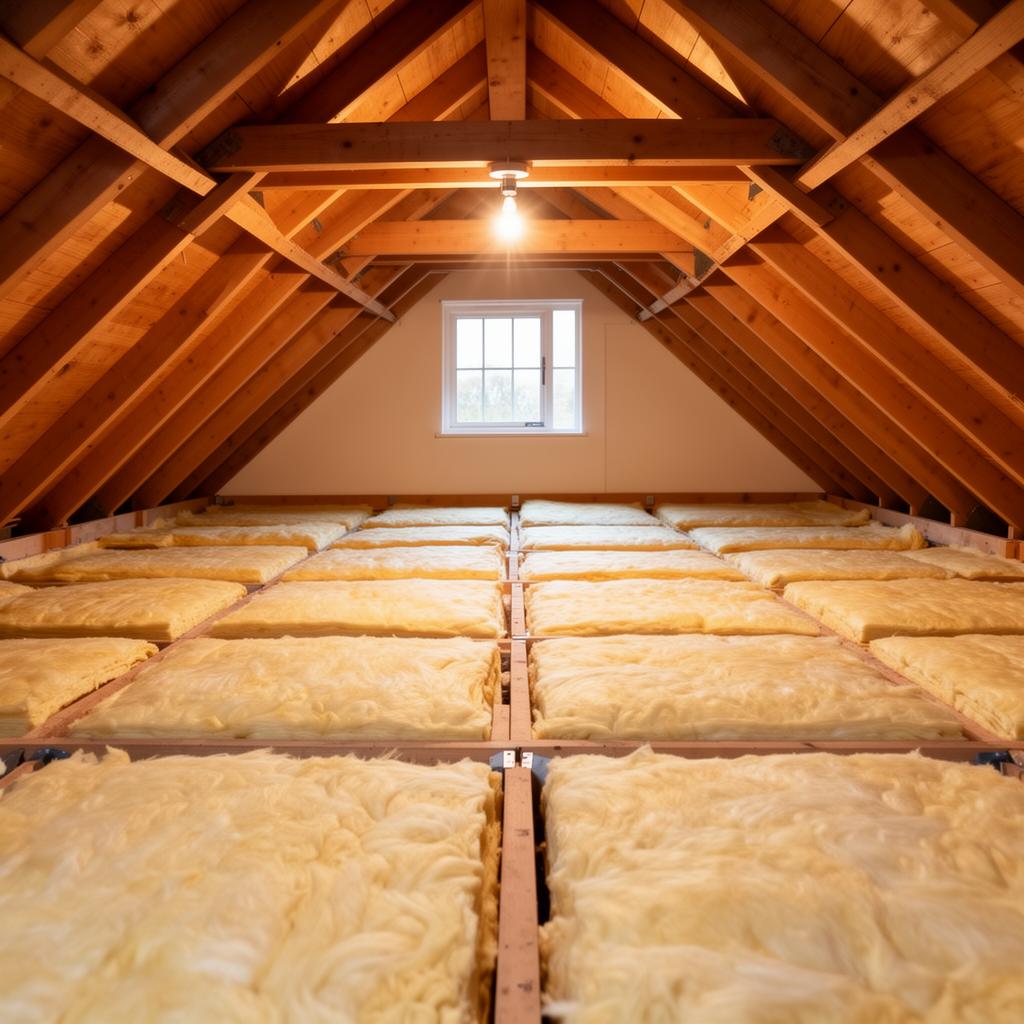
Edwardian house insulation requires a fundamentally different approach to insulating a modern property. Built between 1901 and 1914, Edwardian homes feature solid brick walls, suspended timber floors, ornate plasterwork and construction techniques that rely on breathability to manage moisture. Getting the insulation wrong in an Edwardian property does not just waste money; it can cause serious damp, timber rot and structural damage. This guide explains how to insulate an Edwardian house properly, covering every building element and the critical moisture management considerations you cannot afford to ignore.
How Edwardian Houses Were Built
Understanding Edwardian construction is essential before making any insulation decisions. The typical Edwardian house features:
- Solid brick walls: 225mm (9-inch) single-leaf or 337mm (13.5-inch) one-and-a-half brick construction. No cavity. Walls rely on thickness and breathable lime mortar to manage rain penetration.
- Lime mortar and lime plaster: Both external mortar joints and internal plaster are lime-based, which is softer and more porous than modern cement. This porosity is a feature, not a flaw. It allows moisture to pass through and evaporate rather than becoming trapped.
- Suspended timber ground floors: Timber joists on sleeper walls with a ventilated void beneath. Airbricks provide cross-ventilation to keep the subfloor space dry.
- Timber loft structure: Shallow rafters and ceiling joists, typically 75-100mm deep, with no original insulation.
- Tall sash windows: Large single-glazed timber sash windows, often with elegant detailing and proportions that define the property’s character.
- Decorative features: Picture rails, dado rails, ceiling roses, ornate cornicing and tiled entrance halls are common and often protected.
Solid Wall Insulation: Internal vs External
Since Edwardian houses have solid walls with no cavity to fill, the only options are internal wall insulation (IWI) or external wall insulation (EWI). Each has significant trade-offs for this property type.
Internal Wall Insulation for Edwardian Houses
IWI involves adding insulation to the inside face of the external walls. In an Edwardian house, this typically means either rigid insulation boards with plasterboard or a breathable insulation system using natural materials.
Key considerations for IWI in Edwardian properties:
- Room size reduction: Adding 60-100mm of insulation plus plasterboard reduces room dimensions by approximately 120-200mm per insulated wall. In rooms that are already not large, this can feel significant.
- Decorative features: Cornicing, picture rails, dado rails, skirting boards and ceiling roses must be removed, relocated or lost. This is often unacceptable to homeowners who value the period character.
- Moisture risk: The most critical concern. Adding insulation to the inside of a solid wall moves the dew point (the point at which moisture condenses) into the wall. If the insulation system does not allow this moisture to escape, it accumulates and causes mould, rot and wall degradation.
- Cost: Professional IWI installation for a typical Edwardian terraced house costs GBP 5,500-9,000 depending on the system chosen and room complexity.
For Edwardian houses, breathable IWI systems are strongly preferred over impermeable systems. Suitable breathable options include wood fibre boards (such as Steico or Pavatex), calcium silicate boards (such as Calsitherm), and insulating lime plaster (such as Diasen Diathonite). These materials allow moisture vapour to pass through them, preventing the dangerous moisture accumulation that impermeable PIR or polystyrene boards can cause in solid-wall buildings.
External Wall Insulation for Edwardian Houses
EWI involves wrapping the outside of the building in insulation and a new render or cladding finish. It is thermally superior to IWI because it wraps the building continuously without gaps at internal walls, floors and ceilings. It also keeps the existing brick wall warm, virtually eliminating condensation risk within the wall structure.
However, EWI on an Edwardian property faces significant obstacles:
- Appearance change: EWI covers the original brick facade, transforming the property’s appearance. For many Edwardian houses, the decorative brickwork, stone lintels and window surrounds are defining architectural features.
- Conservation area restrictions: Many Edwardian neighbourhoods are in conservation areas where altering the front elevation is prohibited. EWI may only be permitted on rear and side walls.
- Cost: Full EWI installation on a typical three-bedroom Edwardian semi costs GBP 10,000-18,000 including scaffolding and render finishing.
- Detail complexity: Bay windows, decorative string courses, projecting sills and other period features make EWI detailing complex and expensive.
A common compromise is to apply EWI to the rear and side elevations (which are typically plain brick with no decorative features or conservation restrictions) while using a thin breathable IWI system on the front elevation to preserve street-facing character. You can explore your options by requesting a free assessment.
Breathability: Why It Matters More in Edwardian Houses
The concept of breathability is central to insulating an Edwardian house correctly. In modern construction, moisture is managed using barriers (DPCs, DPMs, vapour control layers) that prevent water from entering the building fabric. Edwardian houses work differently: moisture enters the walls (from rain, rising damp and internal humidity) and is allowed to evaporate outward through the porous lime mortar and plaster.
If you seal an Edwardian wall with an impermeable insulation system (PIR board with foil facing, for example), you block this evaporation pathway. Moisture becomes trapped within the wall, leading to:
- Black mould growth on internal surfaces, particularly in corners and behind furniture
- Rot in embedded timber elements such as joist ends, lintels and bonding timbers
- Spalling brickwork as trapped moisture freezes and expands in winter
- Degradation of lime mortar joints
- Musty smells and deteriorating indoor air quality
These problems can take years to become apparent, by which time significant damage may have occurred. This is why breathable insulation materials and lime-based finishes are not optional extras for Edwardian properties; they are fundamental to a safe and effective retrofit.
Insulating Suspended Timber Floors in Edwardian Homes
Edwardian houses almost universally have suspended timber ground floors, and insulating them can reduce heat loss through the floor by up to 70%. The uninsulated floor in a typical Edwardian terraced house loses approximately GBP 70-120 per year in wasted heating energy.
The preferred method depends on access:
- From above: Lift floorboards, fit breathable membrane or netting between joists, lay mineral wool or sheep wool insulation on top of the membrane, then re-lay the boards. Cost: GBP 1,200-2,500.
- From below: If there is a cellar or accessible crawl space, rigid insulation boards or mineral wool batts can be fixed to the underside of the joists using battens or mesh. Cost: GBP 800-1,500.
The critical rule is to maintain subfloor ventilation. Edwardian airbricks must remain clear and unobstructed. The insulation sits between or below the floor joists, not in the void beneath. Blocking the ventilation path is the single most damaging mistake in Edwardian floor insulation projects, leading to timber rot and potentially structural failure.
Loft Insulation for Edwardian Properties
Loft insulation is the quickest and cheapest improvement for an Edwardian house. The approach is identical to other property types: 270mm of mineral wool (100mm between joists, 170mm cross-laid on top) achieves the recommended U-value of 0.16 W/m2K.
Typical cost: GBP 350-600 professionally installed. DIY material cost: GBP 150-250.
Specific considerations for Edwardian lofts include ensuring adequate loft ventilation at the eaves (to prevent condensation above the insulation), not blocking any existing ventilation paths, and being careful around old electrical wiring which may need inspection or replacement before insulation is laid over it.
Windows: Restoring Sash Windows vs Replacement Double Glazing
Edwardian sash windows are often beautifully proportioned and integral to the property’s character. The decision between restoration and replacement involves balancing thermal performance against heritage value.
Sash window restoration with draught-proofing: Professional draught-proofing of original sash windows using brush pile seals and weatherstripping costs approximately GBP 250-400 per window. Adding secondary glazing (a discreet internal panel) costs a further GBP 200-350 per window. Together, these measures reduce heat loss through the windows by approximately 60-70% while preserving the original frames.
Replacement double glazing: Modern slim-profile double-glazed sash windows that replicate the original proportions cost GBP 800-1,500 per window and achieve U-values of 1.2-1.4 W/m2K. In conservation areas, planning consent may be required, and the replacement windows must closely match the original design.
PAS 2035 and Retrofit Standards for Edwardian Houses
PAS 2035 is the UK standard for domestic retrofit, and it is particularly relevant to Edwardian house insulation projects. Under PAS 2035, any government-funded retrofit project (including ECO4 and GBIS) must be designed by a qualified Retrofit Coordinator who assesses the whole building and creates an improvement plan that manages moisture risk.
For Edwardian solid-wall properties, PAS 2035 typically requires a moisture risk assessment before any wall insulation is installed. This assessment considers the wall’s exposure to driving rain, the existing moisture content of the masonry, the proposed insulation system’s vapour permeability, and the overall ventilation strategy for the property.
Even if you are funding the work privately, following PAS 2035 principles is strongly recommended for Edwardian properties. The risk of moisture damage from poorly specified insulation is too high to rely on guesswork. Combining insulation with efficient heating such as a modern boiler or heat pump delivers the best overall result.
Frequently Asked Questions
Can I use PIR insulation boards on Edwardian solid walls?
PIR boards with foil facing are not recommended for Edwardian solid walls because they are vapour-impermeable. They block moisture from evaporating through the wall, trapping it within the masonry and creating a high risk of damp, mould and timber rot. Breathable alternatives such as wood fibre board, calcium silicate board or insulating lime plaster are far safer for solid-wall Edwardian properties.
Will insulating an Edwardian house cause damp problems?
It can, if the wrong materials and methods are used. Breathable insulation systems installed with proper moisture management will not cause damp. Impermeable insulation systems that trap moisture within the wall structure will cause damp, often developing gradually over months or years. The key is to use a Retrofit Coordinator or building surveyor experienced with pre-1919 construction to specify the right approach.
How much does it cost to fully insulate an Edwardian house?
A comprehensive insulation upgrade for a typical three-bedroom Edwardian terraced house might include: loft insulation (GBP 350-600), breathable internal wall insulation (GBP 5,500-9,000), suspended floor insulation (GBP 1,200-2,500), and sash window draught-proofing with secondary glazing (GBP 3,000-6,000). Total cost: approximately GBP 10,000-18,000. Grant funding may cover a significant portion for eligible households.
Do I need planning permission to insulate an Edwardian house?
Internal insulation and loft insulation do not normally require planning permission. External wall insulation may require planning permission if the property is in a conservation area or is listed. In conservation areas, EWI on the front elevation is almost always refused, while rear and side elevations may be acceptable. Listed building consent is required for any alteration (including internal insulation) to a Grade I or Grade II listed Edwardian property.
What EPC rating can an insulated Edwardian house achieve?
An uninsulated Edwardian house with an old boiler typically has an EPC rating of E or F. With comprehensive insulation (walls, loft, floor), double glazing or secondary glazing, and a modern condensing boiler, the rating can improve to a C. Achieving a B rating usually requires additional measures such as solar panels or a heat pump. The Minimum Energy Efficiency Standard (MEES) currently requires a minimum E for rental properties, with proposals to raise this to C.
See what these numbers mean for your home
Free instant estimate — costs, savings, payback and grants for your region.

Related Articles
Home Insulation Costs and Grants: Your Complete 2026 Guide
Update (June 2026): ECO4 closed to new applications in March 2026. Approved installations continue to December 2026. The Warm Homes: Local Grant is now the main funding route for insulation.…
18 May 2026
How to Reduce Condensation and Damp While Keeping Your Home Warm
Learn why condensation forms in UK homes, the difference between condensation and rising damp, and proven ventilation strategies to fix damp without losing heat.
8 May 2026
Conservatory Roof Replacement: How a Solid Roof Cuts Energy Bills and Adds Value
Replacing an old polycarbonate or glass conservatory roof with a solid insulated roof can slash heat loss, cut energy bills and turn a seasonal room into a year-round living space.
6 May 2026