How to Insulate a 1930s Semi-Detached House: Complete Guide
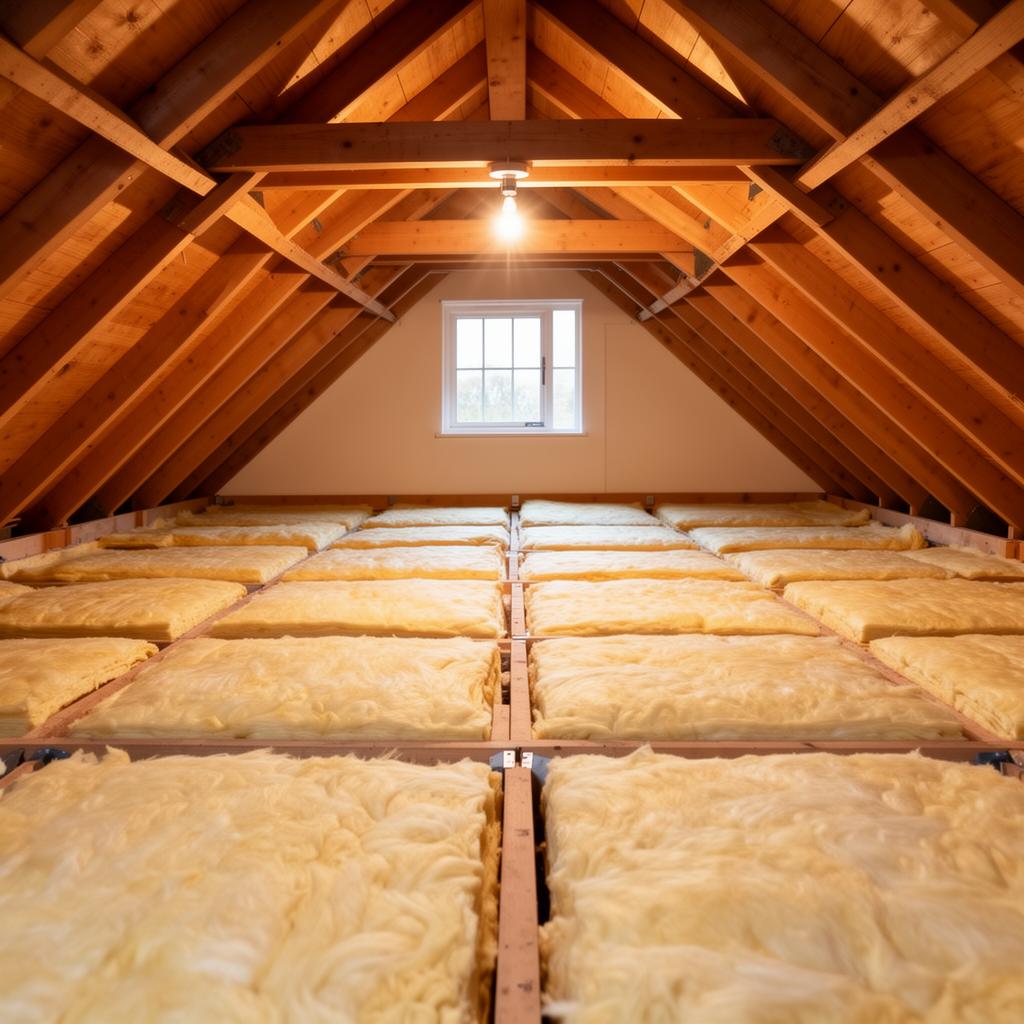
Insulating a 1930s semi is one of the most rewarding home energy projects in the UK because these inter-war houses share a remarkably consistent construction that responds well to modern insulation techniques. With an estimated 3.8 million semi-detached houses built between 1919 and 1939 still standing, this is a property type that millions of UK homeowners are actively looking to improve. This guide walks through every element of a 1930s semi, from cavity walls and suspended timber floors to lofts and windows, with realistic costs and practical advice.
How to Insulate a 1930s Semi-Detached House
- Check for a wall cavity — most 1930s semis have a narrow 40–50mm cavity; confirm with a borescope inspection before filling
- Install cavity wall insulation — bead or blown fibre insulation suits narrow 1930s cavities and costs £600–£1,200
- Top up loft insulation to 270mm — many 1930s homes still have original thin insulation or none at all
- Insulate the suspended timber floor — fit mineral wool or rigid board between the floor joists from below or above
- Upgrade single glazing to double glazing — 1930s bay windows are major heat loss points; modern replacements achieve U-values of 1.2 W/m²K
- Draught-proof throughout — seal gaps around doors, windows, floorboards, chimneys and the loft hatch
- Consider internal wall insulation for the party wall — the shared wall in a semi loses heat if the adjoining property is unheated
A fully insulated 1930s semi can reach EPC band C and reduce heating bills by £300 to £600 per year. The biggest gains come from cavity wall insulation and loft insulation, which together address over 55% of heat loss. Many 1930s semis qualify for free or heavily subsidised insulation through the ECO4 scheme, particularly if the household receives means-tested benefits.
Typical Construction of a 1930s Semi-Detached House
Understanding how your 1930s semi was built is the first step to insulating it effectively. The vast majority share these construction features:
- Cavity walls: Most 1930s semis have brick cavity walls with a 50mm (2-inch) air gap between the inner and outer leaf. This was an improvement over the solid walls of Victorian and Edwardian properties, but the cavities are narrower than modern standards (typically 75-100mm in post-1990 construction).
- Suspended timber ground floors: Timber joists resting on sleeper walls, with floorboards on top and an air gap beneath. Airbricks in the external walls ventilate the subfloor void to prevent damp and rot.
- Shallow loft spaces: Roof joists typically 75mm to 100mm deep, often with no insulation at all or a thin layer added in the 1970s-1980s.
- Single-glazed timber windows: Original Crittall metal-framed or timber casement windows with no double glazing.
- Solid party walls: The shared wall with the adjoining property is typically a single-leaf brick wall with no cavity and no insulation.
Cavity Wall Insulation for 1930s Semis
Cavity wall insulation is typically the single most cost-effective improvement for a 1930s semi, delivering the greatest reduction in heat loss relative to cost. The existing 50mm cavity can be filled with mineral wool, polystyrene beads or polyurethane foam injected through small holes drilled in the outer brickwork.
However, the narrow 50mm cavity in 1930s properties creates some specific considerations:
- Mineral wool injection: Works well in 50mm cavities and is the most common method. Typical cost for a three-bedroom 1930s semi is GBP 600-1,200.
- Polystyrene beads: Also suitable for narrow cavities and offer good moisture resistance. Slightly more expensive at GBP 800-1,400.
- Polyurethane foam: Provides the best thermal performance per millimetre but costs more at GBP 1,200-2,000. Best suited to properties with known air leakage through the cavity.
Before proceeding, a cavity wall assessment should check for debris in the cavity (common in older builds where mortar droppings were not cleaned out), condition of wall ties, exposure to driving rain and whether the outer leaf brickwork is in good condition. Properties with a severe westerly exposure or damaged pointing may not be suitable for cavity fill without remedial work first.
Expected energy savings from cavity wall insulation in a 1930s semi are approximately GBP 285-390 per year based on current gas prices, giving a payback period of 2-4 years even without grant support.
Loft Insulation: Topping Up or Starting Fresh
Many 1930s semis already have some loft insulation, often 50-100mm of mineral wool laid between the joists at some point in the past 40 years. The current recommended depth is 270mm, so most lofts need topping up significantly.
The approach depends on the existing situation:
- No existing insulation: Lay 100mm mineral wool between the joists, then cross-lay a second layer of 170mm mineral wool rolls over the top at right angles. Total cost: GBP 350-600 professionally installed, or GBP 150-250 for DIY materials.
- Existing 100mm insulation in good condition: Simply cross-lay 170mm mineral wool over the top to bring the total to 270mm. This is a straightforward DIY job costing GBP 100-180 in materials for a typical three-bedroom semi.
- Old, compressed or damaged insulation: Remove the old material and start fresh with 100mm between joists plus 170mm cross-laid. The old insulation may contain substances requiring careful disposal.
One challenge specific to 1930s semis is the shallow joist depth. At 75-100mm, the joists barely accommodate the first layer of insulation. This is not a problem for thermal performance (the cross-laid layer does most of the work) but it does mean the insulation completely covers the joists, making it impossible to use the loft for storage without raised platforms or loft legs.
Annual energy savings from upgrading loft insulation from nothing to 270mm are approximately GBP 255-350 per year. Even topping up from 100mm to 270mm saves around GBP 65-100 per year.
Suspended Timber Floor Insulation
The suspended timber ground floor in a 1930s semi is one of the most overlooked sources of heat loss. The ventilated void beneath the floor allows cold air to flow directly under the living spaces, and the timber floorboards typically have gaps that let draughts into the rooms above.
There are two main approaches to insulating a suspended timber floor:
Insulation from Above (Lifting Floorboards)
This involves lifting the floorboards, fitting insulation between the joists (supported by netting or battens), then relaying the boards. Mineral wool supported by breathable membrane netting is the most common method. PIR board cut to fit between the joists is an alternative that provides better thermal performance for less thickness.
Typical cost for professional installation: GBP 1,000-2,000 for a ground floor area of approximately 40-50m2.
Insulation from Below (If Cellar Access Exists)
Some 1930s semis have a partial cellar or crawl space that allows access to the underside of the ground floor joists. Rigid board insulation or mineral wool batts can be fixed to the underside of the joists without any disruption to the rooms above. This is the easier and less disruptive method when access allows.
Critical note: the subfloor airbricks and ventilation must never be blocked. The ventilated void beneath a suspended timber floor is essential to prevent moisture build-up and timber rot. Any floor insulation must maintain this airflow while insulating the floor above.
Windows and Doors: Upgrading from Single to Double Glazing
If your 1930s semi still has its original single-glazed windows, replacing them with modern double glazing delivers both thermal and comfort improvements. Single-glazed windows have a U-value of around 5.0 W/m2K, while modern A-rated double glazing achieves 1.2-1.4 W/m2K.
Typical costs for double glazing a three-bedroom 1930s semi (approximately 8-10 windows plus front and back doors):
- uPVC double glazing: GBP 4,000-7,000 for the full house
- Timber double glazing: GBP 7,000-12,000 for the full house
- Aluminium double glazing: GBP 8,000-14,000 for the full house
Annual energy savings from replacing single glazing with double glazing are approximately GBP 110-175 per year. The payback period is longer than for insulation measures, but the comfort improvement, noise reduction and property value uplift often justify the investment.
What to Insulate First: Priority Order for a 1930s Semi
If your budget does not stretch to everything at once, prioritise insulation measures in this order based on cost-effectiveness:
| Priority | Measure | Typical Cost | Annual Saving | Payback |
|---|---|---|---|---|
| 1 | Loft insulation (to 270mm) | GBP 350-600 | GBP 255-350 | 1-2 years |
| 2 | Cavity wall insulation | GBP 600-1,200 | GBP 285-390 | 2-4 years |
| 3 | Draught-proofing | GBP 200-400 | GBP 85-145 | 2-3 years |
| 4 | Suspended floor insulation | GBP 1,000-2,000 | GBP 70-120 | 8-15 years |
| 5 | Double glazing | GBP 4,000-7,000 | GBP 110-175 | 25-40 years |
Loft insulation and cavity wall insulation should always be the first two priorities. Combined, they can reduce your heating bills by GBP 540-740 per year for a total outlay of under GBP 2,000. That is a rapid payback that few other home improvements can match.
Grant Eligibility for Insulating a 1930s Semi
Several government grant schemes can reduce or eliminate the cost of insulating your 1930s semi-detached house.
ECO4 Scheme
The Energy Company Obligation (ECO4) scheme runs until March 2026 and provides fully funded insulation for households on qualifying benefits including Universal Credit, Pension Credit, Child Tax Credit and others. Both cavity wall and loft insulation are eligible measures. 1930s semis frequently qualify because their EPC ratings are typically D or E before improvement.
Great British Insulation Scheme
This scheme targets properties in Council Tax bands A-D with an EPC of D or below. Even households not on benefits may qualify. Cavity wall insulation is one of the primary measures available under this scheme, with no cost to the homeowner if eligible.
To check your eligibility for funded insulation, Green Reach Energy’s quote-comparison service is launching soon — register your interest and we’ll let you know when you can compare quotes from qualified installers.
Common Problems When Insulating 1930s Semis
While 1930s semis are generally straightforward to insulate, watch out for these common issues:
- Narrow or obstructed cavities: Some 1930s cavity walls have actual cavities of only 40-45mm due to mortar droppings or debris. An endoscope survey before installation confirms the cavity width and condition.
- Bay windows: 1930s semis typically have a bay window at the front. The bay wall construction may differ from the main walls, sometimes with solid brick returns that cannot be cavity-filled.
- Party wall heat loss: The solid brick party wall between semi-detached properties is uninsulated and can account for 10-15% of total heat loss. Internal wall insulation on the party wall is an option but reduces room size.
- Cold bridging at lintels: Concrete lintels above windows and doors bridge the cavity and create cold spots. These cannot be resolved by cavity wall filling alone.
- Subfloor ventilation: When insulating floors, it is essential not to block the airbricks that ventilate the subfloor void. Blocked ventilation leads to timber rot and structural damage.
A professional retrofit assessment under PAS 2035 standards will identify all of these issues and produce a tailored improvement plan. This is particularly important if you are considering combining insulation with a heat pump installation, as the insulation must be in place first to allow the heat pump to be sized correctly.
Frequently Asked Questions
Do all 1930s semis have cavity walls?
The vast majority do, but not all. Some properties in this era were built with solid 9-inch brick walls, particularly in rural areas or where local building traditions favoured solid construction. You can check by measuring the wall thickness at a door or window opening. Cavity walls are approximately 270mm (10.5 inches) thick, while solid walls are approximately 225mm (9 inches). A drill test or endoscope inspection provides definitive confirmation.
Is cavity wall insulation safe for 1930s houses?
Yes, when properly assessed and installed. The main risk is damp penetration in exposed locations, where driving rain can soak through the outer leaf and wet the insulation. A pre-installation survey should check wall condition, exposure level and cavity cleanliness. Properties with severe exposure (typically west-facing walls in high-rainfall areas) may need pointing repairs or water-repellent treatment before cavity fill.
How much can I save by fully insulating a 1930s semi?
A comprehensive insulation upgrade (cavity walls, loft to 270mm, floor insulation, draught-proofing and double glazing) can reduce heating costs by GBP 700-1,000 per year at current gas prices. This can also improve the EPC rating from a typical D or E to a C or even B, adding value to the property if you decide to sell.
Should I insulate before or after installing a new boiler?
Always insulate first. Reducing the heat loss from your home means a smaller, less expensive boiler can meet the reduced heating demand. If you install a boiler first and insulate later, the boiler may be oversized for the insulated property, leading to inefficient short-cycling. This is even more critical if you are considering a heat pump, which must be accurately sized to the insulated heat loss of the building.
Can I insulate the party wall of a semi-detached house?
Yes, internal wall insulation can be applied to the party wall. However, this only makes financial sense if your neighbour’s property is significantly colder than yours (for example, if it is unoccupied or poorly heated). If both properties are heated to similar temperatures, heat loss through the party wall is minimal. The cost of internal wall insulation (GBP 40-80 per m2) and the loss of room space usually outweigh the modest energy savings.
See what these numbers mean for your home
Free instant estimate — costs, savings, payback and grants for your region.

Related Articles
Home Insulation Costs and Grants: Your Complete 2026 Guide
Update (June 2026): ECO4 closed to new applications in March 2026. Approved installations continue to December 2026. The Warm Homes: Local Grant is now the main funding route for insulation.…
18 May 2026
How to Reduce Condensation and Damp While Keeping Your Home Warm
Learn why condensation forms in UK homes, the difference between condensation and rising damp, and proven ventilation strategies to fix damp without losing heat.
8 May 2026
Conservatory Roof Replacement: How a Solid Roof Cuts Energy Bills and Adds Value
Replacing an old polycarbonate or glass conservatory roof with a solid insulated roof can slash heat loss, cut energy bills and turn a seasonal room into a year-round living space.
6 May 2026