Flat Roof Insulation Costs and Grants for Manchester Homeowners
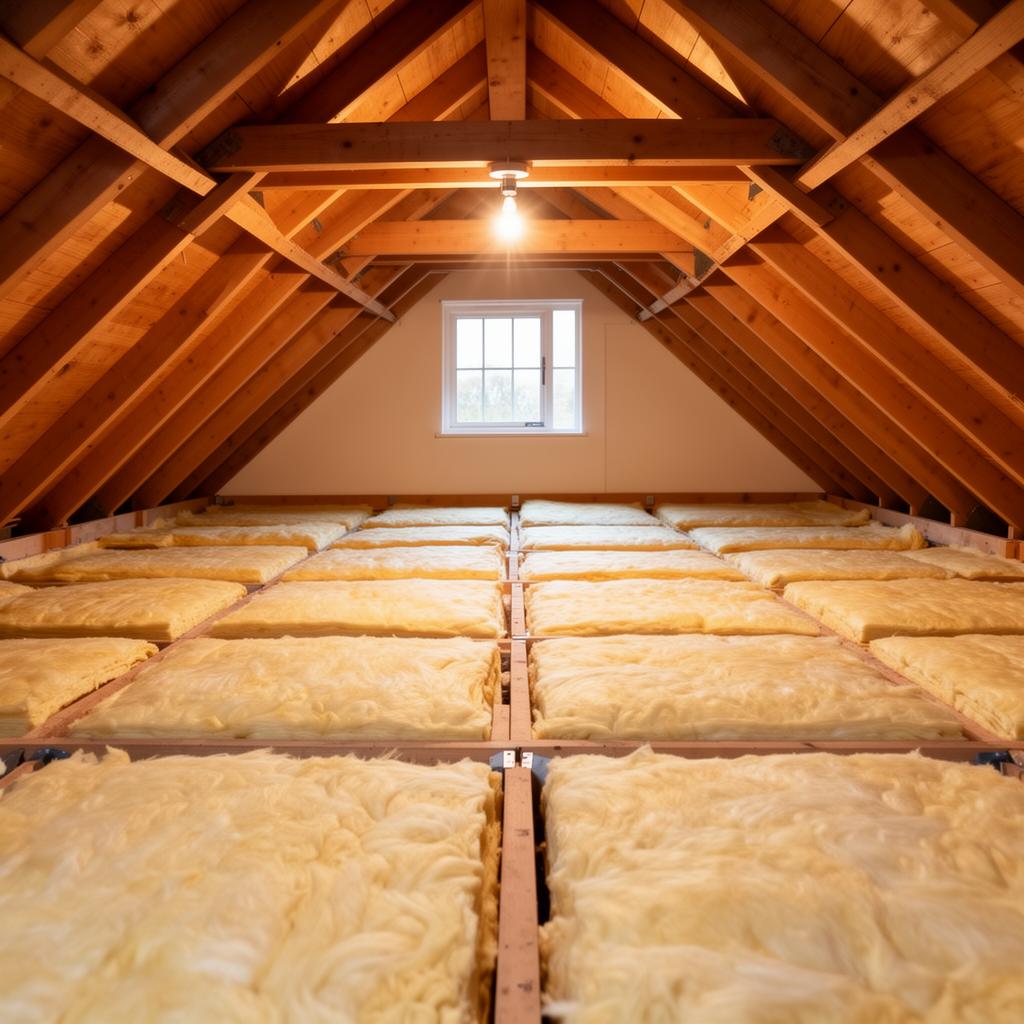
Flat roof insulation for a typical Manchester home extension or flat-roofed property costs between £1,000 and £4,000 depending on the method, roof size and current condition. Uninsulated flat roofs lose heat at roughly twice the rate of an insulated pitched roof, making them a priority for any energy efficiency upgrade. For homes in Levenshulme, Fallowfield, Whalley Range and other Manchester suburbs where 1960s-70s flat-roofed extensions are common, this is one of the most impactful improvements you can make to both comfort and energy bills.
How Much Does Flat Roof Insulation Cost in Manchester?
Flat roof insulation in Manchester costs £1,200 to £3,500 depending on the method and roof size. Warm roof insulation (rigid board laid on top of the existing deck) costs £50 to £80 per square metre and is the most effective approach. Cold roof insulation (fitted between joists from below) costs £30 to £50 per square metre but carries a higher risk of condensation. For a typical 15 to 20 square metre flat roof extension, expect to pay £1,200 to £1,800 for a cold roof or £2,000 to £3,500 for a warm roof system.
Flat roofs on Manchester terraces and extensions are a major source of heat loss because they typically have little or no insulation. Upgrading can reduce heat loss through the roof by 50 to 70 percent and save £100 to £200 per year on heating bills. The Great British Insulation Scheme covers flat roof insulation for homes in council tax bands A to D, and ECO4 funding may cover the full cost for households receiving qualifying benefits. Both schemes require installation by an approved contractor.
Flat-roofed extensions are everywhere in Manchester. The kitchen and bathroom extensions added to Victorian and Edwardian terraces throughout the mid-20th century almost always have flat roofs, and many were built with little or no insulation. They are the coldest rooms in the house in winter, the hottest in summer, and prone to condensation. Here is how to fix that.
Types of Flat Roof Insulation
There are three main approaches to insulating a flat roof, each suited to different situations:
Warm roof (insulation above the deck): The most effective method. Rigid insulation boards (PIR, typically 100-150mm thick) are laid on top of the existing roof deck, and a new waterproof membrane is applied over the insulation. This creates a “warm” roof structure where the entire roof deck is within the thermal envelope, eliminating condensation risk. It is the recommended method when the existing roof covering needs replacing anyway. Cost: £2,000-£4,000 for a typical extension.
Cold roof (insulation between joists): Insulation is fitted between the roof joists from below (from inside the room). This is cheaper and less disruptive than a warm roof but requires careful detailing to avoid condensation, as the roof deck remains cold and moisture from the warm room below can condense on the cold surface. A vapour barrier on the warm side is essential. Cost: £800-£2,000 for a typical extension.
Inverted roof (insulation above the waterproof membrane): Used on larger flat roofs, particularly concrete-decked roofs. Extruded polystyrene (XPS) insulation boards are laid on top of the existing waterproof membrane and weighted down with gravel or paving slabs. The existing membrane is protected by the insulation above it, extending its lifespan. Cost: £1,500-£3,500.
Which Method Is Best for Manchester Homes?
For most Manchester domestic flat roofs:
If the roof covering needs replacing: Choose a warm roof. When you are stripping and re-covering the roof anyway, adding insulation on top of the deck adds relatively little extra cost (the scaffolding and labour for roof access are already covered). This is the gold standard approach and eliminates condensation concerns.
If the roof covering is in good condition: A cold roof (insulation from below) is cheaper and avoids disturbing the existing roof. However, it requires careful moisture management. An experienced installer will ensure the vapour barrier is correctly installed on the warm side and that any necessary ventilation is maintained between the insulation and the cold roof deck.
If the room is already being refurbished: If you are redecorating or restructuring the room below, insulating from below (cold roof method) is minimally disruptive since the ceiling is already being accessed.
Energy Savings
An uninsulated flat roof with a U-value of 1.5 W/m2K loses roughly 10 times more heat per square metre than a well-insulated roof at 0.15 W/m2K. For a 15 square metre kitchen extension in Manchester:
- Uninsulated flat roof heat loss: 15m2 x 1.5 x 25 (temp difference) = 563W, or approximately 2,500kWh per heating season = £156 per year in heating cost attributable to the roof
- Insulated flat roof heat loss: 15m2 x 0.15 x 25 = 56W, or approximately 250kWh per heating season = £16 per year
- Annual saving: £140 per year from the roof insulation alone
The comfort improvement is even more noticeable than the financial saving. An insulated flat-roofed room maintains a steady temperature instead of fluctuating wildly with outdoor conditions. Summer overheating is also reduced, as the insulation keeps heat out as well as in.
Grants and Funding
Flat roof insulation is covered by several grant schemes:
- government energy efficiency schemes: Flat roof insulation is a qualifying measure. If you receive qualifying benefits and your home has an EPC of D or below, the work could be fully funded.
- government insulation scheme: Covers flat roof insulation for homes in Council Tax bands A-D.
- 0% VAT: All insulation work on residential properties benefits from 0% VAT until March 2027.
- Local authority schemes: Some Manchester boroughs include flat roof insulation in their energy efficiency programmes. Contact your local council.
Our guide to government energy efficiency schemes eligibility in Lancashire and the guide to local authority grants for Greater Manchester cover the application processes.
Combining with Roof Replacement
If your flat roof is leaking or nearing the end of its life (felt roofs typically last 10-20 years, EPDM rubber membranes 30-50 years), combining insulation with a new roof covering is the most cost-effective approach. The additional cost of insulation when the roof is already being replaced is typically only £500-£1,500 (the cost of the insulation material and slightly more labour), compared to £2,000-£4,000 if done as a standalone project.
Under current building regulations (Part L), if you are replacing more than 25% of a flat roof covering, you are required to insulate it to current standards as part of the re-roofing work. So if you are already planning a roof replacement, insulation is not optional – it is a regulatory requirement.
Condensation: The Key Risk
Condensation is the biggest risk with flat roof insulation, particularly with the cold roof method. Warm, moist air from the room below rises to the cold roof deck, where moisture condenses. Over time, this can cause timber decay, mould growth and damage to the ceiling.
Prevention requires a continuous vapour control layer on the warm side of the insulation and, in some cases, ventilation gaps between the insulation and the roof deck. The warm roof method largely eliminates condensation risk because the entire roof structure is kept warm.
In Manchester’s damp climate, getting the moisture management right is essential. Use an experienced installer who understands flat roof construction and the specific condensation risks. Ask them to explain how they will manage moisture in your specific roof structure.
Can I insulate a flat roof from inside without removing the ceiling?
Not easily. Insulating between the joists requires access to the joist spaces, which usually means removing the ceiling plasterboard, fitting insulation and vapour barrier, and then re-plastering. Alternatively, insulation boards can be fixed to the underside of the existing ceiling, but this reduces the room height by 50-100mm and requires re-finishing. The warm roof approach (insulation from above) avoids any internal disruption.
How thick does flat roof insulation need to be?
To meet current building regulations (U-value of 0.18 or better for a refurbishment), you need approximately 100-120mm of PIR insulation (like Celotex or Kingspan) or 150-200mm of mineral wool. The exact thickness depends on the insulation material’s thermal conductivity and the existing roof structure. Your installer will specify the appropriate thickness.
Will insulation make my flat-roofed extension cooler in summer?
Yes. Insulation works both ways – it keeps heat in during winter and keeps it out during summer. Manchester’s hottest summer days can make uninsulated flat-roofed rooms uncomfortably hot (the dark roof surface absorbs solar heat and radiates it into the room below). After insulation, the room stays several degrees cooler on hot days, making it genuinely usable year-round.
See what these numbers mean for your home
Free instant estimate — costs, savings, payback and grants for your region.

Related Articles
Home Insulation Costs and Grants: Your Complete 2026 Guide
Update (June 2026): ECO4 closed to new applications in March 2026. Approved installations continue to December 2026. The Warm Homes: Local Grant is now the main funding route for insulation.…
18 May 2026
How to Reduce Condensation and Damp While Keeping Your Home Warm
Learn why condensation forms in UK homes, the difference between condensation and rising damp, and proven ventilation strategies to fix damp without losing heat.
8 May 2026
Conservatory Roof Replacement: How a Solid Roof Cuts Energy Bills and Adds Value
Replacing an old polycarbonate or glass conservatory roof with a solid insulated roof can slash heat loss, cut energy bills and turn a seasonal room into a year-round living space.
6 May 2026