Window Film vs New Double Glazing: A Cost Comparison for Lancashire
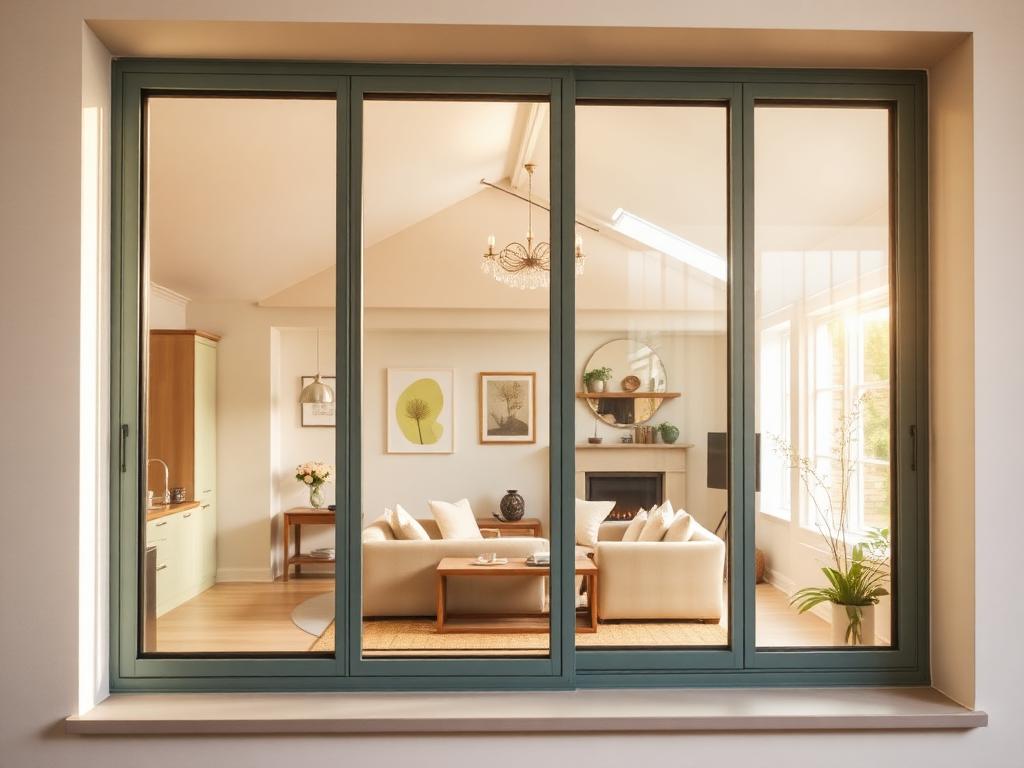
Window insulation film costs £5 to £15 per window and takes 20 minutes to fit. New double glazing costs £300 to £600 per window and takes a full day for a house. The performance gap is significant – double glazing reduces window heat loss by 50% to 60% while film manages 15% to 25% – but when you are choosing between a £60 temporary fix and a £6,000 permanent one, the right answer depends on your budget, your property type, and how long you plan to stay. Here is the honest comparison for Lancashire homeowners.
Window Film vs Double Glazing: Cost Comparison
| Window Film | Double Glazing | |
|---|---|---|
| Typical cost (3-bed semi) | £300–£800 | £4,000–£7,000 |
| Annual energy saving | £30–£60 | £100–£200 |
| Thermal improvement | Marginal (reduces draughts) | Significant (U-value 1.2–1.4) |
| Lifespan | 5–10 years | 20–25 years |
| EPC impact | Minimal | 3–8 points improvement |
| Installation time | Half a day | 1–3 days |
Window film is a low-cost, temporary measure that reduces heat loss slightly by adding an insulating air gap, but it cannot match the thermal performance of sealed double-glazed units. For Lancashire homeowners with single-glazed windows, double glazing delivers far greater long-term savings and may be available at reduced cost through the ECO4 scheme or Warm Homes Local Grant.
What Window Film Actually Does
Window insulation film creates a still air pocket between the film and the glass, mimicking (on a small scale) the principle behind double glazing. The most common type is a transparent shrink-fit film that you attach to the window frame with double-sided tape, then tighten with a hairdryer to create a taut, clear surface. It is barely visible once fitted and can be removed in spring without damaging the frame.
Secondary glazing film reduces the U-value of a single-glazed window from around 5.0 W/m2K to approximately 3.5 to 4.0 W/m2K. That is a meaningful improvement, but it still falls far short of proper double glazing, which achieves U-values of 1.2 to 1.6 W/m2K. Triple glazing goes even further at 0.8 to 1.0 W/m2K.
The film also reduces draughts significantly. Many of Lancashire’s older properties, particularly the Victorian terraces in Blackburn, Burnley, and Accrington and the Edwardian semis across Preston and Chorley, have single-glazed windows with poorly fitting frames. The film seals the entire window opening, stopping cold air from coming through gaps around the glass and frame.
Costs Side by Side
For a typical three-bedroom Lancashire semi with 10 windows:
- Window insulation film – £50 to £150 for the whole house. DIY installation. Lasts one heating season (remove in spring, reapply in autumn). Annual recurring cost.
- Magnetic secondary glazing panels – £80 to £200 per window, £800 to £2,000 for the whole house. Reusable for many years. Can be removed in summer.
- Standard double glazing (uPVC) – £300 to £500 per window, £3,000 to £5,000 for the whole house. Permanent. Lasts 20 to 30 years.
- Slim-profile double glazing (for period homes) – £400 to £700 per window, £4,000 to £7,000 for the whole house. Fits existing timber frames. Preserves character.
- Full secondary glazing (fitted panels) – £200 to £400 per window, £2,000 to £4,000 for the whole house. Permanent discreet panels inside existing windows. Good for listed buildings.
Energy Savings Comparison
independent energy organisations estimates that replacing single glazing with double glazing may save an estimated £100 to £120 per year on heating bills for a typical semi-detached home. Window film saves roughly £25 to £50 per year. Here is how each option stacks up over time for a Lancashire semi:
- Window film – £50 to £150 per year cost, £25 to £50 per year saving. Net annual cost: £0 to £125 (barely breaks even, but provides comfort improvement).
- Magnetic secondary glazing – £800 to £2,000 one-off cost, £50 to £80 per year saving. Payback: 10 to 25 years.
- Double glazing – £3,000 to £5,000 one-off cost, £100 to £120 per year saving. Payback: 25 to 40 years on energy savings alone.
On pure energy savings, none of these options pays for itself quickly. The case for double glazing rests on additional benefits: increased property value (typically £2,000 to £5,000 for a Lancashire semi), improved comfort, noise reduction, better security, and reduced condensation. When you factor in the property value increase, the real payback period for double glazing is much shorter.
Which Lancashire Homes Should Choose Film?
Window film is the right choice in several specific situations:
Rented properties. If you are a tenant in a Lancashire rental, you cannot install new windows without your landlord’s agreement. Film is a temporary, removable improvement that costs next to nothing and makes a real difference to comfort during winter.
Listed buildings where window replacement is not permitted. Some properties in conservation areas of Clitheroe, Lancaster, or central Manchester cannot have their original windows replaced. Film or secondary glazing are the only options for improving thermal performance without altering the building’s character.
As a stopgap while saving for double glazing. If you plan to replace your windows in the next year or two but want to improve comfort now, film bridges the gap at minimal cost.
Homes with large single-glazed windows in good condition. Some Lancashire period homes have beautiful original sash or casement windows that the owner wants to keep. Film or secondary glazing preserves the windows while improving performance.
Which Homes Should Choose Double Glazing?
Double glazing may offer better long-term value when:
You own the property and plan to stay long-term. The combined benefits of energy savings, property value increase, comfort, and noise reduction make double glazing worthwhile for owner-occupiers who will be in the home for five years or more.
Your existing windows are in poor condition. If the frames are rotten, the putty is failing, or the windows do not close properly, replacement makes more sense than trying to improve them with film.
You are planning other energy improvements. If you are installing a heat pump or improving insulation, upgrading the windows at the same time maximises the benefit of those other investments. A heat pump works more efficiently in a home with lower heat loss, and good windows are part of that picture.
Condensation is a problem. Single-glazed windows in Lancashire homes are notorious for condensation in winter, which can lead to mould growth around frames and window reveals. Double glazing virtually eliminates condensation because the inner pane stays warmer.
The Middle Ground: Secondary Glazing
Secondary glazing fits a permanent or semi-permanent additional pane inside your existing window. It offers 70% to 80% of the thermal performance of full double glazing at 40% to 60% of the cost. For Lancashire period homes where the original windows have character worth preserving, secondary glazing is often the ideal solution.
Professional secondary glazing from companies like Selectaglaze or Ecoease costs £200 to £400 per window installed. The panels are discreet, removable for cleaning, and do not alter the external appearance of the building. They also provide excellent noise reduction – useful for homes on busy Lancashire roads.
DIY magnetic secondary glazing panels are cheaper at £80 to £200 per window and clip into place magnetically. They are easy to remove in summer and store flat. Several Lancashire homeowners have reported good results from these systems, particularly on sash windows where the magnets attach neatly to the existing frame.
Can I get a grant for new windows in Lancashire?
government energy efficiency schemes can fund window replacements as part of a package of energy efficiency measures for qualifying households. The windows alone may not achieve the required EPC uplift, but combined with insulation and heating improvements, they can be included. The 0% VAT rate also applies to energy-efficient windows installed alongside other qualifying measures.
Does window film cause condensation problems?
If fitted correctly with good seals, window film should not cause condensation between the film and the glass. If moisture gets trapped behind the film (due to poor sealing), condensation can form and potentially damage wooden frames. Ensure the film is applied to a clean, dry frame and that the tape seal is continuous around all edges.
How much does double glazing add to a Lancashire property’s value?
Estate agents in Lancashire estimate that double glazing adds £2,000 to £5,000 to a property’s value, depending on the home type and local market. For a three-bedroom semi in Preston or Blackburn valued at £150,000 to £200,000, new windows can add 1.5% to 3% to the asking price. They also make the property more attractive to buyers, potentially speeding up the sale.
See what these numbers mean for your home
Free instant estimate — costs, savings, payback and grants for your region.

Related Articles
Home Insulation Costs and Grants: Your Complete 2026 Guide
Update (June 2026): ECO4 closed to new applications in March 2026. Approved installations continue to December 2026. The Warm Homes: Local Grant is now the main funding route for insulation.…
18 May 2026
How to Reduce Condensation and Damp While Keeping Your Home Warm
Learn why condensation forms in UK homes, the difference between condensation and rising damp, and proven ventilation strategies to fix damp without losing heat.
8 May 2026
Conservatory Roof Replacement: How a Solid Roof Cuts Energy Bills and Adds Value
Replacing an old polycarbonate or glass conservatory roof with a solid insulated roof can slash heat loss, cut energy bills and turn a seasonal room into a year-round living space.
6 May 2026