Retrofitting Solid Wall Insulation in Preston Conservation Areas
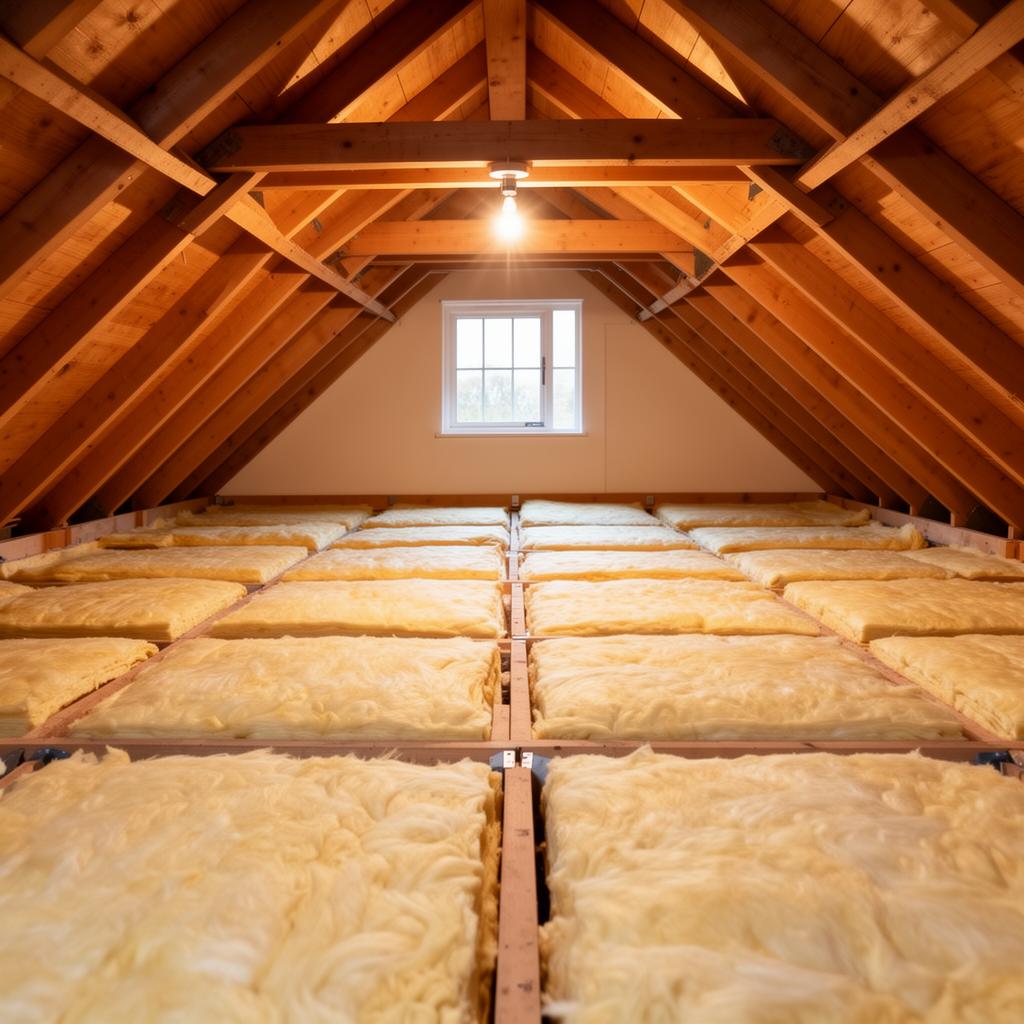
Preston has several conservation areas where the character of Victorian and Georgian architecture is protected, including parts of Winckley Square, Fishergate, Avenham, and the Harris Quarter. Many properties in these areas have uninsulated solid walls that lose roughly 45% of the home’s total heat. Insulating these walls can cut annual heating bills by £300-600, but the process requires careful navigation of conservation rules and the right choice of materials. Here is a practical guide to getting it done properly.
How to Retrofit Solid Wall Insulation in a Conservation Area
- Check with Preston City Council planning department — internal wall insulation does not usually require planning permission, but external insulation in a conservation area almost always does
- Commission a heritage-sensitive survey — a specialist assessor will identify moisture risks, thermal bridges and any features that must be preserved
- Choose breathable insulation materials — woodfibre, lime-based insulation or aerogel boards allow moisture to pass through solid walls, preventing damp
- Apply for grant funding — ECO4 and GBIS can cover internal solid wall insulation costs of £5,000 to £9,000 per property for eligible households
- Use a TrustMark-registered installer — this is mandatory for grant-funded work and ensures PAS 2035 compliance for retrofit projects
- Obtain completion certificates — keep all documentation for your EPC reassessment, which should show a one to two band improvement
Preston has large conservation areas including the city centre, Winckley Square and Fulwood, where many Victorian and Edwardian properties have solid brick or stone walls. Internal wall insulation is the preferred approach in these areas as it does not alter the external appearance, and costs are typically £5,000 to £9,000 for a mid-terrace or £8,000 to £14,000 for a detached property.
The Conservation Area Challenge
Conservation areas protect the external appearance and character of historic streetscapes. In Preston’s conservation areas, any alteration to the external appearance of a property may require planning permission. External wall insulation (EWI), which adds a layer of insulation and render to the outside of the building, changes the wall’s appearance, profile, and often its surface material. This makes EWI a planning matter in conservation areas, and it is frequently refused where it would alter the character of the street.
Internal wall insulation (IWI) does not change the external appearance and generally does not require planning permission, even in conservation areas. For most Preston conservation area properties, IWI is the practical route to insulating solid walls. However, IWI reduces room sizes, requires redecoration of affected rooms, and must be carefully detailed to avoid damp issues – particularly in the stone and brick walls typical of Preston’s Victorian terraces.
Some conservation officers are open to carefully designed EWI on rear elevations (which are not visible from the public street) or on properties where the existing render is already in poor condition and due for replacement. Each case is assessed individually, and early engagement with Preston City Council’s conservation officer is strongly recommended.
Internal Wall Insulation: The Primary Option
For Preston conservation area properties, internal wall insulation is typically the most viable approach. Several systems are available, and the best choice depends on your wall type, moisture conditions, and how much room depth you are willing to sacrifice.
Breathable insulation systems using wood fibre, sheep wool, or hemp insulation with lime plaster are strongly recommended for solid-walled Victorian properties. These materials allow moisture to pass through the wall assembly, maintaining the building’s natural breathing characteristics. A typical system uses 50-80mm of wood fibre board fixed to the wall, skim-coated with lime plaster. This reduces heat loss through the wall by 50-65% while maintaining healthy moisture management.
Insulated plasterboard (PIR foam bonded to plasterboard) offers higher thermal performance per millimetre but is non-breathable. It can be used on less moisture-sensitive walls (brick in good condition with no damp issues) but is not recommended for stone walls or walls with any history of moisture problems. A 50mm insulated plasterboard reduces heat loss by 60-75%.
Independent stud walls with mineral wool or sheep wool insulation offer the best thermal performance and allow services (electrics, plumbing) to be run within the wall zone. However, they take the most space – typically 80-120mm from each insulated wall. For the generous room proportions of many Victorian houses in Preston’s Winckley Square and Avenham areas, this loss may be acceptable.
Costs for Preston Conservation Area Properties
Internal wall insulation costs vary depending on the system chosen and the complexity of the property. For a mid-terrace Victorian house in the Fishergate or Avenham area, typical costs are as follows.
Breathable wood fibre and lime plaster system: £80-120 per square metre installed. For 60-80 square metres of external wall area (a typical three-bedroom terrace), total cost is £4,800-9,600. Insulated plasterboard system: £50-80 per square metre, totalling £3,000-6,400. Independent stud wall with mineral wool: £60-90 per square metre, totalling £3,600-7,200.
Additional costs include moving and refitting skirting boards, architraves, and window reveals (£500-1,500), extending electrical sockets and switches (£200-600), and redecorating affected rooms (variable). The total project cost for insulating all external walls internally in a Preston conservation area terrace typically runs £5,000-12,000.
When External Insulation Might Be Permitted
While blanket EWI across the front elevation is typically refused in conservation areas, there are scenarios where external insulation may be acceptable. Rear elevations not visible from public viewpoints are often the most permissive – Preston’s conservation officers have approved EWI on rear walls of several properties in the Avenham and Miller Park areas.
Properties where the existing render is failing and needs replacement present an opportunity. Replacing damaged render with an insulated render system (thin-coat EWI) restores the wall’s weather protection while adding insulation. If the new render closely matches the original finish in colour and texture, conservation officers may approve this approach as it preserves rather than alters the building’s character.
Sympathetic lime render systems that replicate the appearance of original lime finishes are more likely to gain approval than modern acrylic renders. The additional cost of lime-based EWI compared to standard acrylic render is around 20-30%, but the planning advantages and compatibility with historic building fabric usually justify the premium.
Navigating the Planning Process
Before starting any insulation project in a Preston conservation area, take these steps. First, check whether your specific property requires planning permission for the proposed work. Preston City Council’s planning department can advise informally, or you can submit a pre-application enquiry (typically £50-100 for householder enquiries) for a written response.
For internal insulation, planning permission is generally not required, but if your property is listed (several buildings in Winckley Square and Fishergate are Grade II listed), you will need listed building consent for any changes to the internal fabric. This includes removing original plasterwork, altering window reveals, or changing the profile of internal walls.
If you do need planning permission or listed building consent, engage with the conservation officer early. Explaining your energy efficiency goals and presenting well-researched proposals shows that you value both the building’s heritage and its sustainable future. Many conservation officers are supportive of sympathetic energy improvements when the approach respects the building’s character.
Grants for Conservation Area Properties
Solid wall insulation is eligible for government energy efficiency schemes funding, and conservation area status does not disqualify a property. However, the specific insulation approach must be approved by the assessor, and some government energy efficiency schemes installers may be unfamiliar with the breathable systems required for historic buildings. Ask specifically about experience with conservation area properties when choosing an government energy efficiency schemes installer.
The government insulation scheme can also fund solid wall insulation for properties in council tax bands A-D with EPC ratings of D or below. Many conservation area properties in Preston fall into this category due to their uninsulated solid walls. The 0% VAT rate on insulation applies regardless of conservation area status, saving 20% on materials and installation.
For listed buildings, Historic England and the Architectural Heritage Fund occasionally offer grants for heritage-appropriate energy improvements. These grants are competitive and not always available, but they can contribute significantly towards the higher costs of breathable, heritage-compatible insulation systems.
Will internal insulation cause damp in my old Preston house?
It can if the wrong materials or methods are used. Non-breathable insulation (standard PIR boards or spray foam) on a solid stone or brick wall can trap moisture and cause hidden damp and mould. Breathable systems using wood fibre, hemp, or sheep wool with lime plaster allow moisture to continue passing through the wall safely. Always use an installer experienced with solid-walled historic buildings, and address any existing damp issues before insulating.
How much room space will I lose with internal insulation?
Depending on the system chosen, you will lose 40-120mm from each insulated wall. For a 4-metre-wide room with insulation on one external wall, you lose roughly 1-3% of the room width. For a corner room with two external walls insulated, the combined loss is more noticeable. Victorian properties in Preston’s conservation areas typically have generous room proportions (3.5-4.5 metres wide with 2.8-3.2 metre ceilings), so the loss is usually proportionally minor.
Can I insulate just some rooms rather than the whole house?
Yes, and this is a practical approach for many conservation area homeowners. Prioritise the rooms where you spend the most time and that have the largest external wall area. Living rooms and bedrooms on the front or gable elevations typically lose the most heat. You can insulate room by room as budget allows, tackling one room at a time when redecorating. Each insulated room provides immediate comfort improvement and energy savings.
See what these numbers mean for your home
Free instant estimate — costs, savings, payback and grants for your region.

Related Articles
Home Insulation Costs and Grants: Your Complete 2026 Guide
Update (June 2026): ECO4 closed to new applications in March 2026. Approved installations continue to December 2026. The Warm Homes: Local Grant is now the main funding route for insulation.…
18 May 2026
How to Reduce Condensation and Damp While Keeping Your Home Warm
Learn why condensation forms in UK homes, the difference between condensation and rising damp, and proven ventilation strategies to fix damp without losing heat.
8 May 2026
Conservatory Roof Replacement: How a Solid Roof Cuts Energy Bills and Adds Value
Replacing an old polycarbonate or glass conservatory roof with a solid insulated roof can slash heat loss, cut energy bills and turn a seasonal room into a year-round living space.
6 May 2026