Hemp and Sheep Wool Insulation: Natural Options for Lancashire Stone Homes
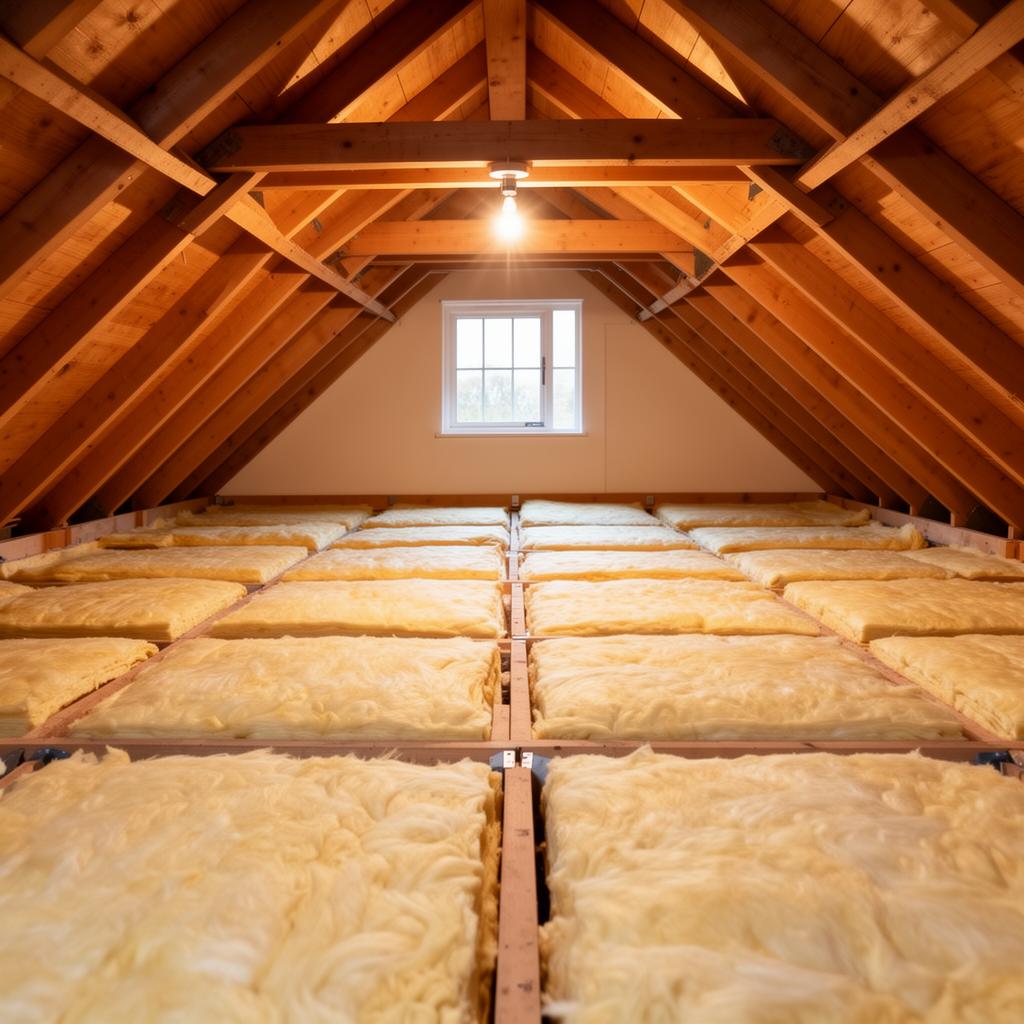
Lancashire’s stone-built homes – from the Pennine gritstone cottages of Rossendale to the limestone properties of the Lune Valley – need insulation that works with their breathable construction, not against it. Hemp and sheep wool insulation are two natural materials perfectly suited to these buildings, allowing moisture to pass through the wall while dramatically reducing heat loss. Both materials are now readily available from UK suppliers and can reduce heating costs by 25-40% in a typical Lancashire stone cottage.
Hemp vs Sheep Wool Insulation for Stone Homes
| Feature | Hemp Insulation | Sheep Wool Insulation |
|---|---|---|
| Thermal conductivity | 0.038–0.040 W/mK | 0.035–0.040 W/mK |
| Moisture management | Absorbs and releases moisture without losing performance | Absorbs up to 35% of its weight in moisture |
| Cost per m² (100mm) | £15–£25 | £20–£35 |
| Breathability | Excellent — ideal for solid stone walls | Excellent — naturally vapour-permeable |
| Fire resistance | Naturally fire-retardant (Class E) | Self-extinguishing, high ignition point |
| Lifespan | 50+ years | 40–60 years |
Both hemp and sheep wool are breathable insulation materials suited to Lancashire’s traditional stone-built properties, where trapping moisture behind non-breathable insulation can cause damp and structural damage. These natural options allow water vapour to pass through the wall structure while still providing thermal resistance values comparable to mineral wool. For Pennine stone cottages and Ribble Valley farmhouses, breathable insulation preserves the building fabric while reducing heating costs by 20% to 35%.
Why Stone Homes Need Breathable Insulation
Solid stone walls manage moisture differently to modern cavity wall construction. Rainwater absorbs into the outer face of the stone, moves slowly through the wall, and evaporates from both the inner and outer surfaces. This constant moisture movement keeps the wall healthy and prevents damp problems. Seal this process with non-breathable insulation (like standard PIR boards or closed-cell spray foam) and you trap moisture inside the wall. The result is damp patches, mould, timber rot, and in severe cases, structural deterioration of the mortar.
This is not theoretical. Across East Lancashire, numerous stone properties have suffered damp problems after non-breathable insulation was installed, often through well-meaning but poorly advised energy improvement schemes. The buildings that have fared best are those insulated with breathable, hygroscopic materials that absorb and release moisture in sympathy with the stone.
Both hemp and sheep wool are hygroscopic – they can absorb moisture (up to 30-35% of their own weight for sheep wool, and around 15-20% for hemp) without losing their insulating properties, and they release it again when conditions allow. This makes them ideal for the breathing stone walls found across Lancashire’s older housing stock.
Sheep Wool Insulation: Properties and Performance
Sheep wool insulation is exactly what it sounds like – wool from sheep, cleaned, treated with borax for fire resistance and moth proofing, and formed into batts or rolls. The UK has an abundant supply of coarse wool that is not suitable for textiles but makes excellent insulation. Brands like Thermafleece (made in the Yorkshire Dales from British wool) are produced within an hour’s drive of most Lancashire properties.
Thermal performance: sheep wool achieves a thermal conductivity of approximately 0.035-0.040 W/mK, making it comparable to standard mineral wool insulation. A 100mm thickness provides roughly the same thermal resistance as 100mm of Rockwool or fibreglass.
Moisture handling: sheep wool’s ability to absorb up to 35% of its weight in moisture without losing insulation performance is outstanding. In a Lancashire stone house where moisture migrates through the wall, the wool acts as a buffer – absorbing moisture during wet periods and releasing it during drier spells. This helps regulate indoor humidity levels as well as temperature.
Cost: sheep wool insulation costs approximately £15-25 per square metre for 100mm-thick batts, compared to £5-10 for standard mineral wool. The premium is significant but justified for breathable wall applications. For a typical Lancashire stone cottage requiring internal wall insulation on 60-80 square metres of wall area, the material cost difference is around £600-1,200.
Hemp Insulation: Properties and Performance
Hemp insulation is made from the fibres of the hemp plant, often blended with a proportion of recycled cotton or polyester to improve handling and resilience. It comes in flexible batts, rigid boards, and as hemp-lime (hempcrete) for direct application to walls. UK-based brands include Lime Technology and Nature Fibres, with hemp increasingly grown in the UK including farms in the North West.
Thermal performance: hemp batts achieve a thermal conductivity of 0.038-0.042 W/mK, slightly less efficient per millimetre than sheep wool but still well within the performance range needed for effective insulation. Hemp-lime (hempcrete) has a higher conductivity of around 0.06-0.08 W/mK but offers the unique advantage of being applied directly to the stone wall surface in a monolithic layer, eliminating cold bridges and providing excellent moisture management.
Durability: hemp insulation is naturally resistant to mould, insects, and rodents. This is a practical advantage in rural Lancashire properties where mice and rats can be a problem – unlike fibreglass and mineral wool, hemp does not provide a comfortable nesting material for rodents. The fibres are also inherently fire-resistant (achieving Class B fire rating without additional treatment in most products).
Cost: hemp batts cost approximately £12-22 per square metre for 100mm thickness. Hemp-lime applied as a plaster system costs more at £80-120 per square metre installed (including the lime render), but this price includes the complete wall finish – no additional plasterboard or render is needed.
Hemp-Lime (Hempcrete): A Special Option for Stone Walls
Hempcrete deserves special mention because it is uniquely suited to Lancashire’s stone buildings. Applied as a wet mix of hemp shiv (the woody core of the hemp plant) and lime binder, it is either cast in shuttering against the internal wall surface or sprayed on, creating a solid insulating layer typically 75-100mm thick.
The lime binder creates a chemical bond with both the hemp and the stone wall, making the insulation an integral part of the wall rather than a separate layer. Moisture moves freely through the entire wall assembly – stone, hempcrete, and lime finish – maintaining the breathable performance that stone buildings require.
Several heritage-focused contractors in Lancashire and the wider North West specialise in hempcrete application. The technique has been used successfully on Grade II listed cottages in the Ribble Valley, stone farmhouses across the Bowland Fells, and Victorian stone terraces in Rawtenstall and Bacup. While more expensive than batt insulation, the results are particularly long-lasting and well-suited to the most challenging stone wall types.
Installation Methods for Stone Walls
For both sheep wool and hemp batts, the typical installation method in a stone house involves fixing a timber battening system to the internal wall surface, fitting the insulation between the battens, and finishing with a breathable membrane and lime plasterboard or lime plaster. The total wall build-up is usually 75-125mm thick, which does reduce room sizes slightly.
Key installation principles for Lancashire stone homes include the following. Use lime mortar, not cement, for any pointing or repair work to the stone wall before insulating. Ensure the breathable membrane (not a standard vapour barrier) is continuous and sealed at junctions. Leave a small air gap (10-15mm) between the stone wall and the insulation to allow any moisture on the wall surface to evaporate. Use breathable lime plaster or lime plasterboard for the internal finish, not standard gypsum plasterboard which restricts moisture movement.
These details matter enormously. A stone wall insulated with the right materials but the wrong techniques can still develop damp problems. Always use an installer experienced with solid stone walls – ideally one familiar with Lancashire’s specific building types and the lime-based construction methods they require.
Environmental Credentials
Both hemp and sheep wool score exceptionally well on environmental measures. Sheep wool insulation has embodied carbon of approximately -4 to -7 kgCO2e per square metre (negative because the wool sequesters carbon), compared to +3 to +8 kgCO2e for mineral wool. Hemp insulation is similarly low-carbon, with hemp plants absorbing CO2 as they grow and the finished product locking that carbon away for the life of the building.
For Lancashire homeowners concerned about the environmental impact of their insulation choices – not just the energy savings but the materials themselves – natural insulation offers a genuinely sustainable option. Both materials are renewable, biodegradable at end of life, and manufactured with far less energy than synthetic alternatives.
Grants and Funding
Natural insulation materials qualify for the 0% VAT rate on energy-saving materials when installed in residential properties. government energy efficiency schemes and the government insulation scheme can fund insulation work in eligible homes, though the specific material choice may depend on what the qualified installer recommends. If you are in a listed building or conservation area, grant funding through organisations like Historic England or the Architectural Heritage Fund may also be available for heritage-appropriate insulation methods.
How long does natural insulation last?
Both sheep wool and hemp insulation are expected to last the lifetime of the building when properly installed. Sheep wool treated with borax resists moth and insect damage indefinitely. Hemp is naturally resistant to biological degradation. Some of the earliest hemp-lime installations in the UK, now over 20 years old, show no signs of deterioration. These materials were used in buildings for centuries before industrial alternatives replaced them.
Does sheep wool insulation smell?
Freshly installed sheep wool insulation may have a faint lanolin smell for the first few weeks, particularly in warm weather. This dissipates quickly and is not noticeable once the wall is finished with plaster or plasterboard. The borax treatment used to fireproof and mothproof the wool is odourless and non-toxic.
Can I use spray foam insulation in a stone house instead?
Closed-cell spray foam is not recommended for solid stone walls because it is non-breathable and traps moisture within the wall. Open-cell spray foam is breathable and can work in some situations, but it does not offer the same moisture-buffering properties as hemp or sheep wool. Most conservation officers and heritage building specialists advise against spray foam in stone buildings, and some mortgage lenders are refusing to lend on properties where spray foam has been applied to solid walls.
See what these numbers mean for your home
Free instant estimate — costs, savings, payback and grants for your region.

Related Articles
Home Insulation Costs and Grants: Your Complete 2026 Guide
Update (June 2026): ECO4 closed to new applications in March 2026. Approved installations continue to December 2026. The Warm Homes: Local Grant is now the main funding route for insulation.…
18 May 2026
How to Reduce Condensation and Damp While Keeping Your Home Warm
Learn why condensation forms in UK homes, the difference between condensation and rising damp, and proven ventilation strategies to fix damp without losing heat.
8 May 2026
Conservatory Roof Replacement: How a Solid Roof Cuts Energy Bills and Adds Value
Replacing an old polycarbonate or glass conservatory roof with a solid insulated roof can slash heat loss, cut energy bills and turn a seasonal room into a year-round living space.
6 May 2026