Condensation After Insulation: Why It Happens and How to Prevent It
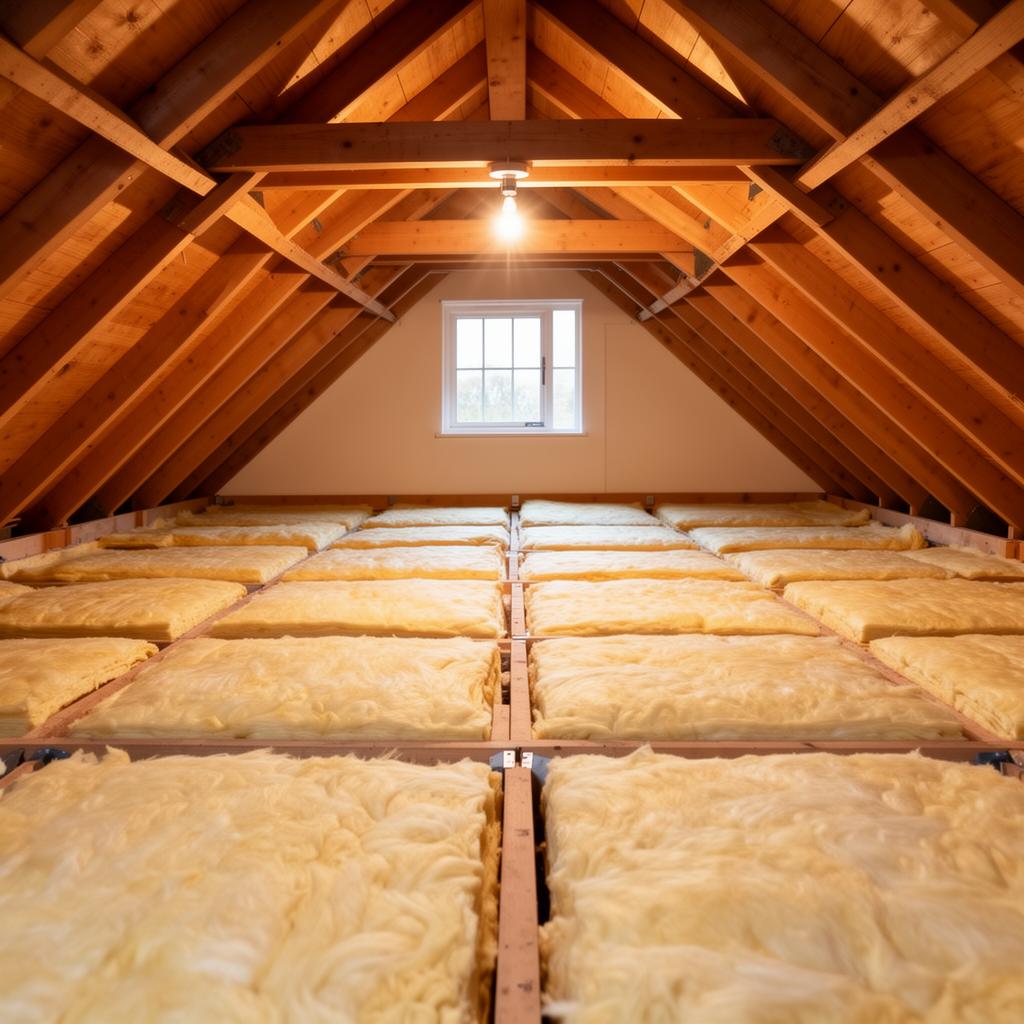
You get your loft insulated, your cavity walls filled, or your windows upgraded – and within weeks, condensation appears on windows, black mould grows in corners, and the house feels damp. It is one of the most common complaints from Lancashire homeowners after insulation improvements, and it catches thousands of people off guard every winter. The good news is that post-insulation condensation is entirely preventable if you understand why it happens and take a few simple steps to manage moisture and ventilation.
How to Prevent Condensation After Installing Insulation
- Ensure adequate ventilation — install trickle vents in windows and mechanical extract fans in kitchens and bathrooms to maintain airflow
- Use a vapour control layer — fit a vapour barrier on the warm side of new insulation to stop moist air reaching cold surfaces
- Maintain consistent low heating — keep the home gently warm rather than cycling between hot and cold, which creates condensation points
- Open windows briefly after cooking or showering — five minutes of ventilation removes excess moisture without significant heat loss
- Check for thermal bridges — cold spots around window reveals, lintels and wall junctions often cause localised condensation after insulation upgrades
- Consider a positive input ventilation unit — PIV systems cost £200 to £400 installed and continuously supply filtered, dry air to prevent moisture build-up
Condensation after insulation is common because the upgrade reduces air leakage, trapping more moisture inside the home. Before insulation, draughts provided uncontrolled ventilation that removed humid air. The solution is never to remove the insulation — it is to replace that lost ventilation with controlled alternatives. A well-insulated home with proper ventilation is warmer, drier and cheaper to heat than one relying on draughts.
Why Insulation Can Make Condensation Worse
Before insulation, your draughty Lancashire home had plenty of uncontrolled ventilation. Gaps around windows, under doors, through the loft hatch, and up the chimney allowed moist indoor air to escape constantly. This natural air exchange kept indoor humidity levels relatively low, even if it also wasted enormous amounts of heat.
When you insulate and draught-proof, you seal up many of those escape routes. The home becomes warmer and more energy-efficient, but the moisture generated by daily activities – cooking, showering, drying clothes, breathing – now has fewer ways to leave. Indoor humidity rises, and when that humid air meets cold surfaces, condensation forms.
A typical Lancashire family of four generates 10 to 15 litres of moisture per day through normal activities. That moisture has to go somewhere. In an uninsulated, draughty house, it escaped through gaps. In a newly insulated home, it needs to be actively managed through controlled ventilation – and this is the step that gets missed in many insulation projects.
Where Condensation Appears After Different Insulation Types
The location of condensation often points to the specific issue. After cavity wall insulation, condensation commonly appears on windows and in room corners, particularly at the junction of external walls and ceilings. This is because the walls are now warmer (less heat escaping through them), but the windows remain the coldest surfaces in the room. Moisture in the air condenses on these cold spots first.
After loft insulation, the loft space itself becomes colder (because heat is no longer flowing up through the ceiling to warm it). If warm, moist air from the rooms below still enters the loft through gaps around pipes, hatches or light fittings, it hits the cold roof timbers and condenses. This can cause damp patches on bedroom ceilings, dripping from loft hatches, and potentially timber rot if left unchecked.
After window replacement, moving from single to double glazing means the glass is warmer, which actually reduces window condensation. But the improved seal around the new frames eliminates the draughts that previously ventilated the room, and condensation can appear on other cold surfaces – typically in corners, behind furniture placed against external walls, and around any remaining single-glazed windows.
In Lancashire terraces with back additions and flat-roof extensions, condensation often appears at the junction between the original building and the extension. These junctions are notorious thermal bridges, and they become more apparent when the rest of the building’s insulation is improved.
How to Prevent Post-Insulation Condensation
The solution is not to undo your insulation. Instead, you need to replace the uncontrolled ventilation you lost with controlled ventilation that removes moisture without losing excessive heat.
Extractor fans in kitchens and bathrooms are the most critical intervention. A humidistat-controlled extractor fan detects high humidity and runs automatically when moisture levels rise – during cooking, showering and clothes drying. These cost £30 to £80 for the fan and £50 to £100 for installation. For Lancashire homes where condensation is concentrated in the kitchen and bathroom, this single measure often solves the problem entirely.
Trickle vents in windows provide constant background ventilation without significant heat loss. Most modern replacement windows include trickle vents as standard, but they are often closed by homeowners who do not understand their purpose. Open your trickle vents – they allow just enough air exchange to manage moisture while losing very little heat. If your windows do not have trickle vents, retrofit options are available for £20 to £40 per window.
Mechanical ventilation with heat recovery (MVHR) is the gold standard for well-insulated homes. An MVHR system extracts stale, moist air from kitchens and bathrooms, passes it through a heat exchanger to recover 85% to 95% of the heat, and supplies fresh, pre-warmed air to living rooms and bedrooms. This provides continuous ventilation without energy waste. MVHR systems cost £3,000 to £6,000 installed and are most cost-effective in very well-insulated homes where they can dramatically improve air quality as well as manage moisture.
Quick Fixes for Lancashire Homes with Condensation
While planning longer-term ventilation improvements, these immediate measures can reduce condensation:
- Open windows briefly (5 to 10 minutes) after cooking, showering and first thing in the morning. Short bursts of ventilation remove moisture effectively without cooling the house significantly
- Use lids on pans when cooking to reduce steam release
- Run extractor fans for 15 to 20 minutes after showering, not just during
- Avoid drying clothes indoors on radiators or airers – a single load of washing releases 2 to 3 litres of water into the air. Use a tumble dryer vented outside, or dry clothes in a room with the window open and door closed
- Move furniture 50 to 100mm away from external walls to allow air circulation behind, preventing mould growth in hidden corners
- Wipe condensation from windows each morning – it takes 30 seconds and prevents moisture from evaporating back into the room
- Use a dehumidifier in problem rooms. A modern desiccant dehumidifier costs £150 to £300 and uses 300 to 600 watts, costing roughly 7p to 15p per hour to run
Loft Condensation: A Specific Lancashire Problem
Loft condensation deserves special attention because Lancashire’s cold, damp winters create ideal conditions for it. After loft insulation is installed, the loft space becomes very cold (close to outside temperature). If moisture from the rooms below enters the loft, it condenses on the cold roof timbers and underside of the tiles or felt.
Prevention requires two things: stopping moisture entering the loft from below, and ensuring the loft has adequate ventilation to disperse any moisture that does get in.
Seal gaps around the loft hatch (draught-strip tape costs £5), around pipework penetrations (expandable foam at £8 per can), and around recessed light fittings (loft caps cost £5 to £10 each). These small gaps are responsible for most of the moisture entering the loft from below.
Ensure the loft has adequate ventilation – Building Regulations require a continuous 10mm gap at the eaves on two opposite sides, or equivalent ventilation through ridge vents or tile vents. During insulation installation, it is critical that the insulation does not block the eaves ventilation. Eaves ventilation trays (£2 to £3 each) should be fitted to maintain the airflow gap above the insulation at the eaves. Check that your installer fitted these – they are occasionally missed.
When to Seek Professional Help
If condensation persists despite improved ventilation, or if you see black mould spreading, get professional help. A damp surveyor can determine whether the issue is condensation (which is a ventilation and moisture management problem) or penetrating damp or rising damp (which are structural issues unrelated to insulation).
In Lancashire, it is worth noting that some damp problems attributed to insulation are actually pre-existing issues that the insulation has made more visible rather than caused. For example, a damp patch that was previously dried out by heat escaping through the wall may become persistent once the wall is insulated and heat no longer passes through it. In these cases, the underlying damp source (blocked guttering, failed pointing, bridged cavity) needs fixing alongside the ventilation improvements.
If insulation was installed through government energy efficiency schemes or government insulation scheme and you believe it has caused or worsened a damp problem, contact the installer and your energy supplier. Under the quality assurance scheme guarantee framework, the installer is responsible for ensuring the work does not cause condensation issues and must address any problems that arise.
Is condensation after insulation normal?
It is common but not inevitable. Condensation occurs when a home is insulated and draught-proofed without adding adequate controlled ventilation. The solution is not to remove the insulation but to improve ventilation through extractor fans, trickle vents, or MVHR systems. Most condensation issues can be resolved within a few weeks of implementing proper ventilation measures.
Will opening windows defeat the purpose of insulation?
Brief window opening (5 to 10 minutes) for ventilation loses very little heat because the walls, furniture and building fabric retain their warmth. The air temperature drops but recovers quickly once the window is closed. This is much more efficient than leaving trickle vents closed and suffering condensation, which can damage your home and create unhealthy living conditions.
Can cavity wall insulation cause damp problems?
Properly installed cavity wall insulation should not cause damp. However, in some cases – particularly in exposed locations with driving rain, failed wall ties, or pre-existing pointing defects – moisture can bridge the insulated cavity and appear as damp on internal walls. This is a different issue from condensation and requires investigation by a qualified surveyor. If your cavity wall insulation was installed through government energy efficiency scheme or government insulation scheme, the quality assurance scheme guarantee covers remedial work for 25 years.
See what these numbers mean for your home
Free instant estimate — costs, savings, payback and grants for your region.

Related Articles
Home Insulation Costs and Grants: Your Complete 2026 Guide
Update (June 2026): ECO4 closed to new applications in March 2026. Approved installations continue to December 2026. The Warm Homes: Local Grant is now the main funding route for insulation.…
18 May 2026
How to Reduce Condensation and Damp While Keeping Your Home Warm
Learn why condensation forms in UK homes, the difference between condensation and rising damp, and proven ventilation strategies to fix damp without losing heat.
8 May 2026
Conservatory Roof Replacement: How a Solid Roof Cuts Energy Bills and Adds Value
Replacing an old polycarbonate or glass conservatory roof with a solid insulated roof can slash heat loss, cut energy bills and turn a seasonal room into a year-round living space.
6 May 2026