Insulating a Dormer Loft in Manchester: Options and Costs
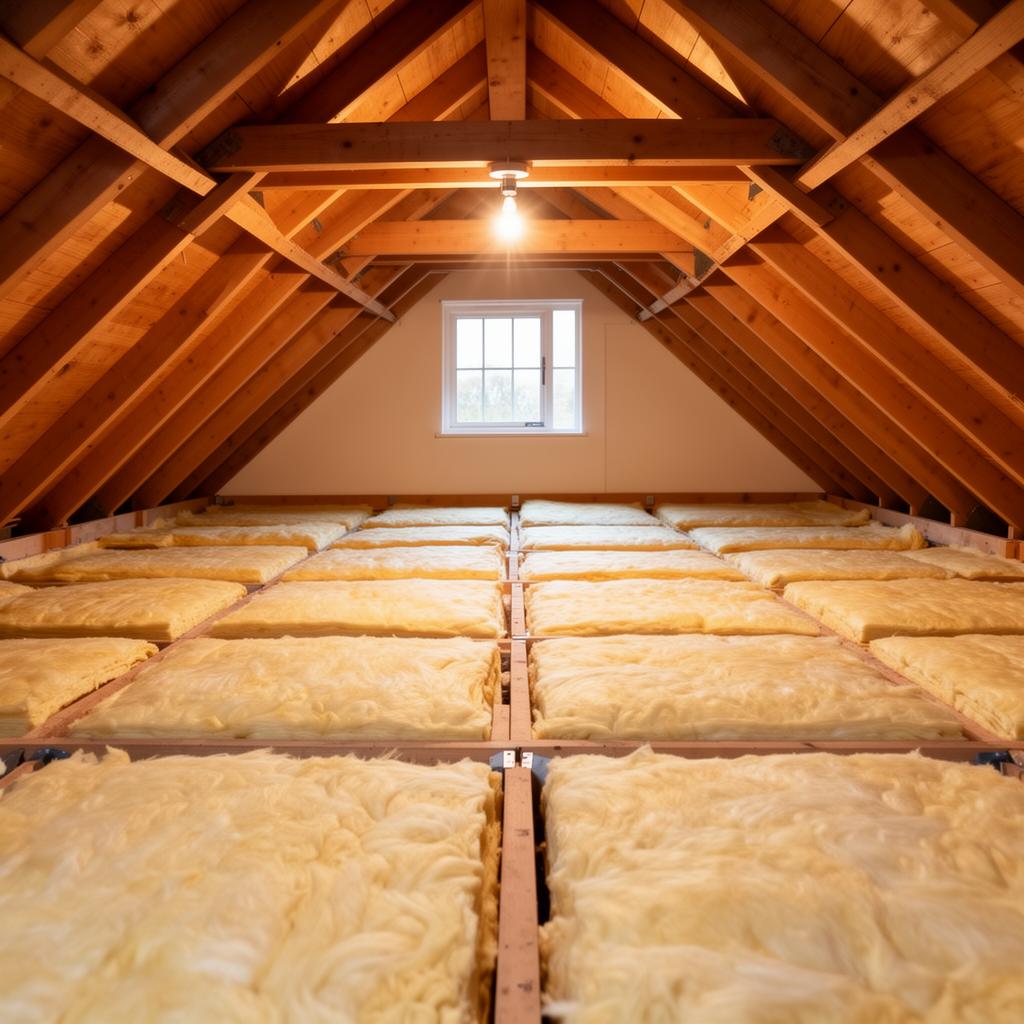
Dormer loft rooms are some of the hardest spaces to insulate properly, and some of the most uncomfortable to live in without it. In summer they overheat; in winter they are the coldest rooms in the house. Across Greater Manchester, where dormer conversions are found on everything from Victorian terraces in Didsbury to 1950s semis in Prestwich and modern homes in Worsley, poor insulation is responsible for heat losses of 30% to 40% through the roof and walls of these rooms. Fixing it costs £2,000 to £5,000 depending on the dormer type and method, but may save an estimated £300 to £500 per year and transforms the room from barely habitable in winter to genuinely comfortable year-round.
How Much Does Dormer Loft Insulation Cost in Manchester?
Dormer loft insulation in Manchester typically costs £1,500 to £3,500 depending on the size of the dormer, access difficulty, and insulation type. Mineral wool between rafters costs £1,500 to £2,000, rigid foam board insulation runs £2,000 to £2,800, and spray foam insulation costs £2,500 to £3,500. These prices include materials and labour for a standard single or double dormer in a Victorian or Edwardian terraced property.
Dormer lofts are particularly prone to heat loss because the sloped ceiling sections, cheek walls, and flat dormer roof all sit within the heated envelope of the home. Insulating all three areas together can reduce heat loss from the loft space by 40 to 60 percent, saving £150 to £250 per year on heating bills. The Great British Insulation Scheme may cover part or all of the cost for properties in council tax bands A to D.
Why Dormer Rooms Are So Hard to Insulate
A dormer loft room has multiple surfaces losing heat: the sloping ceiling follows the rafters, the dormer cheeks (the vertical walls of the dormer box) are exposed to outside air, the flat or sloped dormer roof sits directly under the elements, and the knee walls (the short vertical walls where the roof slope meets the floor) often have uninsulated voids behind them. Each surface requires a different approach, and the confined spaces make installation challenging.
Many Manchester dormer conversions from the 1980s and 90s were done before current Building Regulations required significant insulation. These older conversions often have just 25mm to 50mm of insulation in the rafters (current regulations call for a U-value of 0.18 W/m2K, which typically requires 100mm to 120mm of high-performance insulation). Some have no insulation at all in the knee walls or dormer cheeks, relying entirely on the heating system to keep the room warm.
Types of Dormer Found on Manchester Homes
The insulation approach depends partly on the dormer style. Manchester’s housing stock features several common types:
Flat-roof box dormers are the most common in Greater Manchester, particularly on post-war semis across Salford, Swinton, Eccles and Stretford. They have a flat roof, two vertical cheeks and a front face with a window. The flat roof is the most vulnerable point for heat loss and water ingress.
Pitched-roof dormers (also called dog-house dormers) have a small triangular roof and are common on Victorian and Edwardian properties across Chorlton, Heaton Moor and Levenshulme. The pitched roof provides better water runoff but creates complex junctions that are hard to insulate continuously.
Full-width dormers extend across the entire rear of the house, essentially creating a full extra storey. These are found on terraces across Oldham, Rochdale, Bury and Bolton where planning permissions have allowed them. They have large surface areas exposed to the weather and can benefit significantly from comprehensive insulation.
Insulation Methods for Dormer Roofs
The sloping ceiling and dormer roof are the highest-priority areas because heat rises and these surfaces lose the most energy. There are three main approaches:
Between-rafter insulation uses rigid PIR board (such as Celotex GA4000 or Kingspan Thermawall) cut to fit between the existing rafters. This is the most common retrofit method because it does not reduce headroom significantly. With typical 100mm rafters, you can fit 100mm of PIR (giving a U-value of around 0.22 W/m2K) without any additional battening. Adding a 25mm layer of insulated plasterboard on the underside improves this to approximately 0.16 W/m2K. Cost: £30 to £50 per square metre, or £1,500 to £2,500 for a typical Manchester dormer room.
Over-rafter insulation involves removing the existing roof covering, laying continuous rigid insulation over the top of the rafters, and re-roofing. This is the gold standard because it eliminates thermal bridging through the rafters and provides a continuous insulation layer. However, it is expensive (£80 to £120 per square metre) and only makes sense if you are re-roofing anyway or if the dormer roof needs significant repair. For Manchester flat-roof dormers approaching the end of their felt or rubber membrane’s life, combining a new roof covering with over-rafter insulation is excellent value.
Internal insulated dry lining involves fixing insulated plasterboard (50mm to 75mm PIR bonded to plasterboard) directly to the underside of the rafters and dormer surfaces. This reduces room dimensions slightly (50 to 75mm on each insulated surface) but is quick to install and provides a good thermal upgrade. Cost: £25 to £40 per square metre including finishing. This is popular for dormer bedrooms across Manchester where the priority is quick, clean installation with minimal disruption.
Insulating Dormer Cheeks and Knee Walls
The dormer cheeks (the side walls of the dormer box) are often overlooked but can lose significant heat. These thin stud walls typically have no insulation and are exposed to the wind on the outside. Filling the stud cavity with mineral wool batts (£5 to £10 per square metre) and adding a vapour barrier on the warm side is the standard approach. For better performance, use PIR board cut to fit between the studs, which provides more insulation in the same thickness.
Knee walls – the short walls at the sides of the room where the roof slope meets the floor – often have cold, uninsulated void spaces behind them. These voids act as extensions of the outside environment, chilling the wall and the floor at the room’s edges. The solution is to insulate either the knee wall itself (mineral wool batts or PIR board, £15 to £25 per square metre) or to continue the rafter insulation down to floor level, effectively bringing the void inside the insulated envelope.
For Manchester homes where storage space behind the knee walls is valued, insulating the knee wall surface allows you to keep using the void for storage. If storage is not needed, insulating at rafter level and sealing the void is thermally superior because it reduces the total area of insulated surface.
Ventilation: Getting It Right
Dormer insulation must include proper ventilation to prevent condensation and timber rot. In a cold roof construction (insulation at ceiling level), a 50mm ventilation gap above the insulation and continuous eaves-to-ridge airflow is essential. In a warm roof (insulation follows the roof slope), a ventilation gap between the insulation and the roof covering may be needed depending on the roof membrane type.
Manchester’s high rainfall and humidity make ventilation particularly important. Condensation problems in badly insulated or poorly ventilated dormers are common across the city, with surveyors regularly finding damp timber, black mould on plasterboard, and degraded insulation in properties from Gorton to Wigan. Any insulation project should address ventilation as a priority, not an afterthought.
A vapour control layer on the warm (room) side of the insulation prevents moisture from the occupied room penetrating into the insulation and roof structure. This is especially important in bedrooms where moisture from breathing can accumulate overnight. Use a dedicated vapour barrier membrane rather than relying on foil-backed plasterboard alone.
Costs and Savings for Manchester Dormer Insulation
Total project costs depend on the scope of work. Here is a rough guide for common Manchester scenarios:
- Between-rafter insulation with insulated plasterboard, including dormer cheeks and knee walls: £2,000 to £3,500
- Over-rafter insulation during a flat-roof dormer re-roof: £3,500 to £6,000
- Internal insulated dry lining of all dormer surfaces: £1,800 to £3,000
- Knee wall insulation only (if rafter insulation already exists): £500 to £1,000
Annual heating savings from comprehensive dormer insulation are typically £300 to £500 for a dormer used as a bedroom, based on the room requiring less heating to reach and maintain a comfortable temperature. The payback period is four to ten years depending on the method chosen and the starting condition. Beyond the financial savings, the improvement in comfort is dramatic – a properly insulated dormer is warm in winter, cool in summer, and free from condensation problems.
All insulation materials currently benefit from 0% VAT when installed by a VAT-registered contractor, reducing costs by 20% compared to the standard rate. This applies to labour and materials for residential energy-saving installations.
Can I insulate a dormer loft myself?
DIY is feasible for between-rafter and knee wall insulation if you are comfortable with measuring, cutting rigid board, and basic plastering. The materials are available from builders’ merchants across Manchester. However, getting ventilation and vapour control right is critical, and mistakes can cause serious condensation problems. For most homeowners, professional installation is worthwhile to ensure the job is done correctly.
Do I need planning permission to insulate a dormer?
Internal insulation does not require planning permission or Building Regulations approval in most cases, as it is classed as repair and maintenance. External insulation that changes the dormer’s appearance may need approval, especially in conservation areas (parts of Didsbury, Chorlton and Heaton Moor). If you are re-roofing the dormer, Building Regulations will apply and require the new roof to meet current insulation standards.
What is the best insulation for a flat-roof dormer?
For a flat-roof dormer, the best approach depends on the roof’s condition. If the roof membrane is sound, internal insulated dry lining (PIR-backed plasterboard) is the most cost-effective retrofit. If the roof needs recovering, over-rafter insulation during the re-roofing work provides superior continuous insulation and is the gold standard. Typical costs are £80 to £120 per square metre for over-rafter versus £25 to £40 for internal dry lining.
See what these numbers mean for your home
Free instant estimate — costs, savings, payback and grants for your region.

Related Articles
Home Insulation Costs and Grants: Your Complete 2026 Guide
Update (June 2026): ECO4 closed to new applications in March 2026. Approved installations continue to December 2026. The Warm Homes: Local Grant is now the main funding route for insulation.…
18 May 2026
How to Reduce Condensation and Damp While Keeping Your Home Warm
Learn why condensation forms in UK homes, the difference between condensation and rising damp, and proven ventilation strategies to fix damp without losing heat.
8 May 2026
Conservatory Roof Replacement: How a Solid Roof Cuts Energy Bills and Adds Value
Replacing an old polycarbonate or glass conservatory roof with a solid insulated roof can slash heat loss, cut energy bills and turn a seasonal room into a year-round living space.
6 May 2026