How Much Heat Are You Losing? A Thermal Imaging Guide for Lancashire Homes
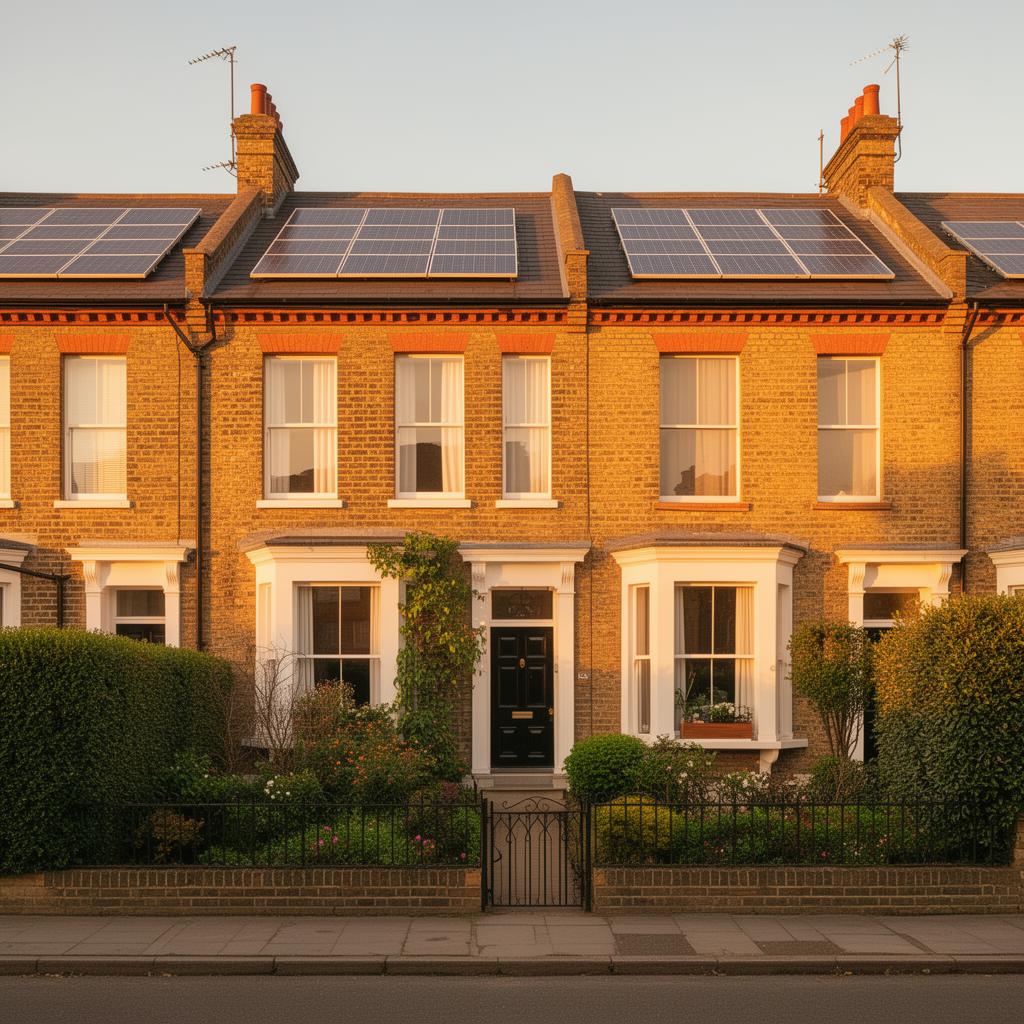
A thermal imaging survey of your home costs £150 to £300 and can reveal heat loss you would never spot with the naked eye. From missing cavity wall insulation in post-war semis across Preston and Chorley to draughty sash windows in Victorian terraces across Blackburn and Darwen, thermal cameras make invisible energy waste strikingly visible. For Lancashire homeowners spending £1,200 to £2,000 per year on heating, identifying and fixing even two or three problem areas can cut bills by 15% to 30%.
How Much Heat Is Your Home Losing?
A typical uninsulated Lancashire home loses 25 to 35 percent of its heat through the roof, 25 to 30 percent through walls, 15 to 20 percent through windows and doors, and 10 to 15 percent through the floor. A thermal imaging survey uses an infrared camera to visualise exactly where heat is escaping, revealing hidden issues such as missing cavity wall insulation, thermal bridges around lintels, and draughty window seals that are invisible to the naked eye.
Professional thermal imaging surveys in Lancashire cost £150 to £300 for a three-bedroom house and are best carried out between November and March when the temperature difference between inside and outside is greatest. Some Lancashire councils offer free or subsidised thermal imaging through community energy schemes. You can also use a handheld thermal camera attachment for your smartphone (from £200) for a DIY assessment, though professional surveys provide more accurate and actionable results.
What Is Thermal Imaging and How Does It Work?
A thermal imaging camera detects infrared radiation – essentially heat energy – and converts it into a colour-coded image. Warm areas appear as red, orange or yellow, while cooler areas show as blue or purple. When pointed at the outside of a heated building, areas losing heat glow brightly against the cooler surrounding structure. This immediately highlights insulation gaps, thermal bridges, draughts and moisture problems.
The technology is the same used by fire services, building inspectors and wildlife surveyors, but it has become increasingly accessible and affordable for residential energy assessments. A professional survey uses a calibrated camera costing £3,000 to £15,000, which produces detailed, measurable images. Consumer-grade thermal cameras that attach to smartphones (£200 to £400) can also be useful for DIY spot-checks, though they lack the resolution and accuracy of professional equipment.
When to Have a Thermal Survey Done in Lancashire
Timing matters. For external thermal imaging to work effectively, there needs to be a significant temperature difference between inside and outside – at least 10C is ideal. In Lancashire, this means the survey season runs from October through to March, with the best results typically achieved on cold, calm evenings between November and February.
The survey should be done after dark or before dawn, when there is no solar gain warming the building’s exterior. Wind can also affect results by cooling the outside surface and masking heat loss patterns, so calm evenings produce the clearest images. Lancashire’s frequent wind and rain mean your surveyor may need to schedule flexibly – a good surveyor will reschedule if conditions are not suitable rather than producing unreliable results.
Before the survey, heat your home to normal comfort temperature for at least four hours. This ensures the building fabric is warm enough to show clear heat loss patterns. If you have programmable heating, set it to maintain 20 to 21C from mid-afternoon on the day of the survey.
Common Heat Loss Problems Found in Lancashire Homes
Lancashire’s varied housing stock means different properties have different weak points. Here are the most common issues thermal surveys reveal across the county:
Failed or missing cavity wall insulation is one of the most significant findings. Many homes built between 1930 and 1980 across estates in Leyland, Bamber Bridge, Fulwood and Great Harwood have cavity walls that were either never insulated or where the original fill has slumped or degraded. On a thermal image, uninsulated cavities show as uniformly bright walls compared to the cooler appearance of properly insulated sections. Even partial failures – where insulation has settled, leaving gaps at the top of walls – show clearly.
Thermal bridging at lintels, window reveals and wall junctions is extremely common. Steel lintels above windows conduct heat rapidly, appearing as bright horizontal bars above window openings on thermal images. This is especially prevalent in 1960s and 70s construction across Lancashire’s housing estates. Addressing thermal bridging can reduce heat loss by 5% to 10% and is often possible with targeted internal insulation.
Window and door draughts show as cold streaks around frames, particularly on older timber windows. Sash windows on Victorian and Edwardian terraces across Blackburn, Accrington and Burnley are notorious for draughts. Thermal imaging can pinpoint exactly where the draughts are worst, allowing targeted draught-proofing that costs as little as £50 to £100 per window.
Missing or inadequate loft insulation appears as a warm roof on the thermal image. Properly insulated lofts show as cold roofs (because the heat stays inside the building). A warm roof means heat is escaping through the ceiling and into the loft space. This is one of the easiest and cheapest problems to fix, with loft insulation top-ups costing £300 to £600 for a typical Lancashire home.
What a Professional Thermal Survey Includes
A professional residential thermal survey in Lancashire typically includes:
- External thermal imaging of all accessible elevations of your property
- Internal thermal imaging of key areas (walls, ceilings, windows, doors)
- Temperature and humidity measurements in each room
- A written report with annotated thermal images
- Prioritised recommendations for improvements with estimated costs and savings
- Comparison images showing normal versus problem areas
The survey itself takes one to two hours for a standard three-bedroom home. You will receive the report within a week, usually as a PDF document with colour thermal images alongside standard photographs for reference. Good surveyors will talk you through the findings on-site and answer questions about what they are seeing in real time.
Costs in Lancashire range from £150 for a basic external-only survey to £300 or more for a comprehensive internal and external assessment with a detailed report. Some energy assessors and insulation companies offer thermal surveys as a free or discounted add-on to other services, though be aware that these may be less impartial than an independent survey.
DIY Thermal Imaging: Is It Worth Buying Your Own Camera?
Smartphone thermal camera attachments from brands like FLIR and Seek start at around £200 and can be useful for quick checks. They are good enough to spot obvious problems like missing insulation, major draughts and cold spots around windows. However, they lack the resolution and temperature accuracy of professional cameras and cannot produce the detailed, calibrated images needed for a formal report.
If you are a hands-on homeowner who enjoys DIY improvements, a smartphone thermal camera can be a worthwhile investment. Use it to check your home before and after insulation upgrades, identify draughts, check for damp behind walls, and even find water leaks. For the price of one professional survey, you get a tool you can use repeatedly.
Some Lancashire community groups and libraries lend thermal cameras as part of energy saving initiatives. Check with your local library service or community energy group before buying one. Blackburn with Darwen Council, Lancaster City Council and several community organisations in Greater Manchester have run thermal camera lending schemes in recent winters.
What to Do After Your Thermal Survey
The survey report will prioritise improvements by cost-effectiveness. Typically, the recommended order is:
First, address draught-proofing. This is the cheapest fix, often under £200 for a whole house, and provides immediate comfort and energy savings. Focus on windows, external doors, letterboxes and loft hatches.
Second, top up loft insulation if it is below 270mm. This costs £300 to £600 and may be available free through the government insulation scheme or government energy efficiency schemes if you are eligible. The typical payback period is two to three years.
Third, address cavity wall insulation if the survey reveals unfilled or failed cavities. Cavity fill costs £600 to £1,500 for a standard home and may save an estimated £200 to £400 per year. Again, this may be available through energy options.
Fourth, consider more expensive upgrades like window replacement, solid wall insulation or floor insulation based on the severity of heat loss shown in the survey. These have longer payback periods but can transform the comfort and energy performance of older Lancashire properties.
How much does a thermal imaging survey cost in Lancashire?
A basic external thermal survey costs £150 to £200. A comprehensive survey including internal imaging and a detailed report costs £250 to £300. Some insulation companies and energy assessors offer thermal imaging as part of their assessment service, sometimes at reduced cost or free if you proceed with recommended work.
Can I do thermal imaging myself?
Yes. Smartphone thermal camera attachments cost £200 to £400 and can identify obvious heat loss problems. They are useful for DIY checks but lack the accuracy and resolution of professional equipment. For a formal assessment with a calibrated report and prioritised recommendations, use a professional surveyor. Some Lancashire libraries and community groups lend thermal cameras for free.
What time of year is best for a thermal survey?
November through February provides the best conditions in Lancashire, when the temperature difference between heated interiors and cold exteriors is greatest. Surveys should be done after dark on calm evenings. Your home should be heated to normal temperature for at least four hours before the survey. Wind and rain can affect results, so your surveyor may need to reschedule if conditions are poor.
See what these numbers mean for your home
Free instant estimate — costs, savings, payback and grants for your region.

Related Articles
Home Insulation Costs and Grants: Your Complete 2026 Guide
Update (June 2026): ECO4 closed to new applications in March 2026. Approved installations continue to December 2026. The Warm Homes: Local Grant is now the main funding route for insulation.…
18 May 2026
How to Reduce Condensation and Damp While Keeping Your Home Warm
Learn why condensation forms in UK homes, the difference between condensation and rising damp, and proven ventilation strategies to fix damp without losing heat.
8 May 2026
Conservatory Roof Replacement: How a Solid Roof Cuts Energy Bills and Adds Value
Replacing an old polycarbonate or glass conservatory roof with a solid insulated roof can slash heat loss, cut energy bills and turn a seasonal room into a year-round living space.
6 May 2026