Spray Foam Insulation: Why Lancashire Mortgage Lenders Are Cautious
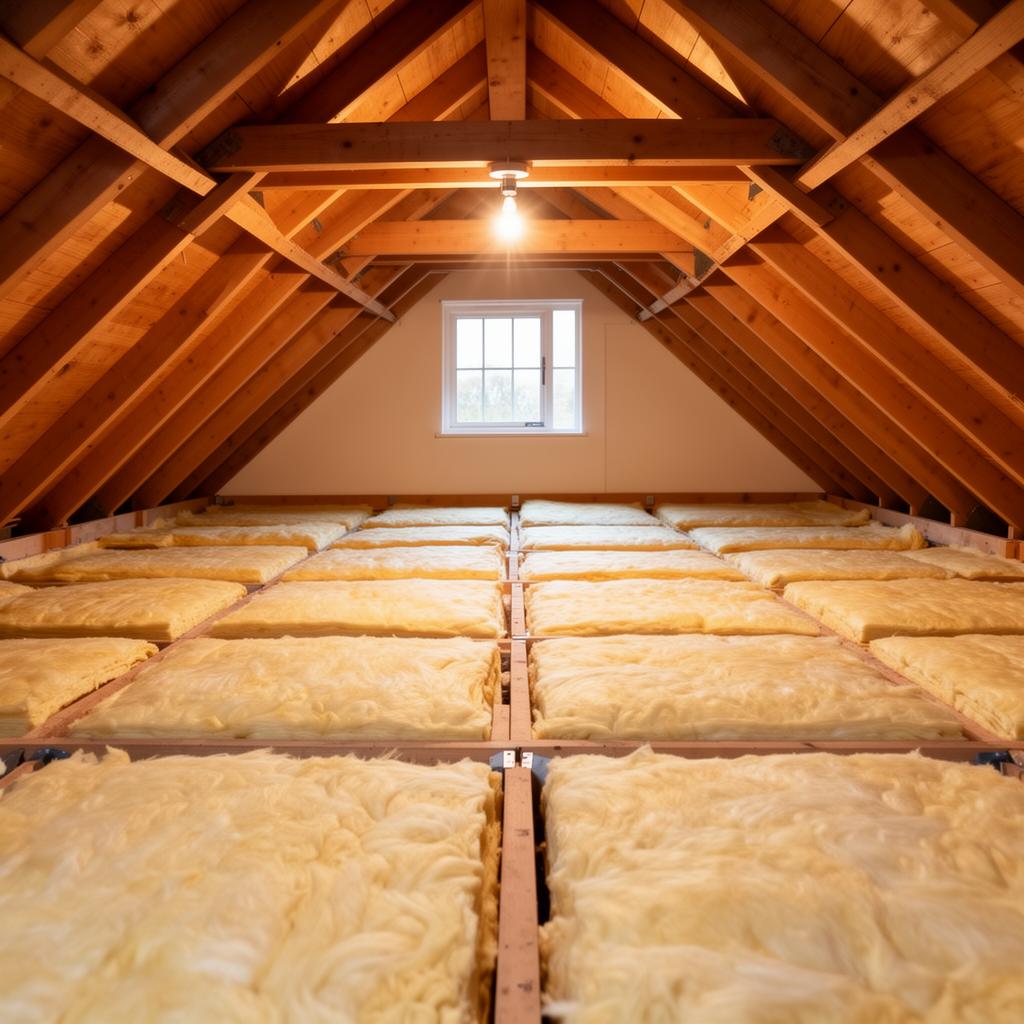
Spray foam insulation has become one of the most divisive topics in UK property. Over the last three years, mortgage lenders including Halifax, Nationwide and Santander have flagged or refused mortgages on properties with spray foam in the roof space. For Lancashire homeowners who had spray foam installed – often through government energy efficiency scheme grants or cold-calling companies – this is causing real problems when trying to sell or remortgage. Here is what you need to know about the risks, the current lending landscape, and what alternatives will not cause the same headaches.
Why Are Mortgage Lenders Cautious About Spray Foam Insulation?
- Roof timber inspection is blocked — spray foam covers roof timbers, making it impossible for surveyors to check for rot, woodworm or structural defects
- Difficult and expensive to remove — once applied, spray foam bonds permanently to timbers and tiles, costing £3,000 to £6,000 to strip if required
- Moisture trapping risk — closed-cell spray foam can trap moisture in roof timbers, potentially accelerating decay that remains hidden
- Voided roof tile warranties — many tile manufacturers state that spray foam applied to the underside of tiles invalidates their product warranty
- Surveyor downvaluations — RICS surveyors frequently flag spray foam as a defect, leading to reduced property valuations or mortgage refusal
- Limited approved standards — there is currently no British Standard specifically covering spray foam insulation in domestic roofs, creating uncertainty for lenders
Several major UK mortgage lenders including Halifax, Nationwide and Santander have policies requiring additional inspections or declining applications on properties with spray foam insulation. If you are considering loft insulation in Lancashire, mineral wool or rigid board insulation are safer choices that do not affect mortgage eligibility. If spray foam is already installed, obtaining an independent structural report may reassure lenders during a sale or remortgage.
Why Mortgage Lenders Are Refusing Properties with Spray Foam
The core issue is not the insulation material itself but rather how it interacts with the roof structure. Spray foam bonds directly to the underside of roof tiles and rafters, making it nearly impossible to inspect the timber for rot, woodworm or structural damage. Surveyors cannot see what is happening underneath, and removing the foam to check is expensive and impractical.
Closed-cell spray foam also prevents the roof space from breathing. Traditional roofs in Lancashire – whether the stone slate roofs common in Pendle and Ribble Valley or the concrete tile roofs on post-war estates across Preston, Blackburn and Burnley – rely on ventilation to prevent moisture buildup. When spray foam seals off this ventilation, condensation can form on the timber, leading to rot that goes undetected for years.
Surveyors’ professional bodies updated their guidance in 2023, and many surveyors now flag spray foam as a potential concern on valuation reports. This does not automatically mean a mortgage will be refused, but it often triggers additional investigation requirements that can delay or derail a sale.
Which Lenders Accept Spray Foam and Which Do Not?
The lending landscape is not black and white. Some lenders refuse outright, others accept with conditions, and policies change frequently. As of late 2024, here is the general position of major lenders relevant to Lancashire homeowners:
Halifax and Lloyds Banking Group tend to accept spray foam if a qualified surveyor confirms the installation is of good quality and has not caused any structural issues. They may require a specialist report at the borrower’s expense, typically costing £300 to £500.
Nationwide has been more cautious, sometimes declining properties where spray foam has been applied directly to the roof covering rather than between rafters. Their position depends heavily on the individual surveyor’s findings.
Santander and Barclays generally follow surveyors’ professional bodies guidance and will consider properties on a case-by-case basis, often requiring additional reports or warranties from the spray foam installer.
Some specialist lenders and building societies, including several that operate in the Lancashire market, are more flexible. Local brokers in the Preston and Manchester areas report that smaller lenders are often more willing to work with spray foam properties, though interest rates may be slightly higher.
The Lancashire Spray Foam Problem: How It Happened
Lancashire has a higher-than-average number of properties affected by spray foam issues, partly because of aggressive sales practices by insulation companies operating in the area between 2018 and 2022. Some of these companies targeted older homes in areas like Hyndburn, Pendle and Rossendale – properties with hard-to-treat lofts where conventional insulation was difficult to install.
Many installations were funded through the government energy efficiency scheme (government energy efficiency) scheme, meaning homeowners paid nothing upfront. The installers moved quickly, and some did not adequately explain the potential impact on future mortgage applications. In several cases reported across East Lancashire, the spray foam was applied over existing problems like damp timber, effectively hiding issues rather than solving them.
There are now thousands of Lancashire homes with spray foam insulation that may face complications when the owners try to sell. Estate agents in Blackburn, Burnley and Accrington report that spray foam is coming up in approximately one in ten sales involving older properties.
What to Do If Your Lancashire Home Already Has Spray Foam
If you already have spray foam installed, do not panic. The situation is manageable, but it requires some proactive steps. First, gather any documentation from the installation: the installer’s name, the product used, any certificates or guarantees, and photographs showing the installation. This paperwork is valuable if you need to demonstrate the quality of the work to a surveyor or lender.
Consider getting a specialist spray foam inspection. Several companies now offer independent assessments of spray foam installations, checking for signs of moisture problems, timber condition (using moisture meters through the foam), and overall installation quality. These reports cost £250 to £500 but can make the difference between a smooth sale and a collapsed transaction.
If the spray foam is causing or has caused problems, removal is an option but it is expensive. Full removal from a standard loft typically costs £3,000 to £6,000, and the process is messy and time-consuming. Some Lancashire specialists offer partial removal – stripping the foam from the most critical areas while leaving it in less sensitive spots. This can reduce costs to £1,500 to £3,000 but may not fully satisfy all lenders.
Better Alternatives to Spray Foam for Lancashire Lofts
If you are looking to insulate your loft and want to avoid mortgage complications entirely, several alternatives offer excellent thermal performance without the lending risks.
Mineral wool loft insulation remains the safest choice for standard lofts. At 270mm thickness (the recommended depth for meeting current Building Regulations), it provides excellent insulation and costs just £5 to £8 per square metre for materials. Professional installation for a three-bedroom semi in Lancashire typically costs £300 to £600. No lender has any concerns about mineral wool because it can be easily lifted for roof inspections.
For rooms in the roof or loft conversions where you need to insulate between the rafters, rigid PIR boards (such as Celotex or Kingspan) offer high performance in a slim profile. They cost more at £15 to £25 per square metre, but they do not bond to the roof structure and can be removed for inspection. This is a popular choice for dormer conversions across Manchester and Bolton where headroom is at a premium.
Blown fibre insulation is another option for hard-to-reach loft spaces. It fills gaps and awkward corners more effectively than mineral wool rolls and costs £400 to £800 for a typical Lancashire home. Like mineral wool, it does not cause any mortgage concerns.
Getting ECO-Funded Insulation Without Spray Foam
If you qualify for government energy efficiency schemes or the government insulation scheme, you can specifically request that spray foam is not used. You have the right to choose the insulation type, and reputable scheme installers operating in Lancashire will offer mineral wool, blown fibre or rigid board alternatives. Do not let an installer pressure you into spray foam by claiming it is the only option – it is not.
Lancashire County Council’s energy guidance service can help connect you with qualified installers who use conventional insulation materials. Contact them for guidance specific to your property type and location, whether you are in a stone terrace in Colne or a 1930s semi in Penwortham.
Can You Claim Compensation for Problem Spray Foam Installations?
If spray foam was installed through an government energy efficiency scheme and has caused problems, you may be able to claim redress through quality assurance frameworks or directly from the installing company. The process involves getting an independent assessment of the installation, documenting any defects, and submitting a complaint through the appropriate guarantee scheme.
Several legal firms in the North West now specialise in spray foam claims, working on a no-win-no-fee basis. While we cannot recommend specific firms, your local advisory service can provide guidance on your options. If the installing company has gone into liquidation (which has happened with several firms that operated in the Lancashire area), claims may be possible through the quality assurance warranty scheme or the relevant insurance-backed warranty provider.
Will spray foam insulation stop me selling my house?
Not necessarily, but it can complicate the process. Many lenders will consider properties with spray foam, especially if you can provide documentation of the installation and a specialist inspection report. Working with a mortgage broker who understands the spray foam landscape can help match you with a suitable lender. Budget £300 to £500 for the specialist report.
How much does spray foam removal cost in Lancashire?
Full spray foam removal from a standard loft costs £3,000 to £6,000 in Lancashire. Partial removal, which targets the most critical areas, costs £1,500 to £3,000. The price depends on the loft size, accessibility, and the type of spray foam used. Closed-cell foam is harder and more expensive to remove than open-cell varieties.
Is all spray foam insulation bad?
Not all spray foam causes problems. Open-cell spray foam applied between rafters (rather than directly to the roof covering) and installed with adequate ventilation is less problematic. Some high-quality installations with proper documentation and guarantees are accepted by most lenders. The issues arise primarily with poor installations, closed-cell foam applied directly to tiles, and missing documentation.
See what these numbers mean for your home
Free instant estimate — costs, savings, payback and grants for your region.

Related Articles
Home Insulation Costs and Grants: Your Complete 2026 Guide
Update (June 2026): ECO4 closed to new applications in March 2026. Approved installations continue to December 2026. The Warm Homes: Local Grant is now the main funding route for insulation.…
18 May 2026
How to Reduce Condensation and Damp While Keeping Your Home Warm
Learn why condensation forms in UK homes, the difference between condensation and rising damp, and proven ventilation strategies to fix damp without losing heat.
8 May 2026
Conservatory Roof Replacement: How a Solid Roof Cuts Energy Bills and Adds Value
Replacing an old polycarbonate or glass conservatory roof with a solid insulated roof can slash heat loss, cut energy bills and turn a seasonal room into a year-round living space.
6 May 2026