Underfloor Insulation for Victorian Houses in Manchester
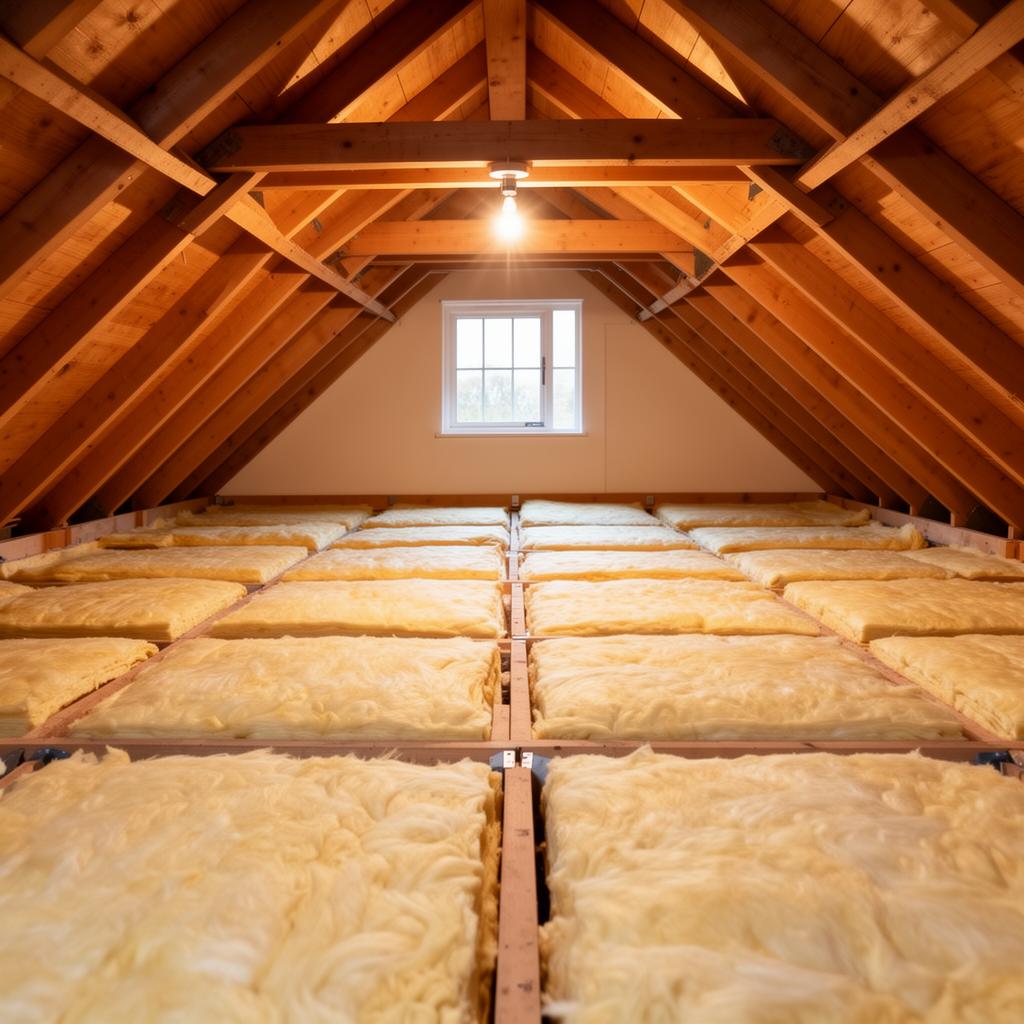
Underfloor insulation in a Victorian house in Manchester costs between £500 and £2,500 depending on the floor type and access, and it reduces heat loss through the floor by up to 70%. For a typical mid-terrace with suspended timber floors, that translates to annual heating savings of £50-£120 and a significant improvement in comfort – cold draughty floors are one of the biggest complaints from owners of Victorian properties across Chorlton, Levenshulme, Didsbury, Whalley Range and Withington.
How Much Does Underfloor Insulation Cost for a Victorian House?
Underfloor insulation for a Victorian house in Manchester costs between £800 and £2,500 depending on the method used and the size of the property. Suspended timber floors — the most common type in Victorian terraces — can be insulated from below if there is sufficient crawl space access, costing £20 to £35 per square metre. If access is limited, insulation boards fitted above the existing floor cost £30 to £50 per square metre but will raise the floor height slightly.
An uninsulated suspended timber floor in a typical Manchester Victorian terrace loses around 15 percent of the home’s total heat. Insulating it saves £50 to £150 per year on heating bills and eliminates cold draughts that are a major comfort issue in these properties. Eligible homeowners may receive full funding through ECO4 or the Warm Homes: Local Grant, as underfloor insulation is a qualifying measure under both schemes.
Victorian houses in Manchester were built with one of two main floor types: suspended timber floors (with a void underneath) or solid floors (usually stone flags or concrete). Each requires a different insulation approach. Understanding which type you have is the first step to warmer feet and lower bills.
Identifying Your Floor Type
Most Victorian houses in Manchester have suspended timber floors on the ground floor, where floorboards sit on joists with a void of 150-400mm beneath. You can usually identify a suspended floor by:
- Looking for airbricks on the outside walls at ground level (small ventilated bricks that allow air to circulate under the floor)
- Feeling draughts coming up between the floorboards or around the skirting boards
- A slight bounce or flex when you walk on the floor (solid floors feel rigid)
- Lifting a corner of carpet near the wall – if you can see or feel floorboard edges with gaps between them, it is a suspended floor
Solid floors are more common in basements and cellars (which many Manchester Victorians have) and sometimes in kitchen areas that were added or modified later. They feel hard and rigid, with no give underfoot, and typically have no airbricks on the external wall.
Insulating Suspended Timber Floors
There are three main methods, depending on whether you want to work from above (lifting floorboards) or below (accessing the void from underneath).
Method 1: Insulation from below (if accessible void). If there is enough space in the void to crawl under the floor (at least 400mm clearance), insulation can be fitted between the joists from below using mineral wool batts held in place with netting or rigid boards. This is the least disruptive method as the floorboards remain untouched. Cost: £500-£1,500 depending on floor area and accessibility. Some Manchester Victorians have cellars that provide access to the ground floor void, making this method straightforward.
Method 2: Insulation from above (lifting floorboards). If the void is too shallow for access from below, the floorboards can be carefully lifted, insulation placed between the joists, and the boards re-laid. This is more disruptive (rooms need to be cleared) but gives excellent results. It also provides an opportunity to seal gaps between boards and around the perimeter, which eliminates draughts. Cost: £1,000-£2,000 per room.
Method 3: Spray foam insulation from below. If the void has some access but is too tight for a person to work in comfortably, spray foam can be applied to the underside of the floor from below. The foam expands to fill gaps and provides both insulation and draught sealing. Cost: £1,200-£2,500 depending on area. Note: spray foam is controversial in some heritage contexts and may not be appropriate for all Victorian properties.
Insulating Solid Floors
Solid floors (stone flags, concrete, quarry tiles) lose less heat than suspended timber floors because there is no cold air circulating beneath them. However, they can still feel cold, particularly in unheated cellars and kitchens.
Insulating a solid floor is more involved because insulation must be added on top of the existing floor, which raises the floor level. This creates issues with door heights, step heights and skirting board levels. The typical approach is:
- Lay a damp-proof membrane over the existing floor
- Fix rigid insulation boards (50-75mm PIR) on top
- Lay a new floor surface (chipboard, plywood or screed) over the insulation
- The total floor level rise is typically 60-90mm
Cost: £1,500-£3,000 per room including the new floor surface. This is usually only worth doing if you are already refurbishing the room and can accommodate the floor level change.
Draught Sealing: The Quick Win
Before or alongside insulation, sealing draughts from the floor makes an immediate and noticeable difference. In a Victorian house with suspended floors, cold air enters through:
- Gaps between floorboards (typically 2-5mm per gap)
- Gaps around the perimeter where the floor meets the skirting board
- Gaps around pipe and cable penetrations through the floor
Sealing these gaps with flexible filler, thin strips of wooden beading, or decorator’s caulk costs £20-£50 in materials per room and can be done as a DIY project over a weekend. For a Victorian terrace with draughty floors throughout, this simple step can reduce your heating bill by £40-£80 per year and make rooms feel noticeably warmer.
Important: do not block the airbricks on the outside walls. These provide essential ventilation to the void beneath suspended floors, preventing moisture build-up and timber decay. The insulation and draught sealing should be between the living space and the void, not in the void itself.
Grants and Funding
Underfloor insulation is covered by several grant schemes:
- government energy efficiency schemes: If you receive qualifying benefits and your home has an EPC of D or below, underfloor insulation can be fully funded through government energy efficiency schemes. It is one of the measures commonly delivered under the scheme.
- government insulation scheme (government insulation scheme): This scheme can fund underfloor insulation for homes in Council Tax bands A-D in England, regardless of benefits status.
- Local authority schemes: Some Manchester councils offer additional insulation funding. Contact your local housing team for current programmes.
Our guide to government energy efficiency schemes eligibility in Lancashire explains how to check whether you qualify for funded insulation.
Combining with Other Improvements
Underfloor insulation works best as part of a package of improvements. If you are tackling the floor, consider addressing these at the same time:
- Loft insulation: If not already at 270mm, this is the single most cost-effective insulation measure
- Solid wall insulation: The biggest heat loss in a Victorian house is through the walls
- Draught-proofing: Doors, windows and chimneys alongside floors
- Underfloor heating: If you are lifting floorboards for insulation, it is a relatively small additional step to install underfloor heating pipes at the same time. This pairs brilliantly with a heat pump and costs £1,500-£3,000 for the ground floor
Addressing the floor, walls and loft together creates a comprehensive thermal envelope that transforms how the house feels and performs. Our guides to solid wall insulation costs and keeping draughty Lancashire cottages warm cover the other measures in detail.
Will underfloor insulation cause damp?
Not if installed correctly. The key is maintaining ventilation in the void beneath suspended floors. The airbricks must remain unblocked, and any insulation must allow air to circulate freely under the floor. A breathable membrane between the insulation and the floorboards prevents moisture from the void reaching the living space while allowing the timber structure to breathe.
How long does underfloor insulation last?
Mineral wool and rigid board insulation last the lifetime of the building – 50+ years. Spray foam is expected to last 25-30 years. Once installed, underfloor insulation requires no maintenance and is out of sight. The only thing to check periodically is that the airbricks remain unblocked.
Can I insulate under original Victorian floorboards without damaging them?
Yes, but it requires care. If insulating from below (through a cellar or crawl space), the original floorboards are not touched at all. If insulating from above, an experienced flooring specialist can lift and re-lay original boards without damage in most cases. Mark each board before lifting so it goes back in the same position. Some boards may crack or split during lifting, particularly if they are over 100 years old, so budget for a few replacement boards.
See what these numbers mean for your home
Free instant estimate — costs, savings, payback and grants for your region.

Related Articles
Home Insulation Costs and Grants: Your Complete 2026 Guide
Update (June 2026): ECO4 closed to new applications in March 2026. Approved installations continue to December 2026. The Warm Homes: Local Grant is now the main funding route for insulation.…
18 May 2026
How to Reduce Condensation and Damp While Keeping Your Home Warm
Learn why condensation forms in UK homes, the difference between condensation and rising damp, and proven ventilation strategies to fix damp without losing heat.
8 May 2026
Conservatory Roof Replacement: How a Solid Roof Cuts Energy Bills and Adds Value
Replacing an old polycarbonate or glass conservatory roof with a solid insulated roof can slash heat loss, cut energy bills and turn a seasonal room into a year-round living space.
6 May 2026