Cavity Wall Insulation Costs in Lancashire: Grants, Savings and What to Expect
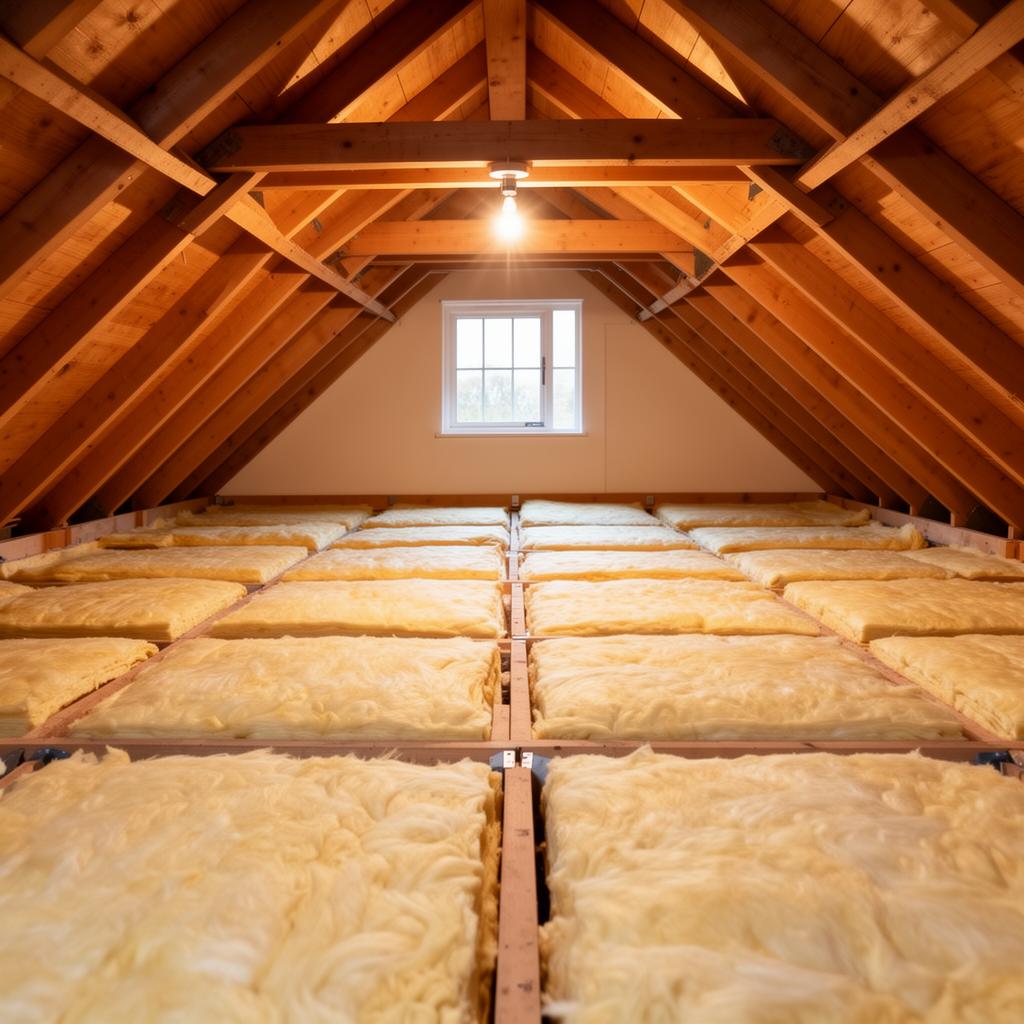
Cavity wall insulation for a typical semi-detached home in Lancashire costs between £400 and £700. If you’re on certain benefits or a low income, you may qualify for fully-funded insulation through the government energy efficiency scheme at no cost to you. Either way, most households save an estimated £200 to £400 per year on heating bills once the work is done.
How Much Does Cavity Wall Insulation Cost in Lancashire?
The price depends mainly on the size of your property and the number of external walls that need filling. Here’s a breakdown of typical costs across Lancashire in 2025:
| Property Type | Typical Cost | Estimated Annual Saving | Payback Period |
|---|---|---|---|
| Mid-terrace (2-bed) | £300 – £500 | £150 – £250 | 1.5 – 3 years |
| Semi-detached (3-bed) | £400 – £700 | £200 – £350 | 1.5 – 3 years |
| Detached (4-bed) | £600 – £1,000 | £300 – £400 | 2 – 3 years |
| Bungalow (2-bed) | £350 – £550 | £150 – £250 | 2 – 3 years |
These figures include materials and labour. The actual job takes around two to three hours for a semi, and there’s minimal disruption. Installers drill small holes (about 22mm) into the external mortar joints, inject the insulation material, and then fill and point the holes. You’d barely notice the work had been done afterwards.
The insulation material itself is usually mineral wool or polystyrene beads. Both perform well in Lancashire’s damp climate, though your installer will recommend the best option based on your specific property.
Can You Get Free Cavity Wall Insulation in Lancashire Through government energy efficiency schemes?
Yes. The government energy efficiency scheme (government energy efficiency scheme) funds energy efficiency improvements for eligible households at no upfront cost. This is a government programme that requires large energy suppliers to help improve the energy efficiency of homes across the UK.
You’re likely to qualify if:
You receive certain benefits such as Universal Credit, pension top-up benefits, Child Tax Credit, income support benefits, income-based Jobseeker’s Allowance, or Employment and Support Allowance. Housing Benefit and Council Tax Reduction also count in many cases.
Your home has an EPC rating of D, E, F or G. Many older Lancashire properties fall into these bands, particularly pre-1960s terraces in towns like Blackburn, Burnley, Accrington and Nelson.
You rent your home. Private tenants and social housing tenants can also benefit, though the landlord needs to give consent for the work to go ahead.
Even if you don’t receive benefits, some local authority schemes in Lancashire offer subsidised insulation. It’s worth checking with Lancashire County Council or your district council to see what’s currently available in your area.
Compare quotes from qualified installers in your area. It takes 30 seconds.
Does Your Lancashire Home Have Cavity Walls?
Not every Lancashire property is suitable for cavity wall insulation, so it helps to know what type of walls you have before getting quotes.
Post-1920s properties almost certainly have cavity walls. If your home was built between the 1920s and the 1990s in areas like Preston, Chorley, Lancaster or Morecambe, there’s a strong chance it has an unfilled cavity ready for insulation.
Pre-1920s properties are more likely to have solid walls. Lancashire’s mill towns – Burnley, Blackburn, Darwen, Colne – are full of Victorian and Edwardian terraces built with solid brick or stone. These won’t have a cavity to fill and would need a different approach (more on that below).
How to check: Look at the brickwork on an external wall. If you can see alternating long bricks (stretchers) and short ends (headers), the wall is likely solid. If all the bricks show their long side in a uniform pattern, there’s probably a cavity. Another quick check: measure the wall thickness at a window or door opening. Cavity walls are typically 250mm or more, while solid walls are around 220mm.
If you’re still unsure, any reputable installer will carry out a borescope inspection during their survey, drilling a tiny hole to look inside the wall and confirm whether a cavity exists.
Cavity Wall vs Solid Wall Insulation: Costs Compared
If your Lancashire home has solid walls rather than cavity walls, insulation is still possible but the costs and process are quite different.
| Factor | Cavity Wall Insulation | Internal Solid Wall Insulation | External Solid Wall Insulation |
|---|---|---|---|
| Typical cost (3-bed semi) | £400 – £700 | £4,000 – £8,000 | £8,000 – £15,000 |
| Installation time | 2 – 3 hours | 1 – 2 weeks per room | 2 – 4 weeks |
| Disruption | Minimal | Moderate (room by room) | Scaffolding required |
| Annual savings | £200 – £350 | £300 – £500 | £300 – £500 |
| Payback period | 1.5 – 3 years | 10 – 18 years | 18 – 30+ years |
| government energy efficiency schemes eligible | Yes | Yes | Yes |
| Room size impact | None | Lose 50-100mm per wall | None (external) |
The difference is stark. Cavity wall insulation is one of the most cost-effective home improvements you can make, with a payback period of under three years in most cases. Solid wall insulation, while effective, is a much larger investment. That said, government energy efficiency schemes can fund either type if you’re eligible, making solid wall insulation viable for households that wouldn’t otherwise be able to afford it.
What Savings Can You Expect After Insulating?
independent energy organisations estimates that filling cavity walls in a gas-heated semi-detached home saves around £295 per year on average. For Lancashire specifically, where winters are cooler and wetter than the national average, savings tend to sit at the higher end of the range.
A three-bed semi in Preston with unfilled cavity walls might spend £1,200 to £1,500 a year on gas heating. After cavity wall insulation, that could drop by £200 to £400, depending on the home’s overall efficiency and how you use your heating.
You’ll notice the difference most during the colder months from October to March. Rooms that previously felt draughty or took ages to warm up should hold their temperature much better. Many homeowners also report that their boiler cycles less frequently, which reduces wear and extends its lifespan.
Finding a Reliable Cavity Wall Installer in Lancashire
When choosing an installer, look for companies registered with one of the recognised guarantee schemes: CIGA (Cavity Insulation Guarantee Agency), BBA (British Board of Agrement), or NIA (National Insulation Association). These bodies provide 25-year guarantees on the work, giving you protection if anything goes wrong.
Get at least three quotes from different local installers. Prices can vary by £100 to £200 for the same property, so comparing is worthwhile. A good installer will carry out a thorough survey, check for damp or existing cavity fill, and explain exactly what material they’ll use.
Ask whether they handle government energy efficiency schemes applications if you think you might be eligible. Many Lancashire installers are registered government energy efficiency schemes providers and can check your eligibility on the spot, saving you the hassle of applying separately.
Frequently Asked Questions
Can cavity wall insulation cause damp problems?
When installed correctly in a suitable property, cavity wall insulation should not cause damp. Problems can occur if the property has existing moisture issues, if the cavity is too narrow (less than 50mm), or if the external walls are heavily exposed to driving rain. Lancashire’s west-facing properties, particularly along the Fylde Coast, should be assessed carefully. A reputable installer will carry out a full damp check before recommending the work.
How long does cavity wall insulation last?
Cavity wall insulation is designed to last the lifetime of your home. Most guarantee schemes cover the installation for 25 years, but the insulation material itself doesn’t degrade or need replacing. Once it’s done, it’s done.
Can I get cavity wall insulation if I rent my home in Lancashire?
Yes, but your landlord needs to give written consent since it’s a permanent alteration to the property. If you’re eligible for government energy efficiency schemes, the insulation would be fully funded, which is often an easy sell to landlords since it improves their property’s EPC rating at no cost to them. Social housing tenants should contact their housing association, as many have rolling insulation programmes.
Is it worth insulating cavity walls if I already have loft insulation?
Absolutely. Around 35% of heat loss in an uninsulated home goes through the walls, compared to about 25% through the roof. If you’ve already insulated your loft, cavity wall insulation is the next most impactful upgrade you can make. The two work together to keep your home warmer and your heating bills lower.
Related Product Guides
See what these numbers mean for your home
Free instant estimate — costs, savings, payback and grants for your region.

Related Articles
Home Insulation Costs and Grants: Your Complete 2026 Guide
Update (June 2026): ECO4 closed to new applications in March 2026. Approved installations continue to December 2026. The Warm Homes: Local Grant is now the main funding route for insulation.…
18 May 2026
How to Reduce Condensation and Damp While Keeping Your Home Warm
Learn why condensation forms in UK homes, the difference between condensation and rising damp, and proven ventilation strategies to fix damp without losing heat.
8 May 2026
Conservatory Roof Replacement: How a Solid Roof Cuts Energy Bills and Adds Value
Replacing an old polycarbonate or glass conservatory roof with a solid insulated roof can slash heat loss, cut energy bills and turn a seasonal room into a year-round living space.
6 May 2026