How to Get Free Loft Insulation in Burnley, Blackburn and East Lancashire
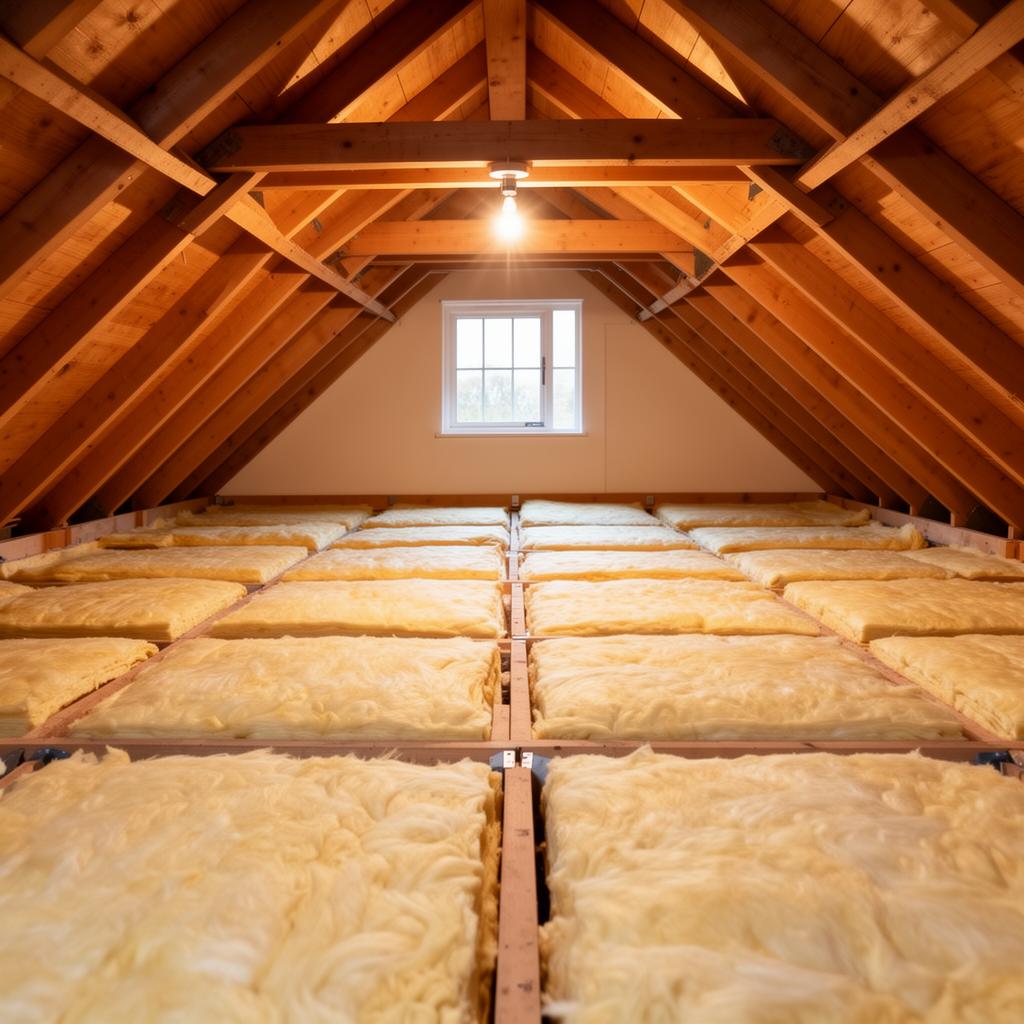
Over 20% of households in Burnley live in fuel poverty, one of the highest rates in England. Across East Lancashire, thousands of homes – particularly the stone-built terraces lining the streets of Blackburn, Accrington, Nelson, and Darwen – are losing heat through poorly insulated lofts. The good news is that free loft insulation is available right now through government-backed schemes, and applying takes less than 15 minutes.
How to Get Free Loft Insulation in East Lancashire
- Check your current loft insulation depth — if it is less than 270mm (approximately 10 inches), you are eligible for a top-up or full installation
- Confirm your eligibility — you qualify if you receive a qualifying benefit (Universal Credit, Pension Credit, Child Tax Credit, JSA, ESA or Income Support) or if your council refers you through ECO4 Flex
- Contact your local council or an accredited installer — Burnley, Blackburn with Darwen, Pendle, Hyndburn and Rossendale councils all have active ECO Flex Statements of Intent
- Book a free property survey — an assessor visits your home to check suitability, measure the loft space and confirm the insulation depth needed
- Installation is completed — a qualified installer lays mineral wool insulation to 300mm depth, typically in two to three hours for a standard loft
East Lancashire has some of the highest fuel poverty rates in England, which means the ECO Flex eligibility criteria set by local councils tend to be broader than in more affluent areas. In Burnley and Pendle, you may qualify even without receiving benefits if your household income is below £31,000. Loft insulation to the recommended 300mm depth saves approximately £355 per year for a semi-detached house and £590 for a detached property at current energy prices.
Why Loft Insulation Matters in East Lancashire
Heat rises. It’s basic physics, and it’s the reason an uninsulated loft can account for up to 25% of your home’s total heat loss. In an area like East Lancashire, where winter temperatures regularly drop below freezing and the damp Pennine air makes everything feel colder, that lost heat hits your wallet hard.
The typical terraced house in Burnley or Blackburn was built in the late 1800s or early 1900s. These homes were designed before anyone thought about energy efficiency. Many have thin loft insulation – or none at all. If you go up into your loft and can see the ceiling joists (the wooden beams), your insulation is below the recommended 270mm (about 10 inches) and you’re paying more than you need to on heating.
Topping up or installing loft insulation can save you £180 to £275 a year on energy bills, research suggests. Over 10 years, that’s up to £2,750 back in your pocket.
How to Get Free Loft Insulation Through government energy efficiency schemes
The main route to free loft insulation in East Lancashire is the government energy efficiency scheme (government energy efficiency scheme). This is a government programme that requires large energy suppliers to fund insulation and other energy efficiency measures in eligible homes. You don’t have to be a customer of a particular supplier to benefit.
Here’s how to apply, step by step:
Step 1: Check your benefits. You’re most likely to qualify if you receive Universal Credit, pension top-up benefits, income support benefits, income-related ESA or JSA, Child Tax Credit, Working Tax Credit, or Housing Benefit. If anyone in your household receives these benefits, you may be eligible.
Step 2: Check your home’s EPC rating. Your home needs an EPC rating of D, E, F, or G. You can check this for free on the government’s EPC register. Most older terraces in the BB (Blackburn) and BB10-BB12 (Burnley) postcode areas have ratings in this range.
Step 3: Contact your energy supplier or a local installer. Call your energy supplier’s government energy efficiency scheme helpline and tell them you’d like to apply for free loft insulation under government energy efficiency schemes. Alternatively, contact a local ECO-qualified installer directly – they can handle the application on your behalf.
Step 4: Home assessment. An assessor will visit your home (usually within one to two weeks) to confirm eligibility, check your current insulation levels, and assess what work is needed.
Step 5: Installation. If approved, the insulation is installed by qualified fitters, usually in half a day. They’ll lay mineral wool insulation to 270mm depth across your loft floor. The work is clean, quick, and causes minimal disruption.
Compare quotes from qualified installers in your area. It takes 30 seconds.
Local Authority Schemes in Burnley, Blackburn and East Lancashire
Beyond government energy efficiency schemes, several local councils in East Lancashire run their own energy efficiency programmes that can provide free or heavily subsidised loft insulation. These are particularly useful if you don’t quite qualify for government energy efficiency schemes through the benefits route.
local energy support programmes. This county-wide scheme is run by Lancashire County Council and helps residents access government energy efficiency schemes funding plus additional local grants. local energy support programmes acts as a one-stop shop, assessing your eligibility across multiple schemes and matching you with qualified installers. You can self-refer through their website or by calling the local energy support programmes helpline.
Burnley Borough Council. Burnley has one of the most active energy efficiency programmes in Lancashire, driven by the borough’s high fuel poverty rates. The council’s housing team can refer you for government energy efficiency schemes flexible eligibility even if you don’t receive qualifying benefits, as long as your household income is low or you meet other vulnerability criteria. Contact the council’s housing standards department.
Blackburn with Darwen Borough Council. Runs a warm homes initiative that includes referrals for free loft insulation. The council has published a flexible eligibility statement under government energy efficiency schemes, which means they can refer households that fall outside the standard benefits criteria. Their housing team handles enquiries.
Hyndburn Borough Council. Covers Accrington, Great Harwood, Rishton, and Clayton-le-Moors. The council works with local installers and can make government energy efficiency schemes flexible eligibility referrals for residents in fuel poverty.
Who Qualifies for Free Loft Insulation in East Lancashire?
Eligibility depends on which route you take. Here’s a clear summary:
| Route | Key Criteria | How to Apply |
|---|---|---|
| government energy efficiency schemes (benefits route) | Receive qualifying benefits + EPC rating D-G | Contact your energy supplier |
| government energy efficiency schemes (flexible eligibility) | Low income or vulnerable household + EPC rating D-G | Referral from your local council |
| local energy support programmes | Lancashire resident + low income or benefits | Self-refer via local energy support programmes website or phone |
| Local council schemes | Varies by borough – generally low income or fuel poverty | Contact your local council housing team |
If you own your home, you can apply directly. If you’re a private tenant, you’ll need your landlord’s permission, but the insulation is still free. If you’re in social housing, your housing association should handle insulation upgrades, but it’s worth asking them about government energy efficiency schemes if your loft is poorly insulated.
What to Expect During Loft Insulation Installation
If you’ve never had loft insulation installed, here’s what actually happens on the day:
The installers arrive in the morning, usually between 8am and 9am. They’ll need access to your loft hatch, which in most East Lancashire terraces is on the upstairs landing. They’ll lay dust sheets to protect your carpets and furniture below.
The insulation itself is mineral wool (the most common type used), which comes in rolls. The first layer is laid between the joists, and a second layer is laid across the top at right angles. This cross-layering eliminates cold spots. The target depth is 270mm.
If you use your loft for storage, the installers can raise the boarding above the insulation level. This is sometimes included free of charge, or may cost a small extra fee depending on the scheme.
The whole process typically takes three to four hours. You can stay in your home throughout, and there’s no mess downstairs. The installers will clear up after themselves.
Burnley’s Fuel Poverty Problem and How Free Insulation Helps
Burnley consistently ranks among the most fuel-poor areas in England. Government statistics show that over one in five Burnley households spend more than 10% of their income on energy. In some wards, particularly those around the town centre and Burnley Wood, the figure is even higher.
The reasons are structural. Burnley’s housing stock is dominated by pre-1919 terraced houses, many with solid stone walls and original single-glazed windows. Household incomes in the borough are below the national average. When you combine an energy-inefficient home with a low income, fuel poverty is almost inevitable.
Free loft insulation won’t solve fuel poverty on its own, but it’s one of the most impactful single measures available. Reducing heat loss through the loft by 25% means your boiler runs less, your thermostat clicks off sooner, and your bills drop. For a household spending £2,000 a year on energy, that’s a potential saving of £200 to £275 without changing anything else about how you heat your home.
Frequently Asked Questions
Can I get free loft insulation if I’m not on benefits?
Possibly, yes. The government energy efficiency schemes flexible eligibility route allows local councils to refer households they consider to be in fuel poverty, even if you don’t receive qualifying benefits. Contact your local council’s housing team in Burnley, Blackburn, or Hyndburn and explain your situation. The local energy support programmes scheme can also assess alternative routes to funding.
Is loft insulation safe in an older terraced house?
Yes, when installed correctly. The assessor will check for any issues like damp, poor ventilation, or electrical wiring that needs attention before insulation goes in. Proper loft ventilation is essential to prevent condensation, and any reputable installer will ensure this is adequate before laying insulation. If there are pre-existing damp problems, these should be addressed first.
How long does loft insulation last?
Mineral wool loft insulation has a lifespan of 40 years or more if left undisturbed. It doesn’t degrade over time or need topping up unless it’s been compressed or moved (for example, by walking on it or storing heavy items directly on top). Once installed, you can forget about it for decades.
What postcodes are covered in East Lancashire?
The schemes mentioned in this article cover the BB postcode area, including BB1-BB2 (Blackburn), BB3 (Darwen), BB4-BB5 (Rossendale and Accrington), BB6-BB7 (Great Harwood and Clitheroe), BB8-BB9 (Colne and Nelson), BB10-BB12 (Burnley and Padiham), and BB18 (Barnoldswick). If you’re in any of these areas, you’re covered.
Related Product Guides
See what these numbers mean for your home
Free instant estimate — costs, savings, payback and grants for your region.

Related Articles
Home Insulation Costs and Grants: Your Complete 2026 Guide
Update (June 2026): ECO4 closed to new applications in March 2026. Approved installations continue to December 2026. The Warm Homes: Local Grant is now the main funding route for insulation.…
18 May 2026
How to Reduce Condensation and Damp While Keeping Your Home Warm
Learn why condensation forms in UK homes, the difference between condensation and rising damp, and proven ventilation strategies to fix damp without losing heat.
8 May 2026
Conservatory Roof Replacement: How a Solid Roof Cuts Energy Bills and Adds Value
Replacing an old polycarbonate or glass conservatory roof with a solid insulated roof can slash heat loss, cut energy bills and turn a seasonal room into a year-round living space.
6 May 2026