Mitsubishi Ecodan Review: 15 Years of UK Installations Assessed
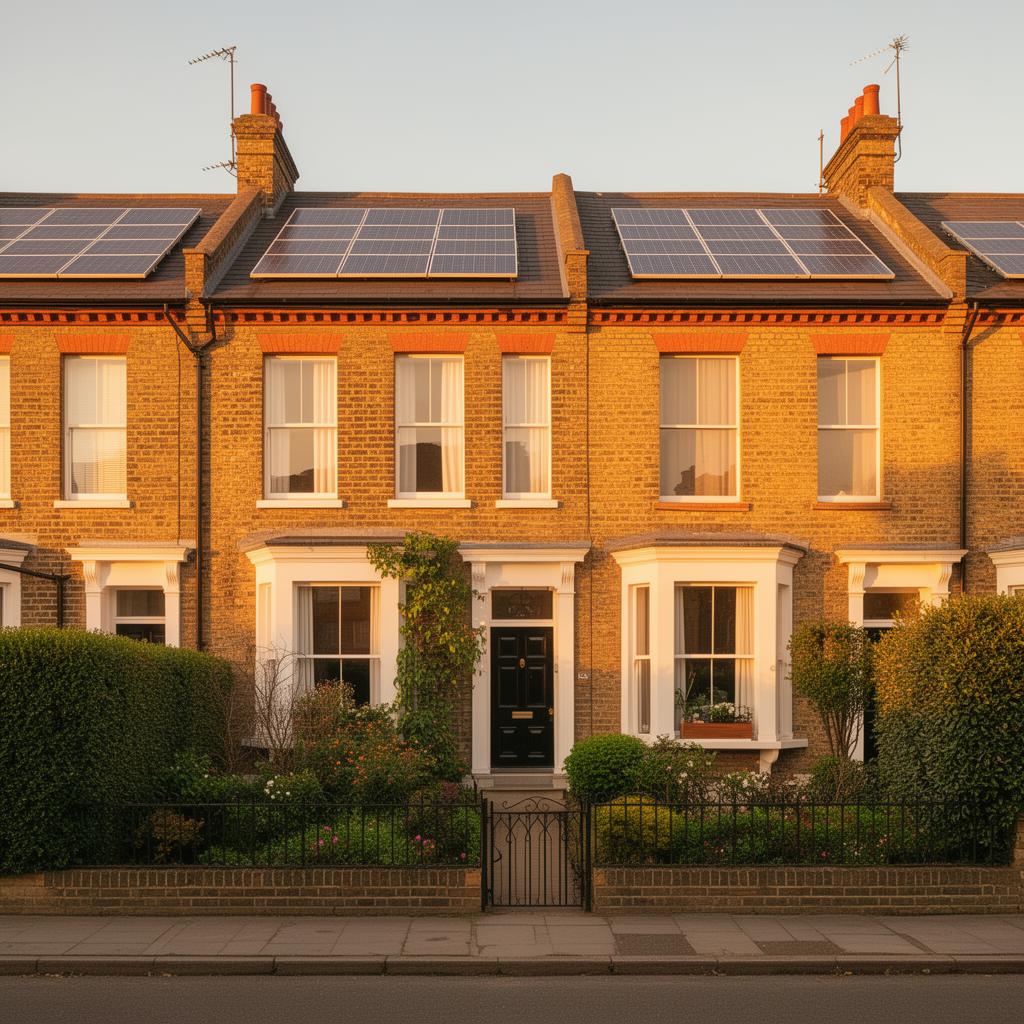
The Mitsubishi Ecodan is the most widely installed air source heat pump in the United Kingdom, with over 250,000 units fitted across British homes since the range launched. If you are searching for a mitsubishi ecodan review based on real long-term UK experience rather than laboratory data, this article draws on 15 years of installation history, owner feedback, and independent performance monitoring to give you the full picture.
Is the Mitsubishi Ecodan Worth Buying?
Yes, the Mitsubishi Ecodan remains the most reliable and widely installed heat pump in the UK, with over 250,000 units in operation and 15 years of proven performance data. The current range delivers a seasonal COP of 3.2–3.8, costs £9,000–£13,000 installed before the £7,500 BUS grant, and benefits from the largest installer and spare parts network of any heat pump brand in Britain.
The Ecodan’s greatest strength is its maturity — engineers know these systems inside out, and troubleshooting support is excellent. The MELCloud app provides remote monitoring, and the FTC6 controller offers comprehensive weather compensation settings. On the downside, the current R32 models are slightly less efficient than the latest R290 competitors from Vaillant and Samsung, and Mitsubishi has been slower to launch its next-generation natural refrigerant range. For homeowners who value proven reliability above all else, the Ecodan is still the benchmark.
Mitsubishi Ecodan Range Overview
Mitsubishi Electric offers several Ecodan models tailored to different UK property types. The core range includes the standard Ecodan, the Ultra Quiet PUZ-WZ series, and the Ecodan Monobloc. All current models use R32 refrigerant, replacing the older R410A used in earlier generations.
The range spans capacities from 5kW to 14kW, covering everything from well-insulated new builds to larger detached properties. The split system models (where refrigerant lines run between the outdoor and indoor units) remain the most popular, though the newer monobloc option simplifies installation by keeping all refrigerant outdoors.
| Model | Type | Capacity | Max Flow Temp | Noise (at 1m) |
|---|---|---|---|---|
| PUZ-WZ (Ultra Quiet) | Split | 5-8.5kW | 60C | 45dB |
| PUZ-HWR | Split | 5-14kW | 60C | 49-55dB |
| SUZ-SWM | Monobloc | 6-14kW | 60C | 52-58dB |
Real-World SCOP Data and Efficiency Performance
Mitsubishi quotes ErP efficiency ratings of A+++ for the Ecodan range, with laboratory COP figures up to 4.80 at A7/W35. In real UK installations, the seasonal COP typically falls between 3.0 and 3.8, which aligns with data from the Energy Saving Trust’s field trials and the Electrification of Heat Demonstration Project.
The Ecodan’s performance is heavily influenced by flow temperature settings. At 35C flow temperature with underfloor heating, SCOP figures of 3.5-3.8 are consistently achievable. At 50C flow temperature with standard radiators, expect 2.8-3.2. This reinforces the importance of correct system design and, where possible, running at the lowest flow temperature your heat emitters can support.
One genuine strength of the Ecodan is its cold-weather performance. The unit is rated to operate down to -25C, and the compressor technology maintains reasonable efficiency even at -15C. In UK winters, where temperatures rarely drop below -10C, the Ecodan performs reliably throughout the heating season without the sharp efficiency drops some cheaper units experience.
The Ultra Quiet PUZ-WZ: Best Ecodan for Noise-Sensitive Locations
The Ultra Quiet PUZ-WZ model was specifically designed for UK properties where noise limits are a concern. It produces just 45dB at 1 metre, which drops to approximately 33dB at 3 metres. This comfortably meets the 42dB permitted development limit at neighbour boundaries in most semi-detached and terraced house installations.
The quiet operation is achieved through an advanced fan blade design, vibration-damping mounts, and a sound-insulated compressor compartment. Mitsubishi also offers a night mode that further reduces noise output, making this model suitable for installations near bedrooms or in tightly spaced housing developments.
The trade-off is a slightly limited capacity range of 5kW to 8.5kW, which means larger properties requiring more than 8.5kW of heat output will need to look at the standard PUZ-HWR models or consider a different brand entirely. For the typical 2-4 bedroom UK home, however, the Ultra Quiet model is often perfectly adequate.
Mitsubishi Ecodan Installed Costs in the UK
The Ecodan is competitively priced within the premium heat pump segment. Fully installed costs for a typical UK home range from £10,000 to £13,000, including the outdoor unit, hot water cylinder, controls, and installation labour. The Ultra Quiet models sit at the upper end of this range due to their more sophisticated acoustic engineering.
With the £7,500 Boiler Upgrade Scheme grant, the net cost drops to approximately £2,500-£5,500. This makes the Ecodan one of the most accessible premium heat pumps on the market, and its wide installer network means competitive quotes are readily available across the UK.
Mitsubishi’s installer network is the largest of any heat pump brand in Britain, with over 3,000 accredited installers. This means shorter wait times for installation, easier access to servicing, and more competitive pricing due to greater competition between installers. Get a free quote from an MCS-certified Ecodan installer in your area.
Reliability and Long-Term Track Record
This is where the mitsubishi ecodan review story gets particularly strong. With 15 years of UK installations, the Ecodan has the longest real-world track record of any air source heat pump in Britain. Early units installed in 2011-2012 are still operating, and component failure rates are well-documented.
The most common issues reported over the years include:
- Flow sensor failures (typically after 5-8 years, relatively inexpensive to replace)
- PCB board issues on early R410A models (largely resolved in current R32 units)
- Expansion vessel pressure loss (a routine maintenance item)
- Defrost cycle inefficiency in early software versions (resolved through firmware updates)
None of these represent systemic reliability problems. The Ecodan’s failure rate is comparable to or better than most gas boilers, and the availability of spare parts is excellent due to the large installed base in the UK.
Warranty Options and Servicing Requirements
Mitsubishi offers a standard 5-year parts and labour warranty on the Ecodan range when installed by an accredited installer. Extended warranties of 7 and 10 years are available through certain installer programmes, though these often require annual servicing to remain valid.
Annual servicing costs run to approximately £100-£180, covering checks on refrigerant pressures, electrical connections, water system pressures, control settings, and general component inspection. Mitsubishi recommends annual servicing but does not void the standard warranty if a service is missed, which is more lenient than some competitors.
The MELCloud app provides basic monitoring and control, including heating schedules, hot water timing, and energy consumption data. It is functional rather than feature-rich, and lacks the depth of energy analytics offered by the Daikin Onecta or Vaillant myVaillant platforms.
Who Should Choose the Mitsubishi Ecodan?
The Ecodan is the safe choice for UK homeowners who value proven reliability and easy access to installers and servicing. It is particularly well-suited to:
- Semi-detached and terraced homes where the Ultra Quiet model solves noise concerns
- Homeowners who want the widest choice of installers and the most competitive quotes
- Properties in rural areas where finding a brand-specific installer for Vaillant or Daikin may be harder
- Risk-averse buyers who want a product with a 15-year UK track record
The Ecodan is less ideal if you need flow temperatures above 60C for existing radiators, as the Vaillant (75C) and Daikin HT (70C) models offer higher output. It also uses R32 refrigerant rather than the more environmentally friendly R290, which may matter to buyers prioritising the lowest possible environmental impact.
For the best overall system efficiency, consider pairing your Ecodan with home insulation upgrades to reduce heat demand, and solar panels to offset electricity costs. A well-insulated home with solar generation can see annual heating costs as low as £400-£600 with an Ecodan system.
Ecodan Running Costs Compared to Gas Boilers
At an SCOP of 3.2 and current electricity prices of 24.5p/kWh, an Ecodan costs approximately 7.7p per kWh of heat delivered. A modern gas boiler at 92% efficiency and gas prices of 5.74p/kWh costs approximately 7.3p per kWh of heat. The running costs are currently very close, with the heat pump marginally more expensive per unit of heat.
However, gas prices are widely expected to rise faster than electricity prices over the coming decade, particularly as carbon levies shift from electricity to gas. Homes with solar panels already see the economics tip firmly in the heat pump’s favour, and time-of-use electricity tariffs like Octopus Agile can further reduce heat pump running costs by 20-40%.
Over the 20-year lifespan of an Ecodan, total heating costs are projected to be £3,000-£8,000 lower than a gas boiler replacement, even before accounting for the BUS grant that reduces the upfront cost. The financial case strengthens further when combined with other energy efficiency measures.
Frequently Asked Questions
How long does a Mitsubishi Ecodan last?
Based on 15 years of UK data, the Ecodan is expected to last 15-20 years with proper maintenance. Early units from 2011-2012 are still operational. The compressor is the most critical component and typically lasts the full lifespan, while smaller components like flow sensors may need replacement around the 8-10 year mark.
Is the Mitsubishi Ecodan noisy?
The Ultra Quiet PUZ-WZ model is one of the quietest heat pumps available at 45dB at 1 metre (approximately 33dB at 3m). The standard models are louder at 49-55dB at 1 metre. For noise-sensitive locations such as terraced houses or flats, the Ultra Quiet model is the recommended choice.
Can the Ecodan work with my existing radiators?
At flow temperatures of 50-60C, many existing radiators will provide adequate heat output. However, radiators sized for a gas boiler at 70-80C may need to be upsized by 1.5-2x for optimal heat pump performance. A proper heat loss survey will determine exactly what is needed for your property.
Does the Mitsubishi Ecodan qualify for the BUS grant?
Yes. All current Ecodan models are MCS-certified and eligible for the £7,500 Boiler Upgrade Scheme grant. Your MCS-certified installer applies for the grant on your behalf, and it is deducted from your installation cost. Request a free quote to see your net cost after the grant.
Which Ecodan model is best for a 3-bedroom semi-detached house?
For a typical 3-bedroom semi, the Ultra Quiet PUZ-WZ 6kW or 8.5kW model is usually the best fit. It provides sufficient capacity for the heat demand, meets noise regulations easily for properties with shared boundaries, and qualifies for the full BUS grant. A heat loss calculation will confirm the exact capacity required.
See what these numbers mean for your home
Free instant estimate — costs, savings, payback and grants for your region.

Related Articles
Heat Pump Installation Costs in 2026: The Real Numbers
Heat pumps are now the default replacement for gas boilers in UK government policy, but the question most homeowners ask first is always the same: how much does it actually…
28 May 2026
Infrared Panels vs Heat Pumps: Which Heating System Is Right for Your Home?
Comparing infrared panels vs heat pumps across cost, efficiency, running expenses, and grant eligibility. This guide helps UK homeowners choose the right low-carbon heating system for their property.
8 May 2026
Renewable Heating vs Gas Boiler: An Honest Cost and Comfort Comparison
An honest comparison of heat pumps, biomass and solar thermal against gas boilers on cost, comfort, maintenance, grants and carbon savings for UK homes.
8 May 2026