Renewable Heating vs Gas Boiler: An Honest Cost and Comfort Comparison
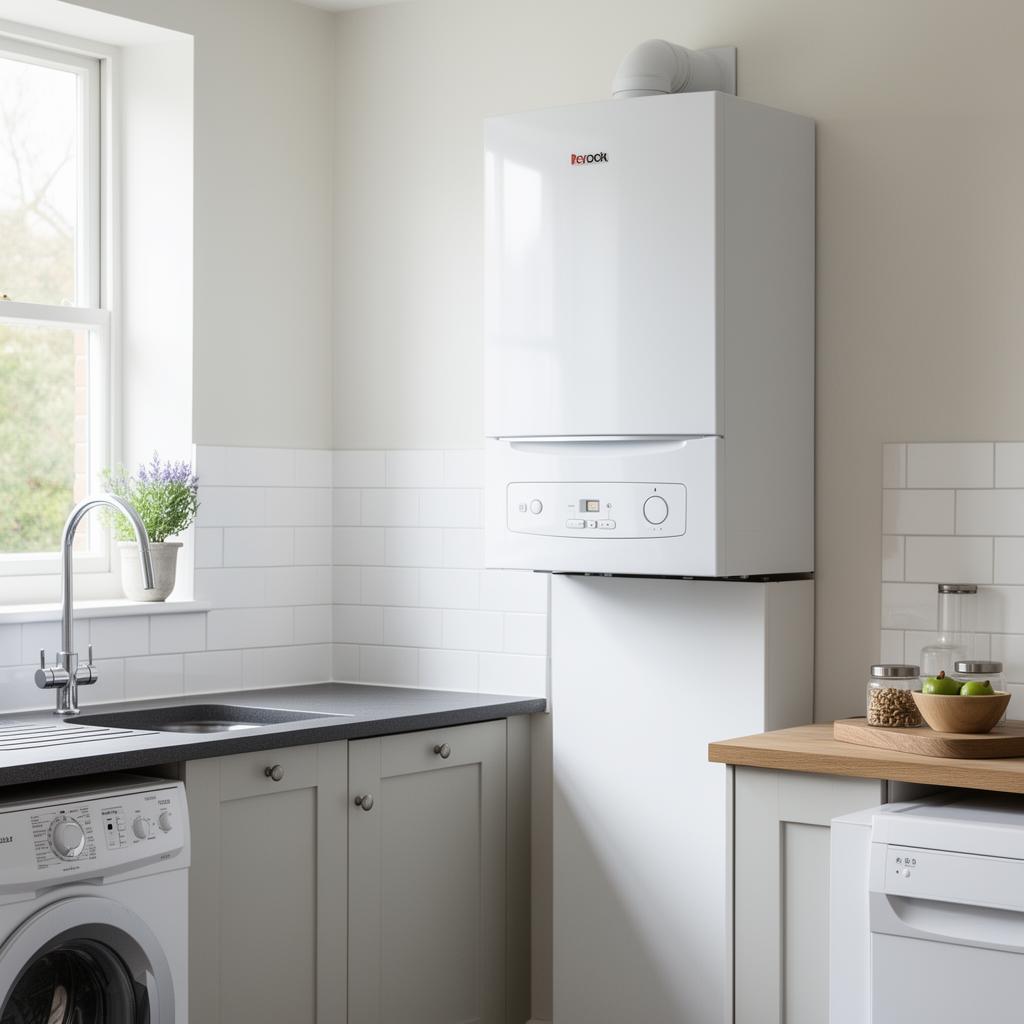
The debate over renewable heating vs gas boiler is one of the most important decisions UK homeowners will face this decade. With the government’s net zero targets driving policy, new gas boiler installations set to be restricted from 2035, and energy prices remaining volatile, understanding the true cost and comfort differences between renewable heating and gas is essential for making the right choice.
Renewable heating vs gas boiler comparison
| Factor | Gas Boiler | Renewable Heating (Heat Pump) |
|---|---|---|
| Upfront cost | £2,000–£3,500 | £7,000–£14,000 (before grant) |
| Annual running cost | £800–£1,200 | £500–£900 |
| Efficiency | 90–94% | 300–400% (COP 3–4) |
| Carbon emissions | ~2.1 tonnes CO2/year | ~0.7 tonnes CO2/year |
| Government grant | None | £7,500 via BUS |
| Lifespan | 12–15 years | 20–25 years |
While gas boilers remain cheaper to install, the gap narrows significantly once you factor in the £7,500 Boiler Upgrade Scheme grant available for heat pumps in 2026. Over a 15-year period, a well-installed air source heat pump in a properly insulated home can save £4,000–£8,000 in combined fuel and maintenance costs compared to a gas boiler.
This guide provides a side-by-side comparison of the three main renewable heating technologies — air source heat pumps, biomass boilers and solar thermal — against a modern gas combi boiler, using worked examples for a typical 3-bedroom semi-detached house.
The Four Heating Systems Compared
Before diving into the numbers, here is a brief explanation of how each system works.
Gas combi boiler: Burns natural gas to heat water on demand for both central heating and domestic hot water. No hot water cylinder needed. The most common heating system in UK homes, installed in roughly 85% of properties.
Air source heat pump (ASHP): Extracts heat from outdoor air and uses a refrigerant cycle to amplify it, delivering 2.5 to 3.5 kWh of heat for every 1 kWh of electricity consumed. Requires a hot water cylinder. Learn more on our heat pump page.
Biomass boiler: Burns wood pellets, chips or logs to heat water for central heating and hot water. Requires a fuel store and flue. Most common in rural properties off the gas grid.
Solar thermal: Roof-mounted panels heat a fluid that transfers energy to a hot water cylinder. Primarily produces hot water rather than space heating. Usually installed alongside another heating system.
Upfront Cost Comparison: Renewable Heating vs Gas Boiler
The upfront cost difference is the biggest barrier to renewable heating adoption. Here are realistic installed costs for a 3-bedroom semi.
| System | Installed Cost (Before Grant) | Available Grant | Net Cost After Grant |
|---|---|---|---|
| Gas combi boiler | GBP 2,500 – GBP 3,500 | None | GBP 2,500 – GBP 3,500 |
| Air source heat pump | GBP 12,000 – GBP 18,000 | GBP 7,500 (BUS) | GBP 4,500 – GBP 10,500 |
| Ground source heat pump | GBP 20,000 – GBP 35,000 | GBP 7,500 (BUS) | GBP 12,500 – GBP 27,500 |
| Biomass boiler (auto-feed pellet) | GBP 12,000 – GBP 20,000 | GBP 5,000 (BUS) | GBP 7,000 – GBP 15,000 |
| Solar thermal (for hot water) | GBP 3,000 – GBP 5,000 | None currently | GBP 3,000 – GBP 5,000 |
The Boiler Upgrade Scheme (BUS) grant of GBP 7,500 for air source heat pumps makes the cost gap between a heat pump and a gas boiler much narrower than it was even two years ago. For some installations, the after-grant cost of a heat pump is now within GBP 2,000 to GBP 7,000 of a gas boiler — a gap that running cost savings can close over the system’s lifetime.
Running Cost Comparison for a 3-Bed Semi
Running costs depend on the fuel price, the system’s efficiency, and how well the home is insulated. Here are worked examples based on a moderately insulated 3-bedroom semi-detached house with an annual heating demand of 12,000 kWh.
| System | Efficiency / COP | Energy Consumed | Unit Cost | Annual Heating Cost |
|---|---|---|---|---|
| Gas combi boiler | 92% ErP | 13,000 kWh gas | 6.5p/kWh | GBP 845 |
| Air source heat pump | COP 3.0 | 4,000 kWh electricity | 24.5p/kWh | GBP 980 |
| Air source heat pump (with UFH) | COP 3.5 | 3,430 kWh electricity | 24.5p/kWh | GBP 840 |
| Biomass boiler | 90% | 13,300 kWh pellets | 6-8p/kWh | GBP 800 – GBP 1,060 |
| Solar thermal + gas boiler | Provides ~60% of hot water | Saves ~1,200 kWh gas | 6.5p/kWh saved | GBP 770 (combined) |
Several important points emerge from these numbers:
- An air source heat pump with radiators costs slightly more to run than a gas boiler at current prices, but with underfloor heating the costs are virtually identical
- If gas prices rise or electricity prices fall (both are plausible), heat pumps become significantly cheaper to run
- A heat pump on a time-of-use tariff (such as Octopus Cosy) with some off-peak heating can reduce costs by a further GBP 100 to GBP 200 per year
- Biomass running costs are competitive but pellet prices fluctuate and supply chains are less established than gas or electricity
- Solar thermal makes a modest contribution to hot water costs but cannot replace a primary heating system
Comfort Comparison: How Each System Feels
Cost is only part of the picture. How each system delivers warmth and hot water affects daily comfort.
| Factor | Gas Combi Boiler | Air Source Heat Pump | Biomass Boiler |
|---|---|---|---|
| Response time | Fast (15-30 mins to warm rooms) | Slower (best run continuously at low temp) | Moderate (30-60 mins) |
| Hot water delivery | Instant, unlimited | Cylinder needed, finite volume | Cylinder needed, finite volume |
| Heat evenness | Good with TRVs | Excellent with UFH | Good with radiators |
| Noise | Quiet indoors | Outdoor unit ~42-50 dB (similar to a fridge) | Quiet except during fuel loading |
| Maintenance effort | Annual service | Annual service (minimal user input) | Regular ash removal, flue cleaning |
| Fuel storage | None (mains supply) | None (mains electricity) | Pellet hopper or store required |
The main comfort adjustment with a heat pump is that it works best when run continuously at a lower temperature, rather than the on-off pattern most UK households use with gas boilers. This takes getting used to, but many heat pump users report that the steady, even warmth is actually more comfortable once they adapt their expectations.
For hot water, a gas combi boiler has the advantage of instant, effectively unlimited supply. A heat pump requires a hot water cylinder (typically 200 to 300 litres), which provides enough for 2 to 3 consecutive showers before needing a reheat cycle of 30 to 60 minutes. For most families, this is manageable with a properly sized cylinder and a timed reheat schedule.
Maintenance and Lifespan Comparison
Ongoing maintenance costs and system longevity significantly affect the total cost of ownership.
| System | Annual Service Cost | Expected Lifespan | Common Repairs |
|---|---|---|---|
| Gas boiler | GBP 60 – GBP 120 | 12 – 15 years | Pump, diverter valve, heat exchanger |
| Air source heat pump | GBP 100 – GBP 200 | 20 – 25 years | Compressor (rare), fan motor, controls |
| Biomass boiler | GBP 150 – GBP 300 | 20 – 25 years | Feed mechanism, igniter, flue components |
| Solar thermal | GBP 50 – GBP 100 | 20 – 25 years | Pump, expansion vessel, anti-freeze top-up |
Heat pumps have a significantly longer lifespan than gas boilers. Over a 25-year period, a homeowner would typically need to replace a gas boiler at least once (two boilers over 25 years), while a heat pump installed today should still be running at the end of that period. This longevity advantage effectively reduces the heat pump’s cost of ownership.
Carbon Savings: Renewable Heating vs Gas Boiler
For homeowners motivated by environmental impact, the carbon savings from renewable heating are substantial.
| System | Annual CO2 Emissions (Heating Only) | Saving vs Gas Boiler |
|---|---|---|
| Gas combi boiler | 2.4 tCO2e | Baseline |
| Air source heat pump | 0.8 tCO2e | 1.6 tCO2e (67% reduction) |
| Biomass boiler | 0.3 tCO2e | 2.1 tCO2e (88% reduction) |
| Solar thermal + gas | 2.1 tCO2e | 0.3 tCO2e (13% reduction) |
As the UK electricity grid continues to decarbonise (renewables now supply over 50% of UK electricity), the heat pump’s carbon advantage will grow further. By 2030, a heat pump is projected to produce 75 to 80% less CO2 than a gas boiler.
Pairing a heat pump with solar panels can push the carbon saving even higher. A home generating its own solar electricity to power its heat pump approaches genuine net zero heating.
The Total Cost Picture Over 15 Years
Looking at upfront cost alone is misleading. Here is the total cost of ownership over 15 years for our 3-bed semi example, including installation, running costs, maintenance and one boiler replacement.
| Cost Element | Gas Boiler (x2 over 15 yrs) | ASHP (after BUS grant) |
|---|---|---|
| Installation | GBP 6,500 (two boilers) | GBP 8,000 |
| Running costs (15 years) | GBP 12,675 | GBP 12,600 |
| Maintenance (15 years) | GBP 1,350 | GBP 2,250 |
| Total 15-year cost | GBP 20,525 | GBP 22,850 |
The 15-year cost gap between a gas boiler and a heat pump has narrowed to roughly GBP 2,000 to GBP 3,000. With any increase in gas prices or decrease in electricity prices, the heat pump becomes the cheaper option over this timeframe. And the heat pump still has 10 years of life remaining at the end of this period, while the second gas boiler would be nearing the end of its.
For homeowners who add insulation alongside the heat pump (reducing total heating demand), or who use a time-of-use electricity tariff, the heat pump can already be the cheaper option over 15 years.
Frequently Asked Questions About Renewable Heating vs Gas
Will gas boilers be banned in the UK?
Not banned outright, but the government plans to end the installation of new gas boilers in new-build homes from 2025 (via the Future Homes Standard) and is targeting 2035 for phasing out new gas boiler installations in existing homes. This is subject to review and may be adjusted, but the direction of travel is clear: gas heating is being phased out in favour of electric alternatives. Existing gas boilers can continue to be used and serviced beyond these dates.
Can a heat pump heat my home as well as a gas boiler?
Yes, if correctly sized and installed. A properly designed heat pump system delivers the same indoor temperatures as a gas boiler. The difference is in how the heat is delivered — continuously at a lower temperature rather than in short, hot bursts. Many homeowners find this more comfortable once they adjust. The key is proper insulation, correct sizing, and appropriately sized radiators or underfloor heating.
Is biomass heating worth considering?
Biomass is best suited to rural properties with space for fuel storage, good access for deliveries, and a location where the flue will not cause issues with neighbours. Running costs are competitive with gas, but the maintenance burden is higher and pellet supply chains are less reliable than gas or electricity. For most urban and suburban homes, an air source heat pump is the more practical renewable option.
Should I wait for hydrogen boilers instead of switching to a heat pump?
The prospect of hydrogen replacing natural gas in the UK’s grid has been significantly scaled back. The government’s 2026 decision on hydrogen for home heating is expected to confirm a very limited role, if any, for hydrogen in domestic heating. Most industry experts and the Climate Change Committee advise against waiting for hydrogen and recommend heat pumps as the primary solution. Delaying means years of higher gas bills and continued carbon emissions.
What is the best renewable heating system for a UK home?
For the majority of UK homes, an air source heat pump offers the best combination of running cost, carbon reduction, comfort and practicality. When combined with good insulation, it matches or beats a gas boiler on running cost while cutting carbon emissions by two thirds. The GBP 7,500 Boiler Upgrade Scheme grant makes it financially accessible. Get a free quote to find out what a heat pump installation would cost for your specific property and how much you could save.
See what these numbers mean for your home
Free instant estimate — costs, savings, payback and grants for your region.

Related Articles
Heat Pump Installation Costs in 2026: The Real Numbers
Heat pumps are now the default replacement for gas boilers in UK government policy, but the question most homeowners ask first is always the same: how much does it actually…
28 May 2026
Infrared Panels vs Heat Pumps: Which Heating System Is Right for Your Home?
Comparing infrared panels vs heat pumps across cost, efficiency, running expenses, and grant eligibility. This guide helps UK homeowners choose the right low-carbon heating system for their property.
8 May 2026
Heat Pump Running Costs in 2026: What UK Homeowners Actually Pay
The biggest question homeowners ask about heat pumps is not whether they work but how much they cost to run. Gas boilers are familiar and their running costs are predictable.…
23 April 2026