Heat Pump Servicing: What an Annual Service Includes and Why It Matters
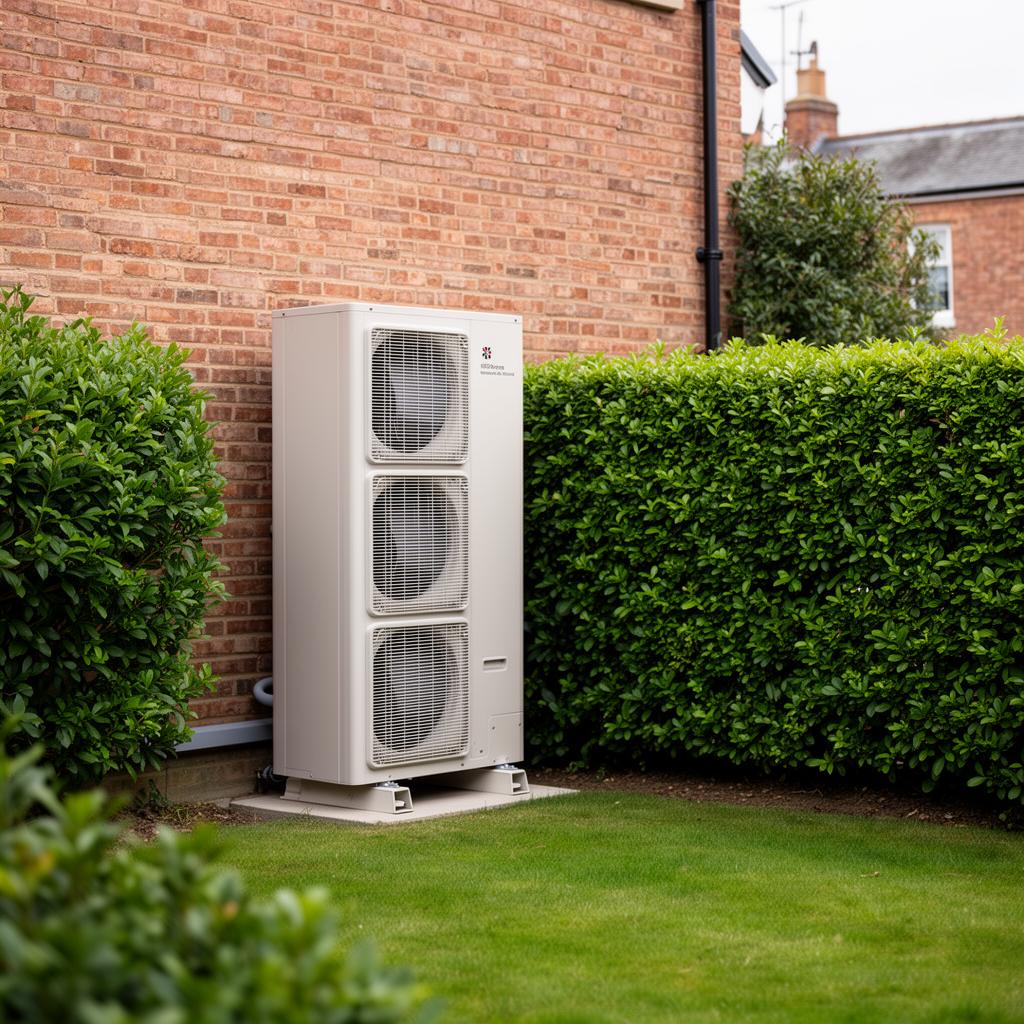
Regular heat pump servicing UK homeowners need to prioritise is one of the most overlooked aspects of heat pump ownership. An annual service typically costs between £100 and £200 and takes 1-2 hours, yet it protects a system worth £10,000-£16,000, maintains your warranty, and can extend the lifespan of your heat pump by 2-3 years. Skipping even a single service can void your manufacturer’s warranty entirely, potentially leaving you exposed to repair bills of £1,500-£3,500 for major components like the compressor.
What Does an Annual Heat Pump Service Include?
- Refrigerant pressure and leak check — the engineer tests gas pressures and inspects pipework for refrigerant leaks using electronic detectors
- Electrical connections inspection — all wiring, contactors and isolators are checked for damage, corrosion or loose connections
- Outdoor unit inspection and cleaning — the evaporator coil is checked for debris, leaves, dirt and damage that reduce airflow and efficiency
- Filter and strainer cleaning — internal water system filters are cleaned or replaced to maintain flow rates
- Performance and efficiency check — flow temperatures, return temperatures and COP are measured to confirm the system is operating efficiently
- Controls and thermostat check — heating curves, weather compensation settings and timers are reviewed and adjusted if needed
- System report and recommendations — a written record of findings, any faults identified and recommended actions
An annual heat pump service costs £100 to £200 in the UK and should be carried out by an F-Gas certified engineer. Regular servicing maintains efficiency, extends the system’s 15 to 20 year lifespan and is typically required to keep the manufacturer’s warranty valid. Most MCS-certified installers offer annual service plans at a discounted rate when purchased alongside the installation.
This guide details exactly what a qualified engineer checks during an annual heat pump service, how much you should expect to pay, what happens if you skip servicing, and how regular maintenance keeps your system running at peak efficiency.
What an Annual Heat Pump Service Includes
A professional heat pump service is a comprehensive check of both the outdoor and indoor components. Here is what a qualified engineer should inspect and test during a standard annual service:
Outdoor unit checks
- Refrigerant pressure test – Checking high and low side pressures against manufacturer specifications. Incorrect pressures indicate a leak, blockage, or compressor issue
- Refrigerant temperature readings – Superheat and subcooling measurements confirm the system is charging correctly
- Heat exchanger inspection – The outdoor coil is checked for debris, dirt, and damage. Blocked coils reduce airflow and efficiency
- Coil cleaning – Using low-pressure water or specialist cleaning solution to remove accumulated dirt, leaves, and organic matter
- Fan motor check – Verifying the fan operates smoothly without vibration, unusual noise, or bearing wear
- Defrost cycle test – Confirming the defrost function activates correctly and clears frost from the coil efficiently
- Drainage check – Ensuring the condensate drain is clear and water flows freely away from the unit base
- Visual inspection – Checking for corrosion, physical damage, refrigerant oil staining (indicating leaks), and general condition
Indoor unit and system checks
- System pressure check – Verifying the heating circuit pressure is within the correct range (typically 1.0-1.5 bar cold)
- Circulation pump operation – Checking the pump speed, flow rate, and noise levels
- Expansion vessel test – Pre-charge pressure verified and topped up if necessary. Failed expansion vessels are the most common wear item
- Hot water cylinder check – Temperature settings, thermostat operation, and anode condition (where fitted)
- Electrical connection test – Tightening terminals, checking for loose connections, measuring voltage and current draw
- Safety device test – High pressure switch, flow switch, and any other safety interlocks verified
- Controller and error log review – Checking for stored fault codes, analysing error patterns, and clearing resolved faults
- Flow temperature and weather compensation check – Verifying the heating curve is correctly set and the system responds appropriately to outdoor temperature changes
- Anti-legionella cycle confirmation – Ensuring the hot water cylinder reaches 60 degrees C at least weekly to prevent legionella bacteria growth
Heat Pump Servicing Costs in 2026
Service costs vary by region, system complexity, and whether you use an independent engineer or a manufacturer’s service plan:
| Service Type | Typical Cost | What Is Included |
|---|---|---|
| Independent engineer service | £100-£180 | Annual inspection and basic maintenance as described above |
| Manufacturer service plan | £180-£300 per year | Annual service plus priority callout and parts discount |
| Installer service contract | £120-£220 per year | Annual service, often with emergency callout included |
| Comprehensive cover plan | £200-£400 per year | Annual service, parts, labour, and emergency callout |
For most homeowners, an annual service from an independent F-Gas qualified engineer at £100-£180 is sufficient to maintain warranty compliance and system performance. Manufacturer service plans cost more but provide the certainty that the service meets the exact manufacturer specification, which removes any ambiguity about warranty validity.
Over a 20-year heat pump lifespan, annual servicing costs approximately £2,000-£3,600 in total. This is comparable to the servicing cost of a gas boiler (£70-£120 per year) and a modest investment to protect a system worth significantly more.
Warranty Implications of Skipping Heat Pump Servicing
Every major heat pump manufacturer in the UK requires annual professional servicing as a condition of their warranty. This is not optional or a suggestion; it is a contractual requirement. Missing a single annual service can void the remaining warranty period entirely.
The warranty implications are severe because the most expensive components are the ones most likely to fail if maintenance is neglected:
- Compressor replacement – £1,500-£3,500 including labour and refrigerant
- Heat exchanger replacement – £800-£2,000
- PCB (control board) replacement – £400-£1,000
- Circulation pump replacement – £200-£500
- Expansion vessel replacement – £150-£350
A single compressor failure outside warranty costs more than 15-20 years of annual servicing. The maths is unambiguous: maintaining your annual service is the cheapest insurance policy available for your heat pump investment.
Keep all service records safely. In the event of a warranty claim, you will need to provide evidence of unbroken annual servicing. Most engineers provide a written service report, and some manufacturers require service details to be logged on their online portal.
How Regular Servicing Extends Heat Pump Lifespan
A well-maintained heat pump typically lasts 20-25 years, while a neglected system may fail or require major repair within 12-15 years. Regular servicing extends lifespan in several ways:
- Clean coils maintain efficiency – A dirty outdoor coil forces the compressor to work harder, increasing wear and electricity consumption. A single season of neglect can reduce efficiency by 5-10%
- Correct refrigerant charge prevents damage – Low refrigerant (from a slow leak) causes the compressor to overheat. Detecting and fixing a small leak during servicing prevents catastrophic compressor failure
- Electrical connection maintenance prevents fires – Loose electrical connections generate heat and can cause component failure or, in extreme cases, electrical fires
- Expansion vessel maintenance prevents cycling – A failed expansion vessel causes pressure fluctuations that trigger repeated safety shutdowns, increasing wear on the compressor
- Software updates – Engineers can apply manufacturer firmware updates during servicing, improving performance and addressing known issues
Data from the Electrification of Heat Demonstration Project suggests that properties with annual servicing maintain an average SCOP 0.2-0.4 higher than those without regular maintenance. For a 3-bed semi, that translates to approximately £80-£200 per year in reduced electricity costs, meaning the service effectively pays for itself through improved efficiency.
What You Can Do Between Professional Services
While the annual professional service is non-negotiable, there are several maintenance tasks you can (and should) carry out yourself between services:
- Keep the outdoor unit clear – Remove leaves, grass clippings, and debris from around the unit regularly. Maintain at least 300mm clearance on all sides and 1 metre in front of the fan
- Check for ice build-up – During cold weather, monitor the outdoor unit for unusual ice accumulation. A thin layer of frost is normal, but thick ice that does not clear during defrost cycles indicates a problem
- Monitor system pressure – Check the heating circuit pressure gauge monthly. If pressure drops repeatedly, there may be a leak in the heating circuit (not the refrigerant)
- Clean or replace filters – If your system has accessible filters (not all do), clean them every 3-6 months
- Listen for unusual noises – Changes in the sound of the outdoor unit can indicate fan bearing wear, loose panels, or refrigerant flow issues
- Check the condensate drain – Ensure water is flowing freely from the outdoor unit base. Clear any blockages
If you notice any issues between services, contact your installer or a qualified engineer promptly. Early intervention on small problems prevents them from becoming expensive repairs. Pairing your heat pump with well-maintained insulation also reduces the workload on the system, lowering wear and extending its life.
When to Schedule Your Heat Pump Service
The ideal time for an annual heat pump service is late summer or early autumn (August to October). This ensures the system is in optimal condition before the heating season begins. Scheduling during this window also tends to be easier because demand for engineers is lower than during winter when emergency callouts peak.
Set a calendar reminder for the same month each year and book your service at least 4-6 weeks in advance. If your warranty anniversary date falls at a specific time, ensure the service is completed before that date to maintain unbroken cover.
If you have recently had a heat pump installed or are planning one, get a free quote and ask the installer about their servicing packages and pricing. Many installers offer a discounted first-year service as part of the installation package.
Frequently Asked Questions
How often does a heat pump need servicing?
All major heat pump manufacturers require an annual professional service to maintain warranty cover. This is the minimum frequency recommended. Some comprehensive service plans include a mid-year check as well, which can be beneficial for the first year while you get to know the system.
Who can service a heat pump?
A heat pump must be serviced by a qualified engineer. For any work involving the refrigerant circuit, the engineer must hold an F-Gas certificate. For general heating circuit checks, a qualified heating engineer is sufficient. Ideally, use an engineer who holds specific training from your heat pump manufacturer, as they will have access to the latest service procedures and diagnostic tools.
Can I service my heat pump myself?
You can carry out basic maintenance such as clearing debris from the outdoor unit, checking system pressure, and cleaning accessible filters. However, the annual professional service is mandatory for warranty compliance and must be carried out by a qualified engineer. Self-servicing will not be accepted as evidence of maintenance for warranty claims, and any work involving refrigerant is illegal without F-Gas certification.
What happens if my heat pump breaks down and it has not been serviced?
If your heat pump fails and you cannot provide evidence of annual servicing, the manufacturer is likely to reject the warranty claim. You would then be responsible for the full cost of repair, which can range from £200 for minor issues to £3,500+ for a compressor replacement. There is no grace period or goodwill exception; the warranty terms are clear that annual servicing is a contractual requirement.
Is heat pump servicing more expensive than gas boiler servicing?
Slightly. A heat pump service typically costs £100-£200 compared to £70-£120 for a gas boiler service. The higher cost reflects the additional complexity of the refrigerant circuit checks. However, heat pumps do not require a separate gas safety certificate (CP12), and they have fewer wear items than a gas boiler (no combustion components, no flue to check). Over the system’s lifetime, total maintenance costs are broadly similar.
See what these numbers mean for your home
Free instant estimate — costs, savings, payback and grants for your region.

Related Articles
Heat Pump Installation Costs in 2026: The Real Numbers
Heat pumps are now the default replacement for gas boilers in UK government policy, but the question most homeowners ask first is always the same: how much does it actually…
28 May 2026
Infrared Panels vs Heat Pumps: Which Heating System Is Right for Your Home?
Comparing infrared panels vs heat pumps across cost, efficiency, running expenses, and grant eligibility. This guide helps UK homeowners choose the right low-carbon heating system for their property.
8 May 2026
Renewable Heating vs Gas Boiler: An Honest Cost and Comfort Comparison
An honest comparison of heat pumps, biomass and solar thermal against gas boilers on cost, comfort, maintenance, grants and carbon savings for UK homes.
8 May 2026