Heat Pump Troubleshooting: 10 Common Problems and How to Fix Them
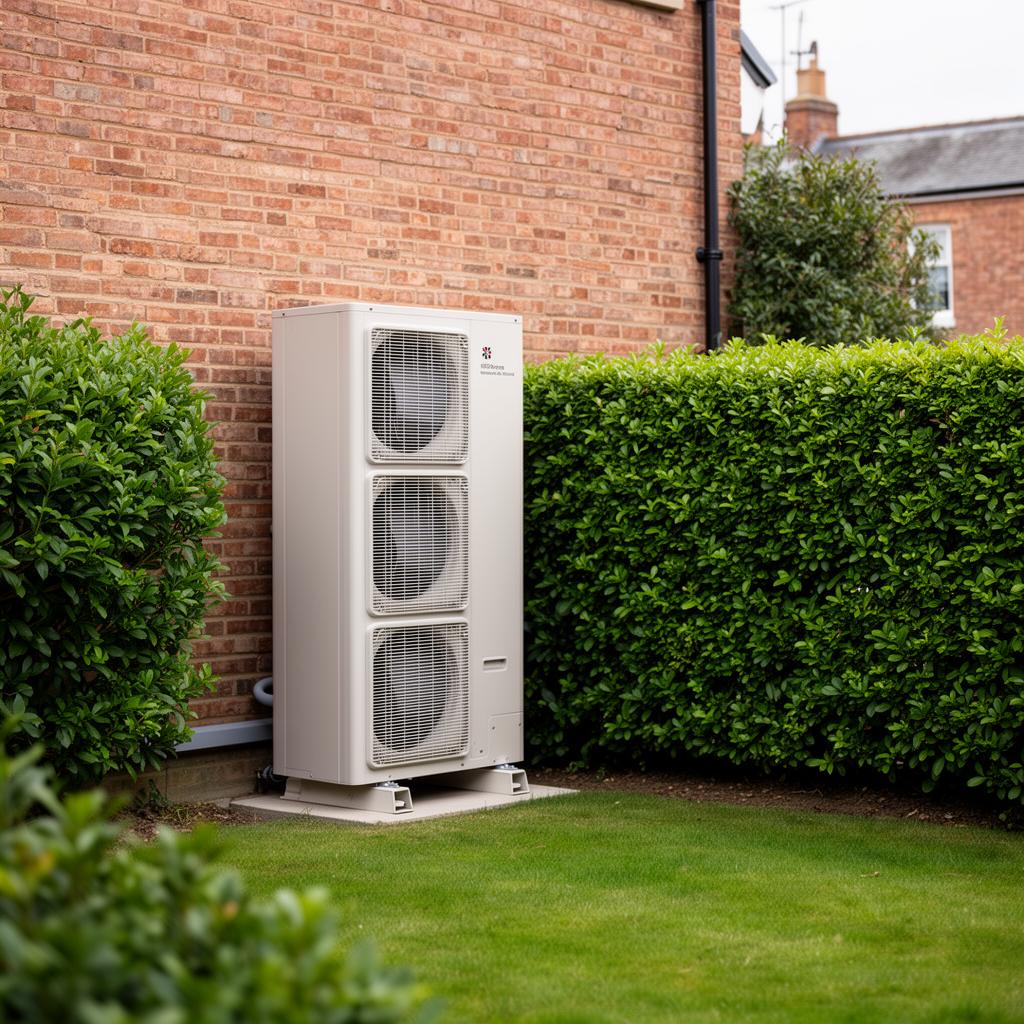
Even the best-installed heat pumps can develop issues over time. If you are experiencing heat pump problems UK homeowners commonly encounter, this troubleshooting guide covers the 10 most frequent issues, explains what causes them, and tells you which ones you can resolve yourself and which require a qualified engineer. Knowing the difference can save you both money on unnecessary call-outs and time waiting for a repair that could have been a simple fix.
Common Heat Pump Problems and How to Fix Them
- Heat pump not heating — check the thermostat is set correctly and the system is not in cooling mode; reset the controller if needed
- Low heat output — verify flow temperatures are set appropriately (35–45°C for radiators, 30–35°C for underfloor heating) and bleed any airlocked radiators
- High electricity bills — check the weather compensation curve is configured correctly; a flat curve forces the heat pump to overwork
- Excessive defrost cycles — ensure the outdoor unit has at least 300mm clearance on all sides and is not blocked by leaves, snow or debris
- Noisy outdoor unit — tighten any loose panels, check the fan blade for damage and ensure the unit is on anti-vibration mounts
- Error codes on the display — note the exact code and check your manufacturer’s manual; common codes relate to flow rate, refrigerant pressure or sensor faults
- Leaking water around the unit — small amounts of condensation are normal during defrost, but persistent leaks indicate a blocked drain or pipe connection issue
Most heat pump issues can be resolved without an engineer visit by checking settings, clearing debris from the outdoor unit and ensuring the system has adequate water flow. If problems persist after basic troubleshooting, contact your MCS-certified installer. Never attempt to access the refrigerant circuit yourself — this requires F-Gas certified technicians by law.
1. Reduced Heating Output: House Not Reaching Temperature
This is the most common complaint from UK heat pump owners. The house feels cool, takes too long to warm up, or cannot maintain the set temperature during cold weather.
Possible causes:
- Weather compensation set too low: If the heating curve does not increase flow temperature enough during cold snaps, the radiators cannot deliver sufficient heat. Check your settings and raise the curve by 2-3C.
- Flow temperature capped too low: Some systems have a maximum flow temperature limit that may be set conservatively. Raising it by 3-5C during very cold weather can solve the problem.
- Undersized system: If the heat pump was incorrectly sized for your home’s heat loss, it will struggle in cold weather. This requires professional assessment and potentially a system upgrade.
- Blocked filters: Dirty magnetic filters or strainers reduce water flow and heat distribution. Check and clean filters every 6-12 months.
- Air in the system: Trapped air in radiators reduces their heat output. Bleed all radiators to release trapped air.
DIY fix: Bleed radiators, check weather compensation settings, clean magnetic filter. If the problem persists after these checks, call your installer.
2. Short Cycling: Heat Pump Turning On and Off Frequently
Short cycling means the heat pump starts, runs for only a few minutes, stops, and then starts again shortly after. This reduces efficiency and increases wear on the compressor.
Possible causes:
- Oversized heat pump: The unit produces more heat than the home needs, reaching the target temperature quickly and shutting down. This is a design fault that may require a buffer tank to resolve.
- Low system volume: Too few open radiators or closed TRVs leaving insufficient water volume for the heat pump to heat efficiently.
- Thermostat differential too narrow: If the room thermostat triggers the heat pump with only a 0.5C differential, the unit cycles frequently. Widening the differential to 1-2C can help.
- Missing buffer tank: Systems with zoned heating or many TRVs may need a buffer tank that was not included in the original installation.
DIY fix: Open TRVs fully on radiators in unused rooms to increase system volume. Widen thermostat differential. If short cycling persists, discuss adding a buffer tank with your installer.
3. Excessive Ice Build-Up on the Outdoor Unit
Some frost on the outdoor unit during cold weather is completely normal and is handled by the defrost cycle. However, persistent ice that does not clear, ice covering the entire unit, or ice forming on the base and pipework indicates a problem.
Possible causes:
- Defrost sensor failure: The temperature sensor that triggers defrost may be faulty or mispositioned, preventing the defrost cycle from activating.
- Low refrigerant charge: A refrigerant leak reduces the evaporator temperature below normal, causing excessive ice formation. This requires professional repair.
- Restricted airflow: Leaves, debris, snow, or vegetation blocking the outdoor unit restricts air movement and increases icing.
- Failed four-way valve: If the valve that reverses refrigerant flow for defrost is stuck, the defrost cycle cannot operate.
- Blocked drain: Meltwater not draining properly can refreeze beneath the unit, building up into a solid ice mass.
DIY fix: Clear any debris, vegetation, or snow from around the unit. Ensure the base drain is clear. Never try to chip or scrape ice off the unit, as this can damage the evaporator fins. If ice persists after clearing obstructions, call an engineer.
4. Strange Noises From the Heat Pump
Heat pumps produce operational noise that varies throughout their cycle. Some sounds are normal; others indicate potential heat pump problems UK homeowners should not ignore.
Normal sounds:
- Low humming from the compressor during operation
- Fan noise that varies with speed
- Brief whooshing when the defrost valve switches
- Gurgling as refrigerant flows through the system
- Clicking when the unit starts or stops
Abnormal sounds requiring attention:
- Loud banging or clanking: May indicate a loose component, failed mounting bracket, or debris caught in the fan
- High-pitched squealing: Could be a bearing failure in the fan motor or compressor
- Continuous rattling: Often caused by loose panels, a vibrating pipe, or the unit not being level on its base
- Hissing: May indicate a refrigerant leak, which requires immediate professional attention
DIY fix: Check for loose external panels and tighten any visible screws. Ensure the unit is level. Remove any debris near the fan. For internal noises, call an engineer.
5. Low or No Hot Water
Running out of hot water or finding the water is not hot enough is a common complaint, particularly in the first few weeks of ownership as homeowners adjust to the heat pump’s different behaviour compared to a gas boiler.
Possible causes:
- Cylinder thermostat set too low: Check the target temperature is set to at least 48-52C.
- Hot water schedule not running: The system may not be scheduled to heat water at the times you need it. Review the heating schedule on the controller or app.
- Undersized cylinder: If demand exceeds the cylinder capacity, you run out of hot water before it can reheat. A larger cylinder may be needed.
- Immersion heater tripped: If the immersion heater has tripped its thermal cutout, it will not provide backup heating. Check the immersion heater switch and reset button.
- Diverter valve stuck: In systems that switch between heating and hot water, a stuck diverter valve may prevent hot water production.
DIY fix: Check cylinder thermostat setting, review hot water schedule, check immersion heater trip switch. If the issue is not resolved, call your installer.
6. High Electricity Bills
If your electricity bills are significantly higher than expected after installing a heat pump, the system may not be operating as efficiently as it should.
Possible causes:
- Flow temperature too high: Running at 55-60C instead of 40-45C dramatically increases electricity consumption. Check weather compensation settings.
- Immersion heater running excessively: If the immersion heater is operating daily instead of only for weekly pasteurisation, it adds significant cost. Check system logs.
- Weather compensation disabled: Running at a fixed flow temperature wastes 15-30% of potential efficiency. Ensure weather compensation is active.
- Short cycling: Frequent start-stop cycles waste energy. See problem 2 above.
- Poor insulation: If the home’s insulation is inadequate, the heat pump works harder and longer to maintain temperature.
- Incorrect tariff: Ensure you are on the best electricity tariff. Time-of-use tariffs can reduce costs by 20-40%.
DIY fix: Review flow temperatures, check weather compensation is enabled, verify immersion heater is not running daily, check your electricity tariff. If COP figures on your app are consistently below 2.5, request a professional system review.
7. Error Codes on the Display
Heat pumps display error codes when they detect a fault condition. The specific codes vary by manufacturer, but common categories include:
- Flow/pressure errors: Low water pressure, no flow detected, or pump failure. Check the system pressure gauge (should read 1.0-1.5 bar) and repressurise if needed.
- Temperature sensor errors: A failed outdoor or flow temperature sensor gives incorrect readings. Requires engineer replacement.
- Communication errors: Loss of communication between outdoor and indoor units, often caused by a cable fault. Check connections are secure.
- Compressor errors: High pressure, low pressure, or overheating faults in the compressor circuit. Requires professional diagnosis.
- Refrigerant errors: Low refrigerant pressure indicating a potential leak. Requires immediate professional attention.
DIY fix: Check system pressure and repressurise if low. Reset the unit by switching off at the isolator for 60 seconds and restarting. If the error code returns after reset, note the code and contact your installer. Most manufacturers have error code lookup tools on their websites.
8. Heat Pump Running Constantly
Unlike a gas boiler that fires in short bursts, a heat pump is designed to run for extended periods at low output. Running continuously is not necessarily a problem, and in cold weather it is often the most efficient operating mode. However, if the heat pump runs constantly and the house still does not reach temperature, there may be an issue.
When constant running is normal:
- During cold weather (below 5C outdoor temperature)
- When weather compensation is correctly set to maintain a low, steady flow temperature
- After a prolonged setback period while the house recovers to temperature
When constant running indicates a problem:
- The house never reaches the set temperature despite continuous operation
- Running constantly in mild weather (above 10C)
- Electricity consumption is much higher than expected
DIY fix: Check that TRVs are not restricting flow to key rooms. Bleed radiators. Verify weather compensation settings are appropriate. If the house genuinely cannot reach temperature, the system may be undersized and needs professional assessment.
9. Refrigerant Leak
Refrigerant leaks are uncommon in well-installed monobloc systems but can occur, particularly in split systems where refrigerant lines run between the outdoor and indoor units.
Signs of a refrigerant leak:
- Gradually declining heating performance over weeks or months
- Low pressure error codes on the display
- Visible oil stains around refrigerant connections
- Hissing sound from the outdoor unit or pipework
- Excessive ice formation on parts of the evaporator rather than even coverage
This is NOT a DIY repair. Refrigerant handling requires F-Gas certification by law. For R290 (propane) systems, additional safety requirements apply due to the flammable nature of the refrigerant. Contact your installer or a qualified heat pump engineer immediately. Do not attempt to add refrigerant yourself.
10. Water Pressure Drops
The heating circuit in a heat pump system operates as a sealed, pressurised system, typically at 1.0-1.5 bar. If the pressure drops below 0.5 bar, most heat pumps will display a low-pressure error and stop operating.
Possible causes:
- Small leak in the system: Check around radiator valves, pipe joints, and the heat pump connections for any signs of dripping
- Expansion vessel failure: The expansion vessel absorbs pressure changes as water heats and cools. A failed vessel causes pressure to fluctuate and eventually drop
- Recent radiator bleeding: Bleeding air from radiators releases water, which drops the pressure. Repressurise after bleeding
- Pressure relief valve weeping: If the PRV is dripping, it slowly loses water from the system
DIY fix: Repressurise the system through the filling loop to 1.0-1.5 bar when cold. If pressure drops again within a few days, there is a leak that needs professional investigation. If the pressure drops are gradual (over weeks), the expansion vessel may need recharging or replacing.
If you are experiencing persistent heat pump problems UK engineers can resolve, request a service visit from a qualified heat pump technician. Regular annual servicing catches many of these issues before they become serious problems.
Frequently Asked Questions
How often should a heat pump be serviced?
Annual servicing is recommended by all major manufacturers. A service costs approximately £100-£200 and covers refrigerant checks, electrical connections, water pressure, filters, controls, and general component inspection. Regular servicing is required to maintain the warranty on most heat pump brands.
Can I fix heat pump problems myself?
Many common issues can be resolved without an engineer: bleeding radiators, repressurising the system, cleaning filters, adjusting settings, clearing debris from the outdoor unit, and checking error codes. However, anything involving the refrigerant circuit, electrical components, or internal parts must be handled by a qualified engineer. Working on refrigerant systems without F-Gas certification is illegal.
What should I do if my heat pump shows an error code?
Note the error code and look it up in your user manual or the manufacturer’s website. Try resetting the unit by switching off at the isolator for 60 seconds. If the code returns, contact your installer with the code number. Do not repeatedly reset the unit, as this can mask an underlying problem that needs professional attention.
Is it normal for my heat pump to be noisy?
A low hum from the compressor and fan noise are normal. Modern units typically produce 35-55dB at 1 metre, comparable to a quiet conversation to a normal conversation. Sudden changes in noise level, banging, squealing, or hissing are not normal and should be investigated promptly.
See what these numbers mean for your home
Free instant estimate — costs, savings, payback and grants for your region.

Related Articles
Heat Pump Installation Costs in 2026: The Real Numbers
Heat pumps are now the default replacement for gas boilers in UK government policy, but the question most homeowners ask first is always the same: how much does it actually…
28 May 2026
Infrared Panels vs Heat Pumps: Which Heating System Is Right for Your Home?
Comparing infrared panels vs heat pumps across cost, efficiency, running expenses, and grant eligibility. This guide helps UK homeowners choose the right low-carbon heating system for their property.
8 May 2026
Renewable Heating vs Gas Boiler: An Honest Cost and Comfort Comparison
An honest comparison of heat pumps, biomass and solar thermal against gas boilers on cost, comfort, maintenance, grants and carbon savings for UK homes.
8 May 2026