Heat Pump Hot Water Cylinders: Sizing, Legionella, and Temperature Guide
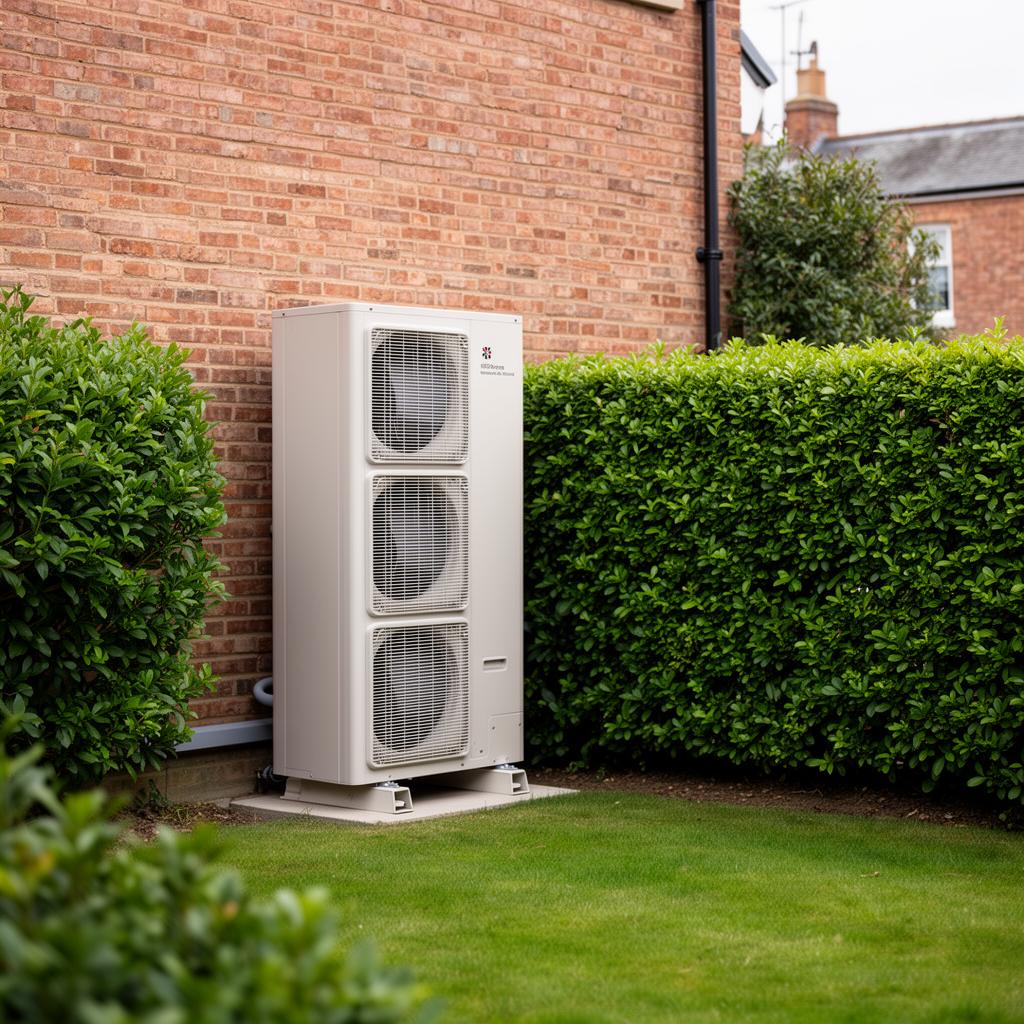
Getting the heat pump hot water cylinder right is essential for both comfort and efficiency. Heat pumps produce hot water differently from gas boilers, storing it at lower temperatures to maintain high efficiency while still meeting safety requirements. This guide covers the critical decisions around cylinder sizing, storage temperatures, legionella prevention, and the role of immersion heaters in a UK heat pump system.
What Size Hot Water Cylinder Do You Need for a Heat Pump?
| Household Size | Bedrooms | Recommended Cylinder Size |
|---|---|---|
| 1–2 people | 1–2 | 150–180 litres |
| 3–4 people | 2–3 | 200–250 litres |
| 4–5 people | 3–4 | 250–300 litres |
| 5+ people | 4+ | 300–400 litres |
Heat pumps heat water more slowly than gas boilers, so a larger cylinder is essential to ensure you never run out. The cylinder must also have a heat pump-rated coil — at least 1.5 square metres of surface area — to transfer heat efficiently at the lower flow temperatures a heat pump produces. To prevent Legionella bacteria, most systems run a weekly pasteurisation cycle heating the cylinder to 60°C using a backup immersion element.
Why Heat Pumps Store Hot Water at 48-52C
A gas boiler heats water to 60-65C in a standard cylinder because it can produce these temperatures easily and efficiently. A heat pump can reach these temperatures, but doing so significantly reduces its efficiency. The COP drops from approximately 3.5-4.0 at 50C to approximately 2.0-2.5 at 65C.
For this reason, heat pump systems typically maintain the heat pump hot water cylinder at 48-52C during normal operation. This temperature is hot enough for comfortable showers and baths (mixed with cold water at the tap to approximately 38-42C) while keeping the heat pump operating in its efficient range.
The difference in efficiency is substantial. Heating a 200-litre cylinder from 10C to 50C uses approximately 9.3kWh of heat. At a COP of 3.5, this requires 2.7kWh of electricity (66p). Heating the same cylinder to 65C requires 12.8kWh of heat, and at a COP of 2.2, this needs 5.8kWh of electricity (£1.42). The higher temperature costs more than double to achieve.
| Cylinder Temperature | Heat Required (200L) | Heat Pump COP | Electricity Used | Cost (24.5p/kWh) |
|---|---|---|---|---|
| 50C | 9.3kWh | 3.5 | 2.7kWh | £0.66 |
| 55C | 10.5kWh | 3.0 | 3.5kWh | £0.86 |
| 60C | 11.6kWh | 2.5 | 4.6kWh | £1.13 |
| 65C | 12.8kWh | 2.2 | 5.8kWh | £1.42 |
Legionella Pasteurisation: The 60C Requirement
Legionella bacteria can multiply in stored water at temperatures between 20C and 45C, with the fastest growth occurring at 35-40C. Temperatures above 60C kill legionella bacteria, while temperatures below 20C inhibit growth. Since heat pump cylinders store water in the 48-52C range, which is close to the upper limit of the risk zone, a regular pasteurisation cycle is required.
The pasteurisation cycle, sometimes called a legionella cycle or hygiene cycle, heats the entire cylinder to 60C or above at regular intervals. Most heat pump systems are programmed to run this cycle once per week, typically during off-peak electricity hours to minimise cost.
During the pasteurisation cycle, the heat pump operates at its maximum flow temperature (55-75C depending on the model) to heat the cylinder. For heat pumps that cannot reach 60C (some lower-temperature models), the immersion heater takes over to boost the cylinder to the required pasteurisation temperature.
The pasteurisation cycle adds approximately 2-4kWh of electricity per week to running costs (50p-£1.00), which amounts to roughly £25-£50 per year. This is a necessary safety cost that should be factored into heat pump running cost estimates.
Immersion Heater Backup: When and Why It Activates
Almost all heat pump hot water cylinder installations include an electric immersion heater as a backup. The immersion heater serves several purposes:
Legionella pasteurisation: As described above, the immersion heater boosts cylinder temperature to 60C+ when the heat pump cannot reach this temperature efficiently or at all.
Emergency backup: If the heat pump develops a fault, the immersion heater provides hot water until repairs are completed. This is similar to a combi boiler providing hot water even if the heating function fails.
Peak demand: If the household draws more hot water than the cylinder can supply and the heat pump cannot reheat quickly enough, the immersion heater can provide a rapid top-up. This is less common with correctly sized cylinders but can occur during periods of unusually high demand.
The immersion heater operates at a COP of 1.0 (one unit of electricity produces one unit of heat), which is three to four times less efficient than the heat pump. Minimising immersion heater use is important for keeping running costs low. A well-configured system should use the immersion heater only for weekly pasteurisation cycles and genuine emergencies.
Check your system settings to ensure the immersion heater is not configured as the primary water heating method. Some poorly commissioned systems default to immersion heating, which dramatically increases electricity bills. If your immersion heater is running daily, ask your installer to review and correct the settings.
Thermostatic Mixing Valves: Safety at the Tap
A thermostatic mixing valve (TMV) is fitted to the hot water outlet of the cylinder to limit the temperature of water delivered to taps and showers. This is a safety requirement under Building Regulations Part G, which limits hot water at the tap to a maximum of 48C in bathrooms to prevent scalding.
The TMV blends stored hot water with cold mains water to deliver a consistent, safe temperature at the outlet. Even when the cylinder is heated to 60C during a pasteurisation cycle, the TMV ensures that the water reaching taps does not exceed the safe limit.
For heat pump systems that normally store water at 48-52C, the TMV still has an important role. During pasteurisation cycles and during any period when the cylinder is above 48C, the valve prevents scalding. The TMV is a standard component in any competent heat pump installation and costs approximately £50-£100 for the valve and fitting.
Heat Pump Hot Water Cylinder Sizing Guide
Cylinder sizing for a heat pump system is more critical than for a gas boiler because the heat pump reheats the cylinder more slowly. A gas boiler can reheat a cylinder in 20-30 minutes, while a heat pump typically takes 1-3 hours to fully reheat from cold. This means the cylinder must be large enough to meet peak demand without running out.
| Household Size | Recommended Cylinder Size | Daily Hot Water Use |
|---|---|---|
| 1-2 people | 150-180 litres | 80-120 litres |
| 2-3 people | 180-210 litres | 120-170 litres |
| 3-4 people | 210-250 litres | 150-200 litres |
| 4-5 people | 250-300 litres | 200-260 litres |
| 5+ people | 300+ litres | 250+ litres |
The general guideline is 50-60 litres per person, which is larger than the 40-45 litres per person recommended for gas boiler systems. The additional volume compensates for the lower storage temperature and slower reheat rate.
If you have a bath that requires 80-100 litres of hot water, your cylinder must be large enough to supply this plus any other simultaneous demand (someone running a tap in the kitchen, for example). A 210-250 litre cylinder handles this comfortably for a typical family home.
Why You Cannot Use Your Existing Gas Boiler Cylinder
Most existing hot water cylinders in UK homes are designed for gas boilers and are not suitable for heat pump use. The key difference is the coil. A gas boiler cylinder typically has a small coil because the boiler delivers very hot water (70-80C) at a high flow rate, transferring heat quickly. A heat pump delivers cooler water (48-55C) at a lower flow rate, requiring a much larger coil surface area for effective heat transfer.
Heat pump-specific cylinders have coils that are approximately 2-3 times larger than standard cylinders. If you use a standard cylinder with a heat pump, the result is extremely slow reheat times (4-6 hours instead of 1-3 hours) and poor energy transfer, which forces the heat pump to work harder and reduces overall efficiency.
Recommended cylinder brands for UK heat pump installations include:
- Telford Tempest: Purpose-built heat pump cylinders in 150-300 litre sizes, competitively priced at £500-£900
- Mixergy: Smart cylinders with top-down heating that heats only the water needed, improving efficiency. Cost £1,200-£2,000
- Vaillant uniSTOR/uniTOWER: Designed specifically for Vaillant heat pumps with optimised coil sizing. Cost £1,500-£3,000
- Joule: Widely available heat pump cylinders in standard and slim formats. Cost £600-£1,200
- OSO: Norwegian manufacturer with high-quality stainless steel cylinders. Cost £1,000-£2,000
Optimising Hot Water Heating Schedules
How you schedule hot water heating affects both comfort and running costs. The key principles for heat pump systems are:
Heat once or twice daily: Most heat pump systems work best when the cylinder is heated to target temperature once in the early morning (before the household wakes) and optionally topped up in the early afternoon. Avoid continuous reheating throughout the day, as each reheat cycle requires the heat pump to switch from space heating to water heating mode.
Use off-peak electricity: If you are on a time-of-use tariff (such as Octopus Go or Economy 7), schedule hot water heating during the cheapest rate period. This can reduce hot water costs by 30-50% compared to peak-rate heating.
Do not overheat: Setting the cylinder target to 52C rather than 60C saves approximately £150-£250 per year in electricity costs while still providing perfectly adequate hot water for all household uses. The weekly pasteurisation cycle handles legionella safety.
Coordinate with solar panels: If you have solar panels, schedule a midday hot water boost to take advantage of solar generation. Many heat pump controllers can be configured to heat the cylinder when excess solar electricity is available, effectively providing free hot water during sunny periods.
Combining efficient hot water management with good home insulation creates the lowest possible running costs for your heat pump system. Request a free quote to get a properly specified system including the right cylinder for your household.
Frequently Asked Questions
Will a heat pump provide enough hot water for my family?
Yes, with a correctly sized cylinder. A 210-250 litre cylinder is sufficient for a 3-4 person household with a bath and multiple showers per day. The key is sizing the cylinder generously to account for the slower reheat rate compared to a gas boiler. Running out of hot water is almost always a symptom of an undersized cylinder, not a heat pump limitation.
Is 50C hot enough for a comfortable shower?
Yes. Most people shower at 38-42C, so water stored at 50C is mixed with cold water at the shower valve to reach the desired temperature. At 50C storage, a 200-litre cylinder provides approximately 300 litres of shower-temperature water when mixed, which is more than enough for multiple showers.
How often should the legionella cycle run?
The standard recommendation is once per week, heating the entire cylinder to 60C for at least one hour. This is the frequency recommended by the Health and Safety Executive and is programmed into most heat pump controllers as a default. Do not disable this cycle as it is essential for water safety.
Can I use a combi heat pump without a cylinder?
Some heat pump manufacturers offer models with instantaneous hot water capability, but these are rare in the UK market and generally less efficient than cylinder-based systems. The vast majority of UK heat pump installations use a stored hot water cylinder. A cylinder is recommended for the best balance of efficiency, capacity, and reliability.
How much does a heat pump hot water cylinder cost?
Heat pump-specific cylinders cost between £500 and £2,000 depending on the brand, capacity, and features. Budget options from Telford and Joule start at £500-£900, while premium smart cylinders from Mixergy cost £1,200-£2,000. Installation adds approximately £300-£600 to the cylinder cost.
See what these numbers mean for your home
Free instant estimate — costs, savings, payback and grants for your region.

Related Articles
Heat Pump Installation Costs in 2026: The Real Numbers
Heat pumps are now the default replacement for gas boilers in UK government policy, but the question most homeowners ask first is always the same: how much does it actually…
28 May 2026
Infrared Panels vs Heat Pumps: Which Heating System Is Right for Your Home?
Comparing infrared panels vs heat pumps across cost, efficiency, running expenses, and grant eligibility. This guide helps UK homeowners choose the right low-carbon heating system for their property.
8 May 2026
Renewable Heating vs Gas Boiler: An Honest Cost and Comfort Comparison
An honest comparison of heat pumps, biomass and solar thermal against gas boilers on cost, comfort, maintenance, grants and carbon savings for UK homes.
8 May 2026