Heat Pump Flow Temperatures and Radiator Sizing: The Complete Guide
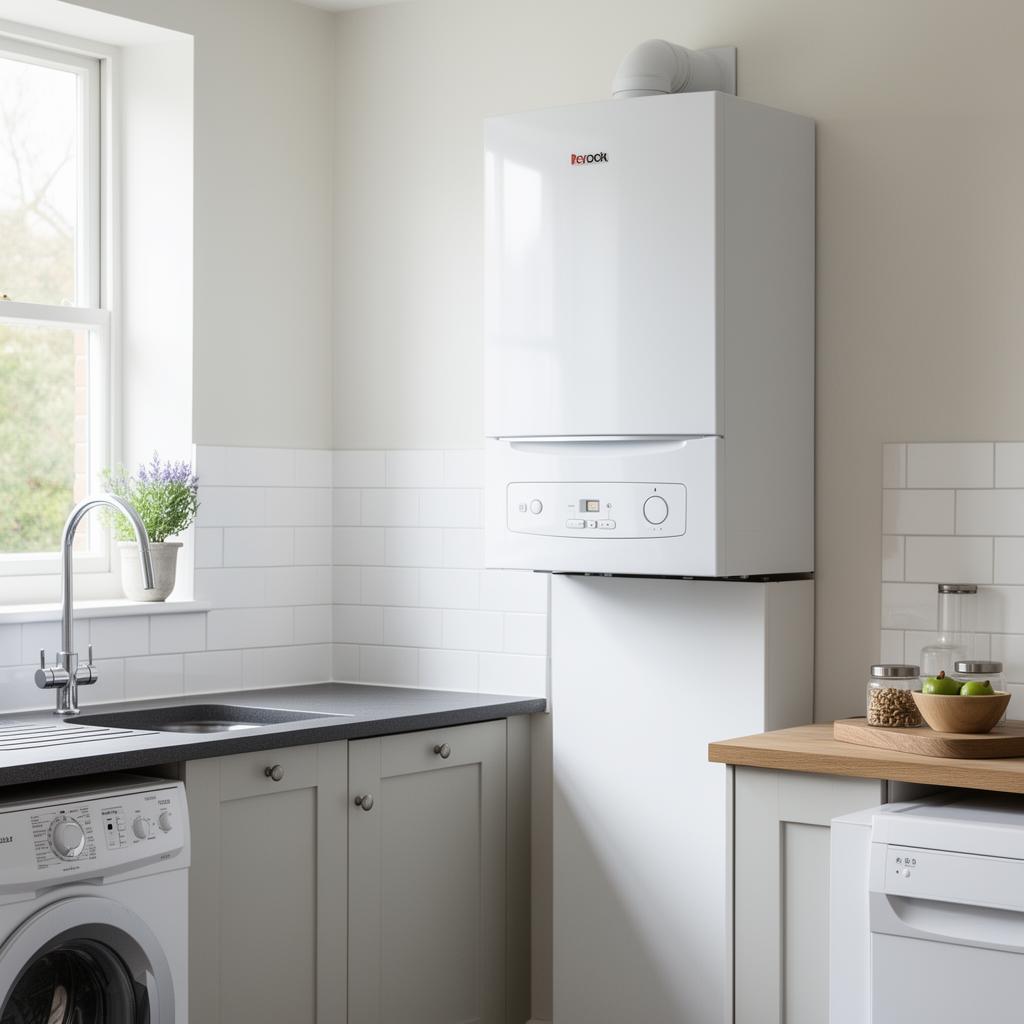
Understanding heat pump radiator sizing UK is one of the most important aspects of getting a heat pump installation right. Gas boilers push water around radiators at 70-80C, but heat pumps operate most efficiently at much lower temperatures of 35-55C. This fundamental difference means that radiators designed for a boiler often need to be larger to deliver the same amount of heat at lower flow temperatures. Get this wrong, and your home will be either too cold or your heat pump will run inefficiently at unnecessarily high temperatures.
Why Heat Pumps Run at Lower Flow Temperatures
A heat pump’s efficiency is directly linked to the temperature difference between the heat source (outdoor air or ground) and the heat delivery temperature (flow temperature to radiators). The smaller this temperature difference, the less work the compressor has to do, and the higher the COP.
At 35C flow temperature, a typical air source heat pump achieves a COP of approximately 4.0-4.5, meaning it delivers 4-4.5 units of heat for every unit of electricity consumed. At 55C flow temperature, the same unit achieves a COP of approximately 2.5-3.0. The difference is enormous: running at 55C instead of 35C increases electricity consumption by approximately 40-60% for the same heat output.
| Flow Temperature | Typical COP | Cost per kWh of Heat | Annual Cost (12,000kWh) |
|---|---|---|---|
| 35C | 4.2 | 5.8p | £700 |
| 40C | 3.7 | 6.6p | £795 |
| 45C | 3.3 | 7.4p | £891 |
| 50C | 3.0 | 8.2p | £980 |
| 55C | 2.7 | 9.1p | £1,089 |
| 70C (gas boiler) | 0.92 | 7.3p | £882 |
This table reveals an important insight: a heat pump running at 55C costs more to operate than a gas boiler per unit of heat. Only at flow temperatures below approximately 50C does the heat pump start to deliver clear running cost advantages over gas. This is why correct radiator sizing is not just about comfort but about the financial viability of the entire system.
The 2.4x Radiator Upsizing Factor at 45C Flow
Radiator output is rated by manufacturers at a standard condition called Delta T 50 (DT50), which assumes a flow temperature of 75C, a return temperature of 65C, and a room temperature of 20C. When you reduce the flow temperature, the radiator output drops significantly because the temperature difference between the radiator surface and the room air is smaller.
The correction factors for common heat pump flow temperatures are:
| Flow Temperature | Delta T | Output vs DT50 Rating | Upsizing Factor |
|---|---|---|---|
| 75C (gas boiler) | DT50 | 100% | 1.0x |
| 55C | DT30 | 52% | 1.9x |
| 50C | DT25 | 42% | 2.4x |
| 45C | DT20 | 33% | 3.0x |
| 40C | DT15 | 23% | 4.3x |
| 35C | DT10 | 15% | 6.7x |
At a 45C flow temperature (a common target for heat pump radiator sizing UK systems), a radiator delivers only 33% of its DT50 rated output. This means you need a radiator approximately 3 times larger to deliver the same heat as the original. At 50C, the factor is approximately 2.4x, which is the most commonly referenced upsizing figure and represents a practical compromise between efficiency and radiator size.
Do All Radiators Need Replacing?
Not necessarily. A room-by-room heat loss calculation determines how much heat each room needs. If the existing radiator, even at reduced output at lower flow temperatures, still delivers enough heat to meet the room’s demand, it does not need replacing.
In practice, many UK homes have oversized radiators that were specified with generous safety margins by the original installer. A room needing 800W of heat may have a radiator rated at 1,500W at DT50. At 45C flow (DT20), that radiator still delivers approximately 500W, which may be close to or above what the room needs if insulation has been improved.
The rooms most likely to need radiator upgrades are:
- Living rooms with large windows and high heat loss
- Bedrooms with the smallest existing radiators
- Bathrooms where towel rails replace conventional radiators
- Rooms with north-facing external walls that have higher heat loss
A competent installer will calculate the heat loss for every room and compare it to the output of the existing radiator at the target flow temperature. Only radiators that cannot meet the room’s heat demand need replacing. In a typical UK home, 2-5 radiators may need upsizing, costing approximately £200-£500 per radiator including installation.
Low-Temperature Radiator Options
Several radiator types are specifically designed for heat pump systems and deliver higher output at low flow temperatures:
Double panel, double convector (Type 22) radiators: The most common upgrade choice. These have two panels and two sets of convector fins, roughly doubling the output of a single panel radiator in the same wall space. They are widely available and cost £100-£400 depending on size.
Triple panel radiators (Type 33): These add a third panel and fin set, further increasing output. They are deeper than Type 22 radiators (approximately 160mm vs 100mm) but deliver approximately 50% more output in the same height and width. Cost is £200-£600.
Fan-assisted radiators (fan coil units): These incorporate a small fan that increases air movement across the radiator surface, dramatically improving heat transfer at low flow temperatures. They can deliver 3-5 times the output of a conventional radiator of the same size at 40C flow temperature. Brands include Jaga, Brugman, and Stelrad. Cost is £400-£1,000 per unit, and they require an electrical connection and produce a low level of fan noise.
Low-temperature aluminium radiators: Aluminium heats up and responds more quickly than steel, making these radiators slightly more responsive at low temperatures. They are lighter and often more contemporary in design. Cost is £200-£700 per unit.
When Underfloor Heating Makes More Sense
Underfloor heating (UFH) is the ideal heat emitter for heat pumps because it operates at the lowest flow temperatures of 25-40C, where heat pump efficiency is highest. The large surface area of the floor provides gentle, even heat distribution at flow temperatures that maximise COP.
Retrofit underfloor heating is more practical than many homeowners assume:
Wet UFH systems use warm water pipes embedded in or laid on top of the floor. Retrofit options include overlay systems that add only 15-25mm to the floor height, making them suitable for renovations without major structural work. Costs range from £40-£80 per square metre installed.
Ground floor only is a common compromise in retrofit situations. Installing UFH on the ground floor (living room, kitchen, hallway) and retaining or upsizing radiators on the upper floors provides a good balance of efficiency and practicality. The ground floor accounts for approximately 50-60% of a typical home’s heating requirement.
In new builds, underfloor heating is strongly recommended and adds only £2,000-£5,000 to the build cost compared to radiators. The efficiency improvement over the 20-year lifespan of the heat pump typically saves £4,000-£8,000 in running costs, making it a financially sound investment.
Mixed Systems: Radiators and Underfloor Heating Together
Many heat pump radiator sizing UK installations end up with a mixed system: underfloor heating on the ground floor and radiators upstairs. This requires careful system design because the two circuits need different flow temperatures.
The solution is a mixing valve on the underfloor heating circuit that blends return water with flow water to reduce the temperature delivered to the UFH. The heat pump sends water at the higher temperature needed for the radiators (e.g., 45C), and the mixing valve reduces this to the 30-35C needed for the UFH.
This arrangement is less efficient than running the entire system at low UFH temperatures, because the heat pump must produce the higher radiator temperature. However, it is still significantly better than a radiator-only system at 50-55C. The practical compromise of running at 42-45C for upstairs radiators while mixing down to 32-35C for downstairs UFH is a common and effective approach.
Each zone should have its own weather compensation curve set appropriately for the heat emitter type. Your installer should configure separate curves for the radiator and UFH circuits during commissioning.
How to Determine Your Ideal Flow Temperature
The ideal flow temperature for your home depends on the balance between your heat emitters’ capacity and your rooms’ heat demand. Here is a practical approach:
- Step 1: Get a room-by-room heat loss calculation from your installer
- Step 2: Calculate each radiator’s output at various flow temperatures using the manufacturer’s correction factors
- Step 3: Identify which rooms cannot be adequately heated at the target flow temperature
- Step 4: Decide whether to upsize those radiators or accept a slightly higher flow temperature
- Step 5: Aim for the lowest flow temperature that adequately heats every room during the coldest expected weather
For most UK homes with a mix of existing radiators and some upgrades, a design flow temperature of 45C represents a good balance between efficiency, radiator cost, and reliable heating. Well-insulated homes or those with generous existing radiators may achieve 40C. Poorly insulated homes may need to accept 50-55C until insulation is improved.
Improving wall and loft insulation and upgrading to double glazing reduces each room’s heat demand, potentially allowing lower flow temperatures without any radiator changes. This is why energy efficiency advisors recommend an insulation-first approach before heat pump installation.
To get a detailed assessment of your radiators and flow temperature requirements, request a free survey from an MCS-certified heat pump installer.
Frequently Asked Questions
Can I keep my existing radiators with a heat pump?
In many cases, yes. The key is whether your existing radiators can deliver enough heat at the heat pump’s design flow temperature. Some radiators will be adequately sized, while others may need upsizing. A proper heat loss survey and radiator output calculation will determine exactly which radiators need replacing. Typically, 2-5 radiators need upgrading in a standard UK home.
What flow temperature should a heat pump run at?
The ideal is the lowest temperature that keeps every room at the desired temperature during cold weather. For underfloor heating, this is typically 30-40C. For radiators, 40-50C depending on their size and the home’s insulation. Most installers design for a maximum of 45-50C on the coldest days, with weather compensation reducing this in milder conditions.
How much does it cost to upsize radiators for a heat pump?
Individual radiator upgrades cost approximately £200-£500 per radiator including supply and installation. For a typical UK home needing 3-5 radiator upgrades, the total cost is £600-£2,500. Fan-assisted radiators cost more at £400-£1,000 each but deliver much higher output in compact sizes.
Are fan coil radiators noisy?
Modern fan coil units produce approximately 25-35dB of fan noise, which is comparable to a quiet conversation. Most homeowners find the noise unobtrusive, particularly in living areas where background noise is already present. For bedrooms, conventional oversized radiators may be preferred to avoid any fan noise during sleep.
Is underfloor heating essential for a heat pump?
No, but it is the most efficient option. Thousands of UK heat pump installations work well with radiators alone. The key is correct radiator sizing for the design flow temperature. If your existing radiators are adequate or you are willing to upsize where necessary, underfloor heating is not required. For new builds, UFH is strongly recommended due to the modest additional cost and significant efficiency benefits.
See what these numbers mean for your home
Free instant estimate — costs, savings, payback and grants for your region.

Related Articles

Heat Pump Installation Costs in 2026: The Real Numbers
Heat pumps are now the default replacement for gas boilers in UK government policy, but the question most homeowners ask first is always the same: how much does it actually…
28 May 2026
Infrared Panels vs Heat Pumps: Which Heating System Is Right for Your Home?
Comparing infrared panels vs heat pumps across cost, efficiency, running expenses, and grant eligibility. This guide helps UK homeowners choose the right low-carbon heating system for their property.
8 May 2026
Renewable Heating vs Gas Boiler: An Honest Cost and Comfort Comparison
An honest comparison of heat pumps, biomass and solar thermal against gas boilers on cost, comfort, maintenance, grants and carbon savings for UK homes.
8 May 2026