Do You Need a Buffer Tank With Your Heat Pump?
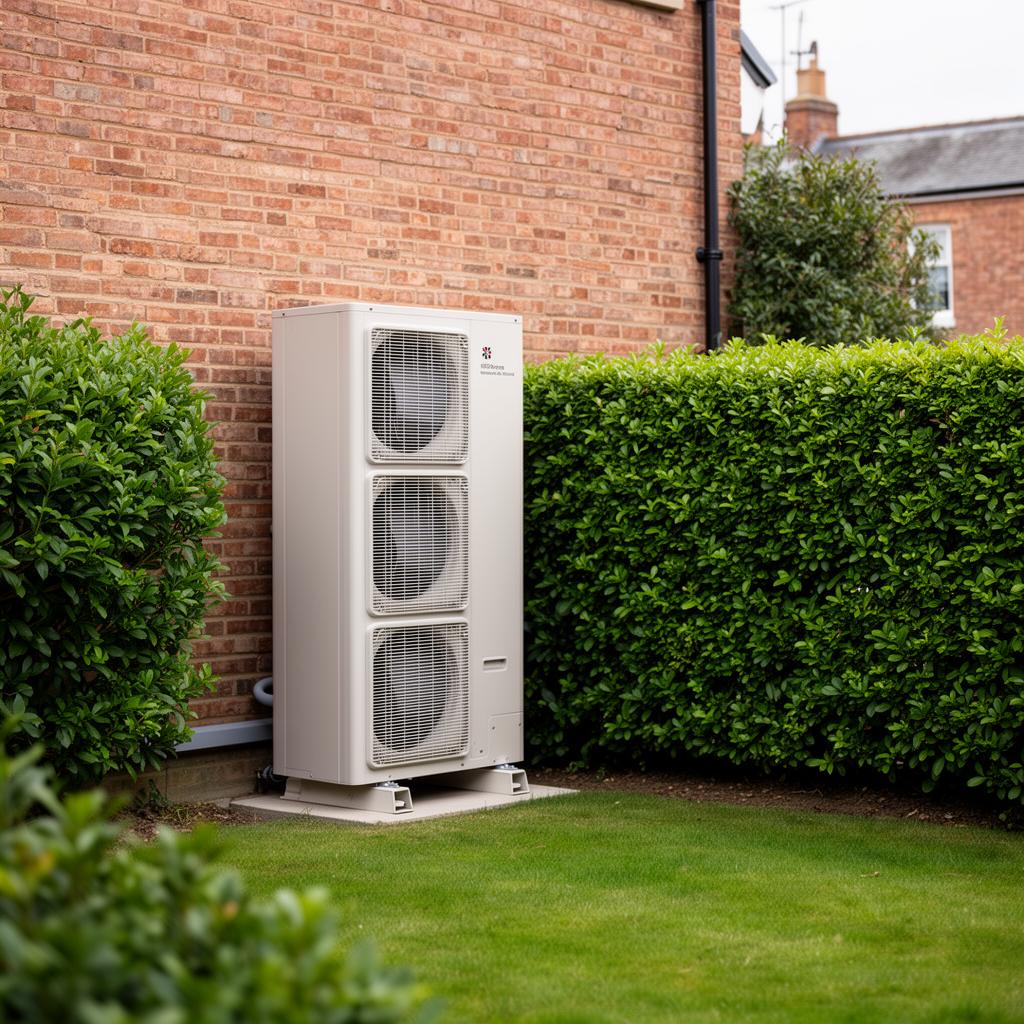
The question of whether you need a heat pump buffer tank UK is one of the most debated topics in the heat pump installation world. Some installers fit them as standard, others avoid them whenever possible, and the answer genuinely depends on your specific system design. This guide cuts through the conflicting advice and explains exactly what buffer tanks do, when they are essential, when they are unnecessary, and how to size one correctly if you do need it.
Do You Need a Buffer Tank With a Heat Pump?
No, most domestic heat pump installations do not require a buffer tank. A buffer tank is only needed when the system has low water volume — typically below 10 litres per kW of heat pump output — which can cause short cycling and reduce efficiency. This most commonly occurs in systems with underfloor heating only, very few radiators, or where individual room thermostats close off most zones simultaneously.
If your installer has designed the system with adequately sized radiators across multiple zones and the total water volume exceeds the minimum threshold, a buffer tank adds unnecessary cost (£500–£1,200 installed) and takes up space. However, if your heat pump short cycles — running for less than 10 minutes before switching off — adding a buffer tank of 30–80 litres can improve efficiency by 10–15% and extend compressor life significantly.
What Is a Buffer Tank and What Does It Do?
A buffer tank is simply an insulated water vessel, typically 30-200 litres in capacity, that sits between the heat pump and the heating circuit. It stores a volume of heated water that acts as a thermal buffer between the heat pump’s output and the home’s heat demand.
The buffer tank serves three main functions:
1. Preventing short cycling: Short cycling occurs when the heat pump turns on and off frequently because the heating demand is lower than the heat pump’s minimum output. Each start-up consumes extra energy and causes mechanical wear on the compressor. The buffer tank absorbs excess heat, allowing the heat pump to run for longer periods at lower output rather than cycling.
2. Supporting defrost cycles: During a defrost cycle, the heat pump temporarily reverses its operation and draws heat from the heating circuit. Without a buffer tank, this draws heat directly from the radiators or underfloor heating, causing a noticeable temperature dip in the home. The buffer tank provides a reservoir of warm water that supplies the defrost cycle without affecting room temperatures.
3. Managing zone valves and TRVs: If multiple thermostatic radiator valves (TRVs) or zone valves close simultaneously, the heat pump can find itself pushing water against closed valves with very low flow. A buffer tank ensures there is always an open circuit for the heat pump to circulate water through, preventing high-pressure faults.
When a Buffer Tank Is Essential
A heat pump buffer tank UK installation is strongly recommended or essential in the following situations:
Radiator systems with many TRVs: If your home has thermostatic radiator valves that can independently close, there will be times when most valves are shut (e.g., on mild days or when only one room needs heat). Without a buffer, the heat pump has nowhere to send its output. A buffer tank ensures the heat pump always has an adequate water volume to heat.
Zoned heating systems: Homes with separate upstairs and downstairs zones controlled by motorised zone valves can leave the heat pump with only half the system volume when one zone satisfies. A buffer prevents the heat pump from short cycling when only one zone is calling for heat.
Small properties with low heat demand: A well-insulated flat or small house may have a heat demand as low as 2-3kW on mild winter days, but the smallest heat pump available is typically 3.5-5kW. The buffer absorbs the excess output, preventing short cycling.
On/off heat pumps (non-inverter): Older or budget heat pumps without inverter technology run at a fixed output and rely on cycling to match demand. These units benefit significantly from buffer tanks. Modern inverter heat pumps can modulate their output to match demand, reducing but not eliminating the need for a buffer.
Systems where defrost comfort is a priority: If your home is sensitive to the temperature dips caused by defrost cycles (perhaps due to large areas of glazing or minimal thermal mass), a buffer tank smooths out these fluctuations.
When a Buffer Tank Is Unnecessary
Not every installation needs a buffer tank, and fitting one unnecessarily adds cost, takes up space, and introduces a small efficiency penalty from standby heat losses. A buffer is typically unnecessary when:
The system has underfloor heating throughout: Underfloor heating has a large water volume and thermal mass built into the floor slab. The floor itself acts as a massive thermal buffer, absorbing and releasing heat gradually. Adding a separate buffer tank to a UFH-only system is usually redundant.
The system has no TRVs or zone valves: If all radiators are permanently open (controlled only by the room thermostat and the heat pump’s weather compensation), the full system volume is always available and the risk of short cycling from closed circuits is eliminated.
The heat pump has good modulation range: Premium inverter heat pumps from brands like Vaillant, Samsung, and Nibe can modulate down to 25-30% of their rated output. A 6kW unit that can modulate down to 1.5kW can match the heat demand of most homes on mild days without short cycling, reducing the need for a buffer.
The system volume is already large: A system with many large radiators and long pipe runs already contains a significant water volume that provides natural buffering. If the total system volume exceeds approximately 20-25 litres per kW of heat pump capacity, an additional buffer is often unnecessary.
The 25-Litres-Per-kW Sizing Rule
The most widely used buffer tank sizing guideline is 25 litres per kW of heat pump capacity. This means:
| Heat Pump Size | Minimum Buffer Volume | Common Tank Size |
|---|---|---|
| 5kW | 125 litres | 100-150 litres |
| 7kW | 175 litres | 150-200 litres |
| 9kW | 225 litres | 200 litres |
| 12kW | 300 litres | 200-300 litres |
This rule ensures the heat pump has enough water volume to run for a reasonable period before the buffer reaches temperature and the unit needs to cycle off. The 25 litres per kW figure provides approximately 3-5 minutes of minimum run time at full output, which is generally sufficient to prevent damaging short cycling.
However, this is a guideline, not an absolute rule. If the existing system volume (radiators plus pipework) already provides significant buffering, the required additional buffer tank size is reduced. A system with 80 litres of existing volume and a 6kW heat pump needs only an additional 70 litres of buffer to reach the 150-litre target, so a small 100-litre tank would be adequate.
Some manufacturers have their own recommendations that differ from the 25 litres per kW guideline. Always check the specific requirements for your chosen heat pump brand, as some models have built-in controls that manage short cycling differently and may need smaller or larger buffer volumes.
Buffer Tank Types: 2-Pipe vs 4-Pipe
Buffer tanks come in two main configurations that affect how they integrate with the heating system:
2-pipe (series) buffer tanks are plumbed in line with the heating circuit. The heat pump heats the buffer, and the heating circuit draws from the same tank. This is simpler and cheaper to install but means the heat pump and heating circuit share the same flow rate. It works well for straightforward systems without multiple zones.
4-pipe (parallel) buffer tanks have separate connections for the heat pump circuit and the heating circuit. This allows the heat pump and the heating distribution to operate independently with different flow rates and pumps. It provides better control, particularly in zoned systems, and is the preferred configuration for most professional installations. The downside is higher cost and more complex pipework.
For most UK domestic installations, a 4-pipe buffer tank is recommended because it provides the most flexibility and best performance. The additional cost over a 2-pipe setup is typically £100-£300 for the tank and fittings, which is modest in the context of the overall installation.
Costs of Adding a Buffer Tank
A buffer tank adds to the installation cost, but the amounts are relatively modest:
| Component | Cost Range |
|---|---|
| Buffer tank (100-200 litres) | £200-£600 |
| Installation labour (pipework, fittings) | £200-£500 |
| Additional pump (if 4-pipe) | £100-£250 |
| Insulation and mounting | £50-£150 |
| Total additional cost | £550-£1,500 |
The buffer tank also requires physical space, typically in the same location as the hot water cylinder (airing cupboard, utility room, or garage). A 150-litre buffer tank is approximately 500mm diameter and 1,000mm tall. In smaller homes where space is limited, this can be a significant consideration.
Some combined buffer and hot water cylinders are available that integrate both functions into a single unit, saving space and reducing installation complexity. These are more expensive than separate components but can be a practical solution for space-constrained properties.
What Your Installer Should Recommend
A competent installer should make a buffer tank recommendation based on a thorough assessment of your specific system, not a blanket rule. They should consider:
- The heat pump’s modulation range and minimum output
- The total system water volume (radiators, pipework, UFH)
- The number of zones and TRVs in the heating circuit
- Your home’s thermal mass and insulation levels
- Whether defrost cycle comfort is a concern
- The available physical space for a buffer tank
Be wary of installers who always include a buffer tank without explanation (potentially padding the quote) or who never include one (potentially cutting corners). Ask your installer to explain their reasoning for including or excluding a buffer, and ensure it is based on your system’s specific requirements.
If you are unsure about your installer’s recommendation, get a second quote from another MCS-certified installer and compare their system designs. The buffer tank decision is a useful indicator of an installer’s technical understanding and attention to detail.
Frequently Asked Questions
Does a buffer tank reduce heat pump efficiency?
A buffer tank introduces a small standby heat loss of approximately 0.5-1.5kWh per day depending on the tank size and insulation quality. Over a heating season, this adds approximately £20-£50 to running costs. However, by preventing short cycling and enabling more efficient operation, a correctly specified buffer tank typically improves overall system efficiency despite this small loss.
Is a buffer tank the same as a hot water cylinder?
No. A buffer tank stores water for the heating circuit (radiators and underfloor heating) and does not supply domestic hot water. A hot water cylinder stores water for taps and showers. They are separate components with different roles, though combined units that serve both functions are available.
Can I add a buffer tank to my existing heat pump system?
Yes. If your heat pump is short cycling or you experience temperature fluctuations during defrost cycles, a buffer tank can be added retrospectively. The cost is approximately £550-£1,500 including installation. Your installer will need to drain the system, install the tank, and recommission the heat pump to work with the additional volume.
What size buffer tank do I need for a 7kW heat pump?
Using the 25 litres per kW guideline, a 7kW heat pump needs approximately 175 litres of total system volume. If your existing radiators and pipework contain 60-80 litres, an additional buffer tank of 100-150 litres would bring the total to the recommended level. A 150-litre tank is the most commonly specified size for this capacity range.
Do Vaillant and Samsung heat pumps need buffer tanks?
Both brands have good inverter modulation ranges that reduce the need for buffer tanks in many installations. Vaillant can modulate down to approximately 30% of rated output, and Samsung offers similar capability. However, both manufacturers still recommend buffer tanks for zoned systems, small system volumes, or installations with many TRVs. Your installer should assess the specific requirements of your system.
See what these numbers mean for your home
Free instant estimate — costs, savings, payback and grants for your region.

Related Articles
Heat Pump Installation Costs in 2026: The Real Numbers
Heat pumps are now the default replacement for gas boilers in UK government policy, but the question most homeowners ask first is always the same: how much does it actually…
28 May 2026
Infrared Panels vs Heat Pumps: Which Heating System Is Right for Your Home?
Comparing infrared panels vs heat pumps across cost, efficiency, running expenses, and grant eligibility. This guide helps UK homeowners choose the right low-carbon heating system for their property.
8 May 2026
Renewable Heating vs Gas Boiler: An Honest Cost and Comfort Comparison
An honest comparison of heat pumps, biomass and solar thermal against gas boilers on cost, comfort, maintenance, grants and carbon savings for UK homes.
8 May 2026