Heat Loss Calculations Explained: Why They Matter for Heat Pump Sizing
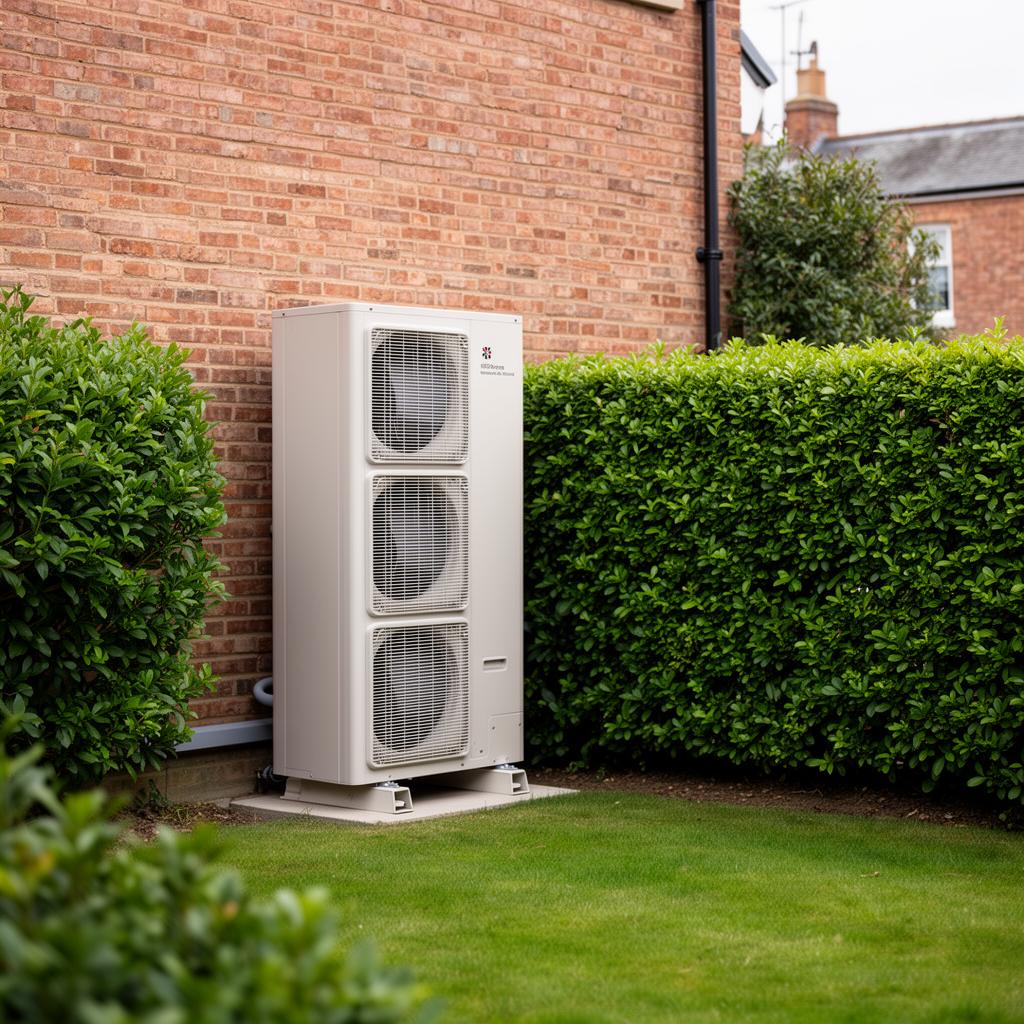
A proper heat loss calculation heat pump sizing process is the foundation of every successful installation. Get it right and your heat pump runs efficiently at low flow temperatures, keeping your home comfortable while minimising electricity costs. Get it wrong and you face either a system that cannot heat your home on cold days (undersized) or one that cycles inefficiently and wastes electricity (oversized). Yet despite being a mandatory MCS requirement, the quality of heat loss calculations varies enormously between installers, and some still resort to rule-of-thumb sizing that can be wildly inaccurate.
This guide explains what a heat loss calculation involves, how to estimate your needs, what size heat pump different properties typically require, and why insulation improvements can change the equation dramatically.
What Is a Heat Loss Calculation?
A heat loss calculation determines exactly how much heat your home loses to the outside environment at a given outdoor temperature. It accounts for heat escaping through walls, roof, floor, windows, doors, and ventilation, producing a figure in kilowatts (kW) that represents the maximum heating output your system needs to deliver.
For heat pump sizing, the calculation is performed at a design outdoor temperature, which for most of the UK is -3 degrees C (colder regions may use -5 degrees C). This represents a reasonably cold day, not the absolute coldest, ensuring the system meets demand for approximately 99% of heating hours in a typical year.
A room-by-room heat loss calculation is an MCS requirement for all heat pump installations. It produces individual heat loss figures for each room, which are then used to size radiators (or underfloor heating loops) as well as the overall heat pump capacity. The total of all room heat losses, plus an allowance for hot water, gives the total system capacity needed.
The Room-by-Room Survey Process
A thorough heat loss survey typically takes 2-4 hours for a 3-bed house and involves the following steps:
- Measuring every room – Length, width, and ceiling height of each room, including any bay windows, alcoves, or non-standard shapes
- Identifying wall construction – Solid brick, cavity (filled or unfilled), stone, timber frame, or insulated cavity. Each has a different U-value (thermal transmittance)
- Assessing window and door specifications – Single, double, or triple glazed; uPVC, timber, or aluminium frames; area of each window and door
- Evaluating roof and loft insulation – Depth and type of insulation, whether the loft is converted or unconverted
- Checking floor construction – Solid concrete or suspended timber, insulated or uninsulated, ground floor or upper floor
- Measuring ventilation – Type of ventilation system, extract fans, trickle vents, and estimated air change rate
- Noting room temperatures – Each room is assigned a target temperature (typically 21 degrees C for living rooms, 18 degrees C for bedrooms)
The surveyor enters all this data into specialist software (such as the MCS Heat Pump Calculator or third-party tools like Heat Engineer) that calculates the heat loss for each room and the total property. The software uses established U-values for each construction type and accounts for thermal bridging, orientation, and exposure.
Quick Estimate: The 0.05 kW Per Square Metre Rule
While a proper room-by-room calculation is always necessary for a final design, you can get a rough idea of your heat pump size using the 0.05 kW per square metre quick estimate for a reasonably insulated property. This gives you a ballpark figure before engaging installers:
| Property Type | Typical Floor Area | Quick Estimate (0.05 kW/m2) | Typical Actual Result |
|---|---|---|---|
| 2-bed terraced | 65-80 m2 | 3.3-4.0 kW | 3-5 kW |
| 3-bed semi-detached | 80-110 m2 | 4.0-5.5 kW | 5-8 kW |
| 3-bed detached | 100-130 m2 | 5.0-6.5 kW | 6-9 kW |
| 4-bed detached | 130-180 m2 | 6.5-9.0 kW | 8-12 kW |
| 5-bed period property | 180-280 m2 | 9.0-14.0 kW | 10-18 kW |
This quick estimate assumes reasonable insulation (cavity walls filled, 200mm+ loft insulation, double glazing). Poorly insulated properties can require 0.07-0.10 kW per square metre, while very well insulated homes may need only 0.03-0.04 kW per square metre. Never use a quick estimate as the basis for purchasing a heat pump; it is only useful for initial budgeting.
Why Most 3-Bed Homes Need a 6-8 kW Heat Pump
The most common heat pump size for UK 3-bed semi-detached and detached houses is 6-8 kW. This might seem small compared to a typical gas boiler output of 24-30 kW, but the comparison is misleading.
Gas boilers are massively oversized for the actual heat demand of most homes. A 24 kW combi boiler has that output primarily to deliver instant hot water, not because the house needs 24 kW of heating. The heating demand of a typical 3-bed semi is only 5-8 kW at the design outdoor temperature of -3 degrees C, and for most of the heating season (when outside temperatures are 5-10 degrees C), the actual demand is just 2-4 kW.
A heat pump is sized to meet the actual heating demand rather than the hot water peak. Hot water is handled by a stored cylinder that the heat pump heats gradually, removing the need for a high-output instant response. This is why a 6 kW heat pump can comfortably replace a 24 kW gas boiler in the same property.
The Dangers of Oversizing a Heat Pump
Oversizing is the more common error and arguably more damaging than undersizing. An oversized heat pump creates several problems:
- Short cycling – The system reaches the target temperature too quickly and shuts off, then restarts when the temperature drops. This stop-start cycling reduces the compressor lifespan and wastes energy on repeated start-up losses
- Higher purchase cost – A larger heat pump costs £1,000-£3,000 more than a correctly sized one
- Reduced efficiency – Heat pumps are most efficient when running continuously at low output. An oversized unit spends more time at minimum load or cycling, reducing the seasonal COP by 0.3-0.8
- Noise – A larger outdoor unit is noisier than a smaller one, even at minimum output
- Higher flow temperatures – An oversized system may run at higher flow temperatures than necessary, further reducing efficiency
A common cause of oversizing is installers using the old boiler size as a guide (“you have a 24 kW boiler, so you need a big heat pump”) rather than carrying out a proper heat loss calculation. Always insist on a room-by-room calculation.
The Dangers of Undersizing a Heat Pump
While less common, undersizing brings its own problems:
- Inadequate heating on cold days – The system runs at maximum output but cannot maintain target temperatures when the outdoor temperature drops below the design point
- High flow temperatures – The system compensates by running at maximum flow temperature, reducing efficiency
- Increased electricity consumption – Running at full capacity for extended periods uses more electricity than a correctly sized system running at moderate output
- Longer recovery times – If the house temperature drops (overnight setback or after being away), the system takes much longer to recover
- Customer dissatisfaction – Cold rooms and an inability to reach comfortable temperatures is the most common complaint from undersized installations
Undersizing typically occurs when the heat loss calculation underestimates air infiltration, ignores thermal bridging, or uses optimistic insulation assumptions. A conservative but accurate calculation is always preferable to an optimistic one.
How Insulation Improvements Reduce Heat Pump Size
One of the most powerful strategies for reducing heat pump cost and improving efficiency is to address insulation before installation. Every insulation improvement reduces the heat loss calculation, potentially allowing a smaller (and cheaper) heat pump:
- Loft insulation to 300mm – Reduces roof heat loss by up to 45%, typically saving 0.5-1.5 kW from the heat pump size
- Cavity wall insulation – Reduces wall heat loss by up to 35%, typically saving 1-3 kW
- Floor insulation – Reduces floor heat loss by up to 20%, typically saving 0.3-0.8 kW
- Upgrading to double or triple glazing – Reduces window heat loss by up to 50-70%, typically saving 0.5-2 kW
- Draught proofing – Reduces ventilation heat loss by up to 25%, typically saving 0.3-1.0 kW
In a poorly insulated 3-bed semi with an estimated heat loss of 10 kW, a comprehensive insulation programme costing £3,000-£5,000 could reduce the heat loss to 6-7 kW. This allows a smaller 6 kW heat pump instead of a 10 kW unit, saving £1,500-£3,000 on the heat pump itself, plus lower running costs every year. The insulation pays for itself twice: once through the cheaper heat pump and again through reduced electricity bills.
Combining new glazing with wall and loft insulation can transform a poorly performing property into one that is ideally suited for a heat pump. Get a free quote to find out what heat pump size your property needs and whether insulation improvements could reduce the cost.
Frequently Asked Questions
How long does a heat loss calculation take?
A thorough room-by-room heat loss survey takes 2-4 hours for a typical 3-bed house. Larger or more complex properties may take longer. The surveyor needs access to every room, the loft, and ideally the exterior of the building. The calculation itself is then completed using specialist software, usually within a few days of the survey.
Can I do my own heat loss calculation?
You can use online tools and calculators to get a rough estimate, but a professional calculation is required for MCS certification and the BUS grant. DIY calculations often underestimate heat loss because they miss thermal bridging, air infiltration, and the subtleties of different construction types. Use a DIY estimate for initial budgeting only, not for system sizing.
What if two installers give very different heat pump sizes?
Variations of 1-2 kW between quotes are normal and reflect slightly different assumptions about insulation quality or air tightness. Variations of 3 kW or more suggest a problem with one of the calculations. Ask both installers to explain their assumptions, particularly the U-values used for walls and windows, and the air change rate. The installer with the more detailed survey and transparent documentation is usually the more reliable.
Should I choose a heat pump slightly larger than the calculated size?
Modern variable-speed (inverter) heat pumps can modulate their output from approximately 30% to 100% of their rated capacity. This means a heat pump that is slightly larger than needed can still run efficiently at reduced output. A margin of 10-15% above the calculated heat loss is reasonable and provides headroom for unusually cold weather. However, choosing a heat pump that is 50% or more above the calculated size will cause efficiency problems from cycling.
Does the heat loss calculation include hot water?
The room-by-room calculation covers space heating only. Hot water demand is calculated separately and typically adds 1-3 kW to the required system capacity, depending on the household size and hot water usage. Because the heat pump heats the cylinder during off-peak periods (when space heating demand is lower), the two demands do not always stack on top of each other. Your installer will factor hot water into the overall system design.
See what these numbers mean for your home
Free instant estimate — costs, savings, payback and grants for your region.

Related Articles
Heat Pump Installation Costs in 2026: The Real Numbers
Heat pumps are now the default replacement for gas boilers in UK government policy, but the question most homeowners ask first is always the same: how much does it actually…
28 May 2026
Infrared Panels vs Heat Pumps: Which Heating System Is Right for Your Home?
Comparing infrared panels vs heat pumps across cost, efficiency, running expenses, and grant eligibility. This guide helps UK homeowners choose the right low-carbon heating system for their property.
8 May 2026
Renewable Heating vs Gas Boiler: An Honest Cost and Comfort Comparison
An honest comparison of heat pumps, biomass and solar thermal against gas boilers on cost, comfort, maintenance, grants and carbon savings for UK homes.
8 May 2026