Electric Boilers vs Heat Pumps: Costs, Efficiency and Which to Choose
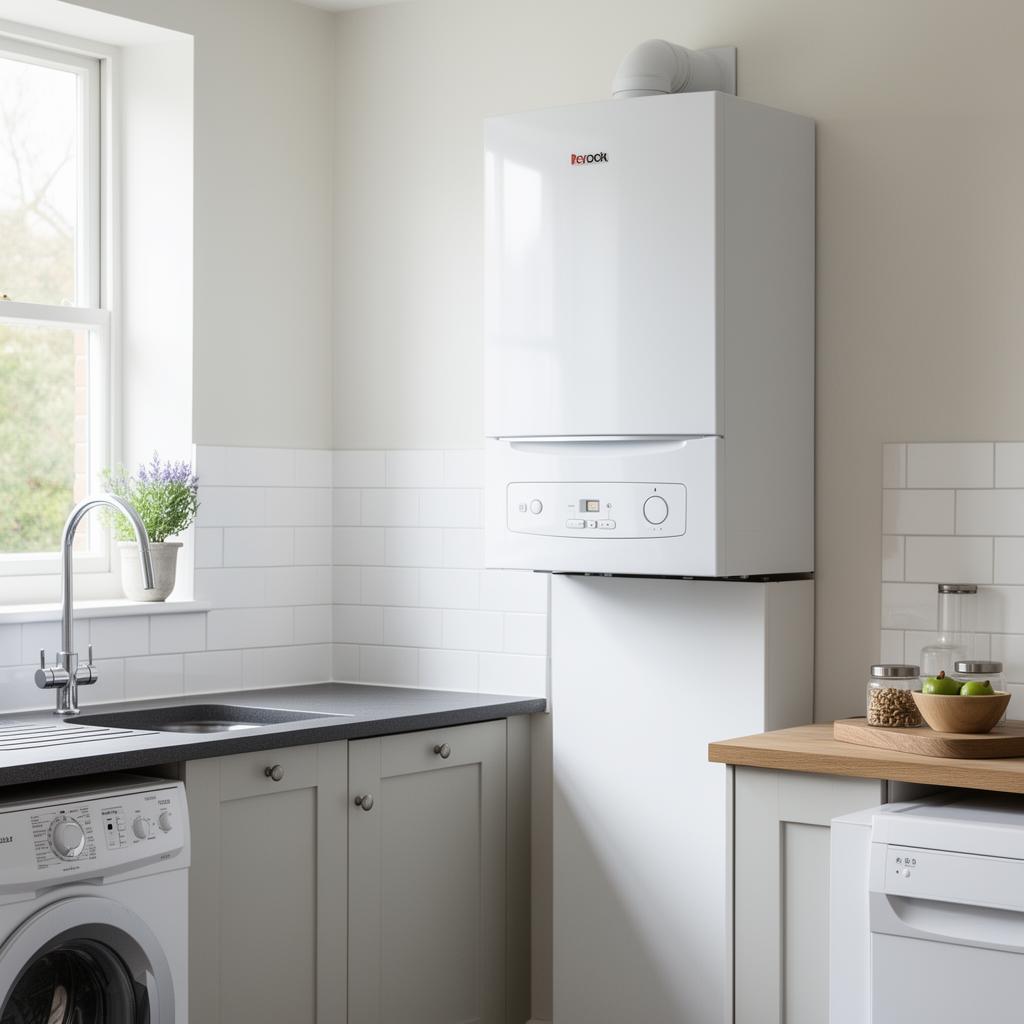
The choice between an electric boiler vs heat pump is one that many UK homeowners face when moving away from gas heating. On the surface, electric boilers look attractive: they are compact, quiet, cheap to install, and work with your existing radiators. But the running cost difference is staggering. An electric boiler running a typical 3-bed semi costs approximately £2,940 per year in electricity, while a heat pump delivering the same heat output costs just £660-£840. That is a difference of over £2,000 per year that adds up to tens of thousands over the system’s lifetime.
Electric Boiler vs Heat Pump: Costs and Efficiency Compared
| Feature | Electric Boiler | Heat Pump |
|---|---|---|
| Upfront cost | £1,500–£4,500 installed | £7,000–£14,000 (after BUS grant) |
| Efficiency | 99–100% | 300–400% (COP 3–4) |
| Annual running cost (3-bed) | £2,500–£3,500 | £700–£1,100 |
| Lifespan | 10–15 years | 20–25 years |
| Space needed | Minimal — wall-mounted | Outdoor unit plus cylinder |
| Carbon emissions | Moderate (grid dependent) | Very low |
While electric boilers are far cheaper to install and take up less space, their running costs are roughly three times higher than a heat pump because they convert electricity to heat at a 1:1 ratio. A heat pump extracts free ambient energy, delivering three to four units of heat for every unit of electricity used. For most UK homes, a heat pump is the better long-term investment despite the higher upfront cost.
This guide breaks down the full picture: efficiency, installation costs, running costs, and the specific scenarios where each option might make sense.
The Efficiency Gap: Why It Matters So Much
The fundamental difference between an electric boiler and a heat pump comes down to how each system generates heat.
An electric boiler uses resistance heating elements to convert electricity directly into heat. This process is approximately 99-100% efficient: for every 1 kWh of electricity consumed, you get almost exactly 1 kWh of heat. While this sounds impressive, it means you are paying full electricity rates for every unit of heat produced.
A heat pump does not generate heat from electricity. Instead, it uses electricity to move heat from the outside air (or ground) into your home via a refrigerant cycle. This process achieves efficiencies of 300-350%, meaning for every 1 kWh of electricity consumed, you get 3.0-3.5 kWh of heat. The additional heat energy comes from the outside air, which is free.
This 3x-3.5x efficiency advantage means a heat pump uses roughly one-third of the electricity to produce the same amount of heat as an electric boiler. At current UK electricity prices of 24.5p per kWh, this translates directly into dramatically lower running costs.
Electric Boiler vs Heat Pump: Running Cost Comparison
The following table compares annual running costs for a typical 3-bed semi-detached house with an annual heat demand of 12,000 kWh.
| Cost Factor | Electric Boiler | Air Source Heat Pump |
|---|---|---|
| System efficiency | 99% | 300-350% (SCOP) |
| Electricity for heating | 12,120 kWh | 3,430-4,000 kWh |
| Electricity for hot water | 2,000 kWh | 570-670 kWh |
| Electricity rate | 24.5p/kWh | 24.5p/kWh |
| Annual heating cost | £2,970 | £840-£980 |
| Annual hot water cost | £490 | £140-£164 |
| Total annual running cost | £3,460 | £980-£1,144 |
| Annual saving vs electric boiler | – | £2,316-£2,480 |
On a heat pump-specific tariff like Octopus Cosy, with off-peak rates of 7-10p per kWh, the heat pump running cost drops even further to approximately £650-£800 per year. The electric boiler cannot benefit from these tariffs in the same way because it consumes such large volumes of electricity that it cannot be run exclusively during off-peak windows.
Installation Costs: Where Electric Boilers Win
The one area where electric boilers have a clear advantage is installation cost. An electric boiler is essentially a direct replacement for a gas or oil boiler, fitting into the same cupboard and connecting to the same radiator circuit.
| Installation Element | Electric Boiler | Air Source Heat Pump |
|---|---|---|
| Unit cost | £1,500-£3,000 | £7,000-£12,000 |
| Installation labour | £500-£1,000 | £2,000-£4,000 |
| Radiator upgrades | Usually none | £0-£3,500 |
| Hot water cylinder | Often included | £500-£1,200 |
| Electrical supply upgrade | £0-£500 | £0-£1,500 |
| BUS grant | Not eligible | -£7,500 |
| Net total installed cost | £2,000-£4,500 | £2,000-£14,700 |
Notice that with the £7,500 BUS grant, the net installation cost of a heat pump can actually be comparable to an electric boiler for straightforward installations. The grant makes a transformative difference to the economics and is worth factoring into any decision.
10-Year Total Cost of Ownership
Looking beyond the installation cost to the total cost of ownership over 10 years paints a very different picture:
- Electric boiler: £3,250 installation + (£3,460 x 10 years running) + £500 maintenance = £38,350
- Heat pump: £7,000 net installation + (£1,060 x 10 years running) + £1,500 maintenance = £19,100
Over 10 years, the heat pump saves approximately £19,250 compared to the electric boiler. Over the heat pump’s expected 20-25 year lifespan, the total saving exceeds £40,000. The electric boiler is the cheaper option only if you plan to live in the property for fewer than 2-3 years.
When an Electric Boiler Might Make More Sense
Despite the running cost disadvantage, there are specific scenarios where an electric boiler could be the more practical choice:
- Flats without outdoor space – If you cannot accommodate a heat pump outdoor unit and there is no communal system available
- Listed buildings – Where planning restrictions prevent the installation of an external heat pump unit
- Very low heat demand – Extremely well-insulated properties that need minimal heating, where the running cost difference is small in absolute terms
- Temporary heating solution – If you plan to move within 2-3 years and cannot justify the higher upfront cost
- Budget constraints – If the upfront cost is genuinely unaffordable even with the BUS grant, though 0% interest finance options exist
- Supplementary heating – As a backup for an existing system rather than the primary heat source
In all other scenarios, the heat pump is the financially superior choice by a significant margin. The running cost savings are simply too large to ignore for any homeowner planning to stay in their property for more than a few years.
Practical Differences Between Electric Boilers and Heat Pumps
Beyond cost, there are several practical differences worth considering:
- Space requirements – An electric boiler fits in a standard kitchen cupboard. A heat pump requires an outdoor unit (approximately 1m x 0.4m x 1m) plus an indoor cylinder
- Noise – Electric boilers are virtually silent. Heat pumps produce 40-45 dB from the outdoor unit, roughly equivalent to a quiet conversation
- Maintenance – Electric boilers need minimal maintenance with no annual service requirement. Heat pumps require annual servicing at £100-£200 per year to maintain warranty cover
- Flow temperature – Electric boilers deliver high flow temperatures (up to 80 degrees C) immediately. Heat pumps work best at lower flow temperatures (35-45 degrees C), which may require radiator upgrades
- Hot water delivery – Electric combi boilers provide instant hot water but with limited flow rates. Heat pump systems use a stored hot water cylinder, providing higher flow rates but requiring space
- Carbon footprint – Both use grid electricity, but the heat pump’s 3x efficiency means it generates one-third of the carbon emissions per unit of heat delivered
Improving your home insulation before installing either system will reduce your heat demand and lower running costs, but the benefit is proportionally much larger for the electric boiler because of its higher electricity consumption.
Making the Switch: Next Steps
If you are currently considering an electric boiler, it is well worth getting a heat pump quote alongside for comparison. The £7,500 BUS grant brings the upfront costs much closer together, and the running cost savings of £2,000+ per year make the financial case compelling for most homeowners. Request a free quote to compare your options and see the specific costs for your property.
If your home would benefit from additional improvements, combining a heat pump with solar panels can reduce your electricity bills even further, as surplus solar generation directly offsets the heat pump’s electricity consumption.
Frequently Asked Questions
Why is an electric boiler so much more expensive to run than a heat pump?
An electric boiler converts electricity to heat at a ratio of 1:1 (100% efficient), so you pay full electricity rates for every unit of heat. A heat pump delivers 3-3.5 units of heat per unit of electricity consumed, effectively giving you two-thirds of your heat for free from the outside air. At the same electricity rate, the heat pump costs roughly one-third as much to run.
Can I get a grant for an electric boiler?
No. The Boiler Upgrade Scheme grant of £7,500 is only available for heat pumps (air source or ground source) and biomass boilers. Electric boilers are not eligible for any government grant scheme. This is because electric boilers do not reduce energy consumption; they simply switch the fuel source from gas to electricity without an efficiency gain.
Is an electric boiler easier to install than a heat pump?
Yes, significantly. An electric boiler is a straightforward swap for an existing gas or oil boiler, typically completed in 1-2 days. A heat pump installation takes 2-5 days and involves an outdoor unit, potentially new radiators, a hot water cylinder, and electrical work. However, the extra installation complexity pays for itself through running cost savings within 1-3 years for most properties.
Do electric boilers work with existing radiators?
Yes, electric boilers work with your existing radiators and pipework without modification, as they produce the same high flow temperatures as gas boilers. Heat pumps may require larger radiators because they operate at lower flow temperatures. However, many homes can run a heat pump on existing radiators with minor adjustments, particularly if insulation has been improved.
What size electric boiler do I need for a 3-bed house?
A 3-bed semi-detached house typically requires a 12-15 kW electric boiler. However, be aware that a boiler this size draws 50-65 amps, which may exceed your existing electrical supply capacity. Many homes need an electrical supply upgrade to accommodate an electric boiler of this size, adding £500-£1,500 to the installation cost. A heat pump of equivalent heating capacity draws significantly less current because of its higher efficiency.
See what these numbers mean for your home
Free instant estimate — costs, savings, payback and grants for your region.

Related Articles
Heat Pump Installation Costs in 2026: The Real Numbers
Heat pumps are now the default replacement for gas boilers in UK government policy, but the question most homeowners ask first is always the same: how much does it actually…
28 May 2026
Infrared Panels vs Heat Pumps: Which Heating System Is Right for Your Home?
Comparing infrared panels vs heat pumps across cost, efficiency, running expenses, and grant eligibility. This guide helps UK homeowners choose the right low-carbon heating system for their property.
8 May 2026
Renewable Heating vs Gas Boiler: An Honest Cost and Comfort Comparison
An honest comparison of heat pumps, biomass and solar thermal against gas boilers on cost, comfort, maintenance, grants and carbon savings for UK homes.
8 May 2026