How to Choose an MCS Certified Heat Pump Installer
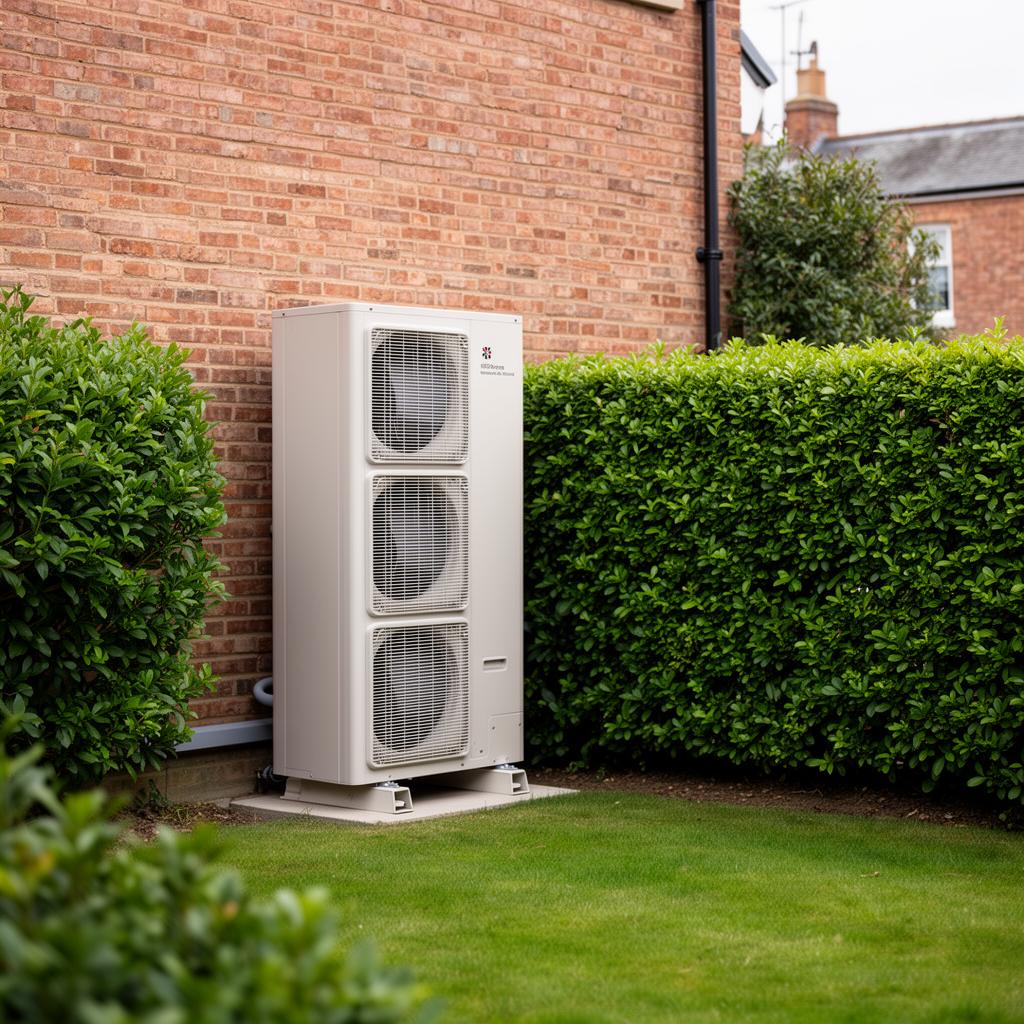
Choosing the right MCS certified heat pump installer is arguably the most important decision in your entire heat pump journey. The quality of the installation has a far greater impact on system performance than the brand of heat pump you choose. A well-installed budget system will outperform a poorly installed premium one every time. MCS certification is the minimum standard you should accept, but it is only the starting point for evaluating an installer. This guide walks you through everything you need to check before signing a contract.
How to Choose an MCS Certified Heat Pump Installer
- Verify MCS certification — search the MCS Installation Database at mcscertified.com to confirm the company is currently registered for heat pump installation
- Get at least three quotes — prices for the same property can vary by £2,000–£5,000 between installers, so comparing multiple quotes is essential
- Ask for a full heat loss calculation — any reputable installer will conduct a room-by-room heat loss survey before quoting; avoid companies that size systems based on floor area alone
- Check reviews and references — look for verified reviews on Trustpilot, Google or the MCS website and ask for references from similar property types
- Confirm BUS grant processing — your installer must handle the Boiler Upgrade Scheme application to Ofgem on your behalf and deduct the £7,500 from your quote
- Review the warranty and aftercare — check what manufacturer warranty is included (typically 5–10 years) and whether the installer offers annual servicing
MCS certification is mandatory for any heat pump installation to qualify for the £7,500 Boiler Upgrade Scheme grant. The certification also ensures the installer follows MIS 3005 design standards, which require proper heat loss calculations, correct system sizing and commissioning. Using a non-MCS installer means losing access to the grant and having no recourse through the MCS consumer code if problems arise.
MCS (Microgeneration Certification Scheme) certification is also mandatory if you want to claim the £7,500 Boiler Upgrade Scheme grant, making it a non-negotiable requirement for most homeowners.
What MCS Certification Actually Means
MCS is an independent quality assurance scheme for renewable energy installations in the UK. An MCS certified installer has demonstrated that they meet specific standards for:
- Technical competence – Engineers hold relevant qualifications (NVQ Level 3 minimum) and have completed heat pump-specific training
- Design capability – The company can carry out room-by-room heat loss calculations and size systems correctly
- Installation standards – Work meets MCS installation standards (MIS 3005 for heat pumps)
- Consumer protection – Membership of an approved consumer protection scheme (RECC or HIES)
- Quality management – Documented processes for design, installation, commissioning, and aftercare
- Annual audit – MCS carries out regular audits to verify ongoing compliance
Without MCS certification, an installer cannot register the installation on the MCS database, which means you cannot claim the BUS grant, the system will not appear on your property’s official records, and you may face issues with warranty claims from some heat pump manufacturers.
How to Verify an Installer’s MCS Certification
Never take an installer’s word for their MCS status. Verification takes just two minutes:
- Visit the MCS website – The MCS Find a Contractor database at mcscertified.com allows you to search by postcode and technology type. Enter your postcode and select “Air Source Heat Pump” or “Ground Source Heat Pump” to see certified installers in your area
- Check the certificate number – Every MCS certified company has a unique certificate number (format: MCS XXXXX). Ask the installer for this number and verify it on the database
- Verify the technology scope – An installer can be MCS certified for solar panels but not for heat pumps. Make sure their certification specifically covers the type of heat pump you want installed
- Check the expiry date – MCS certificates are renewed annually. Ensure the certificate is current, not expired
If an installer claims to be “applying for MCS” or “in the process of getting certified,” do not proceed. The certification must be in place at the time of installation for the BUS grant to apply.
Understanding Consumer Protection: RECC and HIES
All MCS certified installers must be members of an approved consumer protection scheme. The two schemes operating in the UK are:
RECC (Renewable Energy Consumer Code) – Operated by the Renewable Energy Association, RECC requires members to follow a code of practice covering sales, pre-contractual information, deposits, contracts, installation, and aftercare. RECC provides a dispute resolution service and an insurance-backed guarantee.
HIES (Home Insulation and Energy Systems) – HIES offers similar consumer protection with a code of practice, dispute resolution, and insurance-backed guarantees. It tends to have a stronger focus on the sales process and preventing high-pressure selling.
Both schemes provide an insurance-backed guarantee (IBG) that protects you if the installation company ceases trading. The IBG typically covers the installation workmanship for 2 years and ensures any faults are rectified even if the original installer is no longer in business. This is separate from the manufacturer’s product warranty.
What to Expect From a Heat Pump Quote
A professional MCS certified installer should provide a comprehensive written quote that includes all of the following:
- Room-by-room heat loss calculation – This is an MCS requirement. Any installer who quotes a heat pump size without doing this calculation is cutting corners
- Proposed heat pump model and capacity – Including the brand, model number, and kW output
- Radiator assessment – Which existing radiators can be retained and which need upgrading, with specific replacement models named
- Hot water cylinder specification – Size, brand, and whether it includes an immersion heater backup
- Flow temperature design – The target flow temperature at the design outdoor temperature (typically -3 degrees C for most of the UK)
- Estimated running costs – Annual electricity consumption and cost estimate based on the heat loss calculation
- Total cost breakdown – Itemised costs for the heat pump, cylinder, radiators, pipework, electrical work, controls, and labour
- BUS grant deduction – The net cost after the £7,500 (or £9,000) grant
- Installation timeline – Estimated number of days and target start date
- Warranty information – Manufacturer warranty terms and any installer warranty on workmanship
If an installer provides a quote without visiting your property and carrying out a heat loss calculation, treat this as a red flag. Accurate sizing requires a physical survey. An undersized system will not heat your home adequately, while an oversized system will cycle inefficiently and cost more to run.
Red Flags to Watch For When Choosing an Installer
The rapid growth of the heat pump market has attracted some operators who prioritise volume over quality. Watch for these warning signs:
- No heat loss calculation – Sizing based on “experience” or rule of thumb rather than proper calculation
- Pressure to sign immediately – Reputable installers provide written quotes valid for 30 days and do not use high-pressure tactics
- Very low prices – If a quote is significantly below others, investigate why. Cheap installations often use inferior components or skip important steps
- No site survey – Quotes provided without visiting the property are unreliable
- Vague specifications – Quotes that do not name specific equipment models or provide itemised costs
- Negative reviews about commissioning – Poor commissioning is the most common cause of underperforming heat pumps. Check reviews specifically for comments about system setup and aftercare
- Subcontracting the installation – Some companies sell the job and subcontract the work. Ask whether the surveyor’s own team will carry out the installation
- No discussion of controls – A good installer will discuss weather compensation, thermostat options, and how to optimise the system for your lifestyle
How Many Quotes Should You Get?
We recommend getting at least three quotes from different MCS certified installers. This allows you to compare pricing, system design approaches, and the quality of the survey and quote documentation. The cheapest quote is not always the best value, and the most expensive is not always the highest quality.
When comparing quotes, focus on:
- Whether the heat pump size is consistent across quotes (large variations suggest different heat loss calculations)
- The proposed flow temperature (lower is generally better for efficiency)
- The number of radiators being replaced (more upgrades typically means better performance at lower flow temperatures)
- The commissioning process described (a thorough commissioning takes 2-4 hours and includes weather compensation setup)
- Aftercare and support offered in the first year
If you are ready to start gathering quotes, request a free quote from our network of vetted MCS certified installers. Improving your insulation before the survey can also result in a smaller, cheaper heat pump being specified.
The Commissioning Certificate: Your Most Important Document
After installation, your MCS certified installer must provide a commissioning certificate (MCS certificate). This document records the system design, the heat loss calculation, the commissioned flow temperatures, and the MCS registration number. It is essential for:
- Claiming the BUS grant
- Validating the manufacturer’s warranty
- Proving the installation quality if issues arise
- Future property sales (buyers and solicitors may request it)
Store this certificate safely alongside your product warranties and service records. If you ever sell the property, the commissioning certificate provides evidence that the heat pump was professionally installed to MCS standards.
Frequently Asked Questions
Can I install a heat pump without an MCS certified installer?
Technically yes, but you will lose access to the £7,500 BUS grant, consumer protection scheme coverage, and potentially the manufacturer’s full warranty. Non-MCS installations also do not appear on the official register, which could affect your property’s resale value. For all practical purposes, using an MCS certified installer is essential.
How long does it take to get a heat pump installed from first enquiry?
The typical timeline from first enquiry to commissioned system is 6-16 weeks. This includes the survey and quotation stage (2-4 weeks), BUS grant application and approval (2-4 weeks), and the physical installation (3-5 days). During peak demand (autumn), lead times can extend to 12-20 weeks, so starting the process early is advisable.
What qualifications should a heat pump installer have?
At minimum, a heat pump installer should hold an NVQ Level 3 in Plumbing and Heating or equivalent, plus specific heat pump training from the manufacturer of the system being installed. Engineers working on the refrigerant circuit must hold an F-Gas certificate. Electricians carrying out the electrical connection must be Part P qualified. MCS certification verifies that the company employs appropriately qualified personnel.
What should I do if I have a problem with my heat pump installation?
First, contact the installer directly. Most issues can be resolved through a return visit and adjustment. If the installer is unresponsive or you cannot reach a resolution, escalate through the consumer protection scheme (RECC or HIES). They offer a formal dispute resolution process. If the installer has ceased trading, the insurance-backed guarantee covers having the work rectified by another MCS certified installer at no cost to you.
Are manufacturer-accredited installers better than standard MCS installers?
Manufacturer accreditation (such as Vaillant Advance or Daikin Sustainable Home) provides additional brand-specific training and typically qualifies for extended warranty terms. These installers tend to have more experience with the specific system they are accredited for. However, a highly experienced MCS installer without manufacturer accreditation can still deliver an excellent installation. The key is the quality of the heat loss calculation, system design, and commissioning rather than the accreditation badge alone.
See what these numbers mean for your home
Free instant estimate — costs, savings, payback and grants for your region.

Related Articles

Heat Pump Installation Costs in 2026: The Real Numbers
Heat pumps are now the default replacement for gas boilers in UK government policy, but the question most homeowners ask first is always the same: how much does it actually…
28 May 2026
Infrared Panels vs Heat Pumps: Which Heating System Is Right for Your Home?
Comparing infrared panels vs heat pumps across cost, efficiency, running expenses, and grant eligibility. This guide helps UK homeowners choose the right low-carbon heating system for their property.
8 May 2026
Renewable Heating vs Gas Boiler: An Honest Cost and Comfort Comparison
An honest comparison of heat pumps, biomass and solar thermal against gas boilers on cost, comfort, maintenance, grants and carbon savings for UK homes.
8 May 2026