Biomass Boilers vs Heat Pumps: Off-Grid Heating Compared
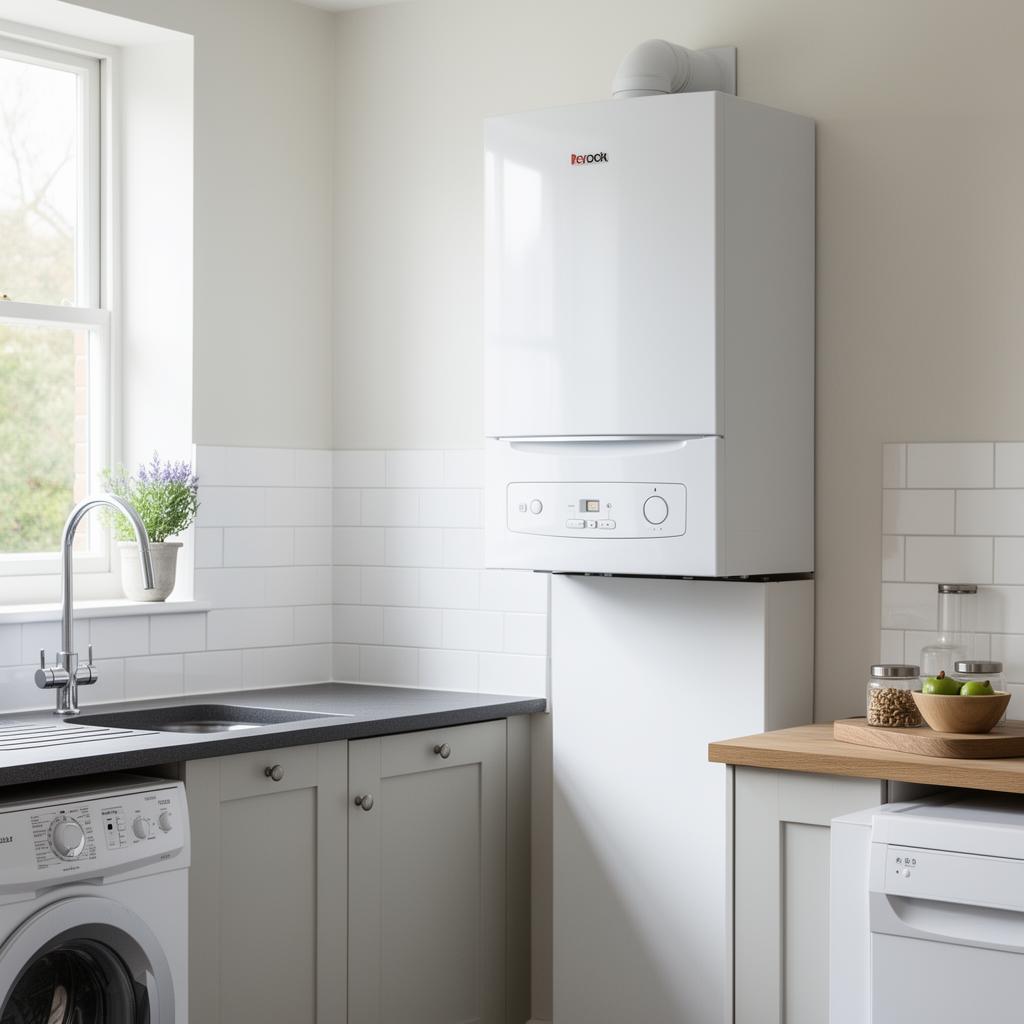
For off-grid UK homeowners, the choice between a biomass boiler vs heat pump is one of the most consequential decisions when replacing oil or LPG heating. Both systems qualify for the Boiler Upgrade Scheme grant, both dramatically reduce carbon emissions, and both can keep your home warm without a gas connection. However, they differ substantially in installation cost, running cost, maintenance burden, fuel logistics, and suitability for different property types. The BUS grant values also differ: £5,000 for biomass versus £7,500 for a heat pump (or £9,000 for off-fossil-fuel homes).
Biomass Boiler vs Heat Pump: How Do They Compare?
| Feature | Biomass Boiler | Heat Pump |
|---|---|---|
| Fuel source | Wood pellets, chips or logs | Ambient air or ground heat |
| Typical install cost | £10,000–£19,000 | £7,000–£14,000 (after BUS grant) |
| Annual running cost | £800–£1,400 | £500–£1,000 |
| Efficiency rating | 85–93% | 300–400% (COP 3–4) |
| Maintenance required | High — ash removal, flue cleaning | Low — annual service only |
| Best suited for | Rural off-grid with fuel storage space | Most UK homes with adequate insulation |
For off-grid properties, both systems eliminate oil or LPG dependence, but the best choice depends on your site. Biomass suits rural homes with ample storage and cheap local wood fuel, while heat pumps offer lower running costs and near-zero maintenance for most homeowners. The £7,500 BUS grant applies to heat pumps but not biomass, widening the cost gap further in 2026.
This comprehensive comparison covers every aspect to help rural and off-grid homeowners make an informed choice.
How Biomass Boilers and Heat Pumps Work
A biomass boiler burns wood pellets, wood chips, or logs to heat water, which is then distributed through your radiators and hot water cylinder. Modern biomass boilers achieve efficiencies of 89-94%, meaning almost all the energy in the fuel is converted to useful heat. They require a fuel store, a flue, and regular ash removal.
An air source heat pump extracts heat from the outside air using a refrigerant cycle, delivering 3.0-3.5 units of heat for every unit of electricity consumed. It requires an outdoor unit, an indoor cylinder, and a standard electricity supply. There is no fuel to store, no flue required, and no combustion involved.
Both systems work with wet central heating (radiators or underfloor heating) and both produce domestic hot water. The choice between them often comes down to property characteristics, lifestyle preferences, and the practical considerations of fuel supply in rural locations.
Biomass Boiler vs Heat Pump: Cost Comparison
| Cost Factor | Biomass Boiler | Air Source Heat Pump |
|---|---|---|
| Equipment and installation | £15,000-£25,000 | £10,000-£16,000 |
| BUS grant | -£5,000 | -£7,500 (or -£9,000 for oil/LPG) |
| Fuel store construction | £1,000-£3,000 | Not required |
| Flue installation | £1,500-£3,500 | Not required |
| Radiator upgrades | Usually none | £0-£3,500 |
| Net installed cost | £12,500-£26,500 | £2,500-£12,000 |
| Annual fuel/electricity cost | £900-£1,600 | £660-£1,100 |
| Annual maintenance | £300-£600 | £100-£200 |
| Total annual running cost | £1,200-£2,200 | £760-£1,300 |
The heat pump has a clear cost advantage both on installation (particularly with the higher grant) and on annual running costs. The biomass boiler’s higher maintenance burden is a significant ongoing expense that is easy to underestimate when comparing upfront costs alone.
BUS Grant Differences: £5,000 vs £7,500 (or £9,000)
The Boiler Upgrade Scheme provides different grant levels for each technology. Biomass boilers receive £5,000, while air source heat pumps receive £7,500. For homes currently heated by oil, LPG, or coal (common in off-grid properties), the heat pump grant increases to £9,000, announced in early 2026 to accelerate the transition away from fossil fuels in rural areas.
This grant differential reflects the government’s preference for heat pumps over biomass, driven by concerns about air quality (biomass combustion produces particulate matter) and the long-term sustainability of wood fuel supply. For an off-grid homeowner replacing an oil boiler, the £4,000 difference between the biomass and heat pump grants significantly shifts the economics in favour of the heat pump.
Maintenance and Ongoing Effort Compared
This is where the practical differences between the two systems become most apparent. A biomass boiler requires significantly more ongoing attention than a heat pump:
Biomass boiler maintenance:
- Weekly or fortnightly ash removal (even automatic systems need the ash bin emptied)
- Regular heat exchanger cleaning to maintain efficiency
- Annual professional service costing £300-£500
- Periodic flue sweeping at £80-£150
- Fuel ordering, delivery logistics, and store management
- Potential issues with fuel quality, moisture content, and pellet consistency
- Component replacements: auger motors, ignition elements, and fans wear out over time
Heat pump maintenance:
- Annual professional service costing £100-£200
- Occasional filter cleaning (can be done by homeowner)
- Clearing debris from the outdoor unit
- No fuel ordering, storage, or delivery to manage
- No ash, no flue, no combustion-related maintenance
For many homeowners, particularly those who are not physically able or inclined to manage a biomass boiler’s maintenance demands, the heat pump’s low-maintenance operation is a decisive advantage. The biomass boiler is sometimes described as requiring a similar level of attention to a wood-burning stove, while a heat pump is closer to a fridge in terms of maintenance.
Fuel Supply and Storage Considerations
A biomass boiler needs a dedicated fuel store, typically holding 1-3 tonnes of wood pellets or equivalent. For a typical 4-bed detached house, annual pellet consumption is approximately 4-6 tonnes, costing £1,200-£1,800 at current prices of around £300 per tonne delivered.
The fuel store must be dry, accessible for delivery vehicles, and positioned to allow automatic or manual feeding to the boiler. Pellet deliveries typically arrive in a blown tanker (similar to an oil delivery), requiring a smooth access road and proximity to the store’s fill point. For remote rural properties, delivery charges can add £50-£150 per load.
Wood chip systems are cheaper on fuel (approximately £80-£120 per tonne) but require much larger storage volumes and more robust feeding mechanisms. Log boilers offer the cheapest fuel if you have access to woodland, but require manual loading, typically twice daily during winter.
A heat pump, by contrast, requires only a standard electricity supply. Rural properties may have limited electrical capacity, but a supply upgrade to accommodate a heat pump typically costs £500-£1,500 through your Distribution Network Operator, which is far less than building a fuel store.
Which System Suits Off-Grid Properties Better?
The answer depends on your property’s specific characteristics:
A heat pump may be the better choice if:
- You want minimal ongoing maintenance and effort
- You do not have space for a fuel store
- Your property has reasonable insulation or you are willing to improve it
- You want to take advantage of the higher BUS grant (£7,500-£9,000)
- You have a reliable electricity supply
- You prefer fixed, predictable running costs (electricity vs volatile biomass fuel prices)
A biomass boiler may be the better choice if:
- Your property is extremely large with very high heat demand (above 25,000 kWh per year)
- You have access to cheap or free wood fuel (your own woodland)
- You have an unreliable electricity supply that could not support a heat pump
- Your property is very poorly insulated and cannot be improved (some listed buildings)
- You are comfortable with the ongoing maintenance requirements
- You need very high flow temperatures that a heat pump cannot easily achieve
For most off-grid homeowners, the heat pump will be the more practical and cost-effective choice. The lower installation cost, higher grant, cheaper running costs, and dramatically lower maintenance burden create a compelling overall package.
Environmental Comparison
Both systems offer significant carbon reductions compared to oil or LPG heating, but there are important nuances:
- Heat pumps produce zero direct emissions. Their carbon footprint comes from the grid electricity they consume, which is approximately 0.136 kg CO2 per kWh in 2026 and falling as the grid decarbonises. A typical installation saves 2.5-4.0 tonnes of CO2 per year compared to oil heating
- Biomass boilers burn wood, which is considered carbon-neutral over the growth cycle of the trees. However, combustion produces particulate matter (PM2.5) and other pollutants that affect local air quality. The government has introduced Smoke Control Areas and Clean Air Act requirements that some biomass installations must meet
As the electricity grid continues to decarbonise, the heat pump’s environmental advantage will grow. By 2030, grid electricity is projected to be 95% low-carbon, making heat pumps almost entirely emissions-free in operation.
Want to explore which system suits your off-grid property? Green Reach Energy’s quote-comparison service is launching soon — register your interest and we’ll let you know when you can compare quotes from qualified installers.
Frequently Asked Questions
Can I get a BUS grant for a biomass boiler?
Yes, the Boiler Upgrade Scheme provides £5,000 towards a biomass boiler installation. However, this is lower than the heat pump grant of £7,500 (or £9,000 for homes replacing oil or LPG systems). Biomass grant eligibility also requires the property to be in a rural area, and additional air quality conditions may apply depending on your local authority.
How much space does a biomass boiler need?
A biomass boiler requires space for the boiler unit itself (similar to a large fridge-freezer), a flue, and a fuel store. The fuel store typically needs to hold 1-3 tonnes of pellets, requiring a dedicated room, outbuilding, or external hopper of approximately 4-8 square metres. A heat pump requires only an outdoor unit of roughly 1 square metre and an indoor hot water cylinder.
Are biomass boilers being phased out?
Biomass boilers are not being phased out, but the government is increasingly steering policy towards heat pumps. The lower BUS grant for biomass, tightening air quality regulations, and the Clean Air Strategy all signal that biomass will play a smaller role in future domestic heating. For new installations, heat pumps are becoming the default recommendation for most property types.
Which is more reliable: a biomass boiler or a heat pump?
Heat pumps generally have fewer mechanical components that can fail, with expected lifespans of 20-25 years. Biomass boilers have more moving parts (augers, fans, ignition systems) and typically last 15-20 years with proper maintenance. Both are reliable when well-maintained, but biomass boilers require significantly more frequent attention and have more potential failure points.
Can I use a biomass boiler and heat pump together?
Hybrid biomass-heat pump systems exist but are rare in domestic settings due to the complexity and cost. A more common approach for large off-grid properties is to use a heat pump as the primary heating system with a log burner for supplementary heating during the coldest periods. This provides most of the efficiency benefits of a heat pump while having a backup heat source that does not depend on the electricity supply.
See what these numbers mean for your home
Free instant estimate — costs, savings, payback and grants for your region.

Related Articles
Heat Pump Installation Costs in 2026: The Real Numbers
Heat pumps are now the default replacement for gas boilers in UK government policy, but the question most homeowners ask first is always the same: how much does it actually…
28 May 2026
Infrared Panels vs Heat Pumps: Which Heating System Is Right for Your Home?
Comparing infrared panels vs heat pumps across cost, efficiency, running expenses, and grant eligibility. This guide helps UK homeowners choose the right low-carbon heating system for their property.
8 May 2026
Renewable Heating vs Gas Boiler: An Honest Cost and Comfort Comparison
An honest comparison of heat pumps, biomass and solar thermal against gas boilers on cost, comfort, maintenance, grants and carbon savings for UK homes.
8 May 2026