Heat Pump EPC Ratings: How Installation Affects Your Energy Certificate
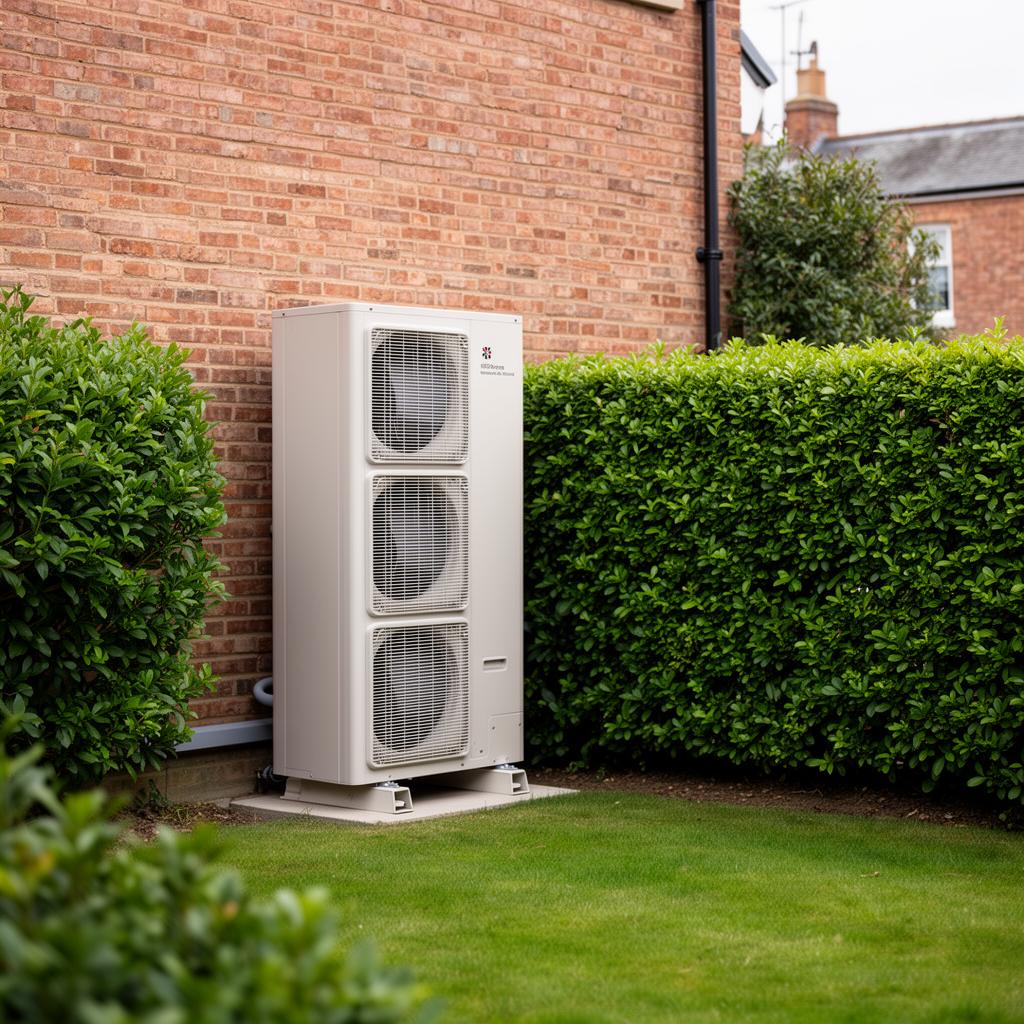
The relationship between a heat pump EPC rating is more complex than most homeowners expect. You might assume that installing a highly efficient heat pump automatically improves your Energy Performance Certificate rating, but the reality is nuanced. Due to how the current EPC methodology treats electricity versus gas costs, some heat pump installations can paradoxically result in a lower EPC score than the gas boiler they replace. Understanding this quirk is essential, particularly because a minimum EPC rating of D or above is required to qualify for the Boiler Upgrade Scheme grant.
How Does a Heat Pump Affect Your EPC Rating?
Installing an air source heat pump typically improves your EPC rating by 10 to 20 points, often enough to move up one or two EPC bands. For example, a home rated EPC band D (score 55–68) can reach band C or even band B after a heat pump installation, depending on the property’s existing insulation and other energy features.
The EPC improvement comes from two factors: heat pumps have a higher SAP seasonal efficiency rating (typically 300–400%) than gas boilers (89–92%), and they use electricity which has a lower carbon emission factor than gas in the current SAP methodology. However, the actual EPC gain depends on your starting point. Homes that already have good insulation and efficient lighting see a larger points jump from the heating system upgrade than poorly insulated properties where wall and loft losses dominate the score.
This guide explains how EPCs currently assess heat pumps, why the scores can seem counterintuitive, the BUS grant EPC requirement, and the upcoming four-metric EPC reform that aims to fix these issues.
How EPCs Currently Assess Heating Systems
The current EPC methodology, based on the Standard Assessment Procedure (SAP), evaluates a property’s energy efficiency primarily through its estimated annual energy costs. The rating from A (most efficient) to G (least efficient) is driven by how much the assessor calculates you would spend on heating, hot water, and lighting per square metre of floor area.
The problem lies in how SAP handles the cost difference between gas and electricity. At current rates, electricity costs approximately 24.5p per kWh while gas costs 6.76p per kWh, making electricity roughly 3.6 times more expensive per unit. Even though a heat pump delivers 3-3.5 units of heat per unit of electricity, the cost multiplier and the fuel cost ratio can sometimes cancel each other out or even result in higher calculated costs.
In practice, the SAP calculation often shows a heat pump and a modern gas boiler as having similar or slightly different running costs, despite the heat pump being fundamentally more efficient in energy terms. For properties with high heat demand or those on expensive electricity tariffs, the EPC score can actually drop after heat pump installation.
When a Heat Pump Improves Your EPC Rating
In many cases, a heat pump installation does improve the EPC score, particularly in the following scenarios:
- Replacing an old, inefficient boiler – If your current boiler is rated below 80% efficiency, the heat pump’s 300%+ efficiency provides a significant improvement even after the electricity cost premium
- Well-insulated properties – Homes with good insulation have lower heat demand, meaning the electricity cost difference is smaller in absolute terms
- Properties with existing renewable energy – Homes with solar panels can offset some of the heat pump’s electricity consumption, improving the EPC score
- Replacing oil or LPG heating – These fuels are more expensive per kWh than gas, so the switch to a heat pump shows a clearer cost improvement on the EPC
- Properties starting from a low EPC rating – An E or F-rated home replacing an old system with a heat pump often jumps to C or D
A typical improvement when replacing an old gas boiler (70-80% efficiency) with an air source heat pump is 5-15 SAP points, potentially moving a property up one EPC band (for example, from D to C).
When a Heat Pump Can Lower Your EPC Score
The paradoxical scenario where a heat pump lowers an EPC score typically occurs when:
- Replacing a modern condensing gas boiler – A new gas boiler rated at 92-94% efficiency already scores well on the EPC. The heat pump’s cost-based advantage over such an efficient gas boiler can be marginal or negative under SAP
- Poorly insulated properties – High heat demand amplifies the electricity cost premium, making the running cost calculation less favourable
- Large properties – Greater floor area means more heating required, and the absolute electricity cost can exceed the gas cost under SAP assumptions
- SAP fuel price assumptions – SAP uses standardised fuel prices that may not reflect actual tariffs, particularly heat pump-specific tariffs that reduce real-world costs
It is important to stress that this is a flaw in the EPC methodology, not a genuine reflection of efficiency. A heat pump delivering 3 kWh of heat per kWh of electricity is objectively more efficient than a gas boiler delivering 0.92 kWh of heat per kWh of gas, regardless of what the cost-based EPC calculation suggests.
The BUS Grant EPC Requirement
To qualify for the £7,500 Boiler Upgrade Scheme grant (or £9,000 for oil/LPG homes), your property must have a valid EPC with a rating of D or above. If your EPC is E, F, or G, you will need to improve the rating before applying for the grant.
The most common and cost-effective ways to improve an EPC rating include:
| Improvement | Typical Cost | SAP Points Improvement | Potential EPC Band Change |
|---|---|---|---|
| Loft insulation (0 to 300mm) | £300-£600 | 8-15 points | Could move up 1-2 bands |
| Cavity wall insulation | £800-£2,000 | 10-20 points | Could move up 1-2 bands |
| LED lighting throughout | £50-£200 | 2-5 points | Minor improvement |
| Hot water cylinder insulation | £20-£50 | 1-3 points | Minor improvement |
| Draught proofing | £200-£500 | 2-4 points | Minor improvement |
| Double glazing (from single) | £3,000-£7,000 | 5-12 points | Could move up 1 band |
For most properties rated E, a combination of loft insulation and cavity wall insulation is sufficient to reach D, at a cost of £1,100-£2,600. These improvements also reduce your heat demand, allowing a smaller and cheaper heat pump.
If your property is rated F or G, more substantial work may be needed. In some cases, properties with solid walls, no cavity, and single glazing may struggle to reach D without significant investment. In these situations, explore whether ECO4 or the Great British Insulation Scheme can help fund the improvements.
The Upcoming EPC Reform: Four-Metric System
The government has announced a fundamental reform of the EPC system that will replace the current single A-G rating with a four-metric system. This reform, expected to be implemented in the coming years, will assess properties on:
- Energy efficiency – How much energy the property uses per square metre (kWh/m2/year)
- Carbon emissions – The CO2 produced by the property’s energy use
- Energy costs – The estimated running cost (similar to current EPC but alongside other metrics)
- Smart readiness – The property’s ability to interact with the energy grid and use energy flexibly
This reform is critically important for heat pumps because the energy efficiency and carbon emissions metrics will properly reflect the heat pump’s superior performance. Under the current cost-only system, a heat pump can look similar to a gas boiler. Under a four-metric system, the heat pump’s 65-75% lower carbon emissions and three-fold efficiency advantage will be clearly visible.
The reform should also resolve the paradox of heat pumps lowering EPC scores, as energy efficiency will be measured in kWh rather than cost, removing the distorting effect of electricity-to-gas price ratios.
What This Means for Property Value
Despite the current EPC methodology’s limitations, heat pump installations are increasingly valued by the property market. Research from the Department for Energy Security and Net Zero suggests that properties with heat pumps sell for a premium of 1-3% compared to equivalent gas-heated homes, and this premium is expected to grow as energy efficiency becomes a more prominent factor in property valuation.
Mortgage lenders are also beginning to factor energy efficiency into lending decisions, with some offering preferential rates for properties with heat pumps and high EPC ratings. As the EPC reform takes effect and properly values heat pump installations, these financial benefits should become more significant.
If improving your EPC rating is part of your motivation, combining a heat pump with insulation upgrades and new glazing delivers the most dramatic improvement, potentially moving a property from band E to B in a single programme of work. Get a free quote to explore the full package of improvements available for your property.
Frequently Asked Questions
Will a heat pump definitely improve my EPC rating?
Not always. In most cases, particularly when replacing an old or inefficient heating system, the EPC score improves. However, replacing a modern condensing gas boiler in a poorly insulated large property can sometimes result in a similar or slightly lower score due to the SAP methodology’s cost-based approach. Improving insulation before installation helps ensure a positive EPC outcome.
What EPC rating do I need for the BUS grant?
Your property must have an EPC rating of D or above to qualify for the Boiler Upgrade Scheme grant. If your current rating is below D, you will need to make improvements such as adding loft or cavity wall insulation before applying. The EPC must be valid (issued within the last 10 years) and must not have outstanding recommendations for basic insulation measures.
How much does a new EPC cost?
A new EPC assessment for a residential property typically costs £60-£120, depending on the property size and location. The assessment takes approximately 45-90 minutes and must be carried out by an accredited Domestic Energy Assessor. You can find assessors through the government’s official EPC register.
When will the new EPC system be introduced?
The government has announced the four-metric EPC reform but has not confirmed an exact implementation date. Industry expectations are that the new system will begin phased introduction from 2026-2027, though full implementation may take longer. The current A-G system remains in place until the reform is officially launched. In the meantime, the existing EPC rating and D-minimum requirement for BUS grants continue to apply.
Should I get a new EPC before or after installing a heat pump?
You need a valid EPC rated D or above before the heat pump installation to qualify for the BUS grant. If your current EPC is already D or above, you can proceed. If you also want a post-installation EPC to reflect the heat pump (for example, to demonstrate the improvement to a future buyer), you can commission a new assessment after the work is complete. Some installers include a post-installation EPC in their package.
See what these numbers mean for your home
Free instant estimate — costs, savings, payback and grants for your region.

Related Articles
Heat Pump Installation Costs in 2026: The Real Numbers
Heat pumps are now the default replacement for gas boilers in UK government policy, but the question most homeowners ask first is always the same: how much does it actually…
28 May 2026
Infrared Panels vs Heat Pumps: Which Heating System Is Right for Your Home?
Comparing infrared panels vs heat pumps across cost, efficiency, running expenses, and grant eligibility. This guide helps UK homeowners choose the right low-carbon heating system for their property.
8 May 2026
Renewable Heating vs Gas Boiler: An Honest Cost and Comfort Comparison
An honest comparison of heat pumps, biomass and solar thermal against gas boilers on cost, comfort, maintenance, grants and carbon savings for UK homes.
8 May 2026