Can a Heat Pump Cool Your Home in Summer? Reversible Systems Explained
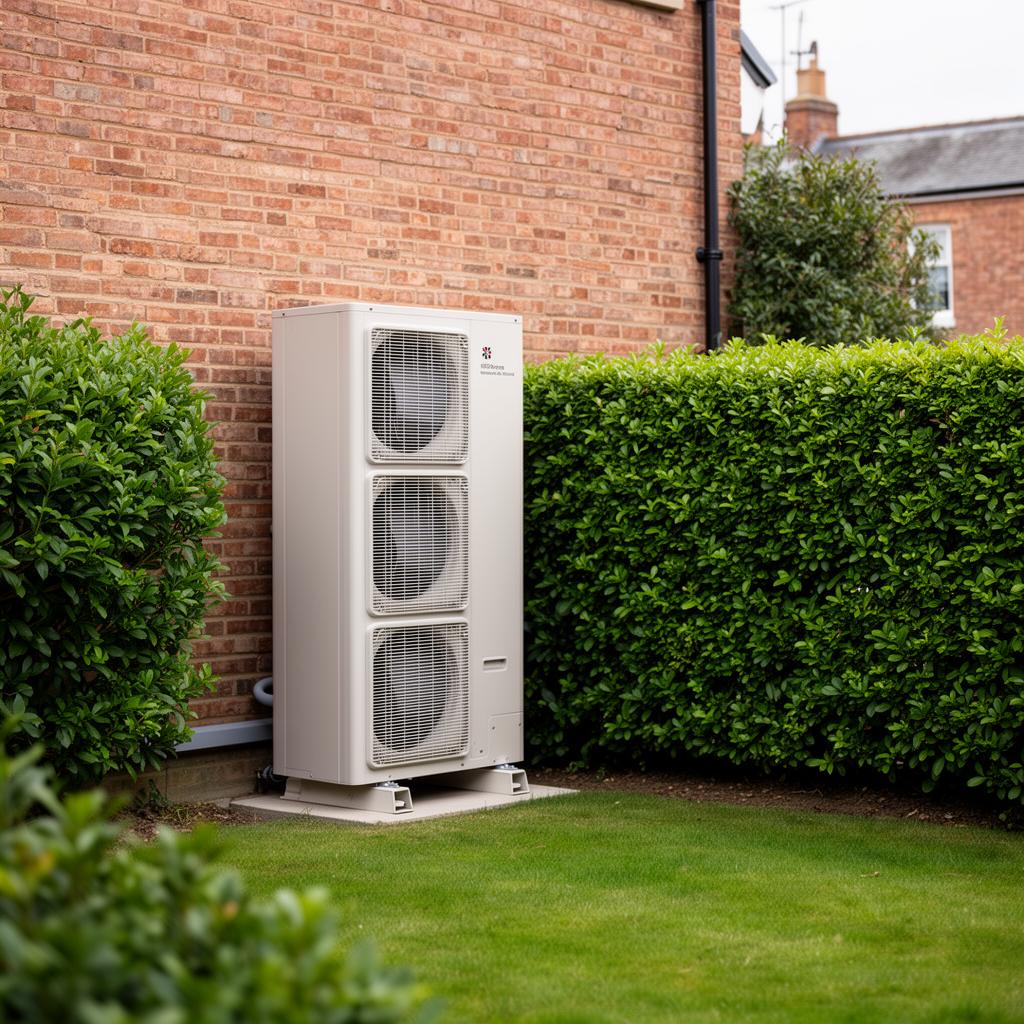
With UK summers becoming increasingly warm and heatwaves more frequent, the question of whether a heat pump cooling UK homeowners can benefit from is gaining real traction. The short answer is yes: some heat pumps can reverse their cycle to provide active cooling in summer, effectively working as air conditioning. However, most standard UK heat pump installations are heating-only, and the type of system you choose determines whether cooling is available. The introduction of a £2,500 BUS grant for air-to-air heat pumps in 2026 has also opened up new options for homeowners who want both heating and cooling from a single system.
Can a Heat Pump Cool Your Home in Summer?
Yes, many air source heat pumps can cool your home in summer by reversing the refrigeration cycle to extract heat from indoor air and expel it outside. This is known as active cooling and is available on reversible models from manufacturers including Daikin, Mitsubishi, Vaillant and Samsung. Cooling typically costs 3 to 6p per hour to run and can lower room temperatures by 3 to 5°C.
There are two types of heat pump cooling: active cooling (available with air-to-air and some air-to-water systems using fan coil units or underfloor heating) and passive cooling (available with ground source heat pumps that circulate cool ground-temperature water). Not all heat pump models support cooling, so if summer comfort is a priority, check the specification before purchasing. Radiators cannot deliver cooling — you need underfloor heating loops or fan coil units to distribute the chilled water effectively.
This guide explains how heat pump cooling works, which systems offer it, the costs involved, and whether it makes sense for your property.
How Reversible Heat Pump Cooling Works
A heat pump moves heat from one place to another using a refrigerant cycle. In heating mode, it extracts heat from the outside air and transfers it indoors. In cooling mode, the cycle reverses: the system extracts heat from inside your home and dumps it outside, exactly like a refrigerator or air conditioning unit.
This reversible operation is possible because the underlying technology is identical to air conditioning. In fact, every air conditioning unit is technically a heat pump; it is just normally only used in one direction. A reversible heat pump simply adds a four-way valve that allows the refrigerant flow to switch direction, enabling both heating and cooling from a single outdoor unit.
The cooling efficiency of a heat pump is measured by its Energy Efficiency Ratio (EER), which works like the COP but for cooling. A typical reversible heat pump achieves an EER of 3.0-4.5, meaning it removes 3-4.5 kWh of heat from your home for every 1 kWh of electricity consumed.
Air-to-Air vs Air-to-Water: The Cooling Difference
The type of heat pump system determines how effectively it can provide cooling:
Air-to-air heat pumps (best for cooling)
Air-to-air systems deliver heating and cooling directly through indoor fan units (wall-mounted, ceiling cassettes, or ducted). They provide immediate, powerful cooling with precise temperature control, exactly like a conventional air conditioning system. In fact, many are identical to split AC systems but marketed as heat pumps because they provide both functions.
Air-to-air heat pumps are the most effective option for summer cooling because they dehumidify the air as they cool, addressing both temperature and humidity. They can typically cool a room by 8-12 degrees C within 15-30 minutes. The downside is that they cannot heat water or connect to radiators; heating is delivered through the same indoor fan units.
Air-to-water heat pumps (limited cooling)
Air-to-water systems, which are the most common type installed in UK homes, distribute heat through radiators or underfloor heating. Some models offer active cooling by reversing the cycle and circulating chilled water through the same distribution system. However, there are important limitations:
- Radiators are poor at cooling – Chilled water through radiators provides minimal cooling because radiators are designed for convective heating, not radiant cooling
- Underfloor heating works better – Chilled water through underfloor pipes provides gentle, radiant cooling that can reduce room temperatures by 2-4 degrees C. This is effective but not as dramatic as air-to-air cooling
- Condensation risk – Cooling through underfloor or radiant systems risks condensation on the chilled surfaces if the dew point is reached, requiring careful control
- Not all models support it – Many air-to-water heat pumps sold in the UK are heating-only and do not have the reversing valve needed for cooling
The £2,500 BUS Grant for Air-to-Air Heat Pumps
In a significant policy shift, the Boiler Upgrade Scheme now offers a £2,500 grant for air-to-air heat pump installations. Previously, only air-to-water and ground source systems were eligible for the BUS grant. The new air-to-air grant is lower than the £7,500 available for air-to-water systems, reflecting the lower installation cost of air-to-air units.
To qualify for the air-to-air grant:
- The system must provide whole-house heating (not just a single room)
- Installation must be by an MCS-certified installer
- The system must meet minimum efficiency requirements
- The property must have a valid EPC
A typical whole-house air-to-air system costs £5,000-£10,000 installed, so the £2,500 grant covers 25-50% of the cost. For homeowners who want both heating and cooling from a single system, particularly those with well-insulated modern homes, this represents excellent value.
Which Heat Pump Brands Offer Cooling in the UK?
| Brand | System Type | Cooling Available | Cooling Method |
|---|---|---|---|
| Daikin Altherma 3 | Air-to-water | Yes (selected models) | Underfloor / fan coil units |
| Mitsubishi Ecodan | Air-to-water | Limited (R32 models) | Underfloor only |
| Samsung EHS | Air-to-water | Yes | Underfloor / fan coil units |
| Vaillant aroTHERM | Air-to-water | Yes (plus version) | Underfloor / fan coil units |
| Daikin multi-split | Air-to-air | Yes (full AC capability) | Wall units / cassettes |
| Mitsubishi M-Series | Air-to-air | Yes (full AC capability) | Wall units / cassettes |
| Samsung WindFree | Air-to-air | Yes (full AC capability) | Wall units |
| LG Therma V | Air-to-water | Yes | Underfloor / fan coil units |
For the most effective summer cooling, air-to-air systems from Daikin, Mitsubishi, and Samsung are the clear leaders. For homeowners who primarily want heating but would appreciate some summer cooling, an air-to-water system with underfloor heating provides a gentle cooling option without additional indoor units.
Heat Pump Cooling Costs in the UK
Running a heat pump in cooling mode is relatively inexpensive because the efficiency multiplier still applies. A typical home using cooling for 4-6 hours per day during a summer heatwave might consume 3-6 kWh of electricity per day for cooling, costing approximately 75p-£1.50 per day.
Over a typical UK summer with perhaps 30-50 days where active cooling is desirable, the total cooling electricity cost is approximately £25-£75 per year. This is remarkably low compared to the comfort improvement during hot weather.
The installation cost of the cooling capability depends on the system type:
- Air-to-water with underfloor cooling – Typically no additional cost if the heat pump already supports cooling and you have underfloor heating installed
- Air-to-water with fan coil units – Adding fan coil units for effective cooling costs £500-£1,000 per room
- Air-to-air whole-house system – £5,000-£10,000 installed (minus £2,500 BUS grant), providing both heating and powerful cooling
Is Heat Pump Cooling Worth It in the UK Climate?
The UK climate is changing. The Met Office reports that the frequency of days exceeding 30 degrees C has more than doubled since the 1960s. The 2022 heatwave saw temperatures reach 40.3 degrees C, and climate projections suggest such events will become more common. Well-insulated modern homes and those with large south-facing windows can overheat significantly during summer, reaching indoor temperatures of 28-35 degrees C.
For new builds and highly insulated retrofits, summer overheating is increasingly a design consideration. A heat pump that provides both heating and cooling addresses both winter comfort and summer resilience in a single system, avoiding the need for a separate air conditioning installation later.
The case for cooling is strongest if:
- Your home has large south or west-facing windows that trap heat
- You have a well-insulated modern build that retains heat in summer
- You work from home and need comfortable daytime temperatures
- Anyone in your household has health conditions affected by heat
- You are installing a new heat pump system and can add cooling at minimal extra cost
Combining a heat pump with good insulation and appropriate glazing creates a year-round comfortable environment. Get a free quote to explore heating and cooling options for your property.
Frequently Asked Questions
Can my existing heat pump provide cooling?
It depends on the model. Check your heat pump’s specifications for “reversible” or “cooling” capability. Many air-to-water heat pumps installed in the UK are heating-only models. If your heat pump does support cooling, you will also need a compatible distribution system (underfloor heating or fan coil units) to deliver the cooling effectively. Your installer can advise on whether retrofitting cooling capability is practical.
How much does it cost to run a heat pump in cooling mode?
Running a heat pump in cooling mode typically costs 75p-£1.50 per day during hot weather, based on 4-6 hours of cooling per day. Over a typical UK summer, the total cost is approximately £25-£75. This is very affordable compared to portable air conditioning units, which consume significantly more electricity for less effective cooling.
Is an air-to-air or air-to-water heat pump better for cooling?
For cooling performance, air-to-air is significantly better. It provides immediate, powerful cooling with dehumidification, exactly like conventional air conditioning. Air-to-water systems can only cool effectively through underfloor heating (gentle cooling of 2-4 degrees C) or fan coil units (more effective but requires additional equipment). If cooling is a priority, choose an air-to-air system.
Does the BUS grant cover air-to-air heat pumps for cooling?
The £2,500 BUS grant for air-to-air heat pumps covers the system as a whole, which provides both heating and cooling. You do not need to justify cooling as a separate function. The grant requirement is that the system provides whole-house heating; the cooling capability comes as a standard feature of air-to-air systems at no additional cost.
Will a heat pump cool as effectively as a dedicated air conditioning system?
An air-to-air heat pump cools identically to a dedicated air conditioning system because it uses the same technology. Many are manufactured on the same production lines as AC units. An air-to-water heat pump with underfloor cooling is less effective than dedicated AC, providing gentle temperature reduction rather than powerful room cooling. For maximum cooling performance, choose an air-to-air system with appropriately sized indoor units.
See what these numbers mean for your home
Free instant estimate — costs, savings, payback and grants for your region.

Related Articles
Heat Pump Installation Costs in 2026: The Real Numbers
Heat pumps are now the default replacement for gas boilers in UK government policy, but the question most homeowners ask first is always the same: how much does it actually…
28 May 2026
Infrared Panels vs Heat Pumps: Which Heating System Is Right for Your Home?
Comparing infrared panels vs heat pumps across cost, efficiency, running expenses, and grant eligibility. This guide helps UK homeowners choose the right low-carbon heating system for their property.
8 May 2026
Renewable Heating vs Gas Boiler: An Honest Cost and Comfort Comparison
An honest comparison of heat pumps, biomass and solar thermal against gas boilers on cost, comfort, maintenance, grants and carbon savings for UK homes.
8 May 2026