Heat Pump Defrost Cycle Explained: What Happens in Winter
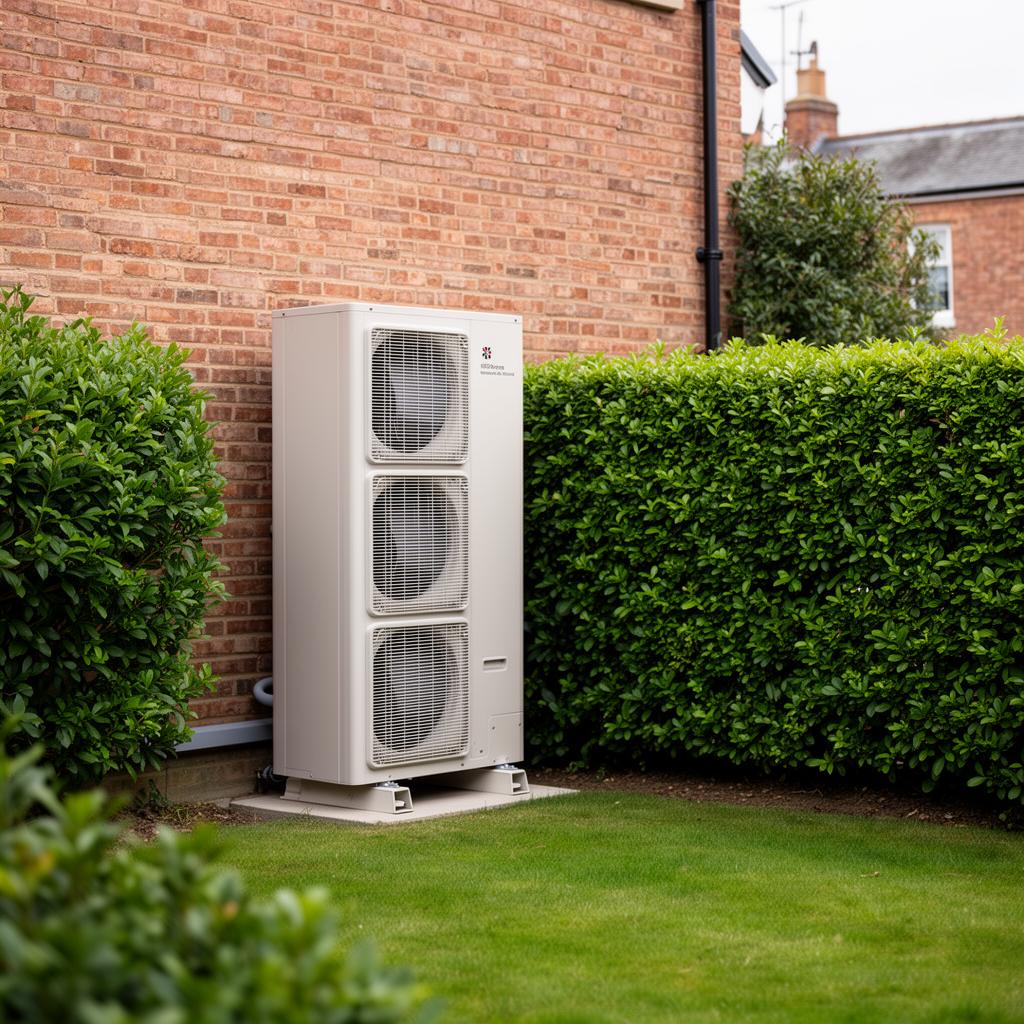
If you own or are considering an air source heat pump, understanding the heat pump defrost cycle is essential for knowing what to expect during UK winters. When outdoor temperatures drop and humidity is high, ice forms on the heat pump’s outdoor evaporator coil. The defrost cycle removes this ice by temporarily reversing the system’s operation. It is a completely normal and necessary function, but it affects efficiency and can cause confusion for homeowners who do not know what is happening.
What Is a Heat Pump Defrost Cycle?
A heat pump defrost cycle is an automatic process where the system briefly reverses its refrigerant flow to melt ice that builds up on the outdoor unit’s evaporator coil during cold, damp weather. The cycle typically lasts two to five minutes and occurs every 30–90 minutes when outdoor temperatures fall below 5°C. During defrost, you may notice steam rising from the outdoor unit and a temporary drop in heating output — this is completely normal.
Ice forms on the evaporator because the coil operates several degrees below the outdoor air temperature to extract heat. In UK winters, when temperatures hover around 0–5°C with high humidity, defrost cycles are most frequent. A well-performing heat pump should not spend more than 10% of its operating time in defrost. If defrost cycles are excessively frequent, check that airflow around the outdoor unit is not restricted and that the refrigerant charge is correct.
Why Does Ice Form on a Heat Pump?
An air source heat pump extracts heat from outdoor air by passing that air across an evaporator coil containing cold refrigerant. The refrigerant temperature inside the coil is typically 5-15C colder than the outdoor air. When outdoor temperatures fall below approximately 5C and the air is humid, moisture in the air condenses on the cold coil surface and freezes.
Ice formation is most common at outdoor temperatures between -5C and 5C, when the air contains sufficient moisture to freeze on the coil. Paradoxically, very cold dry air (below -10C) causes less icing than milder damp conditions because the air holds less moisture. This is why the heat pump defrost cycle is triggered more frequently during typical UK winters (0-5C with high humidity) than during extreme cold snaps.
A thin layer of frost has minimal impact on performance. However, if ice is allowed to build up, it progressively blocks airflow across the evaporator, reducing heat absorption and forcing the compressor to work harder. Eventually, a thick layer of ice can reduce heating output by 20-40% and potentially damage the unit. The defrost cycle prevents this by removing ice before it reaches problematic levels.
How the Defrost Cycle Works
The heat pump defrost cycle works by temporarily reversing the direction of refrigerant flow through the system. In normal heating mode, the refrigerant absorbs heat from outdoor air and releases it indoors. During defrost, this reversal sends hot refrigerant to the outdoor coil, melting the accumulated ice.
The process follows these steps:
- Detection: Sensors on the evaporator coil detect ice build-up through temperature differential measurements or timed intervals
- Reversal: A four-way valve reverses the refrigerant flow direction
- Melting: Hot refrigerant flows through the outdoor coil, heating it above 0C and melting the ice
- Drain: Meltwater drains away from the unit (proper drainage is essential)
- Resume: Once the coil is clear, the valve switches back to normal heating mode
During the defrost cycle, the heat pump is not providing heat to your home. Instead, it briefly takes heat from the indoor heating circuit to defrost the outdoor coil. This means indoor temperatures may dip slightly during defrost, though a well-designed system with adequate buffer capacity minimises this effect.
How Long Does a Defrost Cycle Last?
A typical heat pump defrost cycle lasts between 5 and 15 minutes. The duration depends on the amount of ice accumulated, the outdoor temperature, and the specific heat pump model’s defrost strategy. Most modern heat pumps use intelligent defrost algorithms that only run the cycle when genuinely needed, rather than on fixed time intervals.
During typical UK winter conditions (0-5C, moderate humidity), you can expect the defrost cycle to trigger approximately 1-4 times per hour during periods of continuous operation. In mild conditions above 7C, defrost cycles are rare or absent. In very cold conditions below -5C with low humidity, they may also be infrequent.
The worst conditions for frequent defrosting are 1-3C with high humidity and light rain or drizzle. This is, unfortunately, a very common weather pattern in the UK during winter, which is why the defrost cycle has a more significant impact on efficiency in Britain than in colder, drier climates.
Impact on Efficiency and Running Costs
The defrost cycle reduces overall heat pump efficiency because the system stops producing useful heat while consuming electricity to melt ice. The efficiency impact varies but typically reduces the seasonal COP by 5-15% during the coldest months compared to laboratory test conditions where defrosting is not factored in.
For a UK home with an annual heat demand of 12,000kWh and a heat pump achieving an SCOP of 3.5 including defrost losses, the defrost cycle adds approximately £40-£100 per year to running costs compared to a hypothetical scenario with no defrost requirement. This is a modest cost that is already accounted for in real-world SCOP figures.
Modern heat pumps with intelligent defrost algorithms (demand defrost) significantly outperform older units with timed defrost cycles. Demand defrost systems use sensors to detect exactly when ice has reached a threshold level before triggering the cycle, avoiding unnecessary defrost operations that waste energy. When choosing a heat pump, check that it uses demand-based rather than timed defrost.
What You Will Notice During Defrost
Homeowners often notice several things during a defrost cycle that can cause concern if they are not expected:
Steam or vapour from the outdoor unit: As ice melts rapidly on the warm coil, it produces visible steam. This is completely normal and not a sign of a problem. In cold weather, the steam can be quite dramatic and may alarm neighbours unfamiliar with heat pumps.
The outdoor fan stops: During defrost, the fan typically stops to prevent cold air blowing across the coil, which would interfere with the melting process. The unit may appear to have shut down, but the compressor continues running.
Water draining from the unit: Meltwater should drain away through the unit’s base tray. Proper drainage is essential. If the drainage path is blocked or the unit sits in a hollow where water pools and refreezes, the ice problem will worsen. Ensuring the unit is installed on a raised concrete pad with a clear drainage route is part of a good installation.
Temporary indoor temperature drop: During defrost, the heat pump draws heat from the indoor circuit. Without a buffer tank, you may notice radiators cooling slightly for a few minutes. With a correctly sized buffer tank, this effect is minimised or eliminated.
Changed noise: The refrigerant reversal and compressor operation during defrost can produce different sounds than normal operation, including a brief whooshing noise as the four-way valve switches. This is normal and typically lasts only a few seconds.
How to Minimise Defrost Cycle Impact
While the defrost cycle cannot be eliminated, several measures reduce its frequency and impact:
Ensure good airflow: Keep the area around the outdoor unit clear of obstructions, vegetation, and debris. Restricted airflow increases ice formation by reducing air movement across the coil. Maintain at least 300mm clearance on all sides and 750mm above the unit.
Install proper drainage: The base of the outdoor unit must drain freely. In cold climates, consider a heated drip tray or drain pipe heating cable to prevent meltwater refreezing beneath the unit. A gravel bed beneath the unit aids drainage and prevents puddle formation.
Improve home insulation: Better insulation reduces heat demand, allowing the heat pump to run at lower output. Lower output means less ice formation on the coil, fewer defrost cycles, and better overall efficiency.
Consider a buffer tank: A buffer tank stores thermal energy that maintains indoor heating during defrost cycles, preventing the temperature dip that some homeowners find uncomfortable. The typical recommendation is 25 litres per kW of heat pump capacity.
Optimise weather compensation: Correctly configured weather compensation curves ensure the heat pump runs at the lowest necessary flow temperature, which improves overall efficiency and reduces the thermal load on the system during defrost recovery.
When Defrost Problems Indicate a Fault
While regular defrosting is normal, certain patterns indicate a problem that needs professional attention:
- Ice that never fully clears: If the unit is permanently covered in ice despite regular defrost cycles, the refrigerant charge may be low or the defrost sensor may be faulty
- Defrost cycles every few minutes: Excessively frequent defrosting suggests the outdoor fan is not working correctly, airflow is severely restricted, or the defrost control is malfunctioning
- Large ice formations on the base or pipework: Ice on areas other than the evaporator coil may indicate a refrigerant leak or a blocked drain
- No defrost occurring: If ice builds up continuously without any defrost cycle, the defrost control or four-way valve may have failed
If you observe any of these issues, contact your installer or a qualified heat pump engineer. Do not attempt to manually remove ice with tools or hot water, as this can damage the delicate aluminium fins on the evaporator coil. Request a professional assessment if your heat pump’s defrost behaviour seems abnormal.
Frequently Asked Questions
Is it normal for my heat pump to produce steam in winter?
Yes, completely normal. The steam is simply water vapour produced as ice melts rapidly on the warm evaporator coil during the defrost cycle. It looks dramatic but is a sign that the defrost system is working correctly. The steam typically lasts 2-5 minutes per defrost cycle.
Will my house get cold during a defrost cycle?
You may notice a slight temperature dip of 0.5-1C during a defrost cycle if your system does not have a buffer tank. The dip is temporary, lasting 5-15 minutes. A properly sized buffer tank eliminates this issue by storing heat that maintains indoor temperature during defrost. Well-insulated homes with good thermal mass barely notice any change.
Do ground source heat pumps need defrost cycles?
No. Ground source heat pumps extract heat from underground where temperatures remain above freezing year-round. There is no outdoor evaporator coil exposed to cold air, so ice formation does not occur. This is one of the efficiency advantages of ground source systems over air source, contributing to their higher seasonal COP figures.
How much electricity does a defrost cycle use?
A single defrost cycle consumes approximately 0.3-0.8kWh of electricity, costing roughly 7-20p at current rates. Over a typical UK heating season, cumulative defrost energy use adds approximately £40-£100 to annual running costs, depending on local climate conditions and how frequently defrost is triggered.
Can I prevent my heat pump from icing up?
Ice formation cannot be completely prevented because it is a natural consequence of extracting heat from cold, humid air. You can reduce the rate of ice formation by ensuring good airflow around the unit, keeping the area clean, and running the heat pump at appropriate settings. Trying to prevent ice by covering the unit or blocking airflow will make the problem worse.
See what these numbers mean for your home
Free instant estimate — costs, savings, payback and grants for your region.

Related Articles
Heat Pump Installation Costs in 2026: The Real Numbers
Heat pumps are now the default replacement for gas boilers in UK government policy, but the question most homeowners ask first is always the same: how much does it actually…
28 May 2026
Infrared Panels vs Heat Pumps: Which Heating System Is Right for Your Home?
Comparing infrared panels vs heat pumps across cost, efficiency, running expenses, and grant eligibility. This guide helps UK homeowners choose the right low-carbon heating system for their property.
8 May 2026
Renewable Heating vs Gas Boiler: An Honest Cost and Comfort Comparison
An honest comparison of heat pumps, biomass and solar thermal against gas boilers on cost, comfort, maintenance, grants and carbon savings for UK homes.
8 May 2026