Can a Solar-Charged EV Really Be Free to Run in Lancashire?
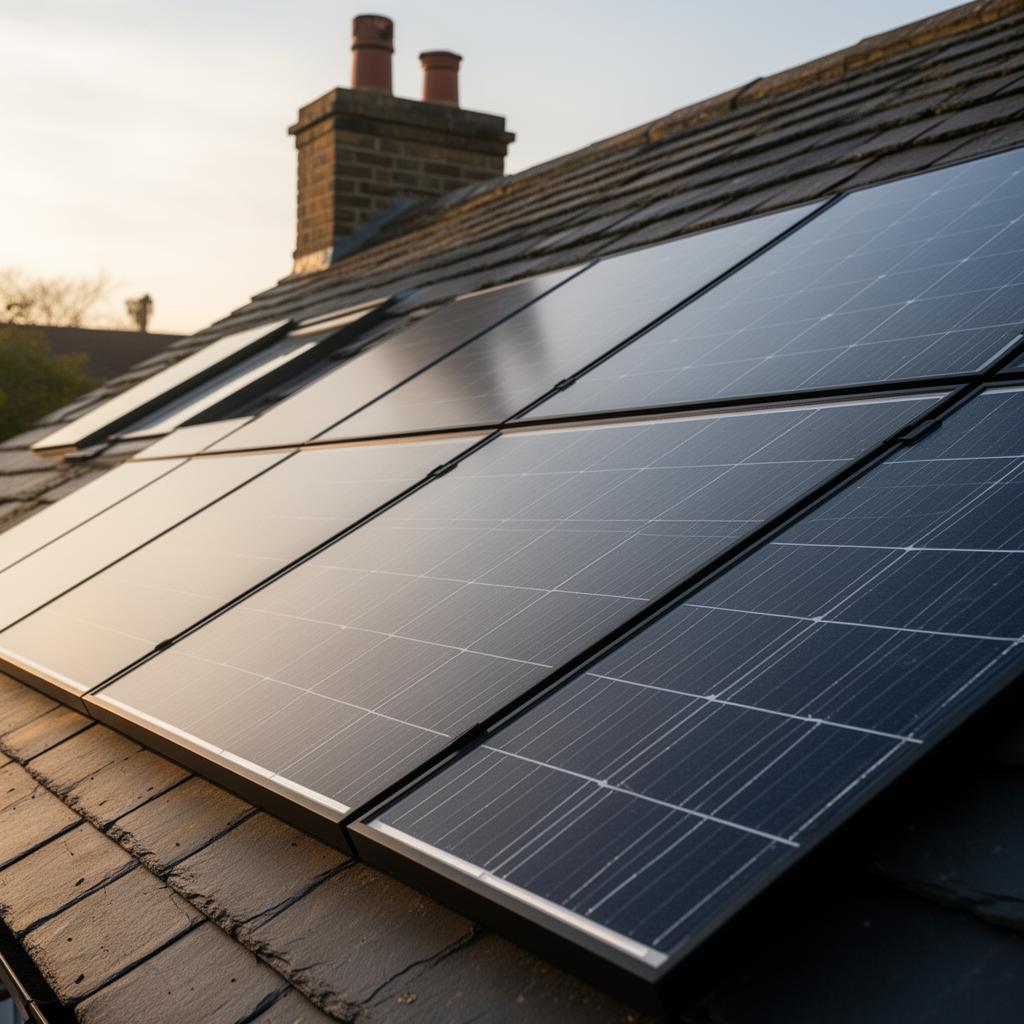
A solar-charged EV is not completely free to run in Lancashire, but it can get close during the sunnier months. A typical 4kW solar system generates enough surplus electricity from April to September to cover 60% to 80% of the average Lancashire commuter’s driving needs. Combined with a cheap overnight tariff for winter top-ups, total annual fuel costs can drop to £50 to £150 – a saving of over £1,200 compared to petrol. Here is the honest maths behind the claim.
Can You Run an Electric Car for Free With Solar Panels?
Yes, it is possible to run an electric car almost entirely for free using solar panels, but only if your driving mileage is modest and you charge during daylight hours. A 4 kW solar system in Lancashire generates around 3,400 kWh per year, enough to cover approximately 11,000 to 12,000 miles of driving. The key requirement is being able to charge your EV during the day when solar generation is highest.
In practice, most EV owners achieve 50 to 70 percent free charging from solar during spring and summer, dropping to 10 to 20 percent in winter when generation falls. Adding a home battery allows you to store daytime solar and charge your EV overnight, pushing the free proportion higher. Combined with an off-peak EV tariff at 7p per kWh for winter top-ups, annual driving costs can fall below £150.
How Much Solar Energy Does an EV Need?
The average UK driver covers about 7,400 miles per year. In Lancashire, that figure is slightly higher at around 8,000 miles due to more spread-out towns and longer rural commutes. A typical modern EV uses 3.5 to 4.5 miles per kWh, depending on the model and driving style.
At 4 miles per kWh, driving 8,000 miles requires 2,000 kWh of electricity per year. A 4kW solar system in Lancashire generates 3,200 to 3,600 kWh annually. So in theory, your solar panels produce more electricity than your car needs. The problem is timing – your car needs charging when the sun may not be shining.
Without a battery, your EV can only charge from solar when it is parked at home during daylight hours and your panels are generating surplus electricity. For many Lancashire workers commuting to Manchester, Preston, or Blackburn during the day, the car is away precisely when the panels are producing the most energy.
The Seasonal Reality in Lancashire
Solar generation varies dramatically across the year. A 4kW Lancashire system typically produces:
- December and January – 80 to 130 kWh per month. Barely enough to cover one to two full charges.
- February and November – 150 to 220 kWh per month. Covers two to three charges.
- March and October – 250 to 330 kWh per month. Roughly half your monthly driving needs.
- April to September – 350 to 500 kWh per month. More than enough to cover all your driving plus household electricity.
During the six warmest months, a Lancashire household with a Myenergi Zappi charger (which can be set to charge only from surplus solar) can genuinely charge their EV for free most days. A typical commuter driving 20 to 30 miles per day needs 5 to 8 kWh of charge, and a 4kW system easily generates that much surplus on a sunny spring or summer day.
During winter, solar contribution drops to 20% to 40% of your charging needs. You will need grid electricity for the rest, which is where a cheap overnight tariff makes a massive difference.
The Best Setup for Solar EV Charging
To maximise free solar charging in Lancashire, the ideal setup is:
Solar panels (4kW to 6kW system). Larger systems generate more surplus for car charging. A 6kW system on a detached home in Chorley or Longridge produces 20% to 30% more than a 4kW system and handles both household use and EV charging more comfortably.
Myenergi Zappi charger. The Zappi has three modes: Eco (charges only from surplus solar), Eco+ (charges from surplus with a grid boost if needed), and Fast (full speed from the grid). In summer, run it in Eco mode for completely free charging. In winter, switch to Eco+ or use a scheduled fast charge overnight.
Battery storage (optional but helpful). A 5kWh to 10kWh home battery stores solar energy generated during the day for evening EV charging. Without a battery, the Zappi can only use solar in real time. With a battery, you can store midday surplus and charge the car when you plug in at 6pm. A GivEnergy 5kWh battery costs £2,500 to £3,500.
Time-of-use electricity tariff. Octopus Go or Intelligent Octopus Go offers electricity at 7.5p per kWh between 12.30am and 4.30am. Use this for winter charging when solar output is low. A full 60kWh charge at this rate costs just £4.50 compared to £14.70 at the standard 24.5p rate.
Running the Numbers: Annual Cost Comparison
Here is what a Lancashire driver covering 8,000 miles per year can expect to pay in fuel costs under different scenarios:
- Petrol car (40mpg) – £1,300 to £1,500 per year at current fuel prices.
- EV on standard electricity tariff (no solar) – £490 to £590 per year.
- EV on Octopus Go overnight tariff (no solar) – £150 to £200 per year.
- EV with 4kW solar and Zappi (no battery) – £80 to £180 per year. Free from April to September, grid power needed in winter.
- EV with 4kW solar, Zappi, and 5kWh battery – £50 to £120 per year. Battery extends solar use into evenings, reducing grid dependence further.
- EV with 6kW solar, Zappi, 10kWh battery, and Octopus Go – £30 to £80 per year. The ultimate setup, with solar covering most needs and ultra-cheap overnight electricity filling any gaps.
So “free” is a slight exaggeration, but £50 to £80 per year for 8,000 miles of driving is remarkably close. That is a saving of £1,200 to £1,400 compared to petrol.
Total System Cost and Payback Period
The upfront investment for a solar-plus-EV-charging setup in Lancashire:
- 4kW solar system: £5,500 to £7,000 (0% VAT)
- Myenergi Zappi charger: £1,000 to £1,300 installed
- 5kWh battery (optional): £2,500 to £3,500 (0% VAT)
- Total without battery: £6,500 to £8,300
- Total with battery: £9,000 to £11,800
Against combined savings of £1,400 to £1,800 per year (fuel savings plus household electricity savings from solar), the payback period is five to seven years without a battery or six to nine years with one. After payback, you are saving an estimated £1,400 or more every year for the remaining life of the system (20+ years).
Does It Work for Lancashire Commuters?
The main challenge is that many Lancashire commuters take their car to work during peak solar hours. If you park at home during the day (retired, work from home, shift worker, or part-time), the economics are superb. Your car charges from solar while parked on the drive.
If you commute to Manchester, Preston, or elsewhere during the day, a home battery bridges the gap. The battery charges from solar while you are out, then the Zappi uses battery power to charge your car when you plug in at 6pm. Without a battery, you rely more on the cheap overnight tariff, which still gives very low running costs.
Weekend charging is golden for commuters. On Saturday and Sunday, your car is home all day. Two days of solar charging in summer can add 100 to 150 miles of range, which might cover your entire working week if your commute is short.
Practical Tips From Lancashire Solar-EV Owners
Lancashire homeowners who have already combined solar and EV charging share these practical insights:
Set the Zappi to start charging at 10am in summer, when solar generation ramps up. Earlier starts may draw from the grid if cloud cover delays generation. In winter, schedule overnight charging from 12.30am on Octopus Go and let any daytime solar be a bonus.
Clean your panels in spring. Lancashire’s damp climate encourages moss and lichen, particularly on north-facing edges. A quick hose-down or professional clean (£50 to £100) in March can boost output by 5% to 10% for the upcoming solar season.
Monitor your generation and charging data. Most inverters and the Zappi app show how much solar energy went into your car versus the grid. Tracking this helps you optimise timing and spot issues early.
Can I use solar to charge my EV if I have a small roof?
Even a 2kW or 3kW system helps. You will cover less of your charging needs, but every kWh from solar is free. A 3kW system might cover 40% to 60% of your annual EV charging in Lancashire, with cheap overnight electricity covering the rest. The total annual fuel cost would be £100 to £200 – still a fraction of petrol costs.
What if I have a north-facing roof?
North-facing roofs generate roughly 50% to 60% of what a south-facing roof produces. East and west-facing roofs generate 80% to 85%. Even a non-ideal orientation produces useful electricity. A 4kW east-west split system on a Lancashire home still generates 2,600 to 3,000 kWh per year, which covers a substantial portion of EV charging needs.
Is the Myenergi Zappi worth the extra cost over a standard charger?
If you have solar panels, yes. The Zappi costs £150 to £300 more than a standard smart charger, but its ability to divert surplus solar energy to your car is unique. Over a year of solar charging, the extra cost is recovered within months through free solar electricity used instead of grid power. Without solar panels, a standard smart charger offers the same functionality for less.
See what these numbers mean for your home
Free instant estimate — costs, savings, payback and grants for your region.

Related Articles
Home EV Charger Costs in the North West: 2026 Prices, Grants and Running Costs
A 7kW home EV charger costs £800–£1,500 installed in the North West. Here are the 2026 numbers — including the £500 grant and 2–3p-per-mile overnight charging.
10 June 2026EV Chargers for Renters and Flat Owners: How the £500 Grant Works (2026)
The OZEV Chargepoint Grant now pays £500 per socket — but only renters and flat owners qualify. Here's exactly how to claim it in 2026.
10 June 2026
EV Home Charging: How Much Does It Really Cost to Charge at Home in 2026?
Update (June 2026): The OZEV Electric Vehicle Chargepoint Grant provides £500 per socket towards home charger installation for eligible renters and flat owners (increased from April 2026). Electric vehicles are…
28 April 2026